+44 20 7903 7116


 +44 20 7903 7116

Many people care about the appearance of their face, and dimples are admired in many cultures.
Dimples, small dents that appear in the cheeks or chin, are seen by many as a charming feature.
Cheek dimples are most often inherited, and they show when the person smiles.
In some societies they are considered a sign of luck, which is a cultural belief. Not everyone is born with dimples, and some people ask for cheek dimple surgery, which creates them, with the limits and risks described below.
A cheek dimple is linked to the way the facial muscle attaches to the skin; dents on the back, thighs or arms have other causes and are not treated by dimpleplasty.
Aram Clinic organises dimpleplasty in Turkey with partner surgeons.
Dimpleplasty is a cosmetic operation whose result is permanent and hard to predict precisely, so take your time to decide and ask for the surgeon’s experience.
Aram Clinic invites you to request a free quote.
Cost matters, but for an operation whose result is permanent and hard to adjust, the surgeon’s experience matters more.
Aram Clinic says it offers budget-friendly prices with an all-inclusive deal.
According to the clinic, costs such as your room, transportation and medical fees are covered under the all-inclusive deal, and you save about 50% compared with other countries; check this against written quotes.
Whichever clinic you choose, ask for the surgeon’s name and experience and the terms for a correction in writing.

What is dimpleplasty ?
Dimples appear on one or both cheeks or on the chin, and some people are born with them, because of the way their facial muscle attaches to the skin, while others acquire them after a facial injury.
Dimpleplasty is a cosmetic surgery that aims to create a dimple in one or both cheeks, according to the person’s wish, which shows when smiling; the result is permanent and hard to predict exactly.
What is dimpleplasty (dimple creation surgery) in Turkey and who is it for?
Dimpleplasty in Turkey, also called dimple creation surgery or cheek dimple surgery, is a small cosmetic operation, carried out by a plastic or maxillofacial surgeon in a Turkish clinic, that creates a dimple in one or both cheeks, or occasionally in the chin, by shortening or tethering the tissue under the skin so that a small dent appears when you smile. It is usually done under local anaesthesia, takes about 15 to 30 minutes per side, goes through a small cut on the inside of the cheek so that no wound is left on the outside of the face, and is a day case with a short recovery. Aram Clinic says it offers dimpleplasty in Turkey with partner surgeons, in an all-inclusive package covering your room, transportation and medical fees, at about half the price elsewhere; these are the clinic’s own descriptions and should be verified in writing.
It is for adults who do not have dimples, who very much want them, who understand that the operation creates a permanent change to the face, that the result is hard to predict precisely and that an unnatural or uneven dimple cannot always be corrected, and who have a calm and realistic expectation. It is a purely cosmetic operation, and it is one of the cosmetic procedures where it is especially important not to rush: look at the evidence, ask many questions and take time before you decide.
This page answers the questions people ask most: what dimples are and why some people have them, how dimple creation surgery works, how permanent and natural the result is, whether dimples can be created without surgery, who is a candidate, how much dimple surgery costs in Turkey compared with the UK, whether it is safe, how the operation and recovery work, what the risks are, whether a dimple can be removed, how long to stay and what to check before you book. It draws on guidance from the NHS, the British Association of Aesthetic Plastic Surgeons, the American Society of Plastic Surgeons and the published surgical literature, which for this operation is limited to small case series, and on information supplied by Aram Clinic. It is general information, not medical advice: a surgeon must examine you before any operation.
If you are also looking at other facial procedures in Turkey, Aram Clinic publishes guides on rhinoplasty, chin augmentation, hyaluronic acid fillers, facelift and eyelid surgery. For a personal estimate, use the free express quote.
What are the key facts about dimpleplasty in Turkey at a glance?
| Question | Short answer |
|---|---|
| What does it do? | Creates a dimple in the cheek (or chin) by tethering the muscle or deeper tissue to the skin. |
| Operation time | About 15 to 30 minutes per side. |
| Anaesthesia | Local anaesthetic, sometimes with mild sedation. |
| Incision | Inside the mouth, in the lining of the cheek; no skin scar in most techniques. |
| Stitches | Dissolving stitches inside the mouth; a stitch through the cheek may be visible at first in some techniques. |
| Recovery | Swelling and a visible dent at rest for several days to a few weeks; soft diet and mouth care. |
| Final result | Settles over about 2 to 3 months; the dimple often looks deeper at first. |
| Time to plan in Turkey | About 3 to 5 days. |
| Main risks | Asymmetry, a dimple that shows at rest, infection, bleeding, scarring, numbness, rarely facial nerve branch injury. |
| Reversibility | Not reliably reversible; a dimple can sometimes be softened by further surgery. |
| Insurance | Cosmetic; not covered by public systems or insurance; check travel insurance. |
These are typical ranges, not promises: dimples are small structures, and the final shape depends on your tissue, your smile and your healing.
If you remember only one thing: a dimple that is created by surgery is permanent and hard to adjust, so choose a surgeon who explains the technique, shows you results at three to six months and is ready to say no.
What are dimples and why do some people have them?
A dimple is a small indentation in the skin, most often on the cheek when a person smiles, and sometimes on the chin (a cleft chin). Cheek dimples are generally explained by a variation in the muscles of the face: in many people with dimples, the zygomaticus major muscle, which pulls the corner of the mouth up when you smile, is split into two bundles (a “bifid” muscle), or a part of the muscle attaches to the skin, so that when the muscle contracts it pulls the skin inwards and creates a dent. Dimples are often inherited, and they are commonly described as a genetic trait, although the way they are passed on is not as simple as a single gene, and a child can have dimples when the parents do not. They can also appear after an injury or scar. A dimple that shows only when smiling is the most common type; some people have dimples at rest too.
Some descriptions say that the word “dimple” refers to “shortened muscles” and that dimples appear on the arms, back and legs. This mixes different things: the cheek and chin dimple is related to the facial muscle and its attachment to the skin; dimples in the back (the “Venus dimples” over the pelvis) are caused by short ligaments attaching skin to the bone, and dimples on the thighs or buttocks are usually cellulite, due to fibrous bands. Dimples are considered attractive in many cultures, and in some, a sign of good luck, but this is a cultural belief and not a medical fact.
Ask your surgeon to examine how your own cheek muscle moves when you smile, since this affects where a dimple would appear.
A dimple should match the way you smile; one placed in the wrong spot looks unnatural.
How does dimple creation surgery work and which techniques are used?
| Technique | What is done | Notes |
|---|---|---|
| Cheek dimple, internal approach | Through a small cut inside the cheek, a small plug of tissue (fat and a little muscle) is removed with a tiny punch or scissors, and the remaining muscle is stitched to the underside of the skin with a dissolving stitch. | The most common technique; no outside skin scar; the stitch forms scar tissue that holds the dimple. |
| Suture-only technique | A stitch is passed through the cheek from the inside to anchor the tissue to the skin, without removing tissue. | Less tissue removed; the dimple may be less durable. |
| Chin dimple | Similar tethering of the skin of the chin through an incision inside the lower lip. | Less common; the chin shape matters. |
| Dimple-creating devices (non-surgical) | Claimed ways to press or tether the skin. | No good evidence of lasting effects; not recommended. |
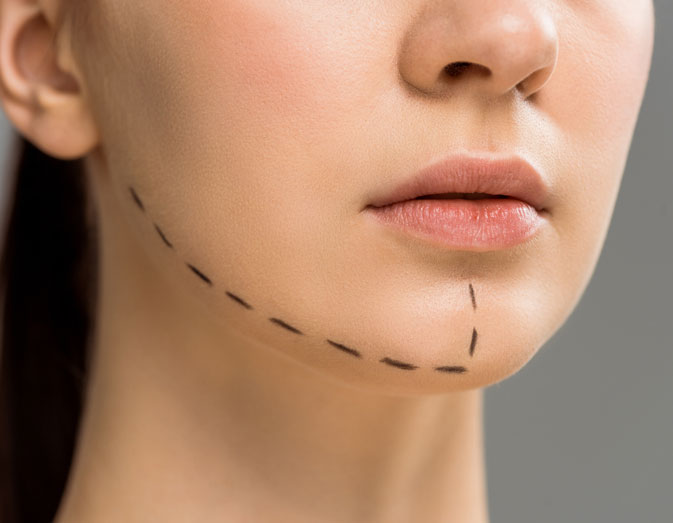
In the usual operation, the surgeon first marks the spot of the planned dimple with you smiling and relaxed, since the dimple should sit where your smile naturally creases. The cheek is numbed with a local anaesthetic such as lidocaine. A small incision is made inside the cheek, and a small piece of fat and tissue is removed from the area, leaving a gap, which is how the dimple is created without leaving a visible wound on the outside of the face. The surgeon then connects the remaining muscle to the underside of the skin with a dissolving stitch, which may be visible from the outside at first; as the stitch dissolves, it produces fibrous scar tissue that holds the muscle to the skin and gives the dimple a natural appearance. The dimple therefore depends on scar tissue, which is why it can look deeper at first and why the result is not fully predictable.
Ask the surgeon which technique is planned and how many dimple operations they have performed.
Is a surgical dimple permanent and will it look natural?
A dimple created by surgery is meant to be permanent, because it is held by scar tissue, but it is not as predictable as a natural dimple. In the published reports, which are mostly small series of patients, most are satisfied and the dimples last, but some dimples soften or disappear over months to years as the scar stretches, others look too deep or too far from the mouth, and some show at rest, when the face is not smiling, which can look unnatural. The dimple is typically most noticeable in the first weeks, when swelling and tight stitches make it look deeper, and it is not final until about two to three months. A natural look depends on the position, the depth and symmetry: a dimple a centimetre or two from the corner of the mouth, in line with the smile, looks natural; one placed too high or low does not.
There are other considerations. Dimples created by surgery are “fixed” points on the cheek, so they appear when the muscle moves but may also show during talking and eating, and they will not change with age as natural dimples do; as the face ages and the cheek loses volume, the dimple may become more or less obvious. Searches for “fake dimple surgery” and “dimple surgery before and after” show that many people worry about artificial results. A realistic plan, a conservative depth and a surgeon who explains that the result cannot be fully controlled are signs of good practice.
Ask the surgeon to show you results at three to six months, including dimples that did not turn out as planned, and what was done about them.
Be wary of a surgeon who promises a “perfect” dimple.
Can dimples be created without surgery?
There is no reliable non-surgical way to create a lasting dimple. Hyaluronic acid filler adds volume and cannot create a dent; it can sometimes be injected around a spot to emphasise an existing slight dimple, but the effect is temporary and unpredictable. Botulinum toxin changes how muscles move and does not create a dimple. Thread techniques have been proposed to tether the skin, but there is little evidence and complications can occur. Devices sold online to “create dimples” by pressing the cheek, and dimple piercings or tattoos, do not produce lasting natural dimples and may cause harm. Make-up, such as a small dot applied with a cosmetic pencil and blended, can create a temporary look for photographs. Some people try facial exercises, which have no evidence to support the creation of dimples.
If you want a dimple, surgery is the only established option, and its limits should be understood. If you are unsure, living with temporary make-up for a time before deciding can help you test whether a dimple really matters to you.
See the guide to hyaluronic acid fillers for what fillers can and cannot do.
Be cautious of any device or treatment that promises a permanent dimple without surgery.
Who is a good candidate for dimpleplasty and who should avoid it?
Candidates are healthy adults who do not have dimples and want them, who have thought about it for a long time rather than on impulse or after seeing social media posts or celebrities, who understand the technique, the risks and the uncertainty of the result, and who have stable, realistic expectations. The surgeon examines your face while you smile and talk, looks at the thickness and movement of the cheek tissue, discusses your reasons and your expectations and checks your medical history. A calm assessment of your motivation is part of good practice: if the wish for dimples arises from distress about appearance, a conversation with a doctor or a psychologist may help before an operation that cannot easily be undone.
Dimpleplasty is generally postponed or avoided in people who are under 18, with a tendency to form thick or raised scars (keloids), bleeding disorders or who take blood thinners that cannot be adjusted, with active infection of the mouth, skin conditions on the cheek, uncontrolled medical conditions, facial nerve problems, or unrealistic expectations or body-image distress. A surgeon should tell you honestly if you are not suitable.
Bring photographs of dimples you like, and tell the surgeon why you want them.
Tell the surgeon about any scarring tendency and any previous facial surgery.
How much does dimple surgery cost in Turkey compared with the UK and the US?
The price of dimple creation surgery in Turkey depends on whether one or both cheeks are treated, the technique, the surgeon and clinic, the anaesthesia and what the package includes. It is a short operation, and in general quotes in Turkey are lower than in the UK, the US, Canada or Australia, which is why searches such as “dimple surgery cost Turkey”, “dimple surgery Turkey package” and “how much is dimple surgery” are made. Aram Clinic states that its dimpleplasty in Turkey is offered at budget-friendly prices, with an all-inclusive deal that covers your room, transportation and medical fees, and that you save about 50 percent compared with other countries; the claim should be checked against written quotes, including a quote from a surgeon at home. A quote that seems very low, for an operation that needs skill, should make you ask what is included and who will perform it.
Compare like with like: the same technique, the same number of dimples, the same surgeon level, the same aftercare and the same terms for a correction. For a short operation, the cost of travel and hotel may be higher than the cost of the operation, so look at the total.
What should a written dimpleplasty quote include?
Operation : one or both cheeks or chin, technique.
Surgeon and clinic : names, specialty and licence.
Consultation : assessment of your smile and your cheek.
Anaesthesia : local with or without sedation.
Medicines and aftercare : antibiotics, mouthwash, check-up.
Travel services : transfers, hotel nights, interpreter.
Correction : terms if the dimple is uneven or you are unhappy.
Payment terms : deposit, refund conditions, currency.
Aram Clinic does not publish fixed prices on this page because the cost depends on your case: request a free express quote with photographs of your face at rest and smiling.
What is included in a dimpleplasty package and is it safe in Turkey?
An all-inclusive package is a single price intended to cover the main parts of the trip. Aram Clinic describes its package as covering your room, transportation and medical fees. A complete package for dimpleplasty may also include the consultation, the operation, local anaesthesia, medicines, mouthwash, transfers, an interpreter or coordinator, a medical report and remote follow-up. “All-inclusive” has no legal definition, so ask for the list in writing and check what is excluded: extra nights, treatment of complications or a correction, and the companion’s costs.
Is dimpleplasty in Turkey safe? It is a minor operation with a low risk of serious complications when performed by an experienced surgeon in a clean, licensed facility, but it is still surgery on the face, close to branches of the facial nerve, and the main concern is not so much safety as the quality and predictability of the result. Safety depends on the surgeon’s training and experience with this particular operation, the hygiene of the facility and the aftercare, not on the country. Statements such as “the best medical team and price possible” cannot replace verifying the surgeon’s name, specialty and experience.
Ask how many dimple operations the surgeon has performed and what happens if the dimple is uneven.
Be cautious about any clinic that calls the operation risk-free or promises the results you have always dreamed of.

Each medical or cosmetic operation
requires some preparations you must do before undergoing
it.
You must meet with your doctor prior to the surgery, during this visit you and your doctor
will determine the places where the diples will be made.
Your doctor will also look into your medical history and determine the best anesthetic to
use during the operation so that there would be no complications.
Naturally, you will have to tell your doctor about any medication that you are using, you may be asked to stop medicines that increase bleeding, only as your doctor advises, for example:
- Ibuprofen.
- Advil.
- Naproxen.
- Aspirin.
- Coumadin (warfarin): never stop it without your doctor’s advice.
You may also be asked to stop herbs and supplements that can increase bleeding, such as vitamin E and fish oil.
You will also need to stop smoking for a while before and after the surgery, and to fast if you will have sedation, as instructed.
How do I prepare for dimple surgery and which medicines must I stop?
Each medical or cosmetic operation requires some preparation. You meet your doctor before the surgery; during this visit you and the doctor decide where the dimples will be made, usually with you smiling and talking so that the position matches your natural expressions, and the doctor often marks the spot with a pen and may show you photographs. The doctor looks into your medical history and decides on the anaesthesia, which for dimpleplasty is usually a local anaesthetic, sometimes with sedation. You must tell the doctor about all the medicines and supplements you take. Medicines that increase bleeding, such as ibuprofen, naproxen, aspirin and other anti-inflammatory drugs, are usually stopped for about one to two weeks, and herbs and supplements such as vitamin E and fish oil are also avoided. Blood thinners such as warfarin (known as Coumadin) must never be stopped on your own: your doctor will tell you whether and how to change them, usually with your specialist, since stopping them can be dangerous.
You should quit smoking for a while before surgery and after, since nicotine slows healing, and you will be told whether to fast; if you will have only local anaesthetic, fasting is often not required, but if sedation is used, you will be told to fast for about six to eight hours. Brush your teeth well and use an antiseptic mouthwash beforehand if advised, since the incision is inside the mouth. Send photographs of your face at rest and smiling in advance so that the surgeon can discuss the plan before you travel.
Ask for the consent form in English to read at home.
Ask whether the dimple will be marked on your face before surgery, and whether you can see and approve it in a mirror.
What happens during Dimpleplasty ?
Before the surgery, you must go and
have a check-up
appointment with your doctor, this is so
that they can choose along side of you a place for the dimples.
The doctor will start by numbing the cheek with local anesthesia using an anesthetic like
lidocaine.
After that they will proceed by making a small incision in the tissue on the inside of the
cheek and then the excision of a small piece of fat and tissue from the inside of the cheek,
or from the bottom of the mouth if the dimple is in the chin.
This will then leave a gap in the skin, so that no wounds appear in the outer part of the
face.
The doctor will then finish the procedure by connecting the remaining muscle to the
underside of the skin using soluble sutures, which may be visible from the outside at first,
and when the sutures dissolve they produce fibrous tissue that connects the muscle to the
skin, which gives them a natural appearance.
What happens after dimpleplasty?
Dimpleplasty does not require a long
recovery period,
however there are some activities that
you must follow after undergoing the facial dimples surgery.
One of the most important things that you need to do after having the surgery is to maintain
a good level of oral hygiene to prevent any kind of infection, use an antiseptic mouthwash
2-3 times a day.
Avoid hyperactive facial expressions during wound healing such as laughter or large smiling
to prevent any muscle tearing.
Avoid drinking hot drinks such as tea or coffee and hard foods that require a lot of chewing
and grinding.
What are the risks of dimpleplasty ?
Dimpleplasty comes with some risks and
potential
complications that you need to be aware of before deciding on having it.
Some of these risks are common and some are uncommon; your doctor will discuss them in detail when you meet, to help you understand the procedure better.
Some of these risks are :
- Bleeding at the site of surgery.
- Possibility of inconsistency when making two dimples.
- Facial nerve damage.
- Redness and swelling.
- Infection.
- Scarring.
What happens during dimpleplasty and how do the stitches work?
Before the operation, the doctor checks that you are well and chooses the place for the dimple together with you. The doctor numbs the cheek with a local anaesthetic such as lidocaine. A small incision is then made in the lining on the inside of the cheek and a small piece of fat and tissue is removed from the inside of the cheek (or from the lower lip side if the dimple is in the chin). This leaves a small gap beneath the skin, so that no wound appears on the outer part of the face. The doctor finishes the procedure by connecting the remaining muscle to the underside of the skin with dissolving sutures; these may be visible from the outside at first, and as they dissolve they produce fibrous tissue that connects the muscle to the skin, which gives the dimple its natural look. The surgeon checks the dimple while you smile and may adjust the depth, and the incision inside the mouth is closed with dissolving stitches. The whole operation takes about fifteen to thirty minutes per side.
You then rest for a short time and go home or to the hotel the same day with mouthwash, medicines if needed and instructions. You will notice swelling, a dent that is visible even when you are not smiling and some tenderness.
Ask whether a visible stitch through the cheek will be used and when it will be removed or dissolved.
Keep the operative details, including the technique used, for any future doctor.
What is the recovery after dimpleplasty and what should I avoid?
| Time | What to expect | What to do |
|---|---|---|
| Days 0 to 3 | Swelling and tenderness; a visible dent at rest; small amount of blood in saliva. | Cold compresses; soft cool foods; mouthwash after eating. |
| Days 4 to 7 | Swelling declining; the dimple may still look deep; stitches dissolving. | Avoid large smiles and laughing as much as possible; soft diet. |
| Weeks 2 to 4 | Swelling mostly gone; dimple shows mainly when smiling, but may still show at rest. | Gradually return to normal foods and expressions. |
| Months 2 to 3 | The dimple settles into its final form. | Review with the surgeon. |
Dimpleplasty does not require a long recovery, but you must follow some rules after the operation. The most important is to maintain good oral hygiene to prevent infection: rinse with an antiseptic mouthwash two or three times a day, after meals, as your doctor advises, and brush gently. Avoid exaggerated facial expressions, such as hearty laughter or very wide smiles, during wound healing, to avoid tearing the stitched muscle. Avoid hot drinks such as tea and coffee in the first days, and hard foods that need a lot of chewing and grinding; choose soft, cool foods. Most people return to normal activities, including desk work, within two to three days, although swelling and a visible dent mean you may prefer to stay out of the public eye for a week or two. Do not press on or massage the dimple unless your surgeon advises.
Call your surgeon or seek care if you have fever, pus, increasing swelling or pain, heavy bleeding, or drooping or weakness of the corner of the mouth.
What are the risks of dimpleplasty and which signs are urgent?
Dimpleplasty is a small operation, but it has risks and potential complications, and describing them as “rare” does not give a full picture. Swelling, bruising, redness and a feeling of tightness are common. Other risks are bleeding at the site of the surgery, infection of the wound or the mouth lining, scarring (usually inside the mouth, but occasionally a dimple scar or a puckered area of skin), unevenness or inconsistency when two dimples are made, a dimple that is too deep, too high or too low, that shows at rest or that fades over time, numbness or tingling of the cheek, and damage to branches of the facial nerve, which supply the muscles that move the mouth, causing weakness or asymmetry of the smile; this is uncommon and is usually temporary, but it can be lasting. Dissatisfaction is the commonest problem, and the result can be difficult to correct.
Fever, pus, spreading redness or severe pain : possible infection: contact your surgeon and seek care.
Heavy or persistent bleeding : contact your surgeon or go to emergency care.
Drooping or weakness of the mouth or cheek : possible nerve injury: see a doctor promptly.
Increasing swelling of the cheek : contact your surgeon.
A stitch or a lump that bothers you : contact your surgeon.
You can reduce risks by choosing an experienced surgeon, good mouth hygiene, avoiding smoking, following the aftercare and attending check-ups.
If you develop a symptom after returning home, see a doctor or a maxillofacial surgeon, tell them you had dimple surgery abroad and show your operative report, and contact the surgeon as well.
Can a surgical dimple be removed or corrected if I am not happy?
Removing or softening a surgically created dimple is harder than creating it. Searches such as “dimple removal surgery” show that some people regret the result. A surgeon can sometimes release the tethering scar tissue and fill the area with fat or tissue to reduce the dimple, or correct its position, but the results are unpredictable, a second operation can cause more scarring, and there is no guarantee that the cheek will return to its original contour. Fillers can temporarily soften a dimple but do not remove the underlying tether. An asymmetric pair of dimples can sometimes be adjusted by modifying the lower or deeper one. Each correction also carries the risks of the first operation.
For this reason, many surgeons start conservatively, creating a slightly shallow dimple that can be deepened later if needed, and ask patients to wait for the dimple to settle for two to three months before judging it. Before the operation, ask what the plan is if you are not satisfied, whether corrections are included in the price, and who will perform them if you live abroad.
A correction may need another trip, so ask about terms in writing before you book.
Wait at least three months before considering any correction, as the dimple continues to change.
Are there operations for chin dimples or dimples on the back, arms and legs?
A chin dimple can be created by a similar tethering operation through an incision inside the lower lip, and a chin dimple can also be reduced or softened, but the chin is a more complex area, and the results are less well documented; surgeons often advise a careful assessment of the chin and its bone and soft tissue. For the cheek, the technique above is the standard. Dimples on the arms, back, thighs and buttocks are not created by dimpleplasty. The “dimples of Venus” on the lower back are anatomical features, caused by short ligaments; there is no standard cosmetic operation to create or remove them, although some surgeons have reported techniques, and no one should promise a result. Dimples of the thighs and buttocks are generally cellulite, which is not treated by dimpleplasty and which liposuction does not remove; see the guide to liposuction. Searches for “back dimple surgery” show that people ask; the honest answer is that these are different and uncertain procedures.
If you are considering surgery for dimples anywhere other than the cheek, ask for the surgeon’s experience and for results in patients like you, and be cautious about any clinic that presents it as a standard operation.
A chin dimple is also a structural feature; a good surgeon will assess the chin before proposing surgery.
Dimples elsewhere on the body are not treated with the cheek technique.
Dimpleplasty can create dimples in people who want them, but the result is permanent, hard to predict and hard to correct, so take your time.
Aram Clinic invites you to request a free quote; ask for the surgeon, the technique, the terms for a correction and the aftercare in writing.
No clinic can guarantee the shape of a dimple.

How long should I stay in Turkey for dimpleplasty and when can I fly home?
Plan about three to five days in Turkey: the consultation and the marking of the dimple, the operation (a day case under local anaesthesia), a check the next day or two and a final check before you leave. Because the swelling and the visible dent at rest are most marked in the first days, many people prefer to stay for a few days before travelling and to avoid being photographed or filmed for a week or two. The surgeon decides when you can fly, usually when there is no sign of infection or bleeding and you can eat and drink; there is no special restriction from cabin pressure for this operation. Flights to Istanbul take about three and a half to four hours from the UK and Western Europe and around nine to eleven hours from the US East Coast. Check the current visa or e-visa requirements for Turkey on the official government sites before you book, and make sure your passport is valid for the whole stay.
Bring your mouthwash and soft foods, avoid hot drinks and hard foods in the first days, and take care with wide smiles and laughter.
When you arrive home, arrange to see a doctor within the first week or two if you have any concern, and bring the operative report.
Do not book a non-refundable flight before the surgeon has confirmed the date.
How do I choose a surgeon for dimple surgery in Turkey, and what should I ask?
| What to check | Why it matters | How to verify |
|---|---|---|
| Experience with dimple creation | A rare operation: technique and judgement matter. | Number of dimple operations performed; photographs of their own results at three to six months. |
| Marking and planning with you | Position decides whether the dimple looks natural. | The surgeon marks the spot while you smile and shows you in a mirror. |
| Surgeon’s specialty | Facial anatomy and nerve branches. | Plastic or maxillofacial surgeon; name and registration. |
| Technique explained | Different techniques differ in durability. | Written explanation of the technique and its limits. |
| Correction terms | Results can be uneven. | Written terms for corrections and who pays. |
| Clinic licence and hygiene | The incision is inside the mouth. | Licence from the Turkish Ministry of Health; sterile operating room. |
Be sceptical of rankings such as “best dimple surgery surgeon in Turkey”: there is no reliable public ranking. Ask to see results of the surgeon’s own patients, including those that did not turn out perfectly and what was done. Aram Clinic says it works with a professional medical team: ask for the surgeon and the clinic by name in writing and verify them yourself.
A surgeon who discusses the uncertainty of the result, the permanence of the change and the possibility of saying no is more trustworthy than one who promises the dimples you always dreamed of.
How should I read dimple surgery before-and-after photos and celebrity stories?
Searches such as “celebrities with dimple surgery”, “dimple surgery before and after” and “dimple creation surgery videos” show that much of the interest comes from social media and from public figures said to have had the operation. These sources are unreliable: rumours about celebrities are rarely confirmed, photographs and videos are edited and filtered, smiles are posed, and early images show swelling and a deep dent that changes over the following weeks. A dimple that looks charming in a short video may look different at rest or in everyday expressions, and clips of the best results are shared more than the failures. Reviews can be solicited or paid for, and people who are unhappy with a surgical dimple may not post.
To judge usefully, ask the surgeon for photographs of their own patients at three to six months, with the face at rest, smiling and talking, and for contact with previous patients with their consent. Look for honest accounts that mention what changed over time. A second opinion from a surgeon at home is a sensible precaution.
Treat marketing images as advertising.
Remember that a dimple on someone else’s face is not a promise for yours.
What are the downsides of having dimple surgery abroad and does insurance cover it?
The main limits concern follow-up and correction. If you develop an infection, an uneven dimple or a nerve problem after you land, your local doctors will have to deal with it, and some are reluctant to take responsibility for an operation done elsewhere. Because the result can only be judged after two to three months, any correction would happen when you are back home, and it may mean another trip or paying for surgery at home. Legal recourse is more complicated across borders, and differences in language and documentation can create misunderstandings.
Dimpleplasty is purely cosmetic and is not covered by public health systems or most insurance. Travel insurance usually excludes planned cosmetic surgery and its complications, so a specialist policy is needed, and you must read the exclusions. Before you travel, ask the clinic in writing what happens if you want a correction: who performs it, where, how much you pay and whether travel is covered.
Identify a doctor or a maxillofacial surgeon at home who will see you in the first weeks, and keep every document.
If you cannot arrange these, having the operation at home may be the safer choice, even at a higher price.
Should I use a medical tourism agency, and how do I plan the trip and the process with Aram Clinic?
Some patients use agencies that organise the trip and introduce them to a clinic, often through social media or messaging apps. This can simplify logistics, but it creates a conflict of interest when the agency is paid a commission by the clinic: its incentive is to sell a package. An agency is not a surgeon and cannot replace a consultation. Warning signs include fixed prices before any assessment of your face, guaranteed results, pressure to book quickly and the refusal to name the surgeon. Ask for the contract in writing, naming the clinic and the surgeon, and ask Aram Clinic what its exact role is and how complaints are handled.
Plan three to five days, choose a hotel near the clinic, bring a companion if you wish and pack mouthwash and soft foods. Aram Clinic describes a simple journey: you request a free quote online with photographs of your face at rest and smiling; the medical team reviews them and a surgeon or coordinator discusses your case, usually by video; you receive a written proposal and decide without pressure; you travel and are met on arrival; after the consultation and the marking of the dimple, the operation takes place at the partner clinic; and you return home with a medical report and a plan for follow-up, with remote contact. These are the clinic’s own descriptions: check that the surgeon and the clinic are named in writing, that the technique is explained and that the quote lists what is included.
The first step is simple: complete the free express quote with your photographs, or learn more about Aram Clinic.
A responsible team will tell you if dimpleplasty is not right for you and will advise you to wait if you are not sure.
What aftercare do I need at home and what questions should I ask before booking?
Aftercare begins before you leave, with written instructions on mouth care, diet, facial expressions, medicines and warning signs. At home, rinse with the antiseptic mouthwash as advised, brush gently, avoid hot drinks and hard foods in the first days, limit very wide smiles and laughter while the wound heals, avoid smoking, avoid pressing or massaging the dimple, attend a check-up with a local doctor if you have any concern, and wait two to three months before judging the result. Report any fever, pus, bleeding or weakness of the mouth promptly. Keep your operative report and photographs.
Do I really want a permanent dimple : have I taken time, tried make-up and talked to a doctor?
Which technique is proposed : and how durable is it?
Who will operate and where : how many dimple operations have they performed?
Where will the dimple be placed : will I see the marking in a mirror while smiling?
What are the risks in my case : including nerve branches and asymmetry?
How long should I stay : and when can I fly?
What if I want a correction : who performs it, where and who pays?
Who will see me at home : have I arranged a doctor?
Write your questions down and ask for the answers in writing. Take your time: dimple surgery is a permanent change, and no discount is worth deciding under pressure. A second opinion from a surgeon in your own country is a sensible precaution.
A team that examines your face, explains the uncertainty and the risks, and advises you to wait when you are not sure is more trustworthy than one that promises the perfect smile at the lowest price.
Dimpleplasty in Turkey: a permanent change that is hard to predict, so take your time first, choose an experienced surgeon second, think about the price last
Dimpleplasty in Turkey creates a cheek dimple, and sometimes a chin dimple, by removing a small plug of tissue and stitching the muscle to the underside of the skin through a small cut inside the mouth, under local anaesthesia in about 15 to 30 minutes per side, with dissolving stitches, no outside skin scar in the usual technique, a stay of about three to five days, a recovery with swelling and a dent that shows at rest for several days to a few weeks and a result that settles at two to three months. The dimple is held by scar tissue, so it is meant to be permanent but is less predictable than a natural dimple: it can come out too deep, too high or low, uneven between the two sides, visible at rest or, in time, softer than hoped, and it is harder to correct or remove than to create. Risks include bleeding, infection, scarring, numbness and, uncommonly, injury to a facial nerve branch with weakness of the smile. There is no reliable non-surgical way to create a dimple, dents on the back, thighs and arms are different structures not treated by this operation, and the published evidence is limited to small case series. Quotes in Turkey are lower than in the UK or the US, but the surgeon’s experience with this rare operation, a marking done with you smiling, written terms for a correction and a doctor at home matter far more than price.
Before booking, take time to be sure that you want a permanent dimple, try make-up to test the look, send photographs of your face at rest and smiling for a remote assessment, ask how many dimple operations the surgeon has performed and to see their results at three to six months, and ask what the plan is for a correction. If your project is ready, the next step is to send your photographs to the Aram Clinic team through the free express quote, so that they can review your case and propose a written plan that you can discuss with a surgeon of your own choice, without pressure.
Official sources to consult
This page draws on the sources below. The published evidence for dimple creation surgery is limited, so rely on your own surgeon’s assessment and current guidance.
NHS : nhs.uk : advice on cosmetic procedures and cosmetic surgery abroad.
British Association of Aesthetic Plastic Surgeons (BAAPS) : baaps.org.uk : patient information on facial surgery and surgery abroad.
American Society of Plastic Surgeons (ASPS) : plasticsurgery.org : patient guide to choosing a plastic surgeon and cosmetic surgery safety.
British Association of Oral and Maxillofacial Surgeons (BAOMS) : baoms.org.uk : patient information on facial surgery.
Joint Commission International : jointcommissioninternational.org : international accreditation (verify any claim on the accreditor’s site).
Republic of Türkiye Ministry of Health : saglik.gov.tr : licensing of health facilities and health tourism.
UK Government and US State Department travel advice : gov.uk and travel.state.gov : entry requirements and health travel advice.