+44 20 7903 7116


 +44 20 7903 7116

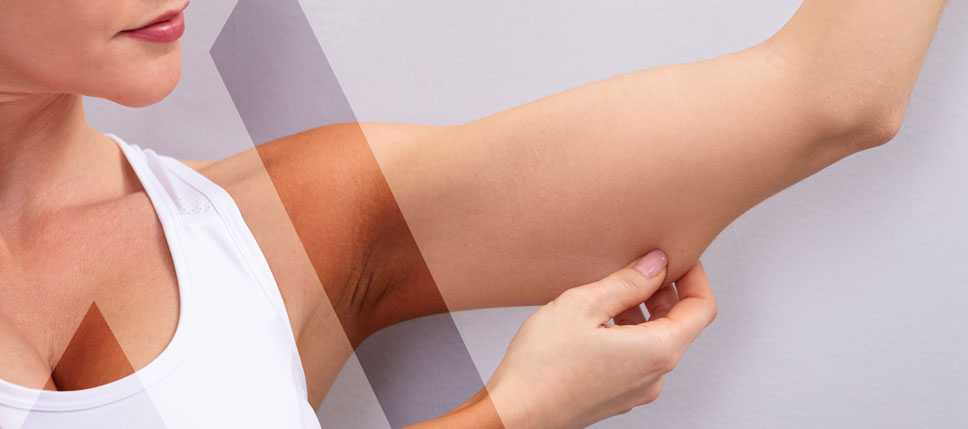
Loose skin on the arms can be uncomfortable: it can affect movement and clothing, and the skin in the fold can become irritated.
The arms are a very visible part of the body, and loose skin or excess fat there can make some people self-conscious; if the distress is severe, it is worth speaking to a doctor as well as considering surgery.
Exercise and a healthy diet are good for the muscles and for weight, but they cannot remove skin that has lost its elasticity.
An arm lift removes the loose skin, with a permanent scar.
Aram Clinic organises arm lift in Turkey with partner surgeons; no clinic can guarantee a result, so ask for the surgeon, the technique and the scar in writing.
Turkey is a well-known destination for medical tourism and cosmetic surgery.
Aram Clinic says it works with an advanced medical facility and trained staff; ask for the surgeon’s name and experience.
According to the clinic, its all-inclusive package allows an arm lift in Turkey at a price 50% lower than other countries such as the US, the UK and most European countries; check this against written quotes.
The clinic says the package covers a hotel room, medical bills and transportation with a single payment; ask for the exact list of inclusions and exclusions.
Aram Clinic invites you to request a free quote.
What is arm lift operation?
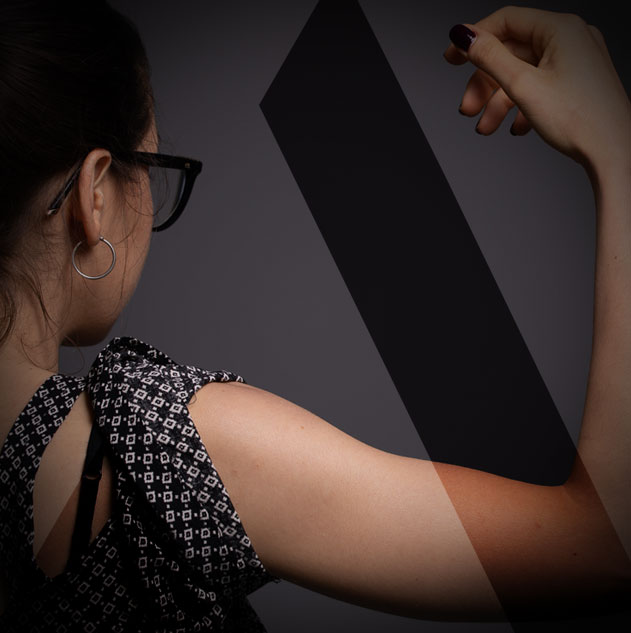
An arm lift is a cosmetic operation that removes loose skin, and sometimes fat, from the upper arm; the skin becomes loose with age or after losing a large amount of weight. It is usually considered when diet, exercise and other measures have not improved the loose skin.
What are the types of arm lifting operation?
There are mainly two families of technique, and the surgeon may choose between them, from mini to extended.
Full (standard or extended) arm lift.
This technique is used when the looseness is severe and extends from the armpit to the elbow, sometimes on to the chest; it needs a long incision along the arm (and sometimes a transverse component) to tighten the skin of the arm.
Limited (mini) arm lift.
This is used when the looseness is mild and limited to the upper part of the arm; it needs only a short incision, usually in the armpit.
What is an arm lift (brachioplasty) in Turkey and who is it for?
An arm lift in Turkey, medically called brachioplasty, is an operation carried out by a plastic surgeon in a Turkish hospital to remove loose, hanging skin, and sometimes fat, from the upper arms, and to tighten the tissue beneath, so that the arms have a smoother, firmer outline. It is mostly done on people who have lost a large amount of weight, after bariatric surgery or dieting, or whose skin has lost its elasticity with age, and who are left with a hanging fold (“bat wings”) that does not respond to exercise. The operation is done under general anaesthesia, takes about one to three hours, and needs one or two nights in hospital. The scar runs along the inner or the back of the arm and is the price of the result. Aram Clinic says it offers arm lift in Turkey with partner surgeons, in an all-inclusive package covering a hotel room, medical bills and transportation, at a price about 50 percent below other countries; these are the clinic’s own descriptions and should be verified in writing.
An arm lift is for adults whose weight has been stable for several months, who have loose arm skin that causes discomfort, rubbing or distress, who are in good health, who do not smoke and who understand the scar, the recovery and the risks. It is not a treatment for fat alone, which liposuction may treat if the skin is elastic, and it is not a weight-loss operation.
This page answers the questions people ask most: what an arm lift is for and what it cannot do, which types exist (mini, standard, extended, with liposuction), whether an “invisible” or scarless arm lift is real, who is a candidate, how much an arm lift costs in Turkey compared with the UK, what a package includes, whether it is safe, how the operation and recovery work, what the scar and the results look like, what the risks are, how it combines with a thigh lift, breast lift or tummy tuck after weight loss, how long to stay and what to check before you book. It draws on guidance from the NHS, the British Association of Aesthetic Plastic Surgeons, the British Association of Plastic, Reconstructive and Aesthetic Surgeons and the American Society of Plastic Surgeons, and on information supplied by Aram Clinic. It is general information, not medical advice: a surgeon must examine you before any operation.
Aram Clinic also publishes guides to thigh lift, tummy tuck, breast lift, liposuction, Brazilian butt lift and buttock augmentation. For a personal estimate, use the free express quote.
What are the key facts about an arm lift in Turkey at a glance?
| Question | Short answer |
|---|---|
| What does it do? | Removes loose skin (and some fat) from the upper arms and tightens the tissue. |
| Operation time | About 1 to 3 hours. |
| Anaesthesia | General anaesthesia (local with sedation for very limited lifts). |
| Hospital stay | Usually 1 to 2 nights. |
| Scars | Along the inner or back of the arm; length depends on the type; permanent. |
| Drains and garments | Drains in some cases; compression sleeves for several weeks. |
| Recovery | About 1 to 2 weeks before desk work; 4 to 6 weeks before strenuous upper-body exercise. |
| Final result | Swelling settles over about 3 to 6 months; scars mature over 12 to 18 months. |
| Time to plan in Turkey | About 5 to 8 days. |
| Main risks | Wide or visible scars, wound-healing problems, seroma, numbness from small nerves, asymmetry, lymph swelling. |
| Insurance | Cosmetic; NHS funding after major weight loss is limited; not covered abroad. |
These are typical ranges, not promises: your skin, your weight history and your healing decide the result. A short scar in the armpit and a long scar from armpit to elbow are very different operations.
If you remember only one thing: an arm lift trades loose skin for a permanent scar, and the longer the scar, the more skin is removed, so the choice of technique is a choice about scars.
Why do upper arms sag and what problems does an arm lift treat?
The skin on the inner and back part of the upper arm is thin and has a tendency to loosen. With age, the skin loses collagen and elastin and the supporting tissue weakens; after large weight loss, particularly after bariatric surgery such as a gastric sleeve or gastric bypass, the skin that was stretched by weight does not retract; heredity, sun damage and smoking also contribute. The result is a hanging fold of skin, sometimes with fat, that swings when the arm moves, which can cause rubbing and skin irritation in the fold, difficulty finding clothes with sleeves that fit and, for some people, distress about their appearance. Some descriptions say that saggy skin “can cause serious skin diseases very fast” and lead to depression and body dysmorphia; this exaggerates: loose skin can cause rashes and irritation in the fold, and feelings about appearance vary a lot; if distress about appearance is severe, it is worth speaking to a doctor as well as considering surgery.
An arm lift removes the loose skin and, to a degree, reshapes the arm. It does not build muscle, remove large amounts of fat or treat cellulite, and exercise cannot remove skin that has lost its elasticity, although it can improve the underlying muscle tone, which gives a better base for the result.
Ask the surgeon whether your problem is mainly skin, fat or both, and what each needs.
Tell the surgeon about your weight history and how long your weight has been stable.
What are the types of arm lift: mini, standard, extended and with liposuction?
| Type | Where the incision is | Best for | Notes |
|---|---|---|---|
| Mini (limited) arm lift | A short incision in the armpit, sometimes with liposuction. | Mild looseness in the upper part of the arm. | Shortest scar; limited effect; not for looseness down to the elbow. |
| Standard arm lift | From the armpit to the elbow along the inner or back of the arm. | Moderate to severe looseness along the whole upper arm. | The most common full operation; the scar is long but placed on the inner side where possible. |
| Extended arm lift | From the elbow along the arm and on to the side of the chest. | Severe looseness continuing on to the chest wall, often after major weight loss. | The longest scar; often combined with a breast lift or lower body surgery. |
| Arm lift with liposuction | As above, with liposuction. | Loose skin with excess fat. | Fat is reduced carefully to protect the blood supply of the skin. |
| Liposuction only | Tiny incisions. | Excess fat with good skin elasticity. | Does not tighten loose skin; see the liposuction guide. |
There are mainly two families of technique: a limited lift, for loose skin in a small area of the upper arm, which needs only a short incision in the armpit, and a full lift for severe looseness that extends from the upper arm to the elbow, which needs a longer incision along the arm and, in the extended version, a transverse component. These are sometimes described as “simple” and “full” lifts. The surgeon chooses the technique from your examination and the amount of skin to be removed. See the guide to liposuction in Turkey when fat is the main problem.
Ask which type is planned for you, where the scar will lie and how long it will be.
Is an “invisible” or scarless arm lift real?
Searches for “invisible arm lift Turkey” and “scarless arm lift Turkey” show that many patients hope to avoid a visible scar, and some clinics advertise “invisible” or “hidden” scars. The honest answer is that every arm lift that removes skin leaves a scar: the question is where it lies, how long it is and how well it heals. A short scar hidden in the armpit crease is possible only with a limited lift for mild looseness; for moderate or severe looseness, the scar must run along the arm, usually on the inner (medial) side where it is less visible when the arms are by your sides, or on the back of the arm. Surgeons try to place the scar on the inner arm or in the natural groove between the front and back of the arm, and to close it in layers with fine stitches, so that it heals well, but it is permanent and can widen, thicken, darken or migrate. The statement that the scar will disappear after about a year is not true: scars fade from red to pale over twelve to eighteen months, and may become flat and thin, but they do not disappear.
There are no reliable non-surgical methods to remove significant loose skin: radiofrequency, laser or devices may tighten very mild looseness, with modest and variable results. If you want to avoid a scar, ask whether liposuction alone or a mini lift could be enough for your case, and be realistic about what they can do.
Ask to see photographs of the scars of the surgeon’s own patients at twelve months or more.
Be wary of any promise of a scar-free arm lift for moderate or severe looseness.
Generally the best candidates for the surgery are people
who suffer from sagging in the inner part of the arm, who have lost their flexibility and
have skin deformities.
Other situations in which an arm lift may be considered include loose skin with accumulated fat, and loose skin after previous liposuction.
Also,people who lost weight very quickly, and this led to sagging of the
skin in the area of
the arms, and they did not benefit from other measures, such as practicing some appropriate
exercises or other simple means.
The person who wants an arm lift should be in good health, with chronic conditions such as diabetes or heart disease under control.
Arm lift surgery can be performed
alone or in combination with other
aesthetic procedures.
How to prepare for arm lifting surgery ?
Before the operation you must have a consultative meeting with your doctor to ensure that you do not have any diseases that prevent you from having the operation.
This appointment will also help the doctor explain to you the areas where skin can be removed on the arms and the types of techniques they are able to perform.
You must also have some other tests performed, such as :
- Comprehensive blood count.
- Blood chemistry test.
- Examination of the coagulation functions.
- Chest imaging.
- Electrocardiogram.
The doctor should be consulted about the medications that you should stop taking before the surgery, aside from that you must fast for about six to eight hours before the operation, as the anaesthetist instructs, and stop drinking alcohol for at least 48 hours.
Who is a good candidate for an arm lift and who should wait or avoid it?
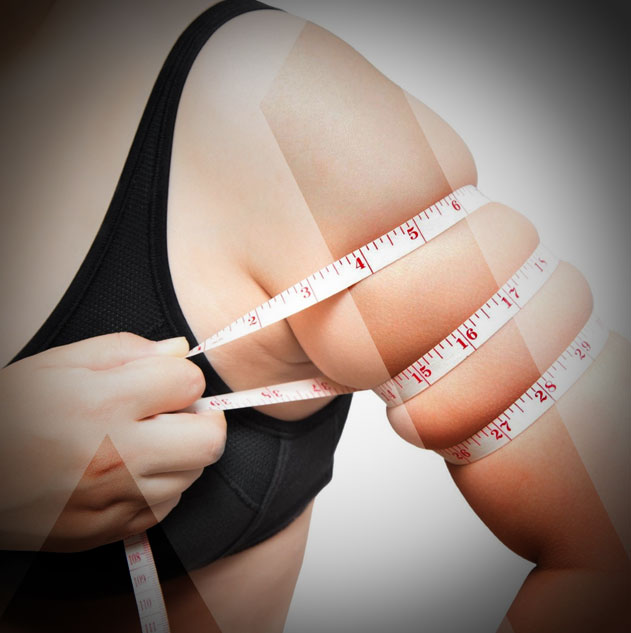
Generally the best candidates are healthy adults with loose, sagging skin on the inner and back of the upper arm, who have lost elasticity and have skin that does not respond to exercise, who have a stable weight, who do not smoke and who have realistic expectations. This includes people who lost a lot of weight quickly and are left with loose skin, those with accumulated fat and loose skin who have had liposuction before, and women whose skin has changed with age. Before surgery, the doctor checks that you do not have a condition that prevents the operation: uncontrolled medical conditions such as heart disease, high blood pressure and diabetes should be controlled first. Arm lift can be performed alone or with other aesthetic procedures.
An arm lift is postponed or avoided in people with a large amount of weight still to lose, uncontrolled medical conditions, bleeding or clotting disorders or a history of blood clots, active infection, a skin condition on the arms, smoking, poor nutrition (common after bariatric surgery and a cause of poor healing), pregnancy or breastfeeding, lymphoedema or previous breast surgery with lymph node removal on the same side (which raises the risk of arm swelling), and unrealistic expectations or distress about appearance. A responsible surgeon will tell you honestly if you should wait.
Tell the surgeon about your weight history, any bariatric surgery, previous breast or armpit surgery and medicines.
If you are still losing weight, wait: the result depends on a stable weight.
How much does an arm lift cost in Turkey compared with the UK and the US?
The price of an arm lift in Turkey depends on the type (mini, standard or extended), whether liposuction or other procedures are added, the surgeon and hospital, the length of the hospital stay, the compression sleeves and what the package includes. In general, quotes in Turkey are lower than in the UK, the US or most European countries for private patients, which explains searches such as “arm lift Turkey cost”, “arm lift surgery cost Turkey” and “how much is an arm lift in Turkey”. Aram Clinic states that its all-inclusive package, which covers a room in a hotel, your medical bills and your transportation with a single payment, allows an arm lift in Turkey at a price 50 percent lower than other countries such as the US, the UK and most European countries; the real difference depends on what you compare, so check the claim against a written quote and a quote from a surgeon at home. The claims that the clinic is “the top cosmetic clinic in all of Turkey” and has “truly unmatched” prices cannot be verified.
Compare like with like: the same type of arm lift, the same area of liposuction, the same hospital stay, the same anaesthetist, the same garments and the same terms for a revision. A very low price can mean an inexperienced surgeon, a rushed assessment, fewer nights of monitoring or no provision for wound problems. For a procedure that leaves a permanent scar, price should not be the first criterion.
What should a written arm lift quote include?
Operation : type of arm lift, scar position and length, liposuction if included.
Surgeon and hospital : names, specialty and licence.
Assessment : consultation, blood tests including nutrition if you have lost a lot of weight.
Anaesthesia and stay : general anaesthesia, nights in hospital.
Garments and medicines : compression sleeves, antibiotics, painkillers, clot prevention.
Follow-up : checks in Turkey and remote follow-up.
Travel services : transfers, hotel nights, interpreter.
Revision : terms and who pays, particularly for wound or scar problems.
Payment terms : deposit, refund conditions, currency.
Aram Clinic does not publish fixed prices on this page because the cost depends on your case: request a free express quote with photographs of your arms from the front, the side and the back.
What is included in an arm lift package and is it safe in Turkey?
An all-inclusive package is a single price intended to cover the main parts of the trip. Aram Clinic describes its package as covering a room in a hotel, your medical bills and your transportation with one single payment. A complete arm lift package may also include the consultation and tests, the operation, general anaesthesia, the hospital stay, compression sleeves, medicines including blood-clot prevention, transfers, an interpreter or coordinator and follow-up. “All-inclusive” has no legal definition, so ask for the list in writing and check what is excluded: liposuction, combined procedures, extra nights, treatment of wound problems or revision, and the companion’s costs.
Is an arm lift in Turkey safe? It can be, when performed by an experienced plastic surgeon in a licensed hospital on a suitable patient, with a proper assessment, anaesthesia with monitoring, a clot-prevention plan and follow-up. An arm lift is a moderate operation with a permanent scar in a visible area and a real rate of wound-healing problems, particularly after massive weight loss and in smokers. Safety depends on the patient’s health and nutrition, the surgeon’s training and experience with body contouring, the hospital and the aftercare, not on the country. A promise of a “guaranteed result” cannot be kept: no surgeon can guarantee how your skin will heal.
Ask how many arm lifts the surgeon performs each year and what the rate of wound or scar problems is.
Be wary of any clinic that promises a guaranteed result or a scar-free arm lift.
How do I prepare for an arm lift and which tests are needed?
Before the operation, you have a consultation with your doctor to make sure that you do not have a disease that prevents surgery. The surgeon examines your arms, pinches and measures the skin, takes photographs, discusses the areas of skin that can be removed and the techniques available, and explains where the scar will lie. You need some tests: a full blood count, blood chemistry, coagulation tests, and, depending on your age and health, a chest X-ray and an electrocardiogram; after major weight loss, tests for anaemia, protein, iron and vitamin levels matter, since poor nutrition slows healing. The doctor will tell you which medicines to stop before surgery, usually aspirin, ibuprofen and other anti-inflammatory drugs, vitamin E and fish oil, for about one to two weeks. You must fast before the operation, usually for six to eight hours, as the anaesthetist instructs, stop drinking alcohol for at least forty-eight hours and ideally longer, and stop smoking and all nicotine products well before and after surgery (many surgeons ask for four to six weeks), since smoking markedly increases wound complications.
Arrange a companion, loose front-opening tops with wide sleeves, pillows to sleep with your arms raised and time off work. Keep your weight stable. Send recent photographs, your weight history and your medical history in advance so that the surgeon can discuss the plan before you travel.
Ask for the consent form in English to read at home.
Plan help at home for the first days: lifting, washing and dressing are difficult with both arms bandaged.
The doctor will give you anesthesia before
performing arm lift
operations, whether it is
local or general anesthesia, after which the surgery will begin.
In the event that the
sagging is mild and in the upper arm area only, a transverse incision
is made in the armpit area, after which the doctor removes the excess skin, especially in
the deep areas of the arms.
The scar of this type is placed in the armpit, which hides it better; it fades over twelve to eighteen months, but it does not disappear completely.
If sagging is very severe, the doctor makes a transverse incision in the upper arm
and a
longitudinal incision from the upper arm to reach the elbow, and through this incision they
remove the accumulated skin.
After the excess skin is removed, the doctor closes the wound in layers, placing the scar as discreetly as possible on the inner side of the arm
The doctor will place a tube under the skin in order to
help get rid of the fluids that
accumulate after arm lift operations, the tube is then removed after a day or two.
The
doctor will end the operation by closing the wound in a tight manner, and uses a fine internal stitch under the skin, which helps the scar to heal neatly; it does not make it invisible.
Arm lift
operations require approximately one to three hours to complete, and you will need
to stay in the hospital for two or three days until you regains your comfort and your
condition is monitored.
What happens after the arm lift surgery?
In the first days after the operation, you may show some bleeding that is absorbed within two weeks, in addition to swelling that gradually decreases.
You must rest and not do strenuous work until ten days after the operation, after which you are able to return to work as before, you must avoid strenuous upper-body exercise and heavy lifting for about four to six weeks, with a gradual return to full activity at about two to three months, as your surgeon directs.
It is advised that you start wearing a special corset for the arms for six weeks after the operation.
Keep water away from the wounds as your surgeon advises, and do not soak the arms until the wounds have healed.
Pain relievers can be taken when needed, you need to visit your doctor as soon as you have any symptoms such as:
- severe pain.
- High temperature
- shortness of breath.
- Bleeding.
- Purulent discharge from the surgical incision.
How is an arm lift performed, step by step?
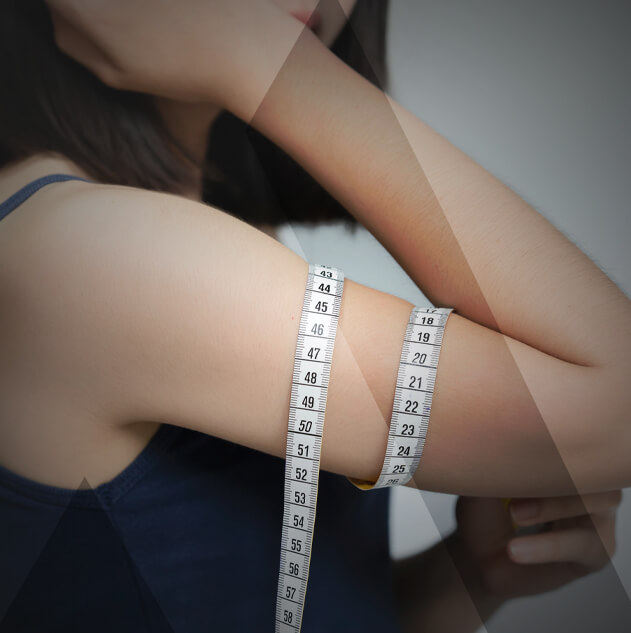
An arm lift takes about one to three hours, depending on the type and on whether liposuction is added, and is performed under general anaesthesia (a very limited lift can be done under local anaesthesia with sedation). The surgeon marks the skin to be removed with your arms raised, because the skin hangs differently when the arm is down. If the looseness is mild and confined to the upper arm, a short incision is made in the armpit and the surplus skin is removed through it; for moderate to severe looseness, the incision runs from the armpit along the inner or back of the arm, as far as the elbow, and in an extended lift, on to the side of the chest. The excess skin and, if needed, fat are removed, the deeper layer is tightened, the surgeon takes care to avoid the small nerves and the lymph channels of the inner arm, and the skin is closed in layers, with a deep stitch and a fine skin stitch that leaves the scar as neat as possible. A thin drain may be placed under the skin to collect fluid, usually removed after a day or two, and a compression sleeve is applied.
You wake up in the recovery room, usually with both arms bandaged, and stay in hospital for one or two nights, depending on the extent of the operation and your condition. You are helped to walk early and given painkillers and, if needed, medicines to prevent clots.
Ask which type and which scar position are planned, and whether drains will be used.
Keep the operative report for future doctors.
What is the recovery after an arm lift, week by week?
| Time | What to expect | What to do |
|---|---|---|
| Days 0 to 3 | Hospital; bandages and compression sleeves; drains in some cases; swelling, bruising and tightness; pain; difficulty using the arms. | Keep arms raised on pillows; walk often; take medicines; do not lift or reach overhead. |
| Days 4 to 14 | Swelling and bruising peak then decline; drains out; stitches inspected; arms feel tight. | Wear the sleeves; keep the wounds dry as advised; no driving until cleared; desk work after about one to two weeks. |
| Weeks 2 to 6 | Swelling persists; scars red; numbness or tingling on the inner arm. | Gentle walking; avoid heavy lifting and strenuous upper-body exercise; continue the garment. |
| Weeks 6 to 12 | Return to exercise as cleared; arms firmer. | Scar care as advised; avoid stretching the scars forcefully. |
| Months 3 to 6 | Swelling settles; shape clearer. | Review with the surgeon. |
| Months 6 to 18 | Scars soften and fade; they may stay wide. | Sun protection and scar care. |
In the first days, you may have bruising that is absorbed within about two weeks, and swelling that gradually declines. You must rest and avoid strenuous work for about ten days, after which you can return to desk work; avoiding exercise for six months, as sometimes advised, is longer than most surgeons require: upper-body exercise and heavy lifting are commonly restricted for about four to six weeks, with a gradual return to full activity at about two to three months, as your surgeon directs. You wear a compression sleeve or arm garment for about four to six weeks to reduce swelling. Keep water away from the wounds as advised by your surgeon, and do not soak the arms until the wounds have healed. Take painkillers when you need them. See your doctor immediately if you have severe pain, a high temperature, shortness of breath, bleeding or pus from the incision.
Call your surgeon or seek care if you have fever, spreading redness, pus, a wound that opens, an arm that becomes very swollen, tense, cold or blue, calf pain or breathlessness.
What results and scars can I expect from an arm lift?
Most patients with loose upper arm skin see a clear improvement in the contour of the arms, which look smoother and firmer, and many report less rubbing, easier clothing choices and more comfort with sleeveless tops, though the scar is often visible in short sleeves. The final result is judged at about three to six months. The scar is the trade-off: it is long (from the armpit to the elbow in a standard lift), it is red or pink and raised at first, and it fades over twelve to eighteen months to a paler line, but it does not disappear, and it can widen, thicken, become pigmented or move. The inner-arm scar is less visible with your arms by your sides, but shows when you raise your arms; some people dislike the look of a long scar more than they expected, and it is worth thinking about this before you decide. A degree of asymmetry is common. Results are not permanent: further weight change, ageing and gravity act again on the skin.
Searches for “arm lift Turkey before and after” are frequent: ask for a series of cases like yours, showing the scar, at six to twelve months or more, and with the same type of lift.
Keep your weight stable after surgery to keep the result.
Follow your surgeon’s advice on scar care and sun protection.
Arm lifting has a good success rate, but it also comes with risks: infection of the wound is possible, and is usually treated with antibiotics.
In some cases where inflammation of the operation site occurs, the scar may be more visible,
this requires another cosmetic procedure that can be done to hide it after a sufficient period
of arm lift operations.
Numbness may last for several days in the operation area and it is possible for blood clot or a
collection of fluids to occur within the skin of the arms, this is treatable using an
appropriate procedure to drain these fluids and secretions.
Some of these risks are common and some are uncommon; many are treatable if recognised early, and your doctor will go through them in detail when you meet. Others include wound breakdown, numbness from small nerves, lymphatic swelling and scars that remain wide.
What should I remember about an arm lift?
An arm lift can remove loose skin and the irritation that comes with it, but it leaves a permanent scar, results vary and it does not suit everyone.
Ask for the surgeon, the technique, the scar position and length, the revision policy and the aftercare in writing before you decide; Aram Clinic invites you to request a free quote.
What are the risks of an arm lift and which signs are urgent?
Arm lifting has a high rate of success, but it comes with risks, and it is not accurate to describe them as very rare. Possible problems include infection of the wound, which is usually treated with antibiotics; scars that are wide, thick, dark or visible, which may need further treatment; wound breakdown (the incision opening), delayed healing and, in some patients, a scar that moves; numbness, tingling or altered sensation, usually from small sensory nerves in the inner arm, which may last for weeks or months and occasionally persists; collections of blood or fluid (haematoma, seroma), which may need draining; blood clots; asymmetry; skin discolouration; lymphatic swelling (lymphoedema) of the arm, which is uncommon but can be long-lasting; irregularities of contour; loss of the result with weight change; and the need for revision. Complications of anaesthesia are also possible. Many of these are treatable if recognised early, which is why follow-up matters.
Fever, spreading redness, pus or severe pain : possible infection: contact your surgeon and seek care.
A wound that opens or oozes : contact your surgeon; wound problems need early care.
An arm that becomes very swollen, tense, cold, pale or blue : possible bleeding or circulation problem: seek urgent care.
Calf pain, swelling or warmth : emergency: possible clot.
Sudden shortness of breath, chest pain or fainting : emergency: call emergency services.
Persistent swelling of the whole arm : see your surgeon: possible lymphatic problem.
You can reduce risks by choosing an experienced surgeon, a stable and healthy weight, good nutrition, stopping smoking, wearing the sleeves, walking early and following the aftercare.
If you develop a symptom after you return home, treat it as urgent: go to a hospital, tell them you had an arm lift abroad and show your operative report, and contact the surgeon as well.
Can an arm lift be combined with a thigh lift, a breast lift or a tummy tuck after weight loss?
Yes, and after major weight loss patients often need more than one area treated, as shown by searches such as “arm and thigh lift Turkey”. An arm lift is commonly combined or staged with a thigh lift, a tummy tuck or lower body lift, a breast lift (the extended arm lift continues on to the side of the chest, so it often goes with breast surgery) and liposuction of other areas. The advantages of combining are one anaesthetic and fewer recovery periods; the disadvantages are a longer operation and a higher risk of blood clots, wound-healing problems and other complications as the duration and the area increase. Responsible surgeons limit the length of an operation, commonly to under about six hours, and stage procedures over several operations a few months apart. After an arm lift, you cannot easily use your arms, which makes recovery from an operation on another area more difficult: it is worth planning the order carefully, for example doing the arms and the abdomen at different times.
A realistic plan for someone who has lost a lot of weight may involve two or three operations over a year or more. Ask the surgeon to explain the order and the timing, and whether the plan could be spread across more than one visit, since a short stay in Turkey can push towards combining more than is safe.
Combined operations lengthen the stay before you can fly.
A staged plan is usually safer than a single very long operation.
Is an arm lift funded after massive weight loss?
In some health systems, body-contouring surgery after massive weight loss, including an arm lift, is funded when the loose skin causes recurrent skin problems or functional difficulties and when defined criteria are met. In the UK, NHS funding varies by area, is usually limited to patients who have had massive weight loss, whose weight has been stable for a period (often at least a year) and who have documented problems such as recurrent infection or skin breakdown, and it is often rationed; arm lifts for appearance alone are generally not funded. In the US, insurers may cover contouring that is medically necessary and documented. Funding does not cover treatment abroad. If you have had bariatric surgery, ask your bariatric team about the local criteria before paying for private surgery.
Because funding may depend on documented symptoms and waiting times, some patients choose private surgery at home or abroad; keep records of your weight history, photographs and any skin problems in case they are needed later.
Ask your GP or bariatric team about the local criteria, and keep the records.
Criteria change from year to year: check the current policy.
How long should I stay in Turkey for an arm lift and when can I fly home?
Plan about five to eight days in Turkey: the consultation and tests, the operation, one to two nights in hospital, a check the next day or two, the removal of drains if used and a final check before you leave. For combined operations, plan longer. The surgeon decides when you can fly, usually when drains are out, the wounds are healing, you can use your arms for simple tasks and there is no sign of infection, bleeding or a clot; many surgeons advise waiting at least five to seven days. Flying after surgery carries a small blood-clot risk: wear compression stockings and your sleeves, walk around the cabin every hour, drink water, take any clot-prevention medicines prescribed and ask for an aisle seat. You cannot lift luggage or reach overhead: arrange help at the airport and ask the airline to put your bag in the hold with assistance. Flights to Istanbul take about three and a half to four hours from the UK and Western Europe and around nine to eleven hours from the US East Coast. Check the current visa or e-visa requirements for Turkey on the official government sites before you book, and make sure your passport is valid for the whole stay.
Take a companion, since dressing, bathing, carrying luggage and using the toilet can be difficult in the first days with both arms bandaged.
When you arrive home, arrange to see your doctor or a surgeon within the first week or two, and bring the operative report.
Do not book a non-refundable flight before the surgeon has confirmed the date.
How do I choose the best arm lift surgeon in Turkey, and what do reviews tell me?
| What to check | Why it matters | How to verify |
|---|---|---|
| Surgeon’s body-contouring experience | Scar placement and technique decide the result. | Name, plastic surgery specialty, registration, number of arm lifts per year. |
| Technique and scar explained | The type of lift is a choice about scars. | Written explanation; where the scar lies and how long it is; refusal to promise a scarless lift. |
| Photographs of their own results with scars | Results vary between surgeons. | Cases like yours at 6 to 12 months or more, showing the scars. |
| Assessment of weight and nutrition | Poor nutrition slows healing. | Blood tests; stable weight confirmed. |
| Hospital licence and monitoring | Surgery needs a proper facility. | Licence from the Turkish Ministry of Health; anaesthetist identified. |
| Staging and honest advice | Overlong combinations raise risk. | The surgeon proposes stages and refuses unsafe combinations. |
| Aftercare and revision terms | Wound and scar problems appear after you return. | Written plan, contact available, revision terms. |
Searches such as “best arm lift surgeon Turkey” are frequent, and so are the marketing answers: there is no reliable public ranking of Turkish surgeons, and “top 10” lists are often written or sponsored by clinics or agencies. Ask for before-and-after photographs of patients like you, with the scars, at six to twelve months or more, and compare at least two proposals. Reviews and photographs of body contouring are often selected, edited or sponsored, and early photographs show swelling rather than the scars that develop later. A second opinion from a surgeon in your own country on the plan and the scar is a sensible precaution. Aram Clinic says it works with an advanced medical facility and a highly trained team: ask for the surgeon and the hospital by name in writing and verify them yourself.
A surgeon who shows you the scars, explains the complication rate and refuses to promise a scarless result is more trustworthy than one who promises the body of your dreams.
What are the downsides of having an arm lift abroad and does insurance cover it?
The main limits concern follow-up. Wound and scar problems after an arm lift typically appear in the second and third weeks, when most people have already flown home, and a wound that opens, a collection of fluid or an infection will have to be dealt with by your local doctors, some of whom are reluctant to take responsibility for an operation done elsewhere. A revision of a wide scar usually has to wait at least six to twelve months and may mean another trip or paying for surgery at home. A long journey soon after surgery increases the risk of blood clots, and complications abroad are stressful and expensive. Legal recourse is more complicated across borders, and language and documentation differences can create misunderstandings.
Cosmetic arm lift is not covered by public health systems or most insurance, except in the situation of massive weight loss described above, and funding does not cover treatment abroad; travel insurance usually excludes planned cosmetic surgery and its complications, so a specialist policy is needed, and you must read the exclusions. In the UK, the NHS provides emergency and necessary care but does not usually fund cosmetic revisions, and some private surgeons are reluctant to treat complications from surgery done abroad or charge for it. Before you travel, ask the clinic in writing what happens if a wound breaks down or you need a revision: who treats it, where, how much you pay and whether travel is covered.
Identify a surgeon or doctor at home who will see you in the first weeks, and keep every document: the quote, consent form, operative report, medicines list and photographs.
If you cannot arrange these, or if your case is complex, having the operation at home may be the safer choice, even at a higher price.
Should I use a medical tourism agency, and how do I plan the trip and the process with Aram Clinic?
Some patients use agencies that organise the trip and introduce them to a clinic, often through social media or messaging apps. This can simplify logistics, but it creates a conflict of interest when the agency is paid a commission by the clinic: its incentive is to sell a package. An agency is not a surgeon and cannot replace a consultation. Warning signs include fixed prices before any assessment of your photographs, promises of guaranteed or scarless results, pressure to book quickly and the refusal to name the surgeon. Ask for the contract in writing, naming the clinic and the surgeon, and ask Aram Clinic what its exact role is and how complaints are handled.
Plan five to eight days, choose a hotel near the hospital with a lift, bring a companion and pack loose front-opening tops with wide sleeves, compression stockings and your medicines. Aram Clinic describes a simple journey: you request a free quote online with photographs and your weight and medical history; the medical team reviews them and a surgeon or coordinator discusses your case, usually by video; you receive a written proposal and decide without pressure; you travel and are met on arrival; after the consultation and tests, the operation takes place at the partner hospital; and you return home with a medical report and a plan for follow-up, with remote contact. These are the clinic’s own descriptions: check that the surgeon and the hospital are named in writing, that the technique and the scar are explained and that the quote lists what is included.
The first step is simple: complete the free express quote with your photographs, or learn more about Aram Clinic.
A responsible team will tell you if an arm lift is not the right operation for you, or if you should wait for a stable weight.
What aftercare do I need at home and what questions should I ask before booking?
Aftercare begins before you leave, with written instructions on the sleeves, wound care, drains, activity, medicines and warning signs. At home, wear your compression sleeves as advised, keep your arms raised on pillows when resting, walk daily, avoid heavy lifting, overhead reaching and strenuous upper-body exercise for four to six weeks or as your surgeon advises, keep the wounds clean and dry, attend a check-up with a local doctor within the first week or two and report any wound problem promptly. Use the scar care your surgeon recommends once the wounds have healed, protect the scars from the sun for at least a year, keep a stable weight and do not smoke.
Do I need an arm lift : has a surgeon examined my skin and compared liposuction, and checked my weight stability?
Which type and where is the scar : how long will it be, and can I see photographs?
Who will operate and in which hospital : how many arm lifts do they perform each year, and what is their wound-problem rate?
What are the risks in my case : including wound breakdown, numbness and clots?
Should this be staged : if I need several areas treated?
How long should I stay : and when will the surgeon clear me to fly?
What is included in the quote : extra nights, wound care, revision?
Who will see me at home : have I arranged a surgeon or doctor for wound care?
Write your questions down and ask for the answers in writing. Take your time: an arm lift is a planned operation that can be prepared over weeks, and no discount is worth deciding under pressure. A second opinion from a surgeon in your own country is a sensible precaution.
A team that examines you, shows you the scar, explains the risks and advises against surgery when it is not appropriate is more trustworthy than one that promises a guaranteed result at the lowest price.
Arm lift in Turkey: a technique chosen as a decision about the scar first, a stable weight and an experienced body-contouring surgeon second, the price last
An arm lift in Turkey removes loose upper-arm skin, and sometimes fat, through a scar that runs from a short armpit incision in a mini lift to the full length of the inner or back arm, and on to the chest in an extended lift, in one to three hours under general anaesthesia, with one to two nights in hospital, a stay of about five to eight days, compression sleeves for four to six weeks and a result judged at three to six months. It is for people with a stable weight, usually after major weight loss, whose loose skin causes rubbing or distress. The scar is permanent: it fades over twelve to eighteen months but does not disappear, “invisible” and scarless arm lifts are not real for moderate or severe looseness, and liposuction suits only excess fat with elastic skin. Risks include wide or visible scars, wound-healing problems, seroma, numbness from small nerves, asymmetry, lymphatic swelling and blood clots, so the surgeon’s body-contouring experience, good nutrition, a stable weight, no smoking, a clot-prevention plan and wound-care follow-up at home matter more than the price. After weight loss, arms are often treated with the thighs, breasts and abdomen, which is safer in stages. Quotes in Turkey are lower than in the UK or the US and packages bundle the hotel, fees and transfers, but wound and scar problems appear after you are home, funding after massive weight loss does not cover treatment abroad, and cosmetic surgery abroad is not covered by insurance.
Before booking, send photographs of your arms and your weight history for a remote assessment, ask which type of arm lift and where and how long the scar will be, how many arm lifts the surgeon performs each year, what their wound-problem rate is, whether staging is advised, what the quote includes and who will see you after your return. If your project is ready, the next step is to send your photographs to the Aram Clinic team through the free express quote, so that they can review your case and propose a written plan that you can discuss with a surgeon of your own choice, without pressure.
Official sources to consult
This page draws on the sources below. Guidelines and rules change: always consult the current version and your own surgeon’s advice.
NHS : nhs.uk : advice on cosmetic procedures and cosmetic surgery abroad; information on surgery after weight loss.
British Association of Aesthetic Plastic Surgeons (BAAPS) : baaps.org.uk : patient information on body contouring and surgery abroad.
British Association of Plastic, Reconstructive and Aesthetic Surgeons (BAPRAS) : bapras.org.uk : patient guidance on body contouring after weight loss and choosing a surgeon.
American Society of Plastic Surgeons (ASPS) : plasticsurgery.org : patient guide to arm lift (brachioplasty) and safety.
British Obesity and Metabolic Surgery Society (BOMSS) : bomss.org : guidance on body contouring after bariatric surgery.
Joint Commission International : jointcommissioninternational.org : international accreditation (verify any claim on the accreditor’s site).
Republic of Türkiye Ministry of Health : saglik.gov.tr : licensing of health facilities and health tourism.
UK Government and US State Department travel advice : gov.uk and travel.state.gov : entry requirements and health travel advice.