+44 20 7903 7116


 +44 20 7903 7116

Many people would like to change the shape of their body, and the buttocks are among the areas most often asked about.
Exercise and diet are good for the muscles and for overall weight, but they cannot add fat where there is little, and some people are unable to follow strict programmes for physical or psychological reasons.
Aram Clinic organises BBL in Turkey with partner surgeons, as one option for reshaping the buttocks with your own fat.
The BBL is one of the cosmetic operations requested at the clinic; ask for the surgeon’s own experience and complication rate.
A BBL can improve the shape and volume of the buttocks, but it is a higher-risk operation with specific safety rules, and it cannot be described as risk-free.
Aram Clinic invites you to request a free quote.
A BBL requires an experienced surgeon, a well-equipped hospital and a clear safety plan.
Aram Clinic says it works with a modern clinic and a medical team; no clinic can guarantee your satisfaction, so ask for the surgeon’s name and experience.
The clinic also offers an all-inclusive package; compare it with written quotes.
According to Aram Clinic, a BBL in Turkey costs about 50% less than in other countries; its all-inclusive deal covers:
- Medical fees.
- A hotel room.
- Medical transportation.
Ask for the exact list of inclusions and exclusions, and check the surgeon and the hospital yourself.
What is a BBL ?
The Brazilian butt lift has become very popular; it augments the buttocks and improves their shape using your own fat.
BBL stands for “Brazilian Butt Lift”, It is a surgical
procedure that reshapes the buttocks
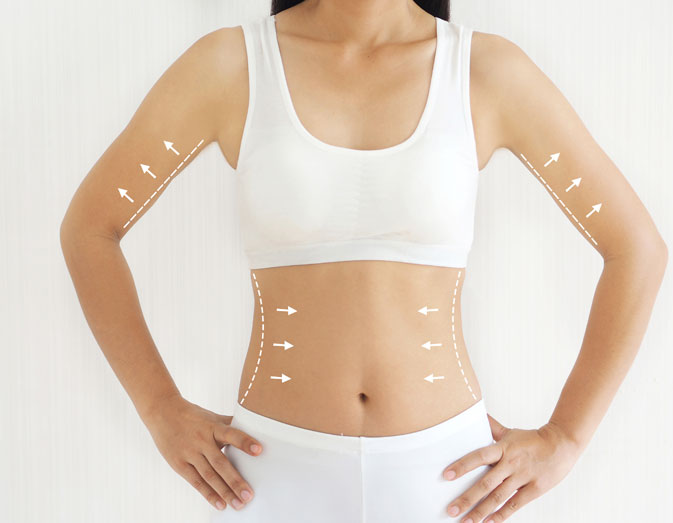
by transferring fat from another part of the patient's body like the abdomen, thighs or hips
to the buttock area.
The amount of fat harvested and injected varies; the injected volume per buttock is usually a few hundred millilitres, and larger volumes increase the risks. Fat is extracted
from one part of the body and injected into the buttocks.
A BBL can slim the areas where fat is taken and add volume and shape to the buttocks.
The fat is harvested by liposuction (conventional, water-assisted or ultrasound-assisted, depending on the surgeon) from different parts of the body, processed and injected into the buttocks to give more volume and a more shapely contour.
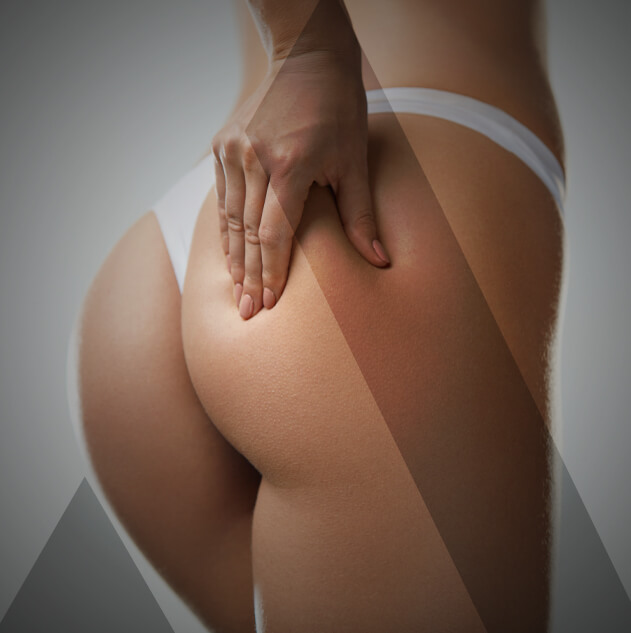
What are the advantages of a Brazilian butt lift ?
Fat that survives is long-lasting, but not guaranteed for life: part of the injected fat is reabsorbed, and weight gain and loss, pregnancy and ageing change the result.
It can make the skin look a little smoother because it is stretched over a larger volume, but it does not tighten loose skin or remove stretch marks.
It does not treat cellulite, which is caused by fibrous bands under the skin and may look better or worse after surgery.
Who is the best candidate for a Brazilian butt lift ?
The ideal candidate is a healthy adult whose buttocks have lost shape or volume through age, weight loss or genetics and who has enough fat on the abdomen, flanks, back or thighs to harvest.
You should be a non-smoker, have a stable and healthy weight and lead a healthy lifestyle, including regular exercise.
In addition, you should not have any medical complications resulting
from
any surgery and be
willing to follow the post-operative care required after BBL.
What is a BBL (Brazilian butt lift) in Turkey and who is it for?
A BBL, or Brazilian butt lift, in Turkey is an operation carried out by a plastic surgeon in a Turkish hospital in which fat is taken from other parts of your body by liposuction, usually the abdomen, flanks, back or thighs, processed and injected into the buttocks to increase their volume, shape and projection, and to slim the areas where the fat was taken. It uses your own tissue rather than an implant, takes about three to five hours under general anaesthesia, and means one or two nights in hospital. It is one of the most requested cosmetic operations in Turkey and one of the most technically demanding and highest-risk operations in cosmetic surgery, mainly because of one rare but very serious complication, fat entering the veins of the buttock, which is why international plastic surgery societies have published specific safety rules for it. Aram Clinic says it offers BBL in Turkey with partner surgeons, in an all-inclusive package covering a hotel room, medical fees and medical transportation, at a price about 50 percent lower than other countries; these are the clinic’s own descriptions and should be verified in writing.
A BBL is for adult women (and some men) in good health who have enough fat on the body to harvest, whose buttocks have lost shape or volume or who want more shape, who have a stable weight, who do not smoke and who understand both the benefits and the risks. It is not a weight-loss operation, it does not suit very thin patients who have little fat, and it is not a replacement for exercise.
This page answers the questions people ask most: how a BBL works and what the safety rules are, whether BBL in Turkey is safe, how much fat is used and how much survives, what a “skinny BBL”, a mini BBL and a “non-surgical” or “liquid” BBL really are, how a BBL differs from implants, who is a candidate, how much a BBL costs in Turkey compared with the UK, what a package includes, how the operation and the recovery work (including why you cannot sit normally for weeks), what the results look like, what the risks are, how to travel, how to choose a surgeon and what to check before you book. It draws on guidance from the NHS, the British Association of Aesthetic Plastic Surgeons, the International Society of Aesthetic Plastic Surgery, the American Society of Plastic Surgeons and the Aesthetic Surgery Education and Research Foundation, and on information supplied by Aram Clinic. It is general information, not medical advice: a surgeon must examine you before any operation.
Aram Clinic also publishes guides to buttock augmentation with implants, liposuction, Vaser liposuction, tummy tuck, thigh lift and arm lift. For a personal estimate, use the free express quote.
What are the key facts about a BBL in Turkey at a glance?
| Question | Short answer |
|---|---|
| What is it? | Liposuction of other areas, then injection of your own fat into the buttocks. |
| Operation time | About 3 to 5 hours. |
| Anaesthesia | General anaesthesia. |
| Hospital stay | Usually 1 to 2 nights. |
| Fat survival | Often about half to two-thirds of injected fat survives; wide variation. |
| Typical result | A moderate, natural-looking increase; very large volumes are neither safe nor reliable. |
| Safety rule | Fat must be injected only into the fat layer under the skin, never into or below the muscle. |
| Recovery | No sitting or lying directly on the buttocks for several weeks; compression garment for 2 to 6 weeks. |
| Time to plan in Turkey | About 7 to 10 days. |
| Final result | Judged at about 6 to 12 months. |
| Main risks | Fat embolism (rare, very serious), infection, fat necrosis, asymmetry, seroma, clots, contour irregularities. |
| Insurance | Cosmetic; not covered by public systems; check travel insurance. |
These are typical ranges, not promises: your body, your fat and your surgeon’s technique decide the result and the risk.
If you remember only one thing: a BBL is a higher-risk operation, so the surgeon’s technique, the volume injected and the safety rules matter more than any price or package.
How does a BBL work, step by step?
A BBL has three stages. First, harvest: the surgeon infiltrates the donor areas with tumescent fluid and removes fat by liposuction, taking care to treat the areas in a way that improves your contour, such as the abdomen, flanks and back; the fat is usually collected with standard or water-assisted liposuction, and some surgeons use ultrasound-assisted techniques (searches mention “Vaser BBL”), with the choice depending on the surgeon. Second, processing: the fat is washed, filtered or decanted so that purified fat is kept and blood, oil and fluid are removed. Third, injection: the fat is injected into the buttocks through small incisions, using long cannulas and many small passes, in the layer of fat directly under the skin (the subcutaneous layer), shaping the buttocks and building projection. The injected volume is divided, so that no one place receives too much, because fat needs blood supply from surrounding tissue to survive. The incisions are closed with a stitch or tape, and a compression garment is placed over the donor areas, with care not to press on the buttocks.
Some descriptions say that the fat is injected through a large cannula connected to a “fat transfer pump”, with a “hydraulic” process, or that the operation first injects and then removes fat; the exact equipment varies, and what matters are the rules about where the fat is placed, not the name of the system. The amount of fat injected into the buttocks is typically a few hundred millilitres per side; figures of 800 to 1,500 millilitres sometimes quoted refer to the fat harvested, or to the total injected, and very large injected volumes increase the risks.
Ask which technique is used to harvest and process the fat, and how much will be injected into each buttock.
Keep the operative report, with the volumes, for your own doctors.
Why is a BBL considered a higher-risk operation and what are the safety rules?
The Brazilian butt lift carries a particular danger that most other cosmetic operations do not. The buttocks contain large veins that lie in and under the gluteal muscle. If fat is injected into or below the muscle, a cannula can pass through the wall of a vein and the fat can enter the bloodstream, travel to the lungs and heart and block the circulation, a complication called fat embolism. It is rare, but it is sudden, it cannot be reversed and it is a medical emergency; for several years, studies of surgeons, medical societies and health authorities have found that the BBL carries a higher risk of serious complications than other aesthetic operations, and professional bodies in the UK, the US and internationally have issued warnings and, in some cases, recommended that surgeons stop performing certain forms of the operation. The risk is not eliminated by the country or the price of the clinic: it depends on the surgical technique.
International task forces, including the Aesthetic Surgery Education and Research Foundation, ISAPS and the ASPS, have issued safety recommendations that surgeons should follow: inject fat only into the subcutaneous layer, never into or below the gluteal muscle; use larger cannulas (not very thin ones) that do not easily penetrate muscle or veins, and direct them in a way that keeps the tip in the fat; avoid pointing the cannula downwards towards the muscle; use ultrasound guidance in the operating room to see the position of the cannula, where possible; limit the volume of fat injected and the total amount of liposuction in a session; and avoid combining a BBL with other long operations. These recommendations are not a guarantee, but a surgeon who does not know them or does not follow them should not operate on you.
Ask your surgeon, in writing, how they prevent fat from entering the muscle and the veins, whether they use ultrasound guidance and what cannula size they use.
Refuse any surgeon who cannot or will not answer these questions.
Is a BBL in Turkey safe and what should I check?
A BBL can be done with acceptable safety by an experienced plastic surgeon following the safety rules, in a licensed hospital with intensive care, a monitored recovery and a clear plan for emergencies; but no surgeon or clinic can make it risk-free, and the claim that a BBL is “safe and highly efficient” without qualification should be treated with scepticism. In Turkey, as elsewhere, safety does not depend on the country: it depends on the surgeon’s technique and training, the volumes, the facility and the follow-up. Searches such as “is it safe to have a BBL in Turkey” and “safe BBL Turkey” reflect real worries. Things that make a difference are a surgeon who is a qualified plastic surgeon with extensive experience of BBL and who explains the safety rules; a hospital with anaesthesia, intensive care and a blood bank; moderate volumes and a plan that does not combine too many procedures; a stay long enough for early problems to appear before you fly; and a plan for clots and for follow-up at home. Warning signs include a package quoted from photographs alone, a “celebrity” body promised in a fixed price, many procedures in one day and pressure to book quickly.
The statement that a BBL has a “95 percent success rate” has no standard meaning: success is not defined, and no reliable public figure applies to a particular surgeon. Be sceptical of any single number, and ask instead about the surgeon’s own complication rate and revision rate.
Ask how many BBLs the surgeon performs each year and whether they follow the international safety recommendations.
A cheaper operation is not a bargain if it ignores the rules that keep you safe.
How much fat survives and do BBL results last for life?
Not all of the injected fat survives. In the weeks after surgery, part of the fat is absorbed by the body; surgeons often quote survival of about fifty to seventy percent, with wide individual variation, and some plan to inject slightly more than the final volume wanted, within the limits that the tissue and safety rules allow. The buttocks look largest in the first weeks, because of swelling and the fat not yet absorbed, and settle to their final shape at about six to twelve months. Fat that survives becomes part of your body and behaves like the rest of your fat: it is generally long-lasting, but it is not “lifelong” in any guaranteed sense, since it changes with weight gain or loss, pregnancy and ageing; large weight changes can reduce or increase the result. For many women, a BBL is a maintenance of weight, not a one-off.
Because survival is unpredictable, some women do not get the size they hoped for and ask for a second session; a second session may increase the cumulative risk and cost. A good surgeon plans a natural result and explains that the final volume cannot be guaranteed. See the guide to buttock augmentation with implants for the alternative when more volume is wanted.
Ask the surgeon what proportion of the fat they expect to survive in their own patients and what they would do if the result is smaller than hoped.
Keep your weight stable after surgery to keep the result.
What can a BBL not do: cellulite, stretch marks and skin tightening?
Some descriptions say that a BBL makes the skin of the buttocks tighter and smoother, gets rid of some of the stretch marks and treats cellulite. This is not accurate. A BBL adds volume under the skin and reshapes the contour; it does not remove stretch marks, and does not treat cellulite, which is caused by fibrous bands under the skin and which may look better or worse after the operation depending on how the fat is placed and the quality of the skin. Filling the buttocks with fat can make the skin look a little smoother because it is stretched over a larger volume, and liposuction of the surrounding areas can improve the contour, but these are side effects, not treatments. Loose skin on the buttocks or thighs is not tightened by fat; a thigh lift or a lower body lift may be needed. See the guides to thigh lift and tummy tuck.
A BBL also does not remove the need to look after your weight and your fitness: the buttock muscle, which determines much of the natural shape, is not changed by fat, and exercise remains the best way to improve it.
Ask the surgeon what results to expect for your skin, including cellulite and stretch marks.
Beware of promises that a BBL will “treat” cellulite or stretch marks.
What is a skinny BBL, a mini BBL or a male BBL?
The term “skinny BBL”, searched for in Turkey, refers to a Brazilian butt lift in a slim or thin patient. The difficulty is that a BBL needs fat to harvest, and a thin patient has little; the surgeon may be able to harvest a modest amount from the abdomen, flanks, back and thighs, which limits the volume that can be injected, and the gain is small. In very thin patients, the risks of injecting fat near muscle are higher because there is little fat in the buttock to receive the graft, so surgeons following the safety rules inject a smaller volume, and an implant may be a better choice, or a combination (see the buttock augmentation guide). A “mini BBL” uses a smaller volume of fat for a subtle change, which is lower risk and suits women who want a modest improvement. A “male BBL” is the same operation in men, who generally have firmer fat, a different pattern of body fat and the same safety considerations.
A responsible surgeon will tell a slim patient honestly what a BBL can achieve, which is modest, and may advise against surgery or suggest implants.
Ask how much fat can realistically be harvested from you, and what the expected change is.
Do not gain weight to qualify for a BBL: weight gain before surgery undoes the point and the result can be lost.
What are “non-surgical BBL” and “liquid BBL” and are they the same?
Searches for “non-surgical BBL Turkey” and “liquid BBL Turkey” refer to injections of fillers, usually collagen-stimulating products or hyaluronic acid, into the buttocks to add volume without surgery. They are not Brazilian butt lifts, since no fat is transferred, and the results are different: the volume is modest and temporary (fillers are reabsorbed over months to a couple of years), the number of syringes needed for a visible effect is large and costly, and there are risks, including infection, nodules, asymmetry and, rarely, blockage of blood vessels. Some products used for this purpose are not approved for use in the buttocks in some countries, and injections of unregulated substances, silicone or other materials in the buttocks have caused serious harm and are dangerous and should be avoided. Only approved products, used by a qualified doctor, should be considered, and the promise of a “BBL without surgery” should be treated with caution. See the guide to hyaluronic acid fillers in Turkey.
If you want a lasting change in shape, surgery with fat or an implant is the established route, and has its own risks; non-surgical options give a small, temporary effect.
Ask which product is used, whether it is approved for the buttocks and how long it lasts.
Never accept injections of an unnamed or non-approved substance.
BBL, buttock implants or both: which is right for me?
| Your situation | Usual answer | Why |
|---|---|---|
| Enough body fat, wants a natural, moderate increase | BBL | Uses your own tissue; moderate volume. |
| Thin, little fat, wants a noticeable increase | Implants (or both) | Implants add volume that fat cannot; see the buttock augmentation guide. |
| Wants a very large increase | Implants, with caution | BBL volumes are limited by safety and survival. |
| Loose skin after weight loss | Lift procedures with or without fat | Fat does not tighten skin. |
| Wants to avoid implants | BBL | No foreign material, but fat survival varies. |
A BBL has the advantage of no foreign material and a slimming effect on the areas where fat is taken, but its volume is limited and unpredictable, and the safety considerations are specific. Buttock implants give a predictable volume in thin patients, with their own risks, such as capsular contracture, implant movement, infection and wound problems. Some surgeons combine implants and fat. The right choice depends on your body, your goals and the surgeon’s experience. See Aram Clinic’s guide to buttock augmentation in Turkey.
A good surgeon will present both options honestly, including the risks, and will not suggest the one that is easiest to sell.
Who is a good candidate for a BBL and who should wait or avoid it?
The ideal candidate is an adult in good health whose buttocks have lost shape or volume through age, weight loss or genetics, who has enough fat on the abdomen, flanks, back or thighs to harvest, who does not smoke, who has a stable weight and a healthy lifestyle, who has had no medical problems that increase the risk of surgery and who is willing to follow the post-operative care, in particular not sitting on the buttocks for weeks. A surgeon assesses your body fat, your skin, your medical history and your expectations, and explains what is realistic.
A BBL is postponed or avoided in people who are very thin, with uncontrolled medical conditions, bleeding or clotting disorders or a history of blood clots, a high body mass index that increases the anaesthetic risk, who smoke, who are pregnant or planning pregnancy soon, who have unrealistic expectations or distress about their appearance, or who cannot take the weeks of recovery required, including the travel. A responsible surgeon will tell you honestly if a BBL is not suitable, and may propose a different operation or advise against surgery.
Tell the surgeon about clots, anaemia, medicines, hormones, previous surgery and your plans for pregnancy.
Plan the recovery before you book: work, travel and who will help you.
How much does a BBL cost in Turkey compared with the UK, the US and other European countries?
The price of a BBL in Turkey depends on the amount of fat to be harvested and the number of donor areas, the volume injected, the technique, the surgeon and hospital, the length of the hospital stay, the compression garments and what the package includes. In general, quotes in Turkey are lower than in the UK, the US, Canada, Australia and countries such as Germany, Italy, Spain, the Netherlands and Poland for private patients, which explains searches such as “BBL Turkey price”, “how much is a BBL in Turkey”, “BBL cost Turkey” and comparisons such as “BBL Turkey vs UK” and “why is a BBL cheaper in Turkey”. Aram Clinic states that its BBL in Turkey costs 50 percent less than in other countries, because its all-inclusive deal covers your medical fees, a hotel room and medical transportation; the real difference depends on what you compare, so check the claim against written quotes. The description of the clinic as “one of the number one cosmetic clinics in Turkey and in the world” is not something that can be checked and is not a reason to choose.
Compare like with like: the same donor areas, the same technique, the same injected volume, the same hospital stay and the same terms for a revision. A very low price can mean a less experienced surgeon, a high-volume schedule, a rushed assessment, fewer nights of monitoring, or a plan that ignores the volume and technique limits that protect you. For an operation with specific serious risks, price should be the last criterion.
What should a written BBL quote include?
Operation : donor areas, fat processing, injection technique, expected volume.
Safety plan : statement that fat is injected in the subcutaneous layer only; cannula size; use of ultrasound guidance.
Surgeon and hospital : names, specialty and licence; intensive care access.
Assessment : consultation, blood tests, anaesthetic assessment.
Anaesthesia and stay : general anaesthesia, nights in hospital.
Garments and medicines : compression garment, antibiotics, painkillers, clot prevention, lymphatic massage.
Follow-up : checks in Turkey and remote follow-up.
Travel services : transfers, hotel nights, interpreter.
Revision : terms and who pays.
Aram Clinic does not publish fixed prices on this page because the cost depends on your case: request a free express quote with photographs of your body from the front, the side and the back.
What is included in a BBL package in Turkey and what should I check?
According to Aram Clinic, its all-inclusive deal covers your medical fees, a hotel room and medical transportation. A complete BBL package may also include the consultation and tests, the operation, general anaesthesia, the hospital stay, the compression garment, medicines including blood-clot prevention, lymphatic drainage sessions, transfers, an interpreter or coordinator and follow-up. Searches such as “BBL Turkey package” and “BBL Turkey all-inclusive” are frequent. “All-inclusive” has no legal definition, so ask for the list in writing and check what is excluded: extra nights, combined procedures, treatment of complications, revision, lymphatic massage and the companion’s costs.
Be cautious with packages that offer a BBL together with several other operations in one session or one stay, with “free” add-ons, or that fix a price and a volume before any assessment. Long, combined operations are associated with a higher risk, and a package that is built around the number of procedures that fit into a schedule is not built around your safety. A BBL package must also allow time for recovery, since you cannot sit normally for weeks and the journey home is a risk.
Ask how many nights you will stay in the hospital and how many days in Turkey are included after the operation.
Be wary of any package that treats the BBL as a holiday add-on.
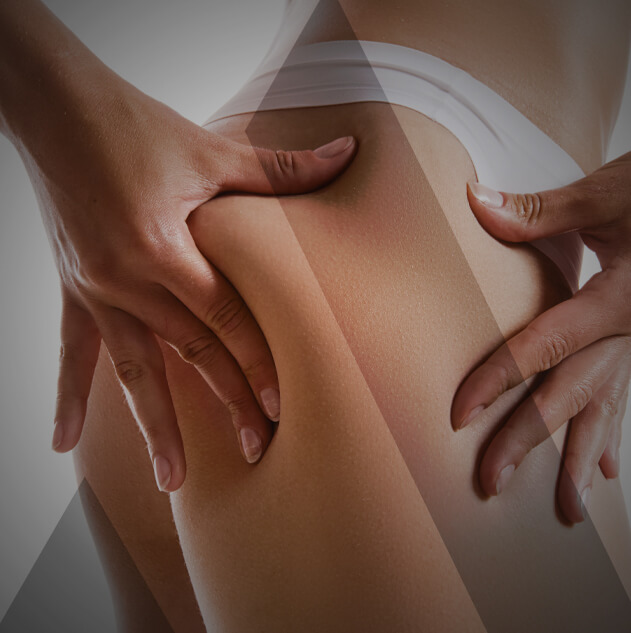
Before having the Brazilian butt lift surgery, there are some required preparations that you need to have inorder for the procedure to go smoothly.
In the first consultation session, the doctor will explain the steps, results and the desired expectations of the operation.
You must perform the necessary examinations and analyzes in order for the doctor to ascertain your health condition.
The doctor will also be taking some photographs to identify the amounts of fat to be suctioned from specific areas of the body.
There are other personal preparations thatyou need to do before undergoing the procedure such as :
- Stop smoking and all nicotine for at least two weeks (many surgeons ask for four to six weeks) before the procedure and after it.
- Stop the medicines your surgeon tells you to stop, such as those that increase bleeding.
- Keep your weight stable: do not gain or lose a large amount before surgery.
- Avoid alcohol in the days before surgery.
- Fasting before the operation as your anaesthetist instructs (usually six to eight hours for food).
- Preparing someone to drive you home after the procedure.
What happens during BBL procedure ?
A BBL consists of two parts. First, the surgeon uses liposuction to remove fat from the abdomen, flanks, back, thighs or other areas. They will then
transfer that fat to your buttocks, giving you fuller, rounder cheeks.
The fat is processed and then injected into the buttocks with cannulas, using a syringe or a closed system.
The fat is injected through long cannulas in many small deposits, in the layer of fat under the skin; safety recommendations say it must not be injected into or below the gluteal muscle.
The areas where fat was taken are slimmed by the liposuction itself.
How do I prepare for a BBL and what tests are needed?
Before the BBL, you have a first consultation in which the surgeon explains the steps, the expected results and the risks, discusses your goals and examines your body. You do the necessary examinations and analyses, such as blood tests and an anaesthetic assessment, for the doctor to confirm your health, and the doctor takes photographs, which help to identify the donor areas and the amounts of fat that can be suctioned from each. Other preparations you can do: stop smoking and all nicotine products for at least four to six weeks before and after surgery (two weeks is the very minimum some clinics quote), since nicotine reduces the blood supply to the grafted fat and the skin; stop the medicines that increase bleeding, such as aspirin and ibuprofen, vitamin E and fish oil, for about one to two weeks, as the surgeon directs; keep your weight stable, since gaining or losing weight changes the result; and avoid blood-thinning supplements. A fast of twelve hours is more than most anaesthetists ask: follow the instruction of your anaesthetist, usually six to eight hours for food. Avoiding soft drinks is not a medical requirement.
Prepare for recovery: a special pillow or cushion to protect the buttocks, a bed arrangement that lets you lie on your stomach or side, loose clothes, a companion, and a place to stay where you can lie down. Ask about the compression garment, and arrange someone to take you home, since you cannot drive or sit normally for several weeks.
Send recent photographs, your medical history and your weight history in advance so that the surgeon can discuss the plan before you travel.
Ask for the consent form in English to read at home.
What happens on the day of a BBL, and what is the hospital stay like?
On the day, the surgeon marks the areas to be treated with you standing, and you are taken to the operating room, where you are given general anaesthesia. The operation has two linked parts: liposuction of the donor areas, and the injection of the processed fat into the buttocks. The fat is harvested through small incisions, processed, then injected through small incisions in the buttocks with long cannulas, in many small deposits, in the layer under the skin, with the surgeon moving continuously and avoiding any deeper position, and, where available, using ultrasound to check the position of the cannula. When the fat has been placed, the surgeon checks the symmetry and closes the incisions; the donor areas are dressed and a compression garment is applied. The whole operation takes about three to five hours, and recovery from the anaesthetic takes an hour or two. You stay in the hospital for one or two nights, lying on your stomach or on your side, with monitoring, fluids, medicines to prevent clots and early walking.
The doctor then gives you instructions on how to lie, how to wear the garment and what to watch for. Fat injected into the buttocks does not tolerate pressure, which is why sitting is restricted.
Ask whether the surgeon will personally inject the fat and whether ultrasound is used.
Ask for the operative report with the volumes harvested and injected.
After the operation, you will need to have a recovery period followed by some changes in your lifestyle so that you can maintain your new figure.
Avoid lying on your back and sitting on your buttocks for the period your surgeon advises (often several weeks), sleeping on your stomach or side, to protect the grafted fat from pressure.
Follow your surgeon’s instructions about sitting, driving, travelling and sex; the restrictions often last longer than two weeks, because sitting and travelling put pressure on the buttocks.
Gentle walking is encouraged to keep circulation going and lower the risk of clots; avoid vigorous exercise until your surgeon agrees.
Make sure you always maintain drinking adequate amounts of water.
Eat a balanced, protein-rich diet to help healing, and do not smoke or drink alcohol during recovery.
Your doctor will be giving you some medication to help you through the recovery period make sure that you do not miss any dose of the medication.
Wear the compression garment as your surgeon directs (often day and night for two to six weeks), taking care that it does not press on the buttocks in a way that squeezes the fat.
How reliable is a Brazilian butt lift in Turkey and what do success rates mean ?
There is no standard definition of a BBL “success rate” and no reliable public figure applies to a surgeon; compared with implants, a BBL avoids a foreign body, but it has its own, specific risks, and the recovery involves weeks without sitting.
The result and the safety of a BBL depend largely on the surgeon’s skill and technique, the volume injected, the facility and the follow-up.
Aram Clinic says it works with skilled surgeons; ask for the surgeon’s name, the technique and the safety plan in writing.
Proper post-operative care by the patient has a very high percentage in the success of the operation.
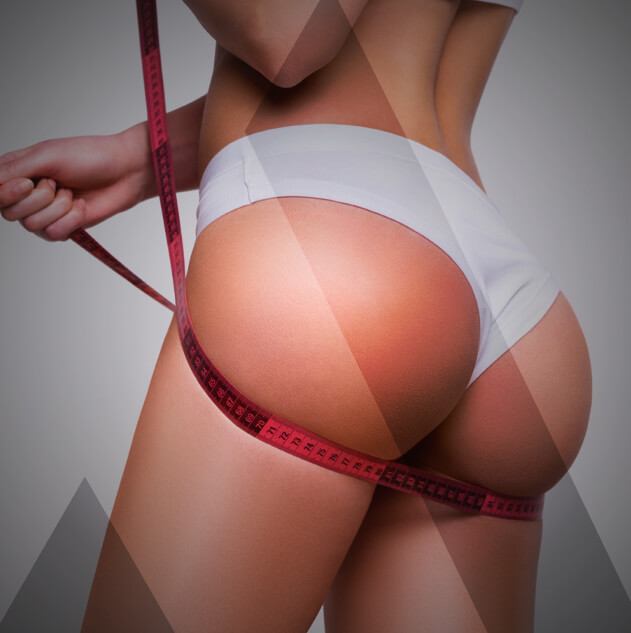
What is the recovery after a BBL, week by week, and why can’t I sit?
| Time | What to expect | What to do |
|---|---|---|
| Days 0 to 3 | Swelling and bruising of the donor areas and buttocks; tightness; fluid leaking from incisions; soreness. | Lie on your stomach or side; no direct pressure on the buttocks; walk with help; wear the garment. |
| Days 4 to 14 | Swelling and bruising decline; tenderness; fatigue. | No sitting or lying on your back; use the pillow or a cushion that keeps weight off the buttocks; short walks; no driving. |
| Weeks 2 to 4 | Swelling persists; buttocks firm and high; garment continues. | Gradually sit for short periods in a way that avoids pressure, as your surgeon directs; no heavy exercise. |
| Weeks 4 to 8 | Swelling continues to settle; return to light activity; fat loss becomes apparent. | Normal sitting only when your surgeon agrees; gradual return to exercise. |
| Months 3 to 6 | Shape clearer; some firmness. | Review with your surgeon; scar care. |
| Months 6 to 12 | Final shape. | Keep your weight stable. |
Fat that has been injected is fragile and needs a blood supply that is easily damaged by pressure, so surgeons ask patients to avoid sitting on, or lying directly on, the buttocks for about two to eight weeks, depending on the technique and the surgeon: you lie on your stomach or on your sides, and use a special cushion or a pillow that lifts the weight off the buttocks when you do sit. Some descriptions say that “sleeping on the stomach is crucial” and that you must stop driving, travelling and having sex for two weeks; the stomach or side position is indeed what most surgeons require, but the period without sitting is often longer than two weeks, and travelling in a seat, whether by car or plane, is a serious concern, so follow the exact instructions of your surgeon. Light walking is encouraged to maintain circulation and lower the risk of clots, vigorous exercise is avoided for several weeks, and a compression garment is worn day and night for two to six weeks as advised, with care that it does not press on the buttocks in a way that squeezes the fat. Lymphatic massage may be advised by some surgeons, started at the time and in the way they specify.
Call your surgeon or seek care if you have fever, spreading redness, pus, severe pain, a swollen or tense buttock, calf pain, breathlessness or chest pain.
Drink enough water and eat a balanced, protein-rich diet to help healing.
What are the risks of a BBL and which signs are urgent?
Although the Brazilian butt lift can be done with acceptable safety by an experienced surgeon, it is not accurate to describe it as risk-free, and its risks include some that are specific and serious. The most important is fat embolism, in which fat enters a vein and travels to the lungs or the heart: it is rare, sudden and a medical emergency, and it is the reason for the surgical safety rules described above. Other risks include infection of the buttocks or the donor areas; fat necrosis, in which part of the grafted fat dies, causing firm lumps, oil cysts and pain; fat loss with an unpredictable final volume; asymmetry and contour irregularities, including dimpling at the donor sites; seromas (fluid collections) and haematomas; skin changes, redness, irritation and discolouration; temporary or sometimes permanent changes in skin sensation; scarring at the small incisions; wound problems, particularly if you sit too early; blood clots in the legs that can travel to the lungs; complications of anaesthesia; and the need for a second operation. The risks rise with the volume injected, the total volume of liposuction, long combined operations, smoking and poor technique.
Sudden shortness of breath, chest pain, a racing heart, confusion or fainting, especially in the first hours or days : emergency: call emergency services at once.
Calf pain, swelling or warmth : emergency: possible clot.
Fever, spreading redness, pus or severe pain : possible infection: contact your surgeon and seek care.
A buttock that becomes very swollen, tense, hot or discoloured : contact your surgeon urgently.
Wound opening or heavy oozing : contact your surgeon.
Firm, painful lumps after the first weeks : see your surgeon: possible fat necrosis.
You can reduce risks by choosing an experienced surgeon who follows the safety rules, moderate volumes, stopping smoking, wearing the garment, walking early, avoiding sitting on the buttocks and attending follow-up.
If you develop a symptom after you return home, treat it as urgent: go to a hospital, tell them you had a BBL abroad and show your operative report, and contact the surgeon as well.
The Brazilian butt lift can be done with acceptable safety by an experienced surgeon following the safety rules, but it is not risk-free, and it carries some specific serious risks as well as the usual ones.
Among the most common risks and complications that come with BBL are:
- Women may need to undergo autologous fat injections more than once in order to achieve the desired size and shape.
- The operation may not give a large size, since safety and fat survival limit the volume.
- Infection.
- Redness and irritation of the skin.
- Feeling pain during the first days of the operation.
- Temporary swelling.
- Temporarily or permanently altered skin sensation.
- Scarring.
- Blood clots, and fat embolism (rare, very serious: fat entering a vein and reaching the lungs or heart).
What should I remember about a BBL?
Cosmetic surgery can change the shape of the body, within limits, and with risks.
A BBL can add shape and volume with your own fat, but it is a higher-risk operation: ask for the surgeon’s technique and safety rules, the volume planned, the stay, the journey home and the aftercare in writing before you decide; Aram Clinic invites you to request a free quote.
Can a BBL be combined with a tummy tuck, liposuction or other surgery, and is it wise?
A BBL is a liposuction operation in its donor part, so it is often combined with liposuction of other areas or with Vaser liposuction for definition, and women who want a full “mommy makeover” sometimes combine it with a tummy tuck, a breast augmentation or a thigh or arm lift. The advantages are one anaesthetic and one recovery; but a BBL combined with other major operations means a longer anaesthetic, more fat removal, more swelling and a higher risk of blood clots, wound problems and fat embolism, and safety organisations recommend caution about combining it with other long operations. For example, a tummy tuck and a BBL together are a particular concern because the tummy tuck tightens the abdomen, which may reduce the space for harvest and affect blood supply, and the recovery positions are conflicting: after a tummy tuck you are bent forward, and after a BBL you must avoid pressure on the buttocks. Many surgeons prefer to stage the operations.
Ask the surgeon how long the combined operation would take and whether it could be split. Be wary of a package that combines many procedures to fit a short trip.
A staged plan is usually safer than a single very long operation.
Combined operations lengthen the stay before you can fly.
How long should I stay in Turkey for a BBL and how do I travel home with a recovering BBL?
Plan about seven to ten days in Turkey: the consultation and tests, the operation, one to two nights in hospital, a check the next days, lymphatic drainage if included and a final check before you leave. For combined operations, plan longer. The surgeon decides when you can travel, usually when you are walking comfortably, the wounds are healing and there is no sign of infection, bleeding or a clot; many surgeons advise waiting at least seven to ten days, and some longer. The flight is the main difficulty: sitting in a normal seat puts pressure on the buttocks, which risks the fat, and long sitting also raises the risk of blood clots after surgery. Ask your surgeon how to travel: some recommend a special cushion that keeps the weight off the buttocks, sitting in a way that takes the weight on the thighs, walking around the cabin every hour, wearing compression stockings and the garment, drinking water, taking any clot-prevention medicines prescribed and, in some cases, booking a seat that allows you to stand or lie down. Flights to Istanbul take about three and a half to four hours from the UK and Western Europe and around nine to eleven hours from the US East Coast. Check the current visa or e-visa requirements for Turkey on the official government sites before you book, and make sure your passport is valid for the whole stay.
Take a companion, since moving, dressing and carrying luggage are difficult in the first days.
When you arrive home, arrange to see a doctor or a surgeon within the first week or two, and bring the operative report.
Do not book a non-refundable flight before the surgeon has confirmed the date.
How do I choose the best BBL surgeon in Turkey and what do the numbers tell me?
| What to check | Why it matters | How to verify |
|---|---|---|
| Qualified plastic surgeon with BBL volume | Technique decides the safety. | Name, plastic surgery specialty, registration, number of BBLs per year, complication and revision rates. |
| Safety rules followed | Prevents fat entering muscle and veins. | Written statement: subcutaneous injection only; cannula size; ultrasound guidance; no deep injection. |
| Realistic volume plan | Very large volumes raise risk and fat loss. | Planned volume per buttock explained; limits on total liposuction. |
| Hospital licence and intensive care | Emergencies need immediate resources. | Licence from the Turkish Ministry of Health; ICU, blood bank, anaesthetist identified. |
| Stay and clot plan | Early problems appear in the first days; clots are a risk. | At least 2 nights in hospital; written clot-prevention protocol. |
| Honest advice | Some patients should not have a BBL. | The surgeon declines unsuitable cases and discusses implants. |
| Aftercare and revision terms | Problems appear after you return. | Written plan, contact available, revision terms. |
Searches such as “best BBL surgeon in Turkey”, “best BBL surgeon Turkey Reddit” and “BBL clinics in Turkey” are very frequent, and so are the marketing answers: there is no reliable public ranking of Turkish surgeons, and many “top 10” lists are written or sponsored by clinics or agencies. Fame on social media is not a measure of skill, and a BBL performed by a surgeon who does dozens of operations a week may be delegated in part. Compare at least two surgeons, ask for a video consultation with the surgeon who will operate and seek a second opinion from a plastic surgeon at home. Aram Clinic says it works with an advanced clinic and a highly professional team: ask for the surgeon and the hospital by name in writing and verify them yourself.
A surgeon who explains the safety rules, limits the volume and tells you not to fly too early is more trustworthy than one who promises a celebrity body for a fixed price.
How should I read BBL before-and-after photos and reviews from Turkey?
BBL photographs are among the most edited in cosmetic surgery. Pictures taken in the first weeks show swelling and the full volume before part of the fat has been absorbed; later photographs are selected; posture, lighting, angle, clothing, tanning, filters and photo editing change the apparent shape; and many images belong to other patients or to women who also had implants, liposuction of other areas or exercise. Reviews can be solicited or paid for, influencers may be sponsored, and women who had complications may not post. Searches such as “BBL Turkey before and after”, “skinny BBL Turkey” and “BBL Turkey reviews” are very numerous, and marketing is aimed at them.
To judge usefully, ask the surgeon for a series of cases like yours (same body type, similar donor fat) at six to twelve months, in the same pose and light and without filters, with the volume injected, and for contact with previous patients with their consent. Look for accounts that mention fat loss, recovery difficulties, sitting restrictions and complications. A second opinion from a plastic surgeon at home on your photographs and plan is more informative than any gallery.
Treat marketing images as advertising.
Remember that your fat, your skin and your body are your own: someone else’s result is not a promise for you.
What are the downsides of having a BBL abroad and does insurance cover it?
The main limits concern follow-up and the journey. A BBL needs weeks of care, and the flight home is a real risk: sitting for hours puts pressure on the fat and raises the risk of blood clots after a long operation. If you develop an infection, a fluid collection, hard lumps or a wound problem after you return, your local doctors will have to deal with it, and some are reluctant to take responsibility for an operation done elsewhere; in some countries, plastic surgeons have publicly expressed concern about BBLs done abroad. A second session, or a revision of a poor result, may mean another trip or paying for surgery at home. Legal recourse is more complicated across borders, and language and documentation differences can create misunderstandings.
A BBL is a cosmetic operation, and public health systems do not fund it, nor do most insurers cover it or treatment abroad; travel insurance usually excludes planned cosmetic surgery and its complications, so a specialist policy is needed, and you must read the exclusions. Emergency care is available to anyone wherever the operation was performed: for sudden breathlessness, chest pain, a swollen calf or signs of infection, go to the nearest emergency department and tell the staff about your surgery. Before you travel, ask the clinic in writing what happens if you need a revision or a second session: who performs it, where, how much you pay and whether travel is covered.
Identify a surgeon or doctor at home who will see you in the first weeks, and keep every document: the quote, consent form, operative report with volumes, medicines list and photographs.
If you cannot arrange the follow-up and a safe journey home, having the operation at home may be the safer choice, even at a higher price.
Should I use a medical tourism agency, and how do I plan the trip and the process with Aram Clinic?
Some patients use agencies that organise the trip and introduce them to a clinic, often through social media or messaging apps. This can simplify logistics, but it creates a conflict of interest when the agency is paid a commission by the clinic: its incentive is to sell a package. An agency is not a surgeon and cannot replace a consultation. Warning signs include fixed prices before any assessment of your photographs, a celebrity body promised for everyone, many procedures in one day, pressure to book quickly, no discussion of the safety rules or of the journey home, and the refusal to name the surgeon. Ask for the contract in writing, naming the clinic and the surgeon, and ask Aram Clinic what its exact role is and how complaints are handled.
Plan seven to ten days, choose a hotel near the hospital with a lift and a room where you can lie on your stomach, bring a companion and pack loose clothes, a pillow or cushion, compression stockings and your medicines. Aram Clinic describes a simple journey: you request a free quote online with photographs and your medical and weight history; the medical team reviews them and a surgeon or coordinator discusses your case, usually by video; you receive a written proposal and decide without pressure; you travel and are met on arrival; after the consultation and tests, the operation takes place at the partner hospital; and you return home with a medical report and a plan for follow-up, with remote contact. These are the clinic’s own descriptions: check that the surgeon and the hospital are named in writing, that the technique and the volumes are explained, that the safety rules are stated and that the quote lists what is included.
The first step is simple: complete the free express quote with your photographs, or learn more about Aram Clinic.
A responsible team will tell you if a BBL is not the right operation for you, and will advise you on a safe way to travel.
What aftercare do I need at home and what questions should I ask before booking?
Aftercare begins before you leave, with written instructions on how to lie and sit, the compression garment, wound care, activity, medicines and warning signs. At home, sleep on your stomach or side and avoid sitting directly on the buttocks for as long as your surgeon says, use the cushion you were advised to use, wear the garment as directed, walk several times a day, avoid driving until you can sit comfortably without pressure, avoid vigorous exercise for the period advised, keep wounds clean and dry, attend a check-up with a local doctor within the first week or two, drink enough water and eat a balanced diet, keep your weight stable and do not smoke. Report fever, spreading redness, severe pain, breathlessness or calf pain at once.
Is a BBL the right operation : has a surgeon examined my body and compared implants?
How will fat be injected : subcutaneous only, which cannula, and is ultrasound used?
What volume is planned : per buttock, and how much liposuction in total?
Who will operate and in which hospital : how many BBLs do they perform each year, and do they follow the international safety recommendations?
What are the risks in my case : including fat embolism and clots?
How long should I stay : and how do I travel home safely?
What is included in the quote : extra nights, revision, lymphatic massage?
Who will see me at home : have I arranged a surgeon or doctor?
Write your questions down and ask for the answers in writing. Take your time: a BBL is a planned operation that can be prepared over weeks, and no discount is worth deciding under pressure. A second opinion from a plastic surgeon in your own country is a sensible precaution.
A team that examines you, explains the safety rules, limits the volume, plans your journey home and advises against surgery when it is not appropriate is more trustworthy than one that promises the perfect body at the lowest price.
BBL in Turkey: a surgeon who follows the safety rules, a moderate volume and a safe journey home first, a realistic result second, the price last
A BBL in Turkey removes fat from other areas by liposuction, processes it and injects it into the fat layer under the skin of the buttocks, in three to five hours under general anaesthesia, with one to two nights in hospital, a stay of about seven to ten days, a compression garment for two to six weeks, weeks of not sitting or lying directly on the buttocks and a result judged at six to twelve months. It is one of the higher-risk operations in cosmetic surgery because fat injected into or below the gluteal muscle can enter a vein and reach the lungs and heart, a rare, sudden and very serious complication, which is why international societies recommend injecting only in the subcutaneous layer, using larger cannulas and ultrasound guidance, limiting the volume and avoiding long combined operations. Only about half to two-thirds of the injected fat survives, so the gain is moderate and not guaranteed for life; a BBL does not treat cellulite or stretch marks or tighten loose skin; thin patients get small gains and may need implants; and “non-surgical” or “liquid” BBLs are fillers, not butt lifts. Quotes in Turkey are lower than in the UK, the US or Germany and packages bundle the hotel, fees and transfers, but a very low price, a “95 percent success rate”, many procedures in one day and a short stay are warning signs, the flight home is a risk in itself, and cosmetic surgery abroad is not covered by insurance.
Before booking, send photographs of your body and your weight history for a remote assessment, ask the surgeon to state in writing how fat will be kept out of the muscle, what cannula size and guidance are used, how much will be injected into each buttock and how much liposuction in total, how many nights you will stay in hospital, how you will travel home and what the revision policy says, and who will see you after your return. If your project is ready, the next step is to send your photographs to the Aram Clinic team through the free express quote, so that they can review your case and propose a written plan that you can discuss with a plastic surgeon of your own choice, without pressure.
Official sources to consult
This page draws on the sources below. Safety recommendations change as evidence accumulates: always consult the current version and your own surgeon’s advice.
NHS : nhs.uk : advice on cosmetic procedures and cosmetic surgery abroad.
British Association of Aesthetic Plastic Surgeons (BAAPS) : baaps.org.uk : patient information and safety advice on the Brazilian butt lift and on surgery abroad.
International Society of Aesthetic Plastic Surgery (ISAPS) : isaps.org : patient information and safety recommendations on gluteal fat grafting.
American Society of Plastic Surgeons (ASPS) : plasticsurgery.org : patient guide and safety advisories on gluteal fat grafting.
Aesthetic Surgery Education and Research Foundation (ASERF) : aserf.org : research and safety recommendations on gluteal fat grafting.
Joint Commission International : jointcommissioninternational.org : international accreditation (verify any claim on the accreditor’s site).
Republic of Türkiye Ministry of Health : saglik.gov.tr : licensing of health facilities and health tourism.
UK Government and US State Department travel advice : gov.uk and travel.state.gov : entry requirements and health travel advice.