+44 20 7903 7116


 +44 20 7903 7116

Dental problems are very common: sugar-rich diets, poor hygiene, gum disease, stress-related grinding and biting on hard objects can all damage teeth. These factors can lead to decay, loose teeth and gum disease, and eventually to tooth loss. Losing your teeth can affect your confidence, your ability to chew and eat well, and the way you speak and smile. When many teeth are missing, a stable, fixed solution is often needed. Aram Clinic offers all-on-6 dental implants in Turkey as one solution; this page explains the cost, the steps, the risks and what to check before you decide.
How much does all On 6 dental implant in Turkey cost ?
The all-on-6 dental implant treatment can be expensive for many people, because the procedure is delicate and involves several tools, a laboratory-made bridge and months of work. And especially in places like the UK or US where dental procedures like this can be way out of a patients budget. Aram Clinic states that its price for all-on-6 dental implants in Turkey is about 50% lower than in the countries mentioned before; check this claim against a written quote and a quote from a dentist at home. According to the clinic, its all-inclusive package covers your hotel room, the doctor’s fees, your post-operative medication and your medical transportation; ask for the exact list of inclusions and exclusions. Price is only one factor: the dentist, the implants, the materials, the warranty and the follow-up matter more.
What clinic performs the all On 6 dental implant in Turkey ?
Turkey is one of the busiest destinations for medical and dental tourism, with a very large number of procedures performed each year. The country has many modern clinics, although quality varies from one to another. Aram Clinic is a clinic that organises dental and cosmetic treatments in Turkey with partner clinics. It says it works with modern equipment and technology that allow a large variety of cosmetic and medical procedures. It also says it works with a professional medical team; ask for the dentist’s name, training and experience with full-arch implants. Whether it is the right choice for you depends on your case, which only an examination and a 3D scan can show.
What are all-on-6 dental implants in Turkey and who are they for?
All-on-6 dental implants in Turkey are a way of replacing a whole arch of missing or failing teeth, upper or lower, with a fixed bridge of artificial teeth supported by six dental implants placed in the jawbone, carried out by an implant dentist in a Turkish dental clinic. Instead of removable dentures, you have a set of teeth that is screwed onto the implants and stays in place, and that you clean like natural teeth. A temporary fixed set of teeth is usually fitted within a day or two of surgery, and the final bridge, often made of zirconia or porcelain, is fitted after the implants have fused with the bone, typically three to six months later. Aram Clinic says it offers all-on-6 treatment with partner dental clinics in Turkey, in an all-inclusive package; these are the clinic’s own descriptions and should be verified in writing.
The treatment is for adults who have lost most or all of their teeth in an arch, or whose remaining teeth are so damaged by decay, gum disease or fracture that they cannot be saved, who have enough healthy jawbone (or are suitable for bone grafting) and who want a fixed solution instead of dentures. It is a major dental treatment that takes months to complete and needs maintenance for life: it is not a quick cosmetic fix, and it should be planned with a detailed assessment, including a 3D scan.
This page answers the questions people ask most: how much all-on-6 costs in Turkey, how it differs from all-on-4 and all-on-8, who is a candidate, how the procedure and healing work, how many trips are needed, what the risks are, how to choose a clinic and what to check about warranties, implants and materials. It draws on guidance from the NHS, the American Dental Association, the American Academy of Implant Dentistry, the General Dental Council and the Faculty of Dental Surgery, and on information supplied by Aram Clinic. It is general information, not dental advice: a dentist must examine you and review your scans before any treatment.
If you are also looking at other dental treatments in Turkey, Aram Clinic publishes guides on dental implants, dental bridges, dental veneers, teeth whitening and the Hollywood smile. For a personal estimate, use the free express quote.
What are the key facts about all-on-6 dental implants in Turkey at a glance?
| Question | Short answer |
|---|---|
| What is it? | A full arch of fixed teeth supported by six implants in one jaw. |
| Who is it for? | Adults missing most or all teeth in an arch, or with teeth that cannot be saved, and enough bone or suitability for grafting. |
| Number of surgeries | Usually one surgery per jaw, with extractions at the same time if needed; the upper and lower jaw may be done on separate days. |
| Teeth on the day | A temporary fixed bridge is often fitted the same day or the day after surgery. |
| Final teeth | Fitted after about 3 to 6 months, once the implants have fused with the bone. |
| Number of trips | Commonly two: one for surgery and one for the final bridge; some clinics offer shorter schedules. |
| Time to plan in Turkey (first trip) | About 5 to 10 days; the second trip about 3 to 7 days. |
| Main risks | Infection, implant failure, gum inflammation around implants, bridge problems. |
| Main price drivers | One or both jaws, implant brand, material of the bridge, bone grafting, sedation, hotel nights. |
| Insurance | Dental treatment abroad is rarely covered; check your policy. |
These are typical ranges, not promises: your dentist decides from your scan and healing. A straightforward case in a healthy patient and a case with severe bone loss, gum disease or diabetes are very different.
If you remember only one thing: all-on-6 works best when planned from a 3D scan by an implant specialist, with a clear warranty in writing, a durable plan for two visits and a dentist at home who will look after your hygiene and check-ups.
What is the difference between all-on-4, all-on-6 and all-on-8 implants?
| System | Implants per arch | Advantages | Limits |
|---|---|---|---|
| All-on-4 | Four, two of them tilted at the back. | Fewer implants and often less need for bone grafting; lower cost. | Forces are shared by fewer implants; if one fails, the bridge is more affected. |
| All-on-6 | Six, placed evenly in the jaw. | Chewing forces spread over more implants; extra support; can allow more bone-friendly placement. | More implants and a higher cost than all-on-4; needs adequate bone. |
| All-on-8 | Eight. | Maximum support for long bridges, sometimes in softer bone. | The most expensive; rarely necessary. |
All-on-6 implants include a fixed bridge mounted on six dental implants placed evenly in one jaw, distributing chewing forces across the implants. According to the principles of implant dentistry, each implant is subjected to a lower amount of chewing load than in the all-on-4 concept, which is one reason some dentists prefer it, especially in the upper jaw, where bone is softer. Some practitioners use eight implants for the upper jaw.
The number of implants is chosen by the dentist from the quality and quantity of your bone, the length of the bridge, your bite and your habits, such as grinding your teeth. All-on-6 is not automatically better than all-on-4 in every case, and more implants do not remove the need for good hygiene and maintenance. Ask why a particular number is proposed for you.
How much do all-on-6 dental implants cost in Turkey compared with the UK and the US?
All-on-6 is an expensive treatment in many countries, because it is complex and delicate and involves several tools, a laboratory-made bridge and months of work. In the UK or the US, a full arch of implants can cost many thousands of pounds or dollars, which can be out of a patient’s budget. In Turkey, quotes are generally substantially lower, which is why searches such as “all on 6 dental implants Turkey price”, “cheapest all-on-6 in Turkey” and “how much is all-on-6 in Turkey” are so frequent. Aram Clinic states that its price is about half that of the other countries mentioned, as part of an all-inclusive package covering the hotel room, the doctors’ fees, the post-operative medication and the medical transportation; the real difference depends on what you compare, so check the claim against a written quote and a quote from a dentist at home.
The price in Turkey depends on whether one or both jaws are treated, the brand and quality of the implants, the material of the final bridge (zirconia, porcelain or acrylic with a metal frame), any bone grafting or sinus lift, extractions, sedation or general anaesthesia, the number of hotel nights and what the package adds. Compare like with like: the same implant brand, the same bridge material, the same number of implants, the same warranty and the same number of trips. A much lower price can mean a cheaper implant system, a thin acrylic bridge or a short warranty.
What should a written all-on-6 quote include?
Treatment plan : one or both jaws, number of implants, extractions, grafting.
Implants : brand, model and country of manufacture, with an implant card.
Bridge : material (zirconia, porcelain, acrylic), temporary and final.
Anaesthesia : local, sedation or general.
Warranty : what is covered, for how long, and what you must do to keep it valid.
Trips : number of visits and the timing of the final bridge.
Travel services : transfers, hotel nights, interpreter.
Payment terms : deposit, refund conditions, currency.
Do not pay the full amount before you have a detailed written plan and quote and have spoken to the dentist. Aram Clinic does not publish fixed prices here because the cost depends on your scan: request a free express quote with your X-rays.
What is included in an all-inclusive all-on-6 package and what should I check?
An all-inclusive package is a single price intended to cover the main parts of your treatment and stay. Aram Clinic describes its package as covering the hotel room, the doctor’s fees, the post-operation medication and the medical transportation. A complete all-on-6 package may include the consultation and 3D scan, the surgery, the temporary bridge, the final bridge, local anaesthesia or sedation, medicines, airport transfers, hotel nights for each trip, an interpreter or coordinator and a written warranty.
“All-inclusive” has no legal definition, so ask for the list in writing. Check what is excluded: bone grafting or a sinus lift if needed, extra nights if healing is slow, repair or replacement of a failed implant, the second trip’s flights and the companion’s hotel. A transparent provider tells you in advance how complications and warranty claims are handled and who pays for travel in that case.
Be cautious with promises such as “teeth in one day for life” or “guaranteed results”: no clinic can guarantee how your bone will heal. A trustworthy provider promises a clear plan, named materials and a written warranty.
What does a Turkish clinic that performs all-on-6 need to have and how do I verify it?
Turkey is a major destination for medical and dental tourism and it has a large number of dental clinics, from advanced implant centres to small practices of very variable quality. The figure of “hundreds of thousands of operations each year” is often quoted but should not be your reason to choose a clinic. Aram Clinic presents itself as a clinic working with modern equipment and an experienced team; those statements should be checked: ask for the clinic’s name, the licence, the implantologist’s name and qualifications and examples of full-arch cases.
For all-on-6, the clinic should have the means to plan and place implants safely: a cone-beam CT (3D) scanner, digital planning, a surgical room with sterile conditions, sedation and anaesthesia capabilities, a dental laboratory for the temporary and final bridges, and a plan for follow-up. An implant specialist (a dentist trained and experienced in implantology, oral surgery or prosthodontics) should be responsible for the treatment.
Ask how many full-arch cases the dentist performs each year, which implant brands the clinic uses and why, how the final bridge is manufactured, how long it takes, and what the warranty covers.
A second opinion from an implant dentist at home on your 3D scan and on the proposed plan is a sensible precaution.
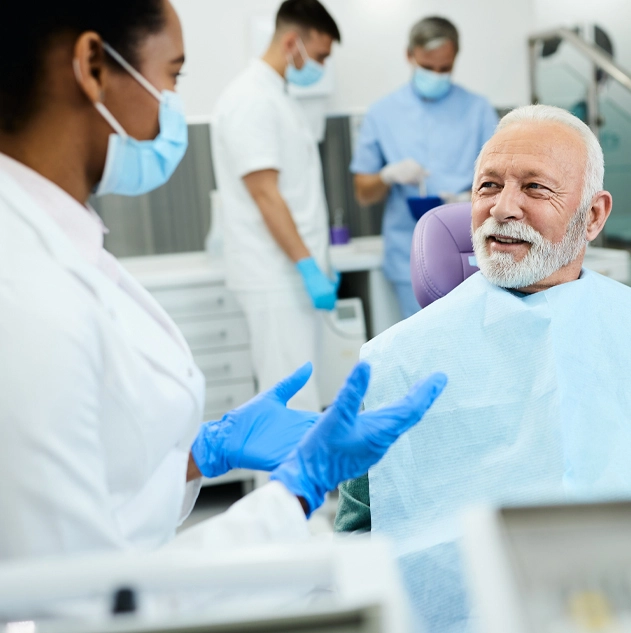
What is All On 6 dental implant procedure?
All On 6 dental implant also known as a full dental implant treatment is a dental procedure that focuses on fixing multiple teeth at once. All on 6 dental implants include a fixed bridge mounted on six or eight dental implants placed evenly in one jaw. Evenly distributing chewing forces across implants. Therefore, according to the concepts related to dental implants in the mouth, each implant is subjected to a lower amount of occlusal effort caused by chewing compared to the concept of all-on-fours. The implants themselves are usually made of titanium, and the bridge is made of aesthetic materials such as porcelain and zirconia. The all on 6 implants procedure requires two visits with a recovery period of at least three months between each visit. However, if the jawbone requires advanced implantation procedures such as a sinus lift, vertical bone grafting or osteotomy, the recovery period can be longer.
Who can get the all on 6 dental implants?
Typically, patients who can have all on 6 dental implants; are those who do not have any disabilities that prevents them from undergoing dental implant surgery. This procedure can be applied if there is a sufficient amount and density of bone in the middle area of the small molar in the patients who have a complete jaw. The procedure can be applied if a good cleaning can be done in the extraction sockets after tooth extraction. It can be applied if the patient's oral hygiene is in a good condition.
Which jawbone and health conditions affect whether I can have all-on-6, and what is bone grafting?
Typically, patients who can have all-on-6 implants are those who have no condition that prevents them from undergoing dental implant surgery. The treatment can be applied if there is a sufficient amount and density of bone in the jaw, particularly in the area between the premolars, in people who have lost their teeth or have teeth that need to be extracted. It can be applied if the extraction sockets can be cleaned well after tooth removal, and if the patient’s oral hygiene is in good condition or can be brought to a good standard. The dentist assesses bone height, width and density on a 3D scan, the position of the nerves and the sinuses, and the health of the gums.
When the jaw has lost bone, which commonly happens after years of missing teeth or wearing dentures, or after gum disease, additional procedures may be needed: bone grafting to rebuild the ridge, a sinus lift to create space for implants in the upper jaw, or special implant positions. These procedures lengthen the treatment, increase the cost and may require a longer healing period before implants can be placed. In some cases, a different solution, such as an implant-retained denture, is more appropriate.
Health factors matter: uncontrolled diabetes, smoking, heavy alcohol use, active gum disease, osteoporosis treatments such as bisphosphonates, radiotherapy of the jaw, some autoimmune diseases and blood-thinning medicines increase the risk of complications and need to be discussed with your doctor and dentist. Smokers have a significantly higher implant failure rate; most dentists ask patients to stop smoking before and after the surgery.
A responsible dentist will tell you honestly if you are not a good candidate, or if more preparation is needed, and will not rush you into surgery.
What tests and scans do I need before all-on-6 treatment?
Before the surgery you will meet your dentist for a check-up, so that they can determine the state of your teeth, gums and jawbone and obtain your full medical and health history, including medicines, allergies, previous operations and any risky lifestyle factors such as smoking. The key test is a cone-beam computed tomography (CBCT or 3D) scan, which gives a three-dimensional picture of the bone and the nerves and allows the dentist to plan the exact position, length and angle of each implant, often with specialised software. A panoramic X-ray is often used as a first screening. The dentist may take photographs, impressions or digital scans of your mouth and record your bite, which are used to design the temporary and final bridges.
You will also be asked about changes you need to make: stopping smoking, controlling diabetes and treating gum disease before surgery, informing the dentist about all your medicines, and improving your oral hygiene. Some people are advised to take antibiotics before surgery.
If you have a recent panoramic X-ray or CBCT scan, send it with your request. The Turkish team can give you a provisional opinion and quote based on it, and confirm the plan after examining you on arrival.
A reliable clinic does not give a firm price and plan without seeing your X-rays, and does not skip the 3D scan.
How to prepare for the all on 6 implants procedure ?
Before undergoing the surgery, you will have to make some preparations. You will meet with your doctor to have a check-up, this is so that the dentist can determine the state of your teeth and jaw bone. The doctor will also have to have an insight into your full medical and health history and will be gathering information on any potential risky lifestyle choices.
You will also need to make some mild lifestyle changes such as :
- Following a healthy diet that limits acidic foods and sugary meals.
- You should stop smoking, which greatly increases the risk of implant failure.
- You will need to inform your doctor if you are taking any medication.
What happens during the all on 6 implant procedure ?
On arrival at the clinic, the dentist will perform a clinical examination and imaging of your mouth before starting the procedure with dental implants. The main implant placement surgery is performed during the first visit, when both the upper and lower jaws are implanted, the surgeon will complete the surgeries for each jaw on two separate days. The dentists will take an impression or a 3D digital record after each surgery in order to provide temporary fixed teeth on the same day or the day after surgery. This allows the dental team to make a prosthesis with a set of temporary teeth, which you will wear for several months while the implants fuse with the bone. After about 2 to 6 months, once the implants have fused with the bone and your jaw has healed, the final bridge is fitted. The final bridge is custom-made by a dental laboratory to suit your mouth and bite.
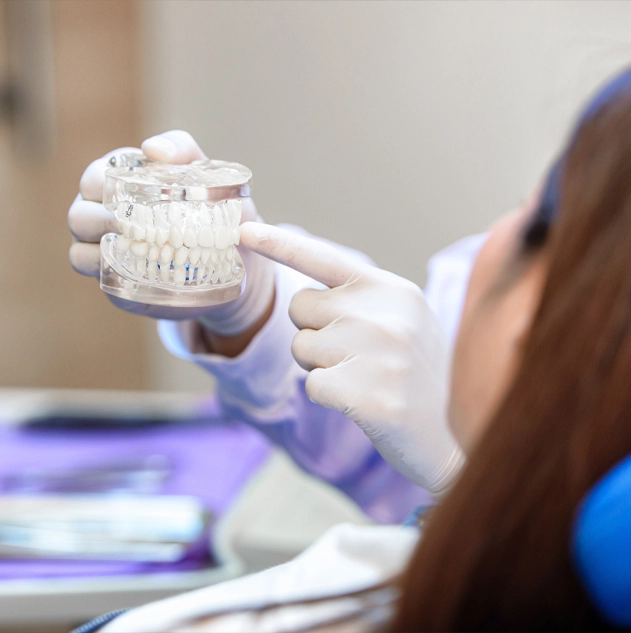
How is all-on-6 surgery done, step by step, and are the temporary teeth fixed?
On arrival at the clinic, the dentist performs a clinical examination and imaging before starting the treatment. The main implant placement surgery is carried out during the first visit. When both the upper and lower jaws are treated, the surgeon usually completes the surgery for each jaw on two separate days. Under local anaesthesia, often with sedation, or under general anaesthesia, the dentist extracts any teeth that cannot be saved, smooths the bone, makes small openings in the gum and places six implants in the planned positions, using a surgical guide in many cases. Abutments are attached, and the gum is closed around them.
After surgery, the dentist takes an impression or a 3D digital record of your mouth in order to provide a temporary fixed bridge on the same day or the day after the surgery, so that you leave with teeth. This temporary prosthesis is made in the laboratory in a few hours to a day and is screwed onto the implants. You wear it for several months while the implants fuse with the bone, and you must follow a soft diet. It is not as strong as the final bridge, and fracture of the temporary teeth can happen if you chew hard foods.
The surgery for one jaw typically takes about two to four hours. You will feel pressure but no pain during the operation, and the local anaesthetic wears off after a few hours, when painkillers help. Swelling and bruising are common and peak after two to three days.
Ask whether the temporary bridge is made of acrylic and what limits it has, and make sure you understand that the immediate teeth are provisional.
What is the recovery time for all-on-6 and how long until the final teeth?
| Time | What happens | What to do |
|---|---|---|
| Day 0 to 3 | Surgery and temporary bridge; swelling, bruising and some bleeding. | Rest; ice; soft cold foods; medicines as prescribed; no spitting or rinsing hard. |
| Days 4 to 10 | Swelling settles; stitches may be removed or dissolve; check-up. | Soft diet; gentle cleaning; avoid smoking. |
| Weeks 2 to 6 | Gums heal; implants begin to fuse with the bone. | Soft diet; careful hygiene; no hard foods. |
| Months 3 to 6 | Osseointegration is complete; the dentist checks stability. | Return for the final bridge once the implants are fused. |
| After the final bridge | Normal diet within the limits advised; regular maintenance. | Hygiene visits every six months; yearly X-ray as advised. |
The recovery period varies with the type of surgery (extraction, grafting, sinus lift), your overall oral health, the number of teeth replaced, the quality of your jawbone and the size of the implants. Normally the initial healing takes from seven to ten days, but the implants will take three to six months to be fully integrated and fused with the bone. The all-on-6 procedure normally requires two visits, with a healing period of at least three months between them. If the jawbone needs advanced procedures such as a sinus lift, vertical bone grafting or an osteotomy, the healing period can be longer.
After two to six months, once the implants have fused with the bone and your jaw has healed, the final bridge is fitted. It is made by a dental laboratory from your impressions and scans to match your bite and your face, and fits your mouth precisely. Searches for “all-on-6 recovery time Turkey” show how many people want to know how long they will be without final teeth: plan for several months, with temporary teeth in the meantime.
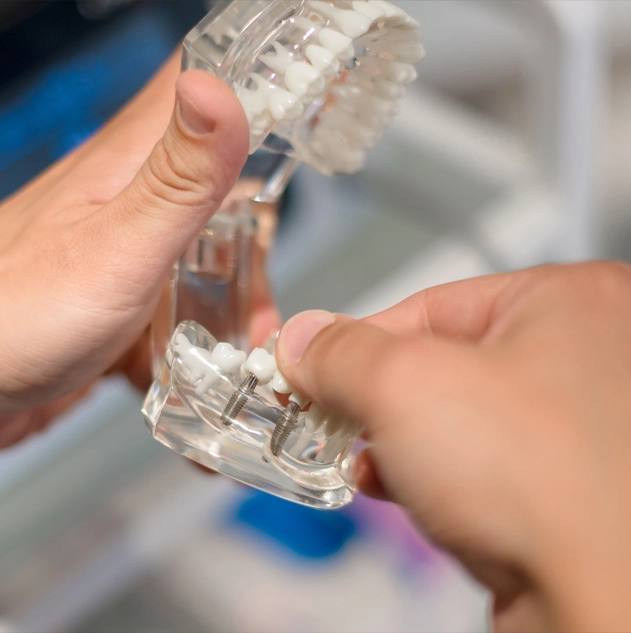
What happens during the healing period after all on 6 implants?
The recovery period varies and depends on the type of surgery that you had whether it is tooth extraction or grafting, and your overall oral health and the number of teeth you had replaced and implanted. It also depends on the quality of your jawbone and the size of the implants that you had installed. Normally the healing period takes from 7 to 10 days, but the implants will take from 3 to 6 months to be fully installed and fused with the bone. You will need to be very careful when it comes to your diet; you will need to make sure not to harm or damage the implants in any way. You will need to change into a more soft food diet as you heal, some of the foods that you can eat are:
- Tofu.
- Smooth peanut butter.
- Baked beans.
- Greek or regular yogurt.
- Cottage cheese or ricotta.
- Potatoes and sweet potatoes without skin.
- Soft fruits like ripe bananas and melon.
- Milk.
Stay away from activities that can damage or misplace the implants like opening bottles with your mouth, or biting on hard objects or grinding your teeth.
What can I eat after all-on-6 and how do I look after the implants?
For the first weeks, you need a soft diet so as not to harm or damage the implants and the temporary bridge. Foods that are suitable include tofu, smooth peanut butter, baked beans, Greek or regular yoghurt, cottage cheese or ricotta, potatoes and sweet potatoes without skin, soft fruits such as ripe bananas and melon, and milk, along with scrambled eggs, soups, mashed vegetables, pasta and fish. Avoid hard, sticky and crunchy foods, such as nuts, crusty bread, raw hard vegetables, chewing gum and toffee, until your dentist says it is safe. Avoid very hot food and drink while the anaesthetic is active, and avoid alcohol and smoking, which delay healing.
Keep the area clean from the first day, as instructed: gentle brushing with a soft brush, an antibacterial mouthwash if prescribed, and, later, interdental brushes and a water flosser around the implants and under the bridge. Stay away from habits that can damage or dislodge the implants and the bridge, such as opening bottles with your teeth, biting hard objects or grinding your teeth; if you grind, your dentist may advise a night guard.
A healthy diet, with limited sugar and acidic foods and drinks, helps to protect your gums and any remaining teeth. If you smoke, stopping is the single most important thing you can do to protect the implants.
Contact your dentist promptly if you have increasing pain after the first week, bleeding that does not stop, a bad taste, pus, fever, a loose or broken temporary bridge or a screw that feels loose.
How many trips to Turkey do I need for all-on-6 and how long should I stay?
The standard approach needs two trips: the first for assessment, extractions if needed, implant placement and the temporary bridge, which usually takes about five to ten days; the second, around three to six months later, for checking the implants and fitting the final bridge, which usually takes about three to seven days. Some clinics offer a faster schedule in which the final bridge is made in a single, longer stay, but it carries trade-offs: implants have not had time to fuse fully, and the final teeth are made on a mouth that is still healing, which can compromise fit and durability. Ask your dentist which approach they recommend for you and why, and read the warranty conditions for both.
The surgery itself is short, but you need time to recover, be checked and, if needed, have the temporary bridge adjusted. For your first trip, avoid arranging a return flight within the first days; flying is generally safe after dental implant surgery, but swelling, bruising and the need for a check-up make a margin sensible. Use cold packs, take the prescribed medicines and avoid straining on the plane.
Plan hotel nights near the clinic, choose soft foods and bring someone to help if you have sedation or general anaesthesia. Check the current visa or e-visa requirements for Turkey on the official government sites before you book, and make sure your passport is valid for the whole stay. Flight times to Istanbul are about three and a half to four hours from the UK and Western Europe and around nine to eleven hours from the US East Coast.
Keep every document from the first trip, including the X-rays, the implant card and the treatment plan, for the second trip and for your dentist at home.
The procedure is one of the main solutions for people who have lost most of their teeth, and it can be a long-lasting answer to oral discomfort, although the bridge may need repair over the years. But just like all medical procedures it carries with it some risks, you will discuss these risks with your doctor with much more detail so that you can better understand the procedure. Some of the risks of all on 6 implants are:
- Implant failure.
- Infection.
- Implant dislocation.
- Nerve damage.
- Damage to other teeth.
- Swelling.
- Pain.
- Peri-implantitis (inflammation of the gum and bone around an implant).
- Loosening of screws, or chipping or fracture of the bridge.
What should I remember about all-on-6 in Turkey?
Having a stable set of teeth can help you chew, speak and smile with more confidence. A fixed bridge on implants also helps to keep the bone in place and makes oral hygiene easier than with loose dentures, provided you maintain it carefully. When many teeth are missing, all-on-6 implants are one option among several; compare them with all-on-4, implant-retained dentures and treatment at home. Aram Clinic says its aim is to help patients feel better about their smile; no clinic can guarantee a result, so ask for the plan, the materials and the warranty in writing.
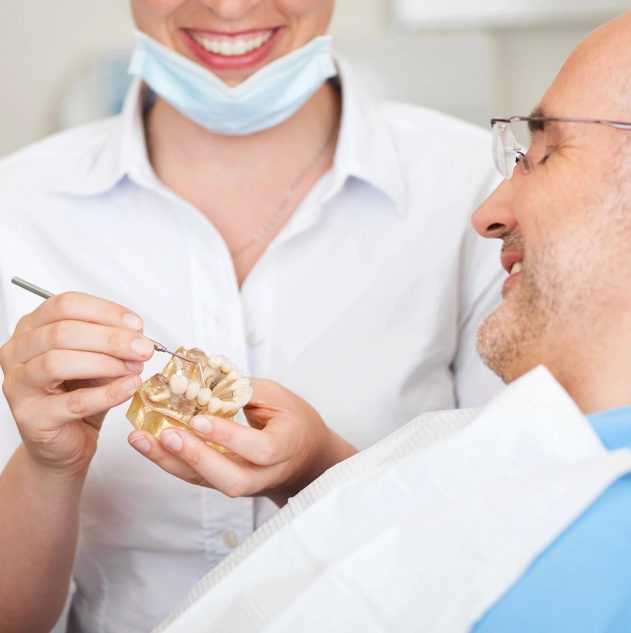
What are the final teeth made of: zirconia, porcelain or acrylic, and which implants are used?
The final bridge can be made of several materials. Monolithic zirconia (a strong ceramic) or zirconia layered with porcelain is popular because it is strong, hard-wearing, aesthetic and resistant to staining; it is considered a safe and aesthetic material, as is a porcelain and zirconia bridge. Acrylic (resin) teeth on a titanium or metal frame are lighter and cheaper, and easier to repair, but wear faster and can stain. Some clinics use hybrid designs. Each has advantages and drawbacks regarding strength, appearance, cost, repairability and wear, and the choice depends on your bite, your habits (for example grinding), the space available and the budget. Ask for the exact material, the thickness and the laboratory that makes it.
Dental implants are small screws, most often made of titanium or a titanium alloy, that act as artificial tooth roots. Well-known international implant systems exist, and many clinics in Turkey use them; others use less-documented systems. A good implant system has published long-term studies, spare parts that will be available for years and dentists in other countries who can service it. Ask the brand and model, the country of manufacture, and whether you will receive an implant passport with serial numbers.
A dentist at home who has to maintain your bridge in the future will need to know the implant system in order to find the right parts. Keep the implant card with your passport.
Be wary of unbranded implants, unclear documents or the refusal to name the brand.
What are the risks of all-on-6 implants and how often do implants fail?
All-on-6 is one of the best solutions for people who have lost most of their teeth, and it can be a long-lasting answer to oral discomfort, but, like all medical procedures, it carries risks that your dentist should explain in detail. Possible problems include: implant failure, when an implant does not fuse with the bone or loosens later; infection of the surgical site; peri-implantitis, an inflammation of the gum and bone around an implant, caused by plaque, which is the commonest long-term problem; implant movement or loosening of the abutment screws; nerve damage causing numbness or altered sensation of the lip, chin or tongue, mainly in the lower jaw; damage to neighbouring teeth; sinus problems when implants are placed in the upper jaw; swelling, bruising and pain in the first days; and chipping or fracture of the bridge, especially acrylic or temporary bridges.
Studies of full-arch implant treatment report high implant survival rates over five to ten years, generally in the region of nine in ten or better, but with wide variation depending on the patient, the surgeon, the implant system and maintenance. The risk of failure is higher in smokers, in people with poorly controlled diabetes, with poor hygiene and with a history of gum disease. A failed implant can usually be removed and replaced after healing, and a good warranty covers this.
Increasing pain, swelling or fever after the first week : contact the dentist promptly.
Pus, bad taste or bleeding around an implant : possible infection: seek care.
Loose or broken temporary or final bridge : contact the dentist; do not wait.
Numbness of the lip or chin that persists : report to your dentist or surgeon.
Bleeding that does not stop or difficulty breathing or swallowing : go to emergency care.
You can lower risks by choosing an experienced implant dentist, following the plan, stopping smoking, controlling diabetes, keeping excellent hygiene and attending hygiene and check-up visits. Most late complications are related to plaque and to bite forces.
If you have a problem after you return home, contact a dentist at home and tell them about the implants, show your implant card and X-rays, and contact the clinic as well.
How do I keep all-on-6 implants healthy for life: maintenance, hygiene and check-ups?
A full-arch bridge is not “fit and forget”. Plaque builds up around and under the bridge and, if it is not cleaned, can lead to peri-implantitis and, eventually, loss of the implant. Daily care includes brushing twice a day with a soft brush, cleaning under and around the bridge with interdental brushes, floss threaders or a water flosser, and using an antibacterial mouthwash if advised. Professional hygiene appointments, usually every three to six months, allow the dental team to clean areas you cannot reach, check the bridge and the screws, and take X-rays at intervals to monitor the bone.
Some bridges are removed by the dentist at intervals for deep cleaning and maintenance, which is one reason to choose an implant system and a clinic whose parts will be available in the long term. Wear a night guard if you grind your teeth. Do not smoke. Over the years, acrylic teeth may wear or chip and need repair or replacement, whereas zirconia is more durable but can still fracture; ask what the repair process involves and what it costs.
Find a dentist at home who is willing to take care of your implants before you leave, and send them the plan and the implant details. Some local dentists hesitate to treat implants placed elsewhere, so ask in advance.
Keep the warranty document, which usually requires regular check-ups and hygiene visits to remain valid.
Are there alternatives to all-on-6: dentures, implant-retained dentures, bridges or all-on-4?
| Option | What it is | Advantages | Limits |
|---|---|---|---|
| Conventional complete dentures | Removable plastic teeth resting on the gums. | Lowest cost; no surgery. | Can move; less chewing strength; bone loss continues. |
| Implant-retained overdenture | Removable denture clipped onto two to four implants. | Lower cost than fixed full-arch; more stable than dentures. | Still removable; needs cleaning and parts replacement. |
| All-on-4 | Fixed bridge on four implants. | Fewer implants, often less grafting. | Less support than six; more load per implant. |
| All-on-6 | Fixed bridge on six implants. | More support and load sharing. | Higher cost; more surgery. |
| Individual implants and bridges | Replacing teeth one by one or by small bridges. | Preserves remaining healthy teeth. | Not suitable when most teeth are missing. |
If you are unable to afford or have the all-on-6 surgery for medical or financial reasons, a well-made denture or an implant-retained denture may be a reasonable alternative. If you still have some healthy teeth, your dentist may suggest saving them. The right solution depends on your bone, your health, your habits and your budget. See the guides on dental implants and dental bridges for single or short-span options.
A good dentist will discuss all of them and will not recommend removing teeth that can be saved.
How should I read all-on-6 reviews and before-and-after photos from Turkey?
Reviews and before-and-after photographs of dental implants in Turkey are plentiful, but they must be read with care. A review written shortly after surgery describes the temporary teeth and the excitement of the first days, not the long-term result of the final bridge or the health of the implants after several years. Photographs may be taken in flattering light, edited or not belong to the clinic’s own patients; some show the temporary bridge rather than the final teeth. Positive reviews can be solicited or paid for, and negative reviews can be written by competitors.
Ask the clinic for a series of full-arch cases like yours, showing the X-rays, the temporary and the final teeth and a follow-up at one or two years, and for contact with previous patients, with their consent. Searches such as “all on 6 dental implants Turkey reviews” are common; look for reviews that mention how the clinic handled problems, repairs and warranty claims.
The best check is a second opinion from an implant dentist at home on your scan and plan, and a written warranty that spells out what happens if something fails.
Treat marketing images as advertising and focus on the dentist, the materials and the follow-up plan.
What are the downsides of having all-on-6 in Turkey and who looks after warranty and repairs?
The main limits of having all-on-6 abroad concern follow-up, repairs and the warranty. If an abutment screw loosens, a tooth chips or an implant becomes inflamed months after you have returned, you will need a dentist quickly; some dentists at home are reluctant to treat implants placed elsewhere, and travelling back to Turkey for a repair costs time and money. Language and documentation differences can cause misunderstandings about materials and warranty. A treatment plan that needs two trips involves a second flight and hotel stay, and the schedule can shift if healing is slow.
A warranty is only as good as its terms. Ask for it in writing, in English: what it covers (implants, bridge, screws), for how long, whether it requires regular check-ups and hygiene visits, whether you must return to the clinic, who pays for travel, and what is excluded, such as damage from grinding, trauma or poor hygiene. A warranty that depends on returning to Turkey every year can be impractical.
If you decide to go, reduce these risks: choose a clinic with a transparent track record and a clear written warranty, confirm the implant system and bridge material, arrange a dentist at home who will see you, buy travel insurance that covers complications, and bring a companion if you are sedated.
If you cannot arrange these, or if your case is complex, having the treatment at home may be the safer choice, even at a higher price.
Will insurance or the NHS cover all-on-6 abroad and what if something goes wrong?
In most cases, no. Dental implants are generally treated as an elective treatment, and public health systems rarely fund them, even at home. The NHS in the UK covers implants only in limited, specific cases, and not abroad; in the US, Medicare does not cover routine dental implants and most dental insurance plans cover them only partly, and treatment abroad is rarely reimbursed. Standard travel insurance usually excludes planned dental treatment and its complications, so a specialist policy may be needed, and you must read the exclusions.
If you develop an infection or a serious problem after treatment, emergency care is available wherever you are, and dentists at home will treat acute problems, but they may charge for it and may be reluctant to carry out long-term maintenance on implants placed elsewhere. Keep your documents: the treatment plan, the X-rays, the implant card, the warranty, the invoices and your photographs.
Before you travel, ask the clinic in writing what happens if you need a repair, a replacement or a revision, who performs it and who pays.
Should I use a dental tourism agency or contact the clinic directly?
Some patients use agencies that organise the trip and introduce them to a clinic, often through social media or messaging apps. This can simplify logistics, but it creates a conflict of interest when the agency is paid a commission by the clinic: its incentive is to sell a package. An agency is not a dentist and cannot replace an examination. Warning signs include fixed prices before any review of your X-rays, guaranteed results, “teeth in a day” promises without a plan, pressure to book quickly and offers sent by chat message.
Whatever route you use, make sure you know exactly who is responsible for the dental care (the clinic and the dentist), who invoices, what happens if something goes wrong and who is reachable if you need help. Ask for the contract in writing, naming the clinic and the dentist, and do not pay a large deposit to someone you have not identified. Ask Aram Clinic what its exact role is, who the contracting parties are and how complaints are handled.
How does the process work with Aram Clinic, from the first enquiry to going home?
Aram Clinic describes a simple journey. First, you request a free quote online, sending your X-rays or 3D scan and details of your teeth. Second, the dental team reviews them and a dentist or coordinator discusses your case with you, usually by video, explaining the proposed all-on-6 plan, the materials, the risks and the alternatives. Third, you receive a written proposal and decide without pressure. Fourth, you travel: you are met on arrival and taken to the hotel or clinic according to the plan. Fifth, after examination and a 3D scan, the surgery takes place at the partner clinic, with the temporary teeth and the check-ups. Sixth, you return home with your documents and a plan for the second visit, and the team stays in touch remotely.
These are the clinic’s own descriptions. For your safety, check that the dentist and the clinic are named in writing, that the dentist has reviewed your actual scan, that the implant brand and bridge material are specified, that the quote lists what is and is not included and that the warranty is in writing.
The first step is simple: complete the free express quote with your X-rays, or learn more about Aram Clinic.
What questions should I ask before booking all-on-6 in Turkey?
Am I a good candidate : has an implant dentist reviewed my 3D scan and my medical history?
Why six implants and which bone work is needed : grafting, sinus lift, extractions?
Who will operate and in which clinic : what is their implant training and how many full-arch cases do they do each year?
Which implants and which bridge material : brand, model, zirconia or acrylic, and which laboratory?
How many trips and when is the final bridge fitted : what are the risks of a shorter schedule?
What does the warranty cover : for how long, and what must I do to keep it valid?
What is included in the quote : second trip, repairs, extra nights, my companion?
Who will look after my implants at home : have I found a dentist who will see me?
Write your questions down and ask for the answers in writing. Take your time: full-arch implant treatment is a decision that can be prepared over weeks, and no discount is worth deciding under pressure. A second opinion from an implant dentist in your own country is a sensible precaution.
A team that listens, plans from a 3D scan, discusses limits and risks openly, names the materials and gives a clear written warranty is more trustworthy than one that promises the lowest price and perfect teeth in a day.
All-on-6 in Turkey: a plan from a 3D scan, a warranty in writing and a dentist at home before the price
All-on-6 dental implants in Turkey replace a whole arch of missing or failing teeth with a fixed bridge on six implants, planned from a 3D scan: surgery with temporary fixed teeth in a stay of about five to ten days, then three to six months of healing, and a second, shorter trip for the final zirconia, porcelain or acrylic bridge. Quotes are generally substantially lower than in the UK or the US, and all-inclusive packages bundle the hotel and transfers, but price is only one factor. The dentist’s implant training, the implant brand and the bridge material, a clear written warranty, realistic healing times and a plan for hygiene and repairs at home decide whether the treatment lasts. Implant failure and peri-implantitis are not common in well-selected, non-smoking patients with good hygiene, but they do occur, and dental treatment abroad is rarely covered by insurance.
Before booking, send your X-rays or 3D scan for a remote opinion, ask why six implants and which bone work are proposed, request the clinic, the dentist, the implant system and the warranty in writing, compare the quote with one from a dentist at home, and arrange someone who will maintain the implants after you return. If your project is ready, the next step is to send your scan to the Aram Clinic team through the free express quote, so that they can review your case and propose a written plan that you can discuss with your own dentist, without pressure.
Official sources to consult
This page draws on the sources below. Guidelines and rules change: always consult the current version and your own dentist’s advice.
NHS : nhs.uk : patient information on dental implants and what to expect.
American Dental Association : ada.org : patient guidance on dental implants (MouthHealthy).
American Academy of Implant Dentistry : aaid.com : patient information on implants and full-arch treatment.
General Dental Council : gdc-uk.org : standards for dental professionals and advice for patients (UK).
Faculty of Dental Surgery (Royal College of Surgeons of England) : rcseng.ac.uk : guidance on dental implants and patient information.
Joint Commission International : jointcommissioninternational.org : international accreditation (verify any claim on the accreditor’s site).
Republic of Türkiye Ministry of Health : saglik.gov.tr : licensing of health facilities and health tourism.
UK Government and US State Department travel advice : gov.uk and travel.state.gov : entry requirements and health travel advice.