+44 20 7903 7116


 +44 20 7903 7116

Based on non-surgical and minimally invasive treatments, aesthetic medicine in Turkey can improve several concerns such as ageing signs, skin quality, small pockets of fat and unwanted hair; results are usually modest and often temporary, and some concerns, such as burns and stretch marks, are only partly improved.
What is aesthetic medicine in Turkey and who is it for?
Aesthetic medicine in Turkey covers the non-surgical and minimally invasive treatments, performed by doctors in Turkish clinics, that improve the look of the face and body without an operation: botulinum toxin to relax expression lines, hyaluronic acid fillers to restore volume and soften folds, platelet-rich plasma and skin boosters to improve skin quality, chemical peels, lasers and microneedling for texture, spots and scars, laser hair removal, and cryolipolysis for small pockets of fat. Treatments take minutes to an hour, are done under topical or local anaesthesia or none, and let you return to normal life within hours or days. They are not a substitute for surgery when sagging or excess fat is significant, and they are not risk-free: each one has indications, limits and side effects, and some can cause serious harm when done badly or with counterfeit products. Aram Clinic says it offers aesthetic medicine in Turkey with partner doctors, in packages covering the treatment, your hotel stay and transportation, at lower prices than in other countries; these are the clinic’s own descriptions and should be verified in writing.
Aesthetic medicine is for adults who want gradual, natural-looking improvements, who understand that most results are temporary and need repeating, and who are prepared to ask who is performing the treatment and with what product. The correct question is not “which treatment is the cheapest?” but “which treatment, from which doctor, with which product, is right for my problem?”.
This hub page explains the main treatments and what they can and cannot do, which concern each one suits, how long results last, what the risks are, how to protect yourself from counterfeit products and unqualified injectors, how prices in Turkey compare with the UK, whether travelling for non-surgical treatments is worth it, and how to plan the trip. It draws on guidance from the NHS, the British Association of Aesthetic Plastic Surgeons, the Joint Council for Cosmetic Practitioners, the Medicines and Healthcare products Regulatory Agency, the American Society of Plastic Surgeons and the American Academy of Dermatology, and on information supplied by Aram Clinic. It is general information, not medical advice: a doctor must assess you before any treatment.
Aram Clinic also publishes dedicated guides to hyaluronic acid fillers and chemical peels, and to surgical options such as facelift, eyelid surgery and liposuction. For a personal estimate, use the free express quote.
Which aesthetic medicine treatment suits which concern?
| Concern | Usual treatment | How long results last | Important limits |
|---|---|---|---|
| Frown lines, forehead lines, crow’s feet | Botulinum toxin | About 3 to 4 months | Relaxes muscles; does not fill; needs repeating. |
| Lost volume, hollow cheeks, lip shape, folds | Hyaluronic acid fillers | About 6 to 18 months | Adds volume; does not lift significant sagging. |
| Dull, tired, fine-lined skin | Skin boosters, PRP, peels | Months | Modest, gradual effect; repeated sessions. |
| Uneven tone, spots, rough texture, mild scarring | Chemical peels, laser, microneedling | Months to years | Sun protection essential; downtime varies. |
| Unwanted hair | Laser hair removal | Long-term reduction | Several sessions; best with dark hair and lighter skin; not guaranteed permanent. |
| Small pocket of fat that resists diet | Cryolipolysis | Long-lasting in treated cells | Not weight loss; modest reduction; see liposuction for more. |
| Hair thinning | PRP, medicines | Months | Evidence moderate; see the hair transplant guide for restoration. |
| Sagging skin and jowls | Surgery (facelift) or energy devices for mild cases | Years (surgery) | Non-surgical devices give modest effect. |
Most people use a combination of treatments over time: a toxin for the upper face, a filler where volume has been lost, a peel or booster for skin quality and sun protection every day. An honest practitioner will begin with your concern and the least invasive effective option, and will say when a treatment will not do what you want.
Bring photographs of your face when you were younger, and a list of any treatments you have had.
Aesthetic medicine uses several methods and techniques that rely on medical devices and products, whose quality and licensing should be checked.
Botox injection
Botox or botulinum toxin relaxes the facial muscles that cause expression lines; it does not fill wrinkles. The effect lasts about three to four months, so treatment is usually repeated three or four times a year; the injections aim at the expression lines on the forehead, between the eyebrows and around the eyes.
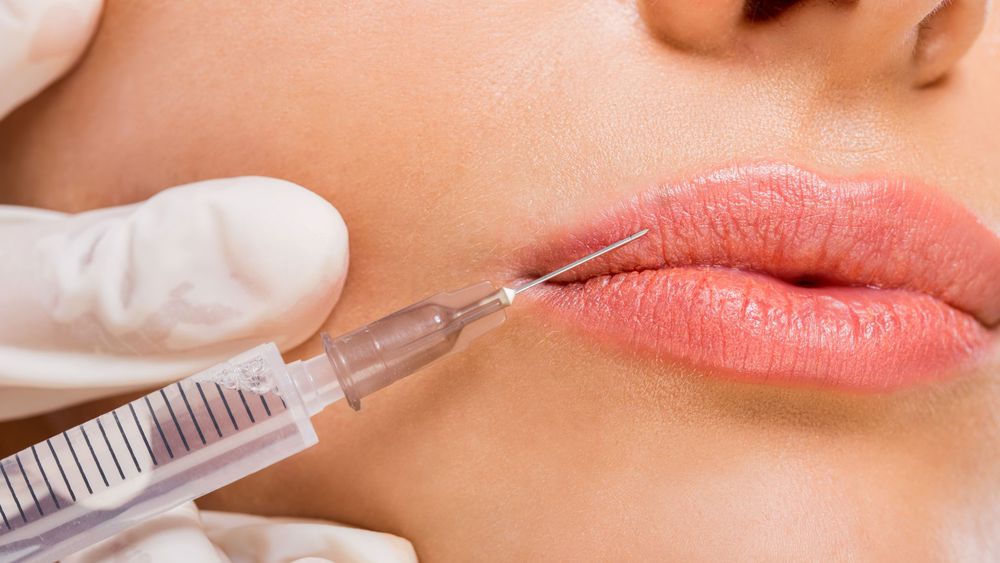
Hyaluronic acid injection
The hyaluronic acid injections can soften and reduce lines and folds and restore volume in the cheekbones, the cheeks and around the mouth; they do not eliminate all wrinkles. The volume is visible immediately, after a little swelling, if the product is injected in the right places and in the right quantity, and it lasts about six to eighteen months.
What is botulinum toxin (Botox) and what can it do for wrinkles?
Botulinum toxin, sold under brand names such as Botox, Dysport and Xeomin, is a purified protein that is injected in tiny amounts into specific facial muscles to relax them, so that the lines caused by repeated expression, frown lines, forehead lines and crow’s feet, soften or disappear while the muscle is relaxed. It does not “fill” wrinkles, which is the job of a filler; it works by reducing the muscle movement that creases the skin. The effect begins after three to seven days, is at its best at about two weeks and lasts about three to four months, after which the muscle recovers and the treatment is repeated; most people who continue have it three or four times a year, rather than two or three, and some use less often. Botulinum toxin is also used to lift the tail of the eyebrow slightly, to soften bands in the neck (searches for “turkey neck botox” in English refer to the neck bands, not the country), to treat jaw clenching and to reduce excess sweating.
Side effects are usually minor: small bruises, a headache, temporary swelling and, occasionally, a drooping eyelid or brow or an asymmetric smile if the toxin spreads to a neighbouring muscle, which resolves over weeks. Botulinum toxin is a prescription-only medicine in the UK and many other countries; it should be prescribed and administered by a qualified doctor, nurse or dentist, using a licensed product. Counterfeit and unlicensed products circulate, and the use of diluted or fake toxin is a real risk: ask to see the vial, the brand and the batch number.
Ask which product is used, who is injecting and how many units are planned for each area.
Plan to be able to return for a review at about two weeks, or arrange it with a doctor at home.
What do hyaluronic acid fillers do and how long do they last?
Hyaluronic acid is a substance found naturally in the skin that holds water. Injected as a gel filler in different densities, it restores volume that has been lost with age, supports the cheekbones, softens deep folds such as the lines from the nose to the mouth, reshapes lips, refines the chin and jawline and can improve the hollows under the eyes. The effect is immediate, in the sense that the volume is there when the injection is done, though a little swelling hides the final look for a few days. Fillers soften and lessen wrinkles and folds; the claim that they can “eliminate” them is too strong, and they do not remove fine lines caused by muscle movement, for which a toxin is better. Results last about six to eighteen months depending on the product, the area (lips fade faster than cheeks) and the person, and hyaluronic acid can be dissolved with an enzyme (hyaluronidase) if the result is unsatisfactory or if there is a complication.
The risks are bruising, swelling, lumps, asymmetry and, more seriously but rarely, blockage of a blood vessel by the filler, which can cause skin damage and, around the nose and between the eyebrows, vision problems; this is why the injector should know the anatomy and have hyaluronidase available. Permanent fillers carry a higher risk of long-term complications and are not generally recommended. See the dedicated guide to hyaluronic acid fillers in Turkey.
Ask for the product name, the quantity in millilitres and where hyaluronidase is kept.
Be wary of any clinic that offers very large volumes in one visit or permanent fillers.
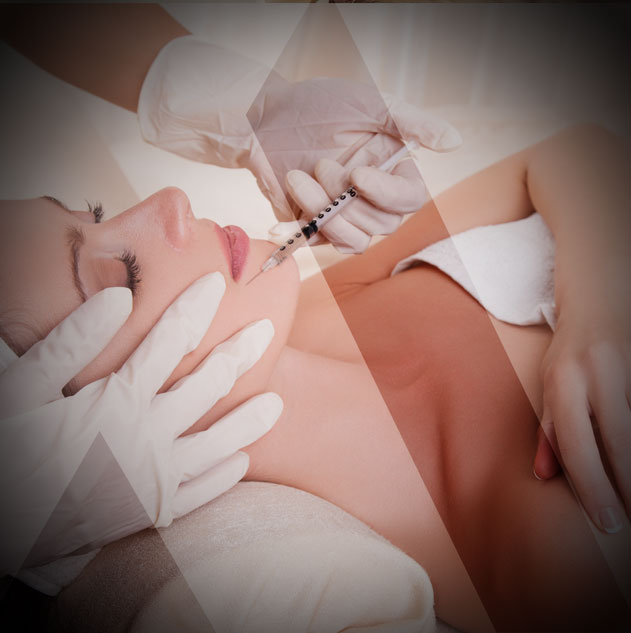
PRP injection
This treatment consists of injecting platelet-rich plasma (PRP), prepared from your own blood, to stimulate repair and collagen production in the skin; evidence shows modest improvement. PRP may also help slow hair thinning in some people when it is regularly injected into the scalp, as an addition to proven medical treatment.
Coolsculpting or cryolipolysis
Coolsculpting or
cryolipolysis is a non-surgical fat-reduction technique (it is not liposuction). It uses a medical device that cools a fold of fat; the fat cells are damaged by the cold and cleared by the body over about two to three months.
It is recommended for people with a slight, pinchable excess of fat on the stomach, thighs, flanks or arms, and typically reduces the fat layer in the treated area by about a fifth to a quarter per session; it is not a weight-loss treatment.
Soft peeling
The chemical peel consists of the application of an acidic substance to remove dead skin cells and to stimulate the fibroblasts, which are responsible for the firmness of the dermis. A course of peeling sessions, followed by maintenance and daily sun protection, can improve the look and radiance of the skin.
Laser hair removal
Laser hair removal uses light pulses emitted by a laser to damage the hair follicles, and gives long-term hair reduction after several sessions; it is tolerable rather than painless, works best on dark hair, and the result is described as permanent reduction, not guaranteed permanent removal.
What are PRP and skin boosters and what does the evidence say?
Platelet-rich plasma (PRP) treatment uses a small sample of your own blood, which is spun in a centrifuge to concentrate the platelets, and the resulting plasma is injected into the skin or scalp, or applied with microneedling. Platelets release growth factors, and the idea is that they stimulate repair and collagen production. In the skin, studies suggest modest improvements in texture, fine lines and under-eye appearance, with variable results and no standard protocol; usually three sessions a month apart are proposed, followed by maintenance. In the scalp, PRP has moderate evidence for slowing hair thinning in androgenetic alopecia in some people, as an addition to proven medical treatment, and does not replace it. The claim that PRP “regenerates” skin cells and brings back hair growth is stronger than the evidence. The so-called “vampire facelift” is PRP with microneedling, not a facelift.
Skin boosters are injections of non-crosslinked hyaluronic acid, sometimes with vitamins or amino acids, spread across the skin to improve hydration, glow and fine lines, rather than to add volume; mesotherapy is a related technique using small injections of active substances. The effect is subtle, takes a series of sessions and fades over months. Evidence is limited and results vary: they suit people who want better skin quality and do not need volume or lift.
Ask what evidence supports the treatment proposed for your concern, and how many sessions are expected.
Be wary of any promise that PRP will regrow hair completely.
What is cryolipolysis (CoolSculpting) and how much fat does it remove?
Cryolipolysis, best known under the brand name CoolSculpting, is a non-surgical treatment in which an applicator cools a pinched fold of skin and fat to a temperature that damages fat cells without harming the skin. The fat cells do not disappear on the spot, as the idea that the fat is “atomised” by the cold suggests: they are damaged by the cold, gradually die over the following weeks, and are cleared by the body over about two to three months. A single session on an area usually reduces the fat layer by roughly twenty to twenty-five percent, which is a modest change, and a second session may be needed; results are judged at about two to three months. It is suited to people at or near a stable weight who have a small, pinchable pocket of fat on the abdomen, flanks, thighs, arms or under the chin that resists diet and exercise. It is not a treatment for obesity, for loose skin or for large volumes of fat, and it does not replace liposuction when a bigger change is wanted. See the guide to liposuction in Turkey.
Common effects are redness, numbness, tingling, bruising and tenderness in the treated area for days to weeks. A rare complication called paradoxical adipose hyperplasia, in which the fat in the treated area enlarges instead of shrinking, has been reported, typically appearing after a few months and often needing surgery to correct; patients should be told about it. Ask which device is used and whether it is the genuine brand or an imitation, since the quality of devices varies.
Ask how many sessions are planned and what reduction is expected in your case.
Keep your weight stable: the treatment removes fat cells in one area, not weight.
What do chemical peels do and how often are they needed?
A chemical peel is the application of an acid solution to the skin, which removes the superficial layers and stimulates renewal and collagen production. Superficial (soft) peels with glycolic, lactic or salicylic acid refresh the skin, improve dullness and mild uneven tone, and are repeated, typically in a series of three to six sessions at two- to four-week intervals, followed by maintenance every few months; medium and deep peels act on deeper layers, treat spots, fine wrinkles and scars more strongly, and need a longer recovery with redness, peeling and sun avoidance. The suggestion that two or three soft peels a year are enough to give a hydrated, oxygenated, radiant skin is optimistic: a course of sessions is usually more effective than occasional peels, and daily sun protection and a skin-care routine matter more than the peel itself. Risks include redness, irritation, prolonged pigmentation (more frequent in darker skin types), infection and, with deep peels, scarring; peels should be chosen by a doctor who knows your skin type and avoids the sun for weeks afterwards. See the guide to chemical peels in Turkey.
Stop retinoids and avoid sun exposure as the clinician directs before and after a peel.
Ask what the downtime will be before you plan a trip.
How does laser hair removal work and is it permanent?
Laser hair removal uses pulses of laser light that are absorbed by the pigment in the hair and heat the follicle enough to damage its ability to regrow. It is often described as painless; in fact most people feel a snapping or warm sensation that is tolerable, and sensitive areas can hurt more. The word “permanent” should be used carefully: regulators describe the result as permanent hair reduction, not guaranteed permanent hair removal. Because hairs are only sensitive to the laser when they are in their growth phase, several sessions, commonly six to eight, spaced four to eight weeks apart (more widely for body areas) are needed to catch each follicle, and some people need maintenance sessions later, especially with hormonal causes of hair growth. The treatment works best on dark hair and lighter skin; for darker skin tones, devices such as the long-pulse Nd:YAG are safer, and light, red or grey hair responds poorly or not at all. Risks include redness, swelling, burns, blistering and changes in pigmentation, which are more likely in tanned skin, with the wrong device or settings, or if the sun is not avoided; pregnancy, certain medicines and recent tanning are reasons to delay.
The treatment “destroys the hair at its root so that it no longer grows” is therefore a simplification: many hairs are permanently reduced, some regrow finer or lighter, and results vary by area, hormone levels and hair colour. Ask for a patch test and for the type of laser used.
Avoid sun, tanning beds and self-tanning products for several weeks before treatment, and shave rather than wax or pluck.
Plan the full course of sessions: a single session in a short trip will not remove hair.
What can aesthetic medicine do for spots, acne scars, stretch marks and burns?
Aesthetic medicine is often presented as treating spots, acne scars, stretch marks and burns, and these concerns deserve realistic answers. For pigmentation and sun spots, treatments include peels, lasers and intense pulsed light, together with medical creams and strict sun protection; some pigmentation (melasma, in particular) is chronic and relapses, and can be made worse by aggressive treatment, so a diagnosis by a doctor comes first. For acne scars, the best results come from a combination of microneedling, radiofrequency microneedling, fractional laser resurfacing, subcision and, for deep scars, fillers or surgical techniques, usually over several sessions; improvement is gradual and partial, and a clear-skin goal is not realistic for severe scarring. For stretch marks, results are modest: newer stretch marks (red) respond better to lasers and microneedling than older, white ones, and treatments reduce the look rather than remove them. For burn scars, treatment depends on the type of scar and may involve lasers, silicone, pressure garments, injections or surgery under the care of a specialist.
Energy-based devices (radiofrequency, ultrasound or HIFU) are marketed for skin tightening; they can give a modest firming for mild laxity, and do not replace a surgical lift for significant sagging. In every case, ask what improvement is realistic, how many sessions are needed and what the downtime and risks are for your skin type.
Ask for photographs of the clinic’s own results in people with your skin type and your type of scar.
Avoid sun and follow the aftercare strictly: pigment problems are common after energy treatments.
What is “gastric botox” and is it a good way to lose weight?
“Gastric botox” or “stomach botox”, the subject of many searches linked with Turkey, refers to injecting botulinum toxin into the wall of the stomach during an endoscopy, in the hope of slowing stomach emptying and reducing hunger. The idea is not supported by good evidence: controlled studies have given mixed or negative results, any weight loss is small and temporary and the treatment is not approved as a weight-loss therapy by major regulators and guidelines. It carries the usual risks of an endoscopy under sedation, and the effect, if any, wears off in months. It is not equivalent to a gastric balloon, a sleeve or a bypass, which are established procedures with defined indications, and it should not be sold as a quick solution to obesity. If you want help to lose weight, see a doctor or a specialist weight-management service, who can explain medicines, behavioural programmes and, when appropriate, procedures such as the gastric balloon or gastric sleeve.
Be cautious about any clinic that offers gastric botox as an effective weight-loss treatment, and ask what evidence supports it.
Ask your own doctor before agreeing to an unproven weight-loss treatment.
Weight loss lasting for years usually needs a medical plan, not a single injection.
What are the downtime and side effects of each treatment at a glance?
| Treatment | Typical downtime | Common effects | Rarer but important risks |
|---|---|---|---|
| Botulinum toxin | None; return to normal life at once. | Small bruises, headache, temporary heaviness. | Drooping eyelid or brow, asymmetric smile, spread to other muscles. |
| Hyaluronic acid fillers | 0 to 3 days; swelling and bruising possible. | Swelling, tenderness, lumps, asymmetry. | Blocked blood vessel with skin damage or vision problems; infection; delayed nodules. |
| PRP and skin boosters | 0 to 2 days. | Redness, small bruises, tenderness. | Infection; uneven result. |
| Superficial peel | 1 to 5 days of flaking and redness. | Dryness, tightness, sensitivity. | Irritation, pigmentation, infection. |
| Medium or deep peel | 1 to 3 weeks. | Redness, peeling, swelling. | Scarring, lasting pigment changes, infection. |
| Laser resurfacing or microneedling | 2 days to 2 weeks depending on depth. | Redness, swelling, crusting. | Burns, pigment changes, scarring, cold sores. |
| Laser hair removal | None to 2 days. | Redness, small bumps. | Burns, blisters, pigment changes. |
| Cryolipolysis | None. | Numbness, tenderness, bruising for days to weeks. | Paradoxical enlargement of fat (rare). |
Downtime is not the same as risk: a treatment with no downtime may still have important risks, and the most serious complications of injectables, such as a blocked vessel, are rare and can happen in minutes. Ask the practitioner what to watch for in the first hours and days, and make sure that you know whom to call.
Tell the practitioner about cold sores, scarring tendency, autoimmune disease, pregnancy and medicines before any treatment.
How often will I need each treatment over a year, and what does it add up to?
| Treatment | Usual schedule | Sessions per year | Planning note |
|---|---|---|---|
| Botulinum toxin | Every 3 to 4 months. | 3 to 4 | Review at about 2 weeks after the first treatment. |
| Hyaluronic acid fillers | Every 6 to 18 months, depending on area and product. | 1 to 2 | Lips fade faster than cheeks. |
| Skin boosters | A series of 2 to 3, then maintenance. | 3 to 4 at first | Results build over weeks. |
| PRP for skin | Series of 3 a month apart, then maintenance. | 3 to 5 | Evidence modest. |
| PRP for hair | Series of 3 to 4, then every 3 to 6 months. | 3 to 6 | Add to proven medical treatment. |
| Superficial peels | Series of 3 to 6, 2 to 4 weeks apart, then maintenance. | 4 to 8 | Daily sun protection essential. |
| Laser hair removal | 6 to 8 sessions, 4 to 8 weeks apart. | 6 to 8 in the first year | Maintenance sessions later for some. |
| Cryolipolysis | 1 to 2 sessions per area, results at 2 to 3 months. | 1 to 2 | Not a weight-loss treatment. |
Adding up the annual schedule shows why the total cost of non-surgical treatments over several years can approach that of an operation, and why the “cheap” price of a single session can mislead. If you will need repeat treatments, a local practitioner who knows your face and your history, even at a higher price per session, may be the safer and more economical choice, with an occasional trip to Turkey for selected treatments.
Ask for a realistic annual plan and cost before you start.
Stop and review after the first course instead of committing to a long series in advance.
How do I protect myself from counterfeit products and unqualified injectors?
Non-surgical treatments look simple, and that is why they attract unqualified providers, but they are medical treatments with real risks, and the market for fake and unlicensed products is large. To protect yourself, ask who will perform the treatment and what their qualification is (a doctor, a dermatologist, a plastic surgeon, or a nurse or dentist working with proper training and supervision); ask to see the product, the packaging, the brand and the batch number before it is used, and check that the product is licensed in the country of origin, which can be checked with the manufacturer; avoid treatment in non-medical settings, at parties or by someone who cannot explain the risks; and make sure that the clinic has the equipment and the medicines to deal with complications, including hyaluronidase for fillers and an emergency plan. In the UK, botulinum toxin is a prescription-only medicine and cannot lawfully be advertised to the public by brand; the Joint Council for Cosmetic Practitioners and the MHRA provide guidance on safe practice. If a price is far below what the product costs, the product may not be genuine.
Never accept an injection of a substance that you cannot identify, and never accept permanent fillers or silicone injections, which have caused serious long-term damage. If anything is wrong after a treatment, return to the clinic and, if needed, seek medical care at home, bringing the product details.
Take a photograph of the product packaging and the batch number.
A good practitioner will be glad to answer these questions.
How much does aesthetic medicine cost in Turkey compared with the UK and the US?
The price of non-surgical treatments depends on the product and the quantity (units of toxin, millilitres of filler), the number of sessions, the doctor and clinic, the device and what the package includes. In general, prices in Turkey are lower than in the UK, the US and many European countries for private patients, which explains why people ask about aesthetic medicine prices abroad. Aram Clinic states that its aesthetic medicine treatments in Turkey are offered at attractive prices as part of packages that include the hotel and transportation; the real difference depends on what you compare, so check the claim against written quotes. The words “cheap” and “low price” are not guarantees of quality, and in aesthetic medicine, the price of a treatment should be compared with the cost of the product itself: a filler syringe or a vial of toxin has a minimum cost, and a price far below it points to a diluted, counterfeit or expired product.
Compare like with like: the same brand of product, the same quantity, the same qualifications of the injector and the same review or touch-up policy. Because most non-surgical results are temporary, the cost over a year or more, including repeat treatments, is the relevant figure. A treatment that is cheaper by a few pounds per session but requires a trip to Turkey each time is not cheaper.
What should a written treatment quote include?
Treatment : name, areas, number of sessions.
Product : brand, quantity and batch number; device brand for lasers and cryolipolysis.
Practitioner : name, qualification and registration.
Consultation : assessment, photographs, contraindications.
Aftercare : instructions, review, touch-up policy.
Complications : who treats them and who pays.
Travel services : transfers, hotel nights, interpreter.
Payment terms : deposit, refund conditions, currency.
Aram Clinic does not publish fixed prices on this page because the cost depends on your case: request a free express quote describing your concern and, if you can, with photographs.
What is included in an aesthetic medicine package and is it worth travelling for?
A package may include the consultation, the treatment, the product, the hotel stay, airport transfers, an interpreter or coordinator and a follow-up call. “All-inclusive” has no legal definition, so ask for the list in writing and check what is excluded: extra sessions, touch-ups, treatment of complications and the companion’s costs.
Whether it is worth travelling depends on the treatment. For a treatment that needs a single visit and carries low risk (for example a peel, or a first filler session), the savings may justify a combined holiday and treatment, provided that you have time to see the result and any side effects before you fly. For treatments that need several sessions (laser hair removal, PRP, cryolipolysis, a course of peels) or a review after two weeks (toxin), travelling is poorly suited, and a local clinic with a follow-up plan is more practical. For treatments with a risk of delayed complications, such as fillers around the nose or deep peels, having a doctor nearby for the first days matters more than the saving. It is also worth remembering that products and devices used in Turkey may differ from those licensed in your home country.
Ask how many days you need to stay and what follow-up is included after you fly.
Be wary of packages that bundle many treatments in one trip.
Can aesthetic medicine be combined with surgery, and when is surgery the better choice?
Aesthetic medicine and surgery complement each other. Non-surgical treatments are well suited to early signs of ageing, to maintenance after surgery and to people who do not want or cannot have an operation; surgery is better when sagging, excess skin or excess fat is significant, because no injection or device can remove skin or lift heavy tissue. A facelift or eyelid surgery lifts and removes excess; a toxin, filler or peel afterwards refines and maintains, usually after healing is complete. Liposuction removes larger amounts of fat than cryolipolysis; a rhinoplasty changes the shape of the nose, while a filler only camouflages. A good doctor will recommend the least invasive treatment that reaches your goal, and tell you when a non-surgical approach will not.
If you are planning surgery, ask your surgeon when it is safe to have non-surgical treatments before and after, since fillers, toxin and lasers may need to be timed around an operation.
Tell every practitioner about any other treatments and surgery you have had or are planning.
Do not combine many treatments at once to use up a package.
What are the downsides of aesthetic medicine abroad and does insurance cover it?
The main limits concern follow-up and traceability. Most side effects of toxins and fillers appear in the first days or weeks (a drooping eyelid, a lump, a blocked vessel), and if you have already flown home, your local doctors will have to deal with them, with only your word about the product used; some are reluctant to treat complications from treatments done elsewhere, and some UK practitioners will not inject over fillers they cannot identify. Treatments that need courses (laser, PRP, peels, cryolipolysis) are hard to complete abroad. Legal recourse is more complicated across borders, and differences in language and documentation can lead to misunderstandings.
Cosmetic treatments are not covered by public health systems or by most insurance, and treatment abroad is almost never covered; travel insurance usually excludes planned cosmetic treatments and their complications. Before you travel, ask the clinic in writing what happens if you have a complication: who treats it, where, what you pay and whether travel is covered.
Keep the product name, batch number, quantity and the practitioner’s name in a safe place.
Identify a doctor at home who will see you if you have a problem.
Should I use a medical tourism agency, and how do I plan the trip and the process with Aram Clinic?
Some patients use agencies that organise the trip and introduce them to a clinic, often through social media or messaging apps. This can simplify logistics, but it creates a conflict of interest when the agency is paid a commission by the clinic: its incentive is to sell a package. An agency is not a doctor and cannot replace a consultation. Warning signs include fixed prices before any assessment, very low prices for branded products, many treatments in one visit, pressure to book quickly and the refusal to name the practitioner or the product. Ask for the contract in writing, naming the clinic and the doctor, and ask Aram Clinic what its exact role is and how complaints are handled.
Plan the stay with the clinic: most non-surgical treatments need only a day, but a review at about two weeks (toxin) or a recovery period (peel) may be needed. Aram Clinic describes a simple journey: you request a free quote online, describing your concern and sending photographs; the medical team reviews them and a doctor or coordinator discusses your case, usually by video; you receive a written proposal and decide without pressure; you travel and are met on arrival; after the consultation, the treatment takes place at the partner clinic; and you return home with instructions and a plan for follow-up, with remote contact. These are the clinic’s own descriptions: check that the doctor and the clinic are named in writing, that the products are specified and that the quote lists what is included.
The first step is simple: complete the free express quote with your photographs, or learn more about Aram Clinic.
A responsible team will tell you if a treatment is not right for you, or if a local clinic would serve you better.
What aftercare do I need at home and what questions should I ask before booking?
Aftercare depends on the treatment, and a clinic should give you written instructions. In general: after toxin, avoid rubbing the area and strenuous exercise for the rest of the day and expect the effect to build over two weeks; after fillers, avoid pressure on the area, heat, alcohol and exercise for a day or two and report severe pain, blanching or visual changes at once; after peels, lasers and microneedling, avoid sun, use sun cream daily and follow the skin-care routine; after cryolipolysis, expect numbness and tenderness and keep your weight stable; after laser hair removal, avoid sun, heat and friction for several days. Keep the product and batch details, take photographs and attend reviews.
What exactly is the problem : has a doctor assessed my face or body and explained what will and will not work?
Which treatment and product : brand, quantity, batch number?
Who performs it : qualification and registration?
What are the risks in my case : and what do I do if there is a complication?
How many sessions : and can I complete them?
What results are realistic : and how long will they last?
What is included in the quote : review, touch-up, extra nights?
Who will see me at home : have I arranged a doctor for follow-up?
Write your questions down and ask for the answers in writing. Take your time: no discount is worth deciding under pressure, and a second opinion from a doctor in your own country is a sensible precaution.
A team that assesses you, names the product, explains the limits and risks and advises against a treatment when it is not appropriate is more trustworthy than one that offers everything at the lowest price.
Aesthetic medicine in Turkey: the right treatment for the right concern first, a genuine product and a qualified practitioner second, a plan for follow-up third, the price last
Aesthetic medicine in Turkey offers non-surgical treatments with different jobs: botulinum toxin relaxes the muscles behind expression lines for about three to four months, hyaluronic acid fillers restore volume for about six to eighteen months, PRP and skin boosters give modest improvement in skin quality, peels and lasers treat texture and pigmentation, laser hair removal gives long-term reduction after six to eight sessions, and cryolipolysis reduces a pinchable pocket of fat by roughly a fifth to a quarter per session. Most results are temporary and need repeating, none of them lifts significant sagging or replaces liposuction, “gastric botox” is not an established weight-loss treatment and spots, acne scars, stretch marks and burns are only partly improved. The main risks come from the practitioner and the product rather than the country: counterfeit toxin, diluted or permanent fillers, devices of unknown quality and settings that do not suit your skin type, with delayed complications such as a drooping eyelid, a blocked vessel, burns or pigment changes that appear after you have flown home. Prices in Turkey are lower than in the UK or the US, but a price far below the cost of the product, a package that bundles many treatments in one trip and a lack of follow-up are warning signs, treatments that need courses or a two-week review are poorly suited to a single visit abroad, and cosmetic treatments are not covered by insurance.
Before booking, describe your concern and send photographs for a remote assessment, ask who will perform each treatment and what their qualification is, which product, brand and batch will be used, what results are realistic and how long they last, how many sessions are needed, what the risks are in your case, who treats a complication and who will see you after your return. If your project is ready, the next step is to send your request to the Aram Clinic team through the free express quote, so that they can review your case and propose a written plan that you can discuss with a doctor of your own choice, without pressure.
Official sources to consult
This page draws on the sources below. Guidelines, product licences and rules change: always consult the current version and your own doctor’s advice.
NHS : nhs.uk : advice on cosmetic procedures, fillers, botulinum toxin and treatment abroad.
Medicines and Healthcare products Regulatory Agency (MHRA) : gov.uk : rules on prescription-only medicines, botulinum toxin and counterfeit products.
Joint Council for Cosmetic Practitioners (JCCP) : jccp.org.uk : standards and a register of practitioners for non-surgical cosmetic treatments.
British Association of Aesthetic Plastic Surgeons (BAAPS) : baaps.org.uk : patient information on non-surgical treatments.
American Society of Plastic Surgeons (ASPS) : plasticsurgery.org : patient information on injectables and skin treatments.
American Academy of Dermatology (AAD) : aad.org : patient information on peels, lasers and laser hair removal.
Republic of Türkiye Ministry of Health : saglik.gov.tr : licensing of health facilities and health tourism.
UK Government and US State Department travel advice : gov.uk and travel.state.gov : entry requirements and health travel advice.