+44 20 7903 7116


 +44 20 7903 7116

Overweight and obesity are very common, and are linked to many factors including diet, activity, genetics, sleep, medicines and health conditions.
Many people have tried approaches such as exercise and dieting, and these do not always work on their own.
Some people prefer not to have a surgical procedure for medical or personal reasons, and that is a legitimate choice.
Aram Clinic offers the gastric balloon in Turkey as a temporary, non-surgical aid to weight loss.
The gastric balloon can help some people lose weight without surgery, but it is a temporary tool, results vary, and it is not the best option for everyone.
Aram Clinic invites you to request a free quote.
Generally, the prices of weight-loss treatments vary depending on your condition and your doctor’s examination.
The gastric balloon is usually less costly than bariatric surgery, but its results are more modest and temporary; no clinic can guarantee a success rate.
According to Aram Clinic, the gastric balloon in Turkey costs about 50% less than in other European countries, America and the UK, within the all-inclusive deal that the clinic offers; check this against written quotes.
Our deal includes :
- A hotel room.
- Your transportation.
- The doctor's payment.
- The medication fees.
Aram Clinic says it works with a medically advanced facility and skilled medical staff; ask for the name and experience of the doctor who will place and remove the balloon.
Price is only one factor: the assessment, the follow-up and the plan for removal matter more.
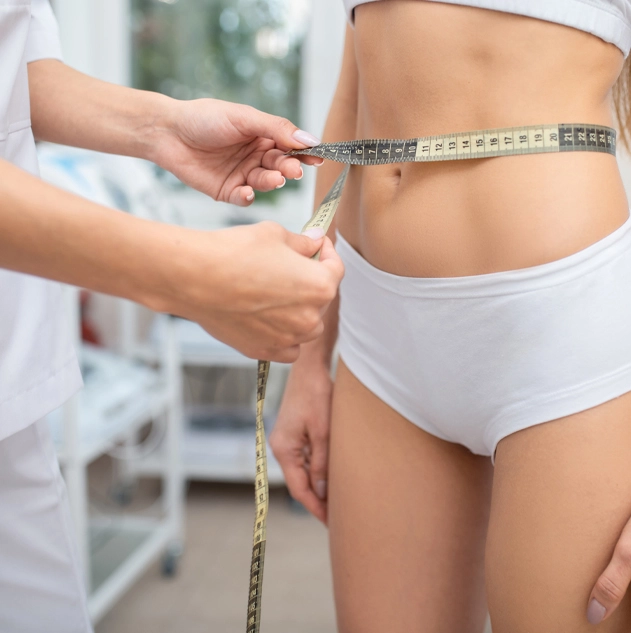
What is gastric balloon ?
The gastric balloon is a non-surgical treatment, performed to help people with overweight or obesity to lose weight.
It uses one or more balloons: an empty balloon is passed into the stomach through the mouth (or swallowed in a capsule) and then filled with saline, air or gas.
The balloon is a temporary treatment: it is left in the stomach for a set period (about four to twelve months, depending on the type) and then removed, and the weight lost afterwards depends on the person’s habits.
While the balloon is inside the stomach, it takes up space, so that you feel full when you eat small amounts of food.
What is a gastric balloon in Turkey and who is it for?
A gastric balloon in Turkey is a temporary, non-surgical weight-loss treatment in which a soft balloon is placed in the stomach, by a doctor in a Turkish clinic or hospital, and filled with saline, air or gas so that it occupies part of the stomach, helps you feel full on smaller portions and supports a change in eating habits. There is no cut: most balloons are placed through the mouth with an endoscope under sedation in about 15 to 30 minutes, and some newer types are swallowed as a capsule. The balloon stays for a set period, usually four to twelve months depending on the type, and is then removed, usually by endoscopy, or in some designs passes out naturally. Aram Clinic says it offers the gastric balloon in Turkey with partner clinics, in an all-inclusive package covering a hotel room, transportation, the doctor’s fees and medication; these are the clinic’s own descriptions and should be verified in writing.
The gastric balloon is for adults with overweight or obesity who have not lost enough weight with diet and exercise, who do not want or are not ready for surgery, and who are prepared to follow a diet and exercise plan during and after the treatment. It is an aid, not a cure: the balloon helps with portion size for a few months, but the weight lost is often regained if habits do not change after removal. It is not suitable for everyone, including people with certain stomach conditions, previous stomach surgery or a large hiatus hernia, and it is generally not a treatment for severe obesity, for which surgery such as a sleeve or bypass is usually more effective.
This page answers the questions people ask most: how a gastric balloon works, which types exist (Orbera, Spatz3, swallowable Allurion-type balloons and others), how much weight you can realistically lose, how much it costs in Turkey compared with the UK, who is a candidate, how the procedure, the first days and the diet work, what the risks are, how removal works, how long to stay and what to check before you book. It draws on guidance from the NHS, NICE, the American Society for Metabolic and Bariatric Surgery, the American Society for Gastrointestinal Endoscopy and the US Food and Drug Administration, and on information supplied by Aram Clinic. It is general information, not medical advice: a doctor must assess you before any treatment.
If you are also looking at other weight-loss treatments in Turkey, Aram Clinic publishes guides on gastric sleeve, gastric bypass, liposuction and tummy tuck. For a personal estimate, use the free express quote.
What are the key facts about the gastric balloon in Turkey at a glance?
| Question | Short answer |
|---|---|
| Is it surgery? | No: no incisions; endoscopy under sedation, or a swallowed capsule for some types. |
| How long does placement take? | About 15 to 30 minutes. |
| How long does the balloon stay? | About 4 to 12 months depending on the type; then removal. |
| Typical weight loss | Often around 10 to 15 percent of body weight while the balloon is in; individual results vary widely. |
| Adaptation | Nausea, vomiting and cramps are common in the first 3 to 7 days. |
| Diet | Staged: liquids, purée, soft food, then normal food in small portions. |
| Time to plan in Turkey | About 2 to 4 days for placement; a second trip or an arrangement for removal. |
| Main risks | Nausea and vomiting, reflux, ulcers, balloon intolerance needing early removal, rare obstruction or perforation. |
| After removal | Weight regain is common unless habits change. |
| Insurance | Rarely covered by public systems; check your policy. |
These are typical ranges, not promises: your doctor decides from your health and your results. A balloon in a person who changes their eating habits and a balloon in a person who does not will give very different results.
If you remember only one thing: the balloon is a temporary tool, and what you do with the months it gives you decides whether the weight stays off.
How does a gastric balloon work?
The gastric balloon works in a simple way: it takes up space in the stomach, so the amount of food that you can eat before feeling full is smaller, and it may also slow the emptying of the stomach, so that you feel full for longer. While the balloon is in the stomach, small portions of food pass around it into the digestive system. Because the balloon is a foreign object, it may also change the hormonal signals of hunger in some people, although the main effect comes from eating less. The effect is strongest in the first weeks and months; some people feel less full as the stomach adapts, which is why the balloon is combined with a dietary plan and follow-up with a dietitian or doctor.
The balloon does not permanently change the stomach and does not remove or divide any part of it. It is not a magic solution: studies show that the average weight lost is modest compared with bariatric surgery, that individual results differ widely and that most of the benefit depends on the lifestyle changes that the balloon makes easier. Because the balloon is removed after several months, the long-term outcome depends on what happens next.
Ask the doctor what support will be provided during the months of the balloon, including dietary advice, check-ups and what to do if you feel unwell.
Make a plan for after the balloon is removed, with exercise, meal planning and, if needed, a further treatment.

There are several types of gastric balloons; they vary in the materials, in how they are placed and in how long they stay. Availability and approval differ by country.
ORBERA
This is one of the most common gastric balloons.
It is a single balloon that is placed into the stomach with an endoscope passed through the mouth, and filled through a catheter with about 500 ml of saline with a few drops of blue dye.
It stays in the stomach for about six months; average weight loss in studies is around 10 to 15% of body weight, not 30 to 40 kilograms, although results vary widely.
RESHAPE
It is placed in a similar way to the Orbera and filled with saline, and the weight lost is also modest and variable.
The main difference is that two linked balloons are used instead of one, which was designed to reduce the risk of a single balloon deflating and moving; evidence that it is safer is limited, and availability varies by country.
OBALON
This type is different: a balloon is swallowed in a small capsule and then filled with gas under X-ray control, without endoscopy; availability varies by country.
More than one capsule can be swallowed over several weeks to increase the volume occupied in the stomach, and the balloons are filled with nitrogen gas.
What are the types of gastric balloons: Orbera, Spatz3, swallowable balloons and others?
| Type | How it is placed | How long it stays | Notes |
|---|---|---|---|
| Single saline balloon (for example Orbera) | Endoscopy under sedation; filled with about 500 ml of saline with a few drops of blue dye. | About 6 months. | One of the most widely used; removed by endoscopy. |
| Adjustable balloon (for example Spatz3) | Endoscopy; volume can be adjusted later. | Up to 12 months. | Adjustment is intended to reduce intolerance or improve results; availability varies. |
| Dual balloon (for example ReShape Duo) | Endoscopy; two linked balloons. | About 6 months. | Availability varies by country. |
| Swallowable balloon (for example Allurion or Elipse) | A capsule is swallowed, then the balloon is filled through a thin tube; no endoscopy. | About 4 months; it opens and passes naturally in some systems. | Less invasive; availability and approval vary; follow-up is essential. |
| Capsule-based gas balloons (for example Obalon) | Swallowed capsules, filled with gas under X-ray. | About 3 months for the set. | Availability varies; removal by endoscopy. |
The types of gastric balloons vary in the materials used, how they are placed and for how long they stay. The most common type is a single balloon placed by endoscopy and filled with saline coloured with a blue dye: if the balloon leaks, the dye turns the urine blue or green, which is a warning sign that it has deflated and must be reported at once. The two-balloon systems were designed to reduce the risk of a single balloon deflating and migrating, but evidence that they are safer is limited. The swallowable balloons avoid endoscopy and anaesthesia but are less widely approved and have had safety discussions. Gas-filled capsule systems use gas, usually nitrogen, to inflate the balloon; the gas is chosen for safety if it leaks. Product names, approvals and availability differ by country and change over time, so ask the clinic exactly which balloon it uses and whether it is approved for use in your home country.
Searches such as “12-month gastric balloon Turkey”, “swallowable gastric balloon Turkey”, “Allurion gastric balloon Turkey” and “Spatz3 gastric balloon Turkey” show how much patients compare options.
Gastric balloon, gastric sleeve, gastric bypass or medication: which is right for me?
| Option | How it works | Typical weight loss | Notes |
|---|---|---|---|
| Gastric balloon | Temporary space-occupying device. | Around 10 to 15 percent of body weight in 6 months, with wide variation. | No surgery; temporary; regain is common after removal. |
| Gastric sleeve | Surgery removes most of the stomach. | Often 20 to 30 percent or more of body weight at one to two years. | Permanent; major operation; see the sleeve guide. |
| Gastric bypass | Surgery reroutes the digestive system. | Often 25 to 35 percent of body weight. | Permanent; more complex; see the bypass guide. |
| Weight-loss medication | Injections or tablets reduce appetite. | Varies; can be substantial with some medicines. | Must usually continue; prescription and monitoring. |
| Diet and exercise programme | Lifestyle change with professional support. | Variable. | The basis of every approach. |
The balloon is a reasonable option for people with a body mass index in the lower range of obesity who want to avoid surgery and are ready to change habits, or as a step before surgery. For people with a higher body mass index, severe obesity-related disease or a long history of obesity, bariatric surgery generally gives larger and longer-lasting results. See the guides to gastric sleeve and gastric bypass in Turkey.
A good doctor will discuss all of these options, not just the balloon, and will say so if another option is better for you.
How much weight can I lose with a gastric balloon and will I regain it?
Results vary, but studies of gastric balloons report an average weight loss of roughly ten to fifteen percent of total body weight over about six months, which for a person weighing 100 kilograms is about ten to fifteen kilograms, with some people losing more and some much less, and a minority losing little or having the balloon removed early because of intolerance. Figures such as thirty to forty kilograms, or thirty to thirty-five percent of body weight, which are sometimes advertised, are not typical of balloon treatment and are closer to what surgery achieves. The loss is generally fastest in the first two to three months. The best results come from people who follow the dietary plan, build exercise into their day and keep in close contact with their dietitian.
What happens after removal is the central question. Without lasting changes in eating and activity, a substantial part of the weight lost is often regained within a year or two. Some people maintain much of the loss, particularly those who engaged with the programme, and some choose a second balloon or surgery. The balloon should therefore be seen as a six-month window of opportunity, with a plan for what follows.
Ask your doctor what average weight loss the clinic’s patients achieve, how it is measured and what proportion regain weight.
Weigh yourself, take measurements and photographs before the balloon, and at regular intervals: they help you and your doctor judge progress.
Who are the best candidates for a gastric balloon and who should not have one?
A gastric balloon is generally recommended for adults with a body mass index in the range of obesity, often about 30 to 40, or of overweight with obesity-related health problems, who have not lost enough weight through supervised diet and exercise and who are committed to following the dietary and follow-up plan. A body mass index between 30 and 35 is sometimes described as the ideal range, but eligibility depends on guidelines, the type of balloon and your health, and some devices are used at lower or higher values. It is not an operation for losing small pockets of fat: in that case, liposuction may be more appropriate, and young people under 18 should not have a balloon unless in specialist medical circumstances.
A balloon is not suitable, or should be postponed, in people with a large hiatus hernia, severe reflux, gastric ulcers or active gastritis, previous stomach or bariatric surgery that changes the anatomy, swallowing disorders, inflammatory bowel disease, bleeding disorders or those who take blood thinners or long-term anti-inflammatory medicines, liver disease with enlarged veins in the oesophagus (varices), pregnancy or plans to become pregnant, uncontrolled psychiatric illness, eating disorders such as binge eating, and alcohol or drug dependence. A gastroscopy before the balloon checks the stomach for ulcers and structural problems; chronic gastritis or stomach ulcers are a reason to treat first.
A responsible doctor will tell you honestly if a balloon is not the best option and may propose surgery, medication or another approach.
Tell the doctor about all the medicines you take, including anti-inflammatory drugs and supplements.
Who are the best candidates for gastric balloon ?
If you are under 18, or if you only have localised accumulations of fat, you are not suitable for a gastric balloon.
In the second case, liposuction may be more appropriate. A gastric balloon is also not suitable for people with chronic gastritis or stomach ulcers, and other conditions listed below.
The balloon is a simple procedure that can help weight loss, typically about 10 to 15% of body weight in studies (not up to 35%), and it is not suitable for all people with obesity.
The gastric balloon is often considered for people whose BMI is in the lower range of obesity (about 30 to 35 or up to 40, depending on guidelines and the device), who have not lost weight with diet and exercise.
How to prepare before the gastric balloon operation?
Before the gastric balloon procedure, some preparations are needed.
One of the first steps to do before the operation is carrying out all the tests and x-rays
required by your doctor before the operation to check on your health and to make sure that
the operation can be performed without potential risks.
A gastroscopy will be done before the operation to ensure that there are no ulcers or
congenital stomach defects.
You have to make sure that you let your doctor know of your medical history and tell them
about any drugs or medications you take regularly.
You must fast for several hours (commonly six to eight) before the procedure because it is done under sedation or light anaesthesia, as determined by the doctor.
Make sure you have someone prepared to drive you home after the operation.
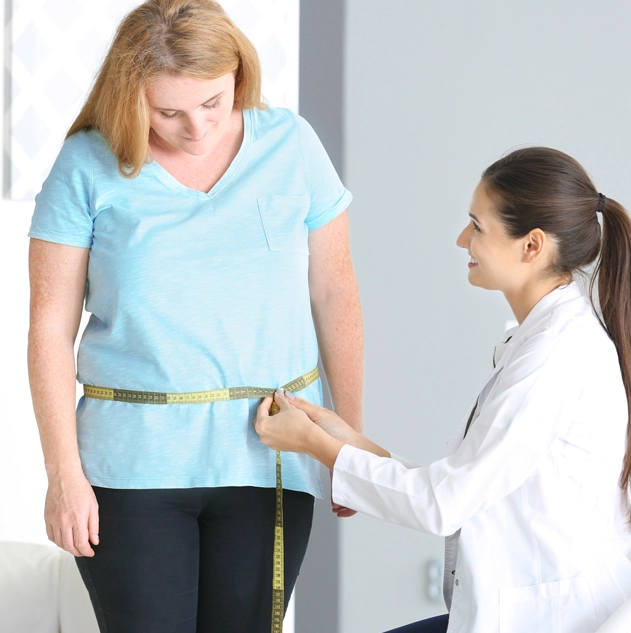
What happens during the gastric balloon operation ?
The doctor begins by giving sedation to help you relax and to make the passage of the endoscope comfortable.
The balloon is then passed through the mouth into the stomach with an endoscope, empty, in the case of the Orbera or ReShape balloon; with the Obalon technique, a small capsule (or several) is swallowed.
With the Orbera or ReShape balloon, the balloon is filled through a catheter with sterile saline and a few drops of blue dye; if the balloon leaks, the dye is absorbed and the urine turns blue or green, which is a warning sign to report at once.
With the Obalon technique, the balloons are filled with gas (nitrogen).
After the procedure, you stay for a period in the clinic so that the doctor can check your condition, and in most cases an overnight stay is not required.
How much does a gastric balloon cost in Turkey compared with the UK and the US?
The price of a gastric balloon in Turkey depends on the type of balloon (a six-month saline balloon, a 12-month adjustable balloon or a swallowable balloon), the number of consultations and follow-up visits, the medicines, the dietitian’s support, the removal procedure, the clinic and what the package includes. In general, quotes in Turkey are lower than in the UK, the US, Canada or Australia, which explains the many searches such as “gastric balloon cost Turkey”, “gastric balloon Turkey price”, “12-month gastric balloon price Turkey” and “swallowable gastric balloon price Turkey”. Aram Clinic states that the gastric balloon in Turkey costs about 50 percent less than in other European countries, the US and the UK, as part of an all-inclusive deal; the real difference depends on what you compare, so check the claim against a written quote and a quote from a clinic at home.
Compare like with like: the same balloon, the same length of treatment, the same follow-up and, importantly, whether the removal is included and where it takes place. A low price that includes only placement can become more expensive once removal, repeat endoscopy or travel for a second trip is added.
What should a written quote include?
Balloon : brand, type, volume and duration; whether it is approved in your country.
Placement : endoscopy, anaesthesia or sedation, pre-procedure gastroscopy.
Removal : where, when and the cost; what happens if early removal is needed.
Follow-up : dietitian, doctor reviews, remote support for the whole period.
Medicines : anti-nausea, acid reducers, painkillers.
Travel services : transfers, hotel nights, interpreter.
Complications : how they are handled and who pays.
Payment terms : deposit, refund conditions, currency.
Aram Clinic does not publish fixed prices on this page because the cost depends on your case: request a free express quote.
What is included in an all-inclusive gastric balloon package and is it safe in Turkey?
An all-inclusive package is a single price intended to cover the main parts of the trip. Aram Clinic describes its package as covering a hotel room, your transportation, the doctor’s fees and the medication. A complete package for a gastric balloon may also include the consultation and tests, the gastroscopy, the placement, anti-nausea and acid-reducing medicines for the first days, dietary advice, transfers, an interpreter or coordinator and remote follow-up. “All-inclusive” has no legal definition, so ask for the list in writing and check what is excluded: the removal procedure, extra nights if you need to stay longer, treatment of complications and the cost of a second trip.
Is a gastric balloon in Turkey safe? It can be, when performed by an experienced endoscopist in a licensed facility on a suitable patient, with a proper pre-procedure assessment, a dietitian, follow-up and a plan for removal. Safety depends on the patient’s health, the device, the doctor’s experience and the follow-up, not on the country. Regulators have issued safety communications about balloons, including reports of serious complications such as obstruction, perforation, pancreatitis and over-inflation, and have advised that patients be informed about symptoms and the time for removal. Be wary of any clinic that treats the balloon as a risk-free quick fix or that does not discuss removal.
Ask how the balloon will be removed, when and by whom, and what to do if you have severe symptoms at home.
Be cautious with “the lowest price” or “a high success rate” promises: no clinic can guarantee a result.
How do I prepare for a gastric balloon and which tests are needed?
Before the procedure, you carry out all the tests and examinations required by your doctor to check your health and make sure that the procedure can be performed without avoidable risks. These usually include blood tests, an assessment of your weight and body mass index, and an examination of the stomach by gastroscopy (an endoscopy of the oesophagus, stomach and first part of the intestine) to make sure that there are no ulcers, hiatus hernia or structural problems of the stomach; some doctors test for the bacterium Helicobacter pylori, which can cause ulcers. Tell your doctor about your medical history and all the medicines you take regularly, including anti-inflammatory drugs and blood thinners, which may need to be stopped. You must fast for several hours before the procedure, usually six to eight, because it is performed under sedation or light anaesthesia, as decided by the doctor.
Arrange for someone to take you home or to your hotel after the procedure, since you may be drowsy. Start thinking about the diet that follows: stock your kitchen with suitable liquids and soft foods, and arrange time off work for the first days. Before you travel, agree the plan for follow-up and for the removal date with the clinic.
Send your recent tests, your medical history and a list of your medicines in advance so that the doctor can give you a provisional opinion before you travel.
Ask for the consent form in English to read at home.
What happens during the gastric balloon procedure, step by step?
The procedure is performed on an outpatient basis. You receive sedation, or a light anaesthetic, to help you relax and to make the passage of the endoscope comfortable; a general anaesthetic is not usually required. The doctor first carries out a gastroscopy to examine the stomach once more. In the endoscopic balloon procedure, the deflated balloon is passed through the mouth into the stomach under direct vision, then filled through a thin tube with sterile saline, typically about 500 millilitres, coloured with a few drops of blue dye; the dye turns the urine blue or green if the balloon leaks, which is a warning sign. In a two-balloon system, both balloons are filled; in an adjustable system, the volume can be changed later. In the swallowable systems, the capsule is swallowed with water and the balloon is filled through a thin tube once it is in the stomach, under X-ray control; the tube is then withdrawn. The whole procedure takes about fifteen to thirty minutes.
After the procedure, you stay in the clinic for a period of observation, so that the doctor can check that all is well, and in most cases you do not need to stay overnight. You are given anti-nausea medicines and an acid-reducing medicine, and written instructions on diet and symptoms. Return home to rest, preferably with someone with you for the first night.
Ask which balloon will be used, what volume it will be filled to and what dye or gas it contains.
Keep the information leaflet or card for the balloon, including the date and the planned removal date.
What are the first days like and how do I cope with nausea and cramps?
The first three to seven days are usually the hardest. The stomach reacts to the presence of the balloon with spasms, so nausea, vomiting, cramps, bloating and a feeling of fullness or discomfort are very common, and some people feel exhausted. This is the adaptation period; it improves as the stomach gets used to the balloon, and it is eased by the medicines prescribed (anti-nausea medicines, antispasmodics, acid-reducing medicines), by sipping small amounts of liquids frequently rather than gulping, by resting, by avoiding fizzy drinks and by following the staged diet exactly. Dehydration is the main risk in these days, so keep drinking, in small sips.
Persistent vomiting that prevents you from drinking, severe pain, a swollen abdomen, bloody vomit, black stools, fever, or blue or green urine (a sign of leakage in a dye-filled balloon) are not part of normal adaptation, and need an urgent call to your doctor or a visit to a hospital. A small proportion of people cannot tolerate the balloon at all, and it is removed early.
Plan to take the first days off work and to be close to your doctor.
Do not take anti-inflammatory painkillers such as ibuprofen or aspirin without the doctor’s agreement, because they can irritate the stomach.
What are the results of gastric balloon?
The results do not appear immediately: weight is lost progressively over the months following the procedure.
Studies report an average loss of about 10 to 15% of body weight over six months; for many people that is roughly 10 to 15 kilograms, and some lose more or less.
The balloon or balloons reduce the space available for food, which helps you to feel full quickly and to eat less.
At the end of the planned period (about six months for a standard balloon), the balloon is emptied and removed from the stomach by gastroscopy.
What are the benefits of gastric balloon operation ?
The procedure can help weight loss in people who follow the programme; results vary, and it does not have the results of bariatric surgery.
One feature of the gastric balloon is that it is non-surgical and does not require an incision or stitches, so there are no surgical scars.
General anaesthesia is not usually needed: sedation or light anaesthesia is used.
Its results are very effective if the you follow the doctor's instructions after the
operation and follows the healthy diet that your dietitian will give you.
The cost is generally lower than that of bariatric surgery, although the weight loss is also more modest and temporary.
Placement and removal are short procedures (about 15 to 30 minutes), but they still carry risks.
What should I eat after a gastric balloon, stage by stage?
After the procedure you follow a specific, staged diet that you and your doctor or dietitian go over in detail. The exact timetable varies between clinics; a typical plan is as follows. During the first days to two weeks, you follow a liquid diet, so that your stomach gets used to the balloon: still water, clear soups, sugar-free jelly, protein drinks and low-fat plain yoghurt drinks, in small amounts, sipped slowly. After that, for about one to two weeks, you move to puréed foods, such as puréed chicken or fish, puréed lentil or vegetable soups, well-cooked soft vegetables and baked beans. The third stage, lasting a further one to two weeks, is a soft diet, with foods such as scrambled eggs, soft flaky fish, cottage cheese, cooked vegetables, soft fruit and minestrone, then you progress gradually to normal textures, in small portions of about a cupful, eaten slowly.
Throughout, you eat slowly, chew well, stop when you feel full, do not drink with meals (leave about 30 minutes before and after) and avoid fizzy drinks, alcohol, very fatty and sugary foods and large meals. Foods such as meat, fish, eggs, vegetables, salads and rice can be reintroduced in small amounts as your doctor agrees; protein should be prioritised to protect muscle. Take vitamin and mineral supplements if advised, and always check with your doctor and dietitian before changing your diet.
Stage 1 : liquids: still water, clear soups, sugar-free jelly, protein drinks, low-fat yoghurt drinks.
Stage 2 : purée: chicken, fish, lentil or vegetable soups, soft cooked vegetables.
Stage 3 : soft foods: eggs, flaky fish, cottage cheese, cooked vegetables, soft fruit.
Stage 4 : normal textures in small portions, with protein first.
The balloon makes small portions feel satisfying, so this is the best time to establish habits such as slow eating, regular meals and walking.
Ask your clinic for a written diet plan and the contact of the dietitian who will follow you.
After the procedure, you will need to
follow a specific diet that you and your doctor will go over in much more details.
During the first 2 weeks, you will need to follow a liquid diet so that your stomach may get
used to the new changes.
This diet includes :
- Still water.
- Sugar free jelly.
- Clear soups.
- Complan soup.
- Protein Water.
- Low-fat natural or plain yoghurt drinks.
After a few this you will spend a period of 8 to 11 days with an only puree foods diet that contains foods like :
- Puree chicken.
- Baked beans.
- Puree lentil or vegetable or chicken soup.
- Well cooked vegetables.
The third stage of your diet will be graduating to a soft food diet that will last for about 12 days, this diet will include :
- Sweet corn.
- Hard cheese.
- Fresh vegetables.
- Crumbly foods.
- Biscuits.
- Cereal flakes with milk.
- Minestrone soup.
- Tinned or soft flaky fish.
Finely your stomach will be ready to go back to regular
foods, bear in mind that the amount
of food that you will be consuming will be much lower than before the operation, and you
will need to follow a more healthy diet to keep the results you want.
Some of the healthy foods that you should change to are :
- Meat.
- Fish.
- Eggs.
- Vegetables and salads.
- Rice.
Be sure to always check with your doctor and dietitian when you decide on making any changes to your diet.
When and how is the gastric balloon removed and what happens next?
The balloon is removed at the end of its planned period, usually after four to twelve months depending on the type, because it can deteriorate and deflate if left longer. For endoscopic balloons, removal is done by endoscopy under sedation: the balloon is punctured, the fluid is suctioned and the balloon is grasped and withdrawn through the mouth, in about fifteen to thirty minutes. Some swallowable balloons are designed to open at a set time and pass out through the digestive tract. The removal date must be respected: an overdue balloon can break and pass into the bowel, causing an obstruction. If the balloon is removed early, because of intolerance, leakage or complications, the doctor will decide on next steps.
Removal needs planning, particularly if you live abroad. Ask the clinic whether removal is included in the price, whether it must be done in Turkey or can be done at a clinic in your own country, who will do it and what happens if you cannot travel. Make sure you know the date, the type of balloon and how to contact the doctor. After removal, keep following your dietary plan, keep exercising and stay in contact with your dietitian; some people consider a repeat balloon or a surgical option, which should be discussed with a doctor.
Do not ignore the removal date or delay it because you feel well: a balloon left in too long can cause serious problems.
Arrange removal before you start, in writing, with a named doctor.
What are the risks and complications of a gastric balloon and which signs are urgent?
The gastric balloon is less invasive than surgery, but it is not risk-free, and the risks are not “very rare” in the sense of never happening: some side effects are very common, and some serious ones occur in a minority of patients. Common effects are nausea and vomiting, abdominal pain and cramps, bloating, heartburn and acid reflux, belching with an unpleasant odour, and a feeling of heaviness, mostly in the first days to weeks. Less common problems include stomach ulcers or inflammation (gastritis), intolerance requiring early removal (in a small proportion of patients), dehydration, balloon deflation (leakage), and over-inflation (a balloon that gets larger because of fluid or gas build-up), with severe pain and vomiting. Rare but serious complications include obstruction of the bowel if a deflated balloon passes through the stomach, perforation of the stomach or oesophagus, acute pancreatitis, aspiration of vomit into the lungs and complications of sedation or the endoscopy. Regulators have reported cases of such complications, which is why close follow-up and respect of the removal date matter.
Persistent vomiting and unable to drink : contact your doctor or go to a hospital: risk of dehydration.
Severe or worsening abdominal pain, a swollen abdomen : emergency: possible obstruction, perforation or over-inflation.
Blue or green urine (with a dye-filled balloon) : the balloon may have leaked: contact your doctor at once.
Vomiting blood, black stools or fainting : emergency care.
Severe back or upper abdominal pain with vomiting : possible pancreatitis: seek urgent care.
Fever, chest pain or breathing difficulty : emergency care.
You can reduce risks by choosing an experienced endoscopist, a device approved in your country, a gastroscopy before placement, staying close to follow-up, taking the prescribed medicines, following the diet and respecting the removal date.
If you have a symptom after you return home, treat it as urgent: go to a hospital, tell them you have a gastric balloon and show your card with the type and date, and contact the clinic as well.
What are the risks of gastric balloon ?
Like any other medical procedure, the gastric balloon comes with potential risks and complications.
Some of these side effects, such as nausea, vomiting and bloating, are very common, particularly in the first days, while serious ones are uncommon; you need to keep them in mind before you decide.
Your doctor will go into much more details about the risks of gastric balloon when you meet
them
for your appointment.
These potential complications are :
- Nausea and vomiting.
- Heartburn and acid reflux.
- Intolerance needing early removal, dehydration.
- Odour associated with belching.
- Bloating.
- Acute pancreatitis.
- Overinflation.
- Ulceration.
- Balloon deflation, with a risk of bowel obstruction if it is not removed, and, rarely, perforation.
What should I remember about the gastric balloon?
Losing weight and keeping it off is not easy and needs lasting changes in habits; a gastric balloon can make the first months easier, but it is temporary and does not suit everyone. Aram Clinic invites you to request a free quote; whichever clinic you choose, ask for the balloon type, the removal plan and the follow-up in writing, and remember that no clinic can guarantee a result.
How long should I stay in Turkey for a gastric balloon and when can I fly home?
For the placement, plan about two to four days in Turkey: the consultation and tests, the gastroscopy and placement, a check the next day and a final check before you leave. Most doctors prefer you to stay long enough to get through the worst of the nausea, which is usually the first two or three days, and to make sure you can drink. The doctor decides when you can fly, usually when you are able to drink and have no severe symptoms. Carry the anti-nausea and acid-reducing medicines in your hand luggage, sip fluids, avoid fizzy drinks and ask for an aisle seat. Flights to Istanbul take about three and a half to four hours from the UK and Western Europe and around nine to eleven hours from the US East Coast. Check the current visa or e-visa requirements for Turkey on the official government sites before you book, and make sure your passport is valid for the whole stay.
The balloon removal needs a second visit, usually at about six months for a standard balloon or twelve for an adjustable one, with the same timeline of two to three days, unless it is arranged at home. Plan both trips before you start, and keep your balloon card with you.
A companion is useful on the day of placement, because you may be drowsy.
When you arrive home, arrange to see your doctor if you are unwell, and bring the information card and the clinic’s contact details.
How do I choose a clinic and doctor for a gastric balloon in Turkey?
| What to check | Why it matters | How to verify |
|---|---|---|
| Doctor’s qualification and experience | Endoscopy and obesity management need training. | Name, specialty (gastroenterology, bariatric surgery), registration, number of balloons placed per year. |
| Pre-procedure assessment | The stomach must be examined first. | Gastroscopy and tests before placement; a written assessment. |
| Device and approval | Unapproved balloons are riskier. | Brand, type and manufacturer’s approval in your home country; the card you will receive. |
| Removal plan | An overdue balloon can cause obstruction. | Written date, place and doctor; cost included or not. |
| Dietitian and follow-up | Results depend on the programme. | A named dietitian; scheduled remote follow-up. |
| Clinic licence and emergency plan | Complications need rapid care. | Licence from the Turkish Ministry of Health; what happens in an emergency. |
| Realistic promises | No one can guarantee weight loss. | No guaranteed figures such as 30 to 40 kg. |
Ask for before-and-after photographs and data on the average weight loss of the clinic’s patients, and compare at least two proposals. Be sceptical of rankings such as “best gastric balloon surgeon in Turkey”: there is no reliable public ranking. A second opinion from your own doctor on whether a balloon is right for you is a sensible precaution. Aram Clinic says it works with experienced doctors and a medically advanced facility: ask for the doctor and the clinic by name in writing and verify them yourself.
A doctor who talks about the balloon as a temporary tool and discusses alternatives is more trustworthy than one who promises a dramatic transformation.
How should I read gastric balloon reviews and before-and-after photos from Turkey?
Reviews and photographs of gastric balloons are abundant on social media, but they are unreliable. Photographs show the best cases, often at the lowest weight, not the weight a year after removal; many are edited, or belong to patients who also had other treatments; reviews can be solicited or paid for, and negative reviews can be written by competitors. People who struggled with nausea or had an early removal are less likely to post. Searches such as “gastric balloon Turkey reviews” and “before and after” are frequent, and marketing is aimed at them.
Ask the clinic for results measured as the percentage of total body weight lost at six months and at twelve months after removal, with the number of patients and the proportion who had the balloon removed early. Look for accounts that mention side effects and what happened after removal, not only the weight on the scales.
A second opinion from your own doctor or a dietitian on your plan is the most reliable check.
Remember that results depend on you, not only on the device.
What are the downsides of having a gastric balloon abroad and does insurance or the NHS cover it?
The main limits concern follow-up and removal. If you have severe vomiting, over-inflation or a leak weeks after you return, your local doctors will have to deal with it, and some are reluctant to take responsibility for a device placed elsewhere. If the balloon needs to be removed urgently, you may need to go to a hospital at home. The removal date is a real constraint: you must travel back, or have a local doctor willing to remove it, and the plan should be agreed before you start. Language and documentation differences can create misunderstandings about the device and the programme. Legal recourse is more complicated across borders.
In the UK, the NHS and NICE guidance cover bariatric treatment under defined criteria, and gastric balloons are used within specialist services in some areas; treatment abroad is generally not funded. In the US, Medicare and most insurers cover few balloon treatments and do not cover treatment abroad. Travel insurance usually excludes planned treatment and its complications, so a specialist policy is needed, and you must read the exclusions. Before you travel, ask the clinic in writing what happens if you have complications or need early removal, who performs it, where and who pays.
Identify a doctor at home who is willing to see you if you are unwell, and keep every document: the quote, the consent form, the device card, the report and the diet plan.
If you cannot arrange the removal and the follow-up, having the treatment at home may be the safer choice, even at a higher price.
Should I use a medical tourism agency, and how do I plan the trip and the process with Aram Clinic?
Some patients use agencies that organise the trip and introduce them to a clinic, often through social media or messaging apps. This can simplify logistics, but it creates a conflict of interest when the agency is paid a commission by the clinic: its incentive is to sell a package. An agency is not a doctor and cannot replace a medical assessment. Warning signs include fixed prices before any assessment, guaranteed weight loss, no mention of removal, pressure to book quickly and the refusal to name the doctor. Ask for the contract in writing, naming the clinic and the doctor, and ask Aram Clinic what its exact role is and how complaints are handled.
Plan two to four days for the placement, choose a hotel near the clinic, bring a companion and pack your medicines. Aram Clinic describes a simple journey: you request a free quote online with your height, weight and medical history; the medical team reviews them and a doctor or coordinator discusses your case, usually by video; you receive a written proposal and decide without pressure; you travel and are met on arrival; after the examination and gastroscopy, the balloon is placed at the partner clinic; and you return home with a card and a plan for diet, follow-up and removal, with remote contact. These are the clinic’s own descriptions: check that the doctor and the clinic are named in writing, that the balloon type and approval are specified, that the removal plan is in writing and that the quote lists what is included.
The first step is simple: complete the free express quote with your details, or learn more about Aram Clinic.
A responsible team will tell you if a gastric balloon is not the right option and may suggest sleeve or bypass if that suits you better.
What aftercare do I need at home and what questions should I ask before booking?
Aftercare begins before you leave, with written instructions on the diet, medicines, symptoms to watch for and the removal date. At home, follow the staged diet, eat slowly and in small portions, drink plenty of fluids between meals, avoid fizzy drinks, alcohol and anti-inflammatory painkillers, build walking and exercise into your day, take the prescribed medicines and supplements, weigh yourself regularly and keep in touch with the dietitian. Report any persistent vomiting, severe pain or blue or green urine at once. Keep the balloon card in your wallet.
Is a balloon right for me : has a doctor reviewed my BMI, my health and the alternatives, including sleeve or bypass?
Which balloon and for how long : brand, type, approval in my country?
Who performs the gastroscopy and placement : what is their experience?
How and where will the balloon be removed : is removal included, and when?
What is the dietitian’s role : how often will I be followed?
What results do your patients achieve : percentage of body weight at six months and at twelve months after removal?
What are the risks in my case : and what do I do in an emergency at home?
What is included in the quote : extra nights, second trip, complications?
Write your questions down and ask for the answers in writing. Take your time: a gastric balloon is a planned treatment that can be prepared over weeks, and no discount is worth deciding under pressure. A second opinion from your own doctor is a sensible precaution.
A team that assesses you, explains the limits and risks, plans the removal and follow-up and advises against the balloon when it is not appropriate is more trustworthy than one that promises the body of your dreams at the lowest price.
Gastric balloon in Turkey: a temporary aid, so plan the diet, the removal and the follow-up before the price
A gastric balloon in Turkey is a temporary, non-surgical weight-loss aid: a soft balloon, placed by endoscopy in about 15 to 30 minutes under sedation (or swallowed as a capsule in some designs) and filled with saline or gas, occupies part of the stomach for roughly four to twelve months, helps you feel full on smaller portions and is then removed. Typical results in studies are about ten to fifteen percent of body weight over six months, well below the thirty to forty kilograms sometimes advertised, with wide individual variation, and much of the loss can be regained after removal unless habits change. The first days bring nausea, cramps and vomiting in many people, risks include reflux, ulcers, intolerance requiring early removal and, rarely, obstruction, perforation or pancreatitis, and an overdue balloon can deflate and cause an obstruction, so respecting the removal date is essential. Quotes in Turkey are lower than in the UK or the US and packages bundle the hotel, transfers and medication, but the removal, a second trip and follow-up are often not included, and for higher body mass index a sleeve or bypass usually works better. Treatment abroad is rarely covered by insurance, and a doctor at home who will see you if you are unwell is as important as the clinic.
Before booking, send your height, weight, history and tests for a remote opinion, ask which balloon will be used and whether it is approved in your country, who will place and remove it, when and where removal will take place and whether it is included, what the dietitian will provide and what the quote includes. If your project is ready, the next step is to send your details to the Aram Clinic team through the free express quote, so that they can review your case and propose a written plan that you can discuss with a doctor of your own choice, without pressure.
Official sources to consult
This page draws on the sources below. Guidelines, approvals and device availability change: always consult the current version and your own doctor’s advice.
NHS : nhs.uk : treatment options for obesity, including weight-loss surgery and medicines.
National Institute for Health and Care Excellence (NICE) : nice.org.uk : guidance on obesity, endoscopic balloon procedures and bariatric surgery.
American Society for Metabolic and Bariatric Surgery (ASMBS) : asmbs.org : patient information on bariatric and endoscopic treatments.
American Society for Gastrointestinal Endoscopy (ASGE) : asge.org : guidance on endoscopic bariatric therapies, including intragastric balloons.
US Food and Drug Administration (FDA) : fda.gov : safety communications on liquid-filled intragastric balloons.
MHRA : gov.uk : UK regulation and safety information on medical devices.
Joint Commission International : jointcommissioninternational.org : international accreditation (verify any claim on the accreditor’s site).
Republic of Türkiye Ministry of Health : saglik.gov.tr : licensing of health facilities and health tourism.
UK Government and US State Department travel advice : gov.uk and travel.state.gov : entry requirements and health travel advice.