+44 20 7903 7116


 +44 20 7903 7116

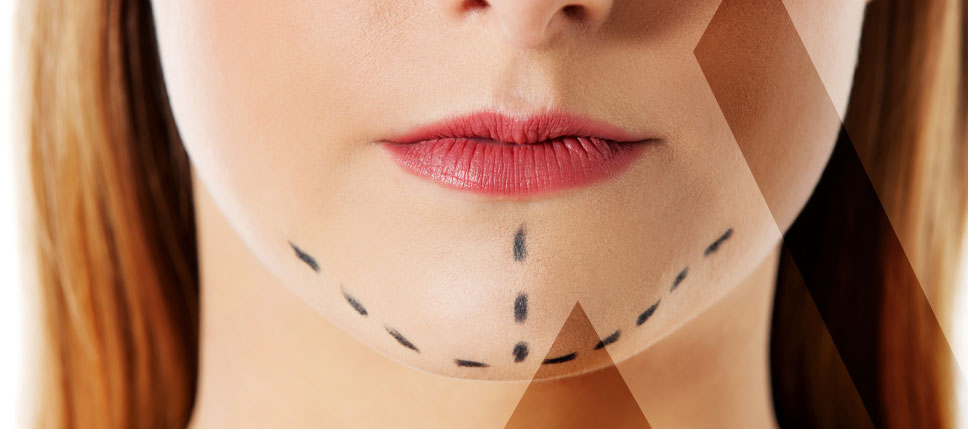
The genioplasty in Turkey is performed by a plastic or maxillofacial surgeon and is used to change the size, projection or shape of the chin in order to balance the two views of the face: the front view and the profile.
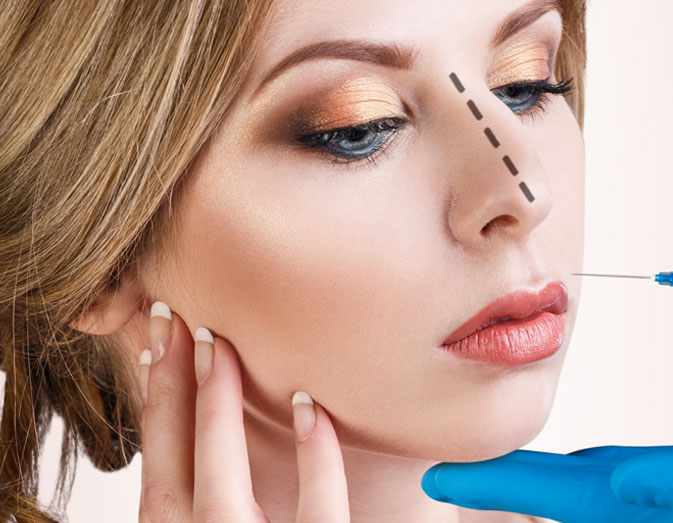
During a genioplasty in Turkey, the surgeon corrects the shape of a protruding chin or of a receding chin; a protruding chin sits too far forward compared with the balance of the face.A receding chin, unlike a protruding chin, sits too far back. Surgeons judge the position of the chin from the profile, using reference lines and measurements on photographs and X-rays; as a simple guide, in a balanced profile the front of the chin lies near a vertical line dropped from the base of the forehead or the lower lip, a chin well in front of that line is prominent and a chin well behind it is receding. During the examination, the surgeon may detect excess fat in the chin area; in that case, liposuction to remove this fat may be performed before or during the genioplasty.
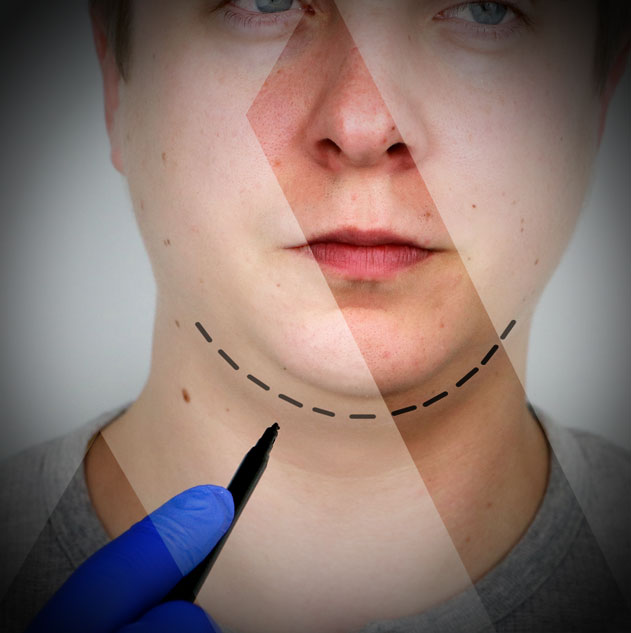
Like the nose, the chin has a strong influence on the appearance of the face, and balance matters more than size; many patients are aware of this detail. Some patients ask for a genioplasty combined with a rhinoplasty, sometimes called a profiloplasty. A simple fat transfer (lipofilling) or filler may be enough to treat a slightly receding chin. If the chin deformity involves a significant problem with the gums, the teeth or the lower jaw, the surgeon will advise a consultation with a dental surgeon or an orthodontist.
What is genioplasty (chin surgery) in Turkey and who is it for?
Genioplasty in Turkey is chin surgery carried out by a plastic or maxillofacial surgeon in a Turkish clinic or hospital to change the size, projection or shape of the chin, so as to balance the profile and the front view of the face. The classic operation is a sliding (osteotomy) genioplasty, in which the front part of the chin bone is cut through a small incision inside the mouth, moved forward, backward, up or down, and fixed in its new position with small titanium plates and screws. The chin can also be enhanced without cutting the bone, by placing an implant or by injecting fat or filler, which are covered in the guide to chin augmentation. A genioplasty usually takes about 30 to 90 minutes, under general anaesthesia or local anaesthesia with sedation, and can be a day case or involve one night in hospital. Aram Clinic says it offers genioplasty in Turkey with partner surgeons, in an all-inclusive package; these are the clinic’s own descriptions and should be verified in writing.
It is for adults whose chin is set too far back (a receding chin, or microgenia), too far forward or too long (macrogenia), too short, too long or asymmetrical, and who are bothered by their profile or by the balance of the face, whose growth has finished, and who understand the operation, the recovery and the limits. It is often combined with rhinoplasty, because the nose and the chin together define the profile (a combination sometimes called profiloplasty). It does not treat a deficiency of the whole jaw, a bite problem or sleep apnoea, which need orthodontic or jaw surgery.
This page answers the questions people ask most: what genioplasty is, how it differs from a chin implant, fat or filler, how the surgeon decides whether your chin is receding or protruding, who is a candidate, how much genioplasty costs in Turkey, whether it is safe, how the operation and recovery work, what the risks are, how long to stay and what to check before you book. It draws on guidance from the NHS, the British Association of Aesthetic Plastic Surgeons, the American Society of Plastic Surgeons and the British Association of Oral and Maxillofacial Surgeons, and on information supplied by Aram Clinic. It is general information, not medical advice: a surgeon must examine you before any operation.
If you are also looking at other facial procedures in Turkey, Aram Clinic publishes guides on rhinoplasty, ultrasonic rhinoplasty, facelift, eyelid surgery and hyaluronic acid fillers. For a personal estimate, use the free express quote.
What are the key facts about genioplasty in Turkey at a glance?
| Question | Short answer |
|---|---|
| What does it change? | The projection, height or width of the chin, by moving the chin bone or adding an implant or fat. |
| Standard operation | Sliding osteotomy: bone cut inside the mouth, moved, fixed with titanium plates and screws. |
| Operation time | About 30 to 90 minutes. |
| Anaesthesia | General anaesthesia, or local anaesthesia with sedation. |
| Hospital stay | Day case or one night. |
| Scars | Usually none on the skin; the incision is inside the lower lip. |
| Dressing | A supportive tape or dressing under the chin for several days. |
| Recovery | Swelling and bruising for 1 to 2 weeks; soft diet for about 1 to 2 weeks; numbness of the lower lip and chin is common at first. |
| Final result | Swelling settles over about 3 to 6 months. |
| Time to plan in Turkey | About 5 to 7 days. |
| Main risks | Numbness (rarely lasting), asymmetry, infection, hardware problems, chin-pad changes, injury to tooth roots. |
| Insurance | Cosmetic genioplasty abroad is not covered; functional jaw surgery at home may be. |
These are typical ranges, not promises: your surgeon decides from your face and your healing. A small advancement of a receding chin and a combined jaw and chin operation are very different cases.
If you remember only one thing: genioplasty is a bone operation near a nerve and tooth roots, so the surgeon’s training, a clear plan based on your profile and a careful assessment of your teeth and jaw matter more than the price.
How do I know whether my chin is receding or protruding, and what does the surgeon measure?
A receding chin (retrogenia or microgenia) is a chin that sits too far back relative to the lips and the rest of the face; a protruding chin (prognathic chin, or macrogenia) sits too far forward or is too long. Surgeons judge this from the profile, not from the front. They look at the balance between the forehead, nose, lips and chin in profile and take measurements on photographs and, where needed, on X-rays. One simple clinical reference is a vertical line dropped from the soft tissue at the base of the forehead (or from the lower lip) with the head in the natural position: in a balanced profile, the front of the chin lies close to this line; if the chin lies well behind it, it is receding, and if it lies well in front, it is prominent. Other measurements include the height of the lower third of the face, the depth of the groove under the lower lip and the relationship between the teeth and the jaws.
The shape of the chin is only part of the story: a chin may look small because the nose is large, because the jaw as a whole is set back (a bite problem), because there is excess fat under the chin, or because the lower lip and teeth are positioned differently. This is why an assessment of the whole face, including the teeth and the bite, is essential before deciding on a chin operation. In some patients the right answer is a rhinoplasty, orthodontics or jaw surgery rather than a genioplasty.
When the surgeon examines the chin area, they may find excess fat: in that case, liposuction of the area before or during the genioplasty may improve the contour.
Ask the surgeon to show you, on your own photographs, what they propose to change and why.
What are the types of chin surgery: sliding genioplasty, implant, fat and filler?
| Option | What it does | Best for | Limits |
|---|---|---|---|
| Sliding genioplasty (advancement) | The chin bone is cut and moved forward and fixed with plates. | A receding chin; also for a short chin (move down). | Bone surgery; numbness risk; permanent; hardware. |
| Sliding genioplasty (setback, reduction) | The chin bone is moved back, or the front is reduced, or shortened vertically. | A prominent or long chin. | Bone surgery; careful planning; may change the lip line. |
| Chin implant | A silicone or porous implant is placed over the bone through a small incision. | Mild to moderate lack of projection. | Can shift, resorb bone beneath, or become infected; not good for very large changes. |
| Fat grafting or hyaluronic acid filler | Injection to add volume. | Mild contour changes; trial of shape. | Temporary (filler) or partly reabsorbed (fat). |
| Orthodontics or jaw surgery | Moves teeth or whole jaw. | Bite problems and jaw deficiency. | More extensive; often with an orthodontist. |
| Liposuction of the submental area | Removes fat under the chin. | Double chin from fat. | Does not change the bone. |
Generally, to improve the shape of a protruding chin, the surgeon performs a reduction of the bone, either by filing down (burring) the front of the chin or by cutting the bone and moving the front of the chin backward, fixing it with plates and screws; this is known as a setback or recoil osteotomy. To correct a receding chin, the options are an implant, a bone-cut advancement (an advancement osteotomy, in which a bone fragment is created and moved forward and fixed with plates and screws) or, for a slight deficiency, fat or filler. Bone grafts taken from other parts of the body, such as the pelvis or the skull, are rarely needed for the chin today, and they involve a second surgical site, so they are used only in special cases. See the guides to chin augmentation and hyaluronic acid fillers for the non-bone options.
Your surgeon should explain why they recommend one option for your chin and what the alternatives would give.
Genioplasty or chin implant: which is better for me?
Both can improve the projection of the chin, and neither is universally better. A sliding genioplasty uses your own bone, so there is no foreign material, the result is permanent and the chin can be moved in several directions, including backward and vertically, and by larger amounts; the drawbacks are that it is a bone operation with a bigger recovery, a risk of numbness and a need for plates and screws. A chin implant is a shorter operation with a quicker recovery and can be removed, but it is limited to moderate advancement, can shift, can cause the bone underneath to thin over time, and may become infected or be visible and palpable; it cannot reduce a chin. Many surgeons prefer a genioplasty for larger or more complex changes, and an implant for modest advancement, and some patients try a filler first to preview the effect.
The choice depends on how much change is needed, the quality of the bone and soft tissue, your dental and jaw situation, your preferences about foreign material and your tolerance for a longer recovery. A thorough surgeon will present both options and discuss their advantages and risks honestly.
If a clinic offers only one technique to every patient, be cautious.
Ask how many genioplasties and how many chin implants the surgeon performs each year.
Who is a good candidate for genioplasty and who should wait or avoid it?
The best candidates are healthy adults whose facial growth is complete, who have a chin that is out of balance with the rest of the face on a profile assessment, whose teeth and bite have been assessed and who have realistic expectations and a clear understanding of the operation. A good candidate understands that the chin is one part of the profile and that the nose, lips and jaw also matter, and is ready for the recovery. If the chin deformity presents a significant problem with the gums, the teeth or the lower jaw, the plastic surgeon will refer you for a consultation with a dental surgeon or an orthodontist, since an operation on the chin alone may not be enough.
Genioplasty is generally postponed or avoided in people who are still growing, who have an active infection in the mouth or jaw, who smoke heavily or have uncontrolled medical conditions, who take blood-thinning medicines that cannot be adjusted, who have a significant bite problem or jaw deficiency that needs orthognathic surgery, who have thin or damaged lower front teeth roots at risk from the bone cut, or whose expectations are unrealistic or driven by body-image distress. A surgeon will tell you honestly if the chin is not the problem, or if another operation is needed.
Bring photographs of your profile, and of faces you like, to the consultation.
Tell the surgeon about any dental work, braces, jaw problems or previous facial operations.
How much does genioplasty cost in Turkey compared with the UK and the US?
The price of genioplasty in Turkey depends on the type of operation (sliding osteotomy, implant, fat), whether it is combined with another operation such as rhinoplasty, the surgeon and the clinic, the anaesthesia, the hospital stay and what the package includes. In general, quotes in Turkey are lower than in the UK, the US, Canada or Australia, which is why searches such as “genioplasty cost Turkey”, “sliding genioplasty cost Turkey” and “genioplasty Turkey price” are made. Aram Clinic states that its chin surgery is offered by experienced plastic surgeons at an attractive price with an all-inclusive package; the real difference depends on what you compare, so check the claim against a written quote and a quote from a surgeon at home.
Compare like with like: the same operation, the same material (plates and screws, implant brand), the same hospital stay, the same anaesthetic and the same terms for a revision. A very low price can mean an inexperienced surgeon, a rushed consultation or no provision for complications. If your quote is for a combined operation, ask for the price of each part.
What should a written quote include?
Operation : type of genioplasty or implant, and combined procedures.
Material : plates and screws or implant brand and size.
Surgeon and clinic : names, specialty and licence.
Assessment : consultation, photographs, X-ray or scan if needed.
Anaesthesia and stay : type, nights in hospital.
Medicines and aftercare : antibiotics, painkillers, mouthwash, dressings.
Travel services : transfers, hotel nights, interpreter.
Revision : terms and who pays.
Payment terms : deposit, refund conditions, currency.
Aram Clinic does not publish fixed prices on this page because the cost depends on your case: request a free express quote with photographs of your profile.
What is included in an all-inclusive genioplasty package and is it safe in Turkey?
An all-inclusive package is a single price intended to cover the main parts of the trip. A complete package for genioplasty may include the consultation and any imaging, the operation, anaesthesia, the hospital stay, the plates and screws or the implant, medicines, dressings, transfers, hotel nights, an interpreter or coordinator, a medical report and remote follow-up. “All-inclusive” has no legal definition, so ask for the list in writing and check what is excluded: a combined procedure, extra nights, treatment of complications or a revision, a dental assessment and the companion’s costs.
Is genioplasty in Turkey safe? It can be, when performed by an experienced surgeon in a licensed hospital on a suitable patient. Safety depends on the patient’s health, the surgeon’s training in facial bone surgery, a precise plan, anaesthesia and aftercare, not on the country. Statements such as “performed by the most experienced and competent plastic surgeons at a cheap price” are promotional; verify the surgeon’s name, specialty and experience with chin and jaw surgery, and be cautious about any clinic that calls the operation simple or risk-free.
Ask how many genioplasties the surgeon performs each year and what the plan is if a complication occurs.
Be wary of promises of the “best results possible”: no clinic can guarantee how your face will respond.
How do I prepare for genioplasty and what tests are needed?
Before the operation, you have a consultation in which the surgeon examines your face, the chin, the lower lip and the teeth, takes photographs, discusses what you want and what is possible and may order imaging: a panoramic dental X-ray, a lateral skull X-ray (cephalogram) or a CT scan to see the bone, the position of the tooth roots and the path of the nerve that supplies sensation to the lower lip and chin (the mental nerve). Many surgeons use a simulation to show the planned movement. Blood tests and an anaesthetic assessment are done, and you tell the surgeon about all your medicines and supplements: aspirin, anti-inflammatory drugs, vitamin E, fish oil and some herbal products increase bleeding and are usually stopped for about one to two weeks, unless your doctor advises otherwise. Stop smoking and nicotine well before and after surgery, since they slow bone and wound healing. If you have braces or planned dental work, tell the surgeon, who will coordinate with your orthodontist or dentist.
Fast as instructed if you will have sedation or general anaesthesia, and arrange a companion, a hotel near the clinic, a supply of soft foods, an antiseptic mouthwash as advised, loose clothes and time off work. Send recent photographs of your profile and front view, and any dental X-rays, in advance so that the surgeon can discuss the plan before you travel.
Ask for the consent form in English to read at home.
Ask who will be the surgeon and the anaesthetist, and whether the operation will be done in hospital.
How is a sliding genioplasty performed, step by step?
After examining you, the surgeon decides with the anaesthetist on the type of anaesthesia and the length of hospitalisation: genioplasty can be performed under general anaesthesia, or under local anaesthesia with sedation, as a day case or with a night in hospital. The operation usually lasts 30 minutes to about an hour and a half. The incision is discreet: it is made inside the mouth, in the lower lip, just in front of the lower gum, so there is usually no scar on the skin. In some cases, an external incision under the chin is used, with a very fine technique. The surgeon lifts the soft tissue to expose the front of the chin bone, protecting the mental nerves that emerge from the bone on each side, and marks the planned bone cut, below the tooth roots. The bone is cut with a fine saw or an ultrasonic instrument, and the front segment of the chin is moved to the planned position: forward for a receding chin (advancement), backward for a protruding chin (setback), up or down to change the height, or sideways to correct asymmetry. The segment is then fixed with small titanium plates and screws, the soft tissues are re-attached to maintain the chin pad, and the incision is closed with dissolving stitches. A dressing or tape supports the chin.
To improve a protruding chin, some surgeons file down the front of the bone (reduction by burring) rather than cutting it; for a receding chin, an implant or fat may be used instead of a bone cut. In some situations, chin liposuction is performed first to remove excess fat. You wake up in the recovery room with a swollen chin, and the surgeon checks that you can drink and that the numbness is as expected.
The plates and screws are usually left in place permanently; they can be removed later if they cause problems.
Ask which technique is planned for your chin, how the bone will be fixed and how the nerve will be protected.
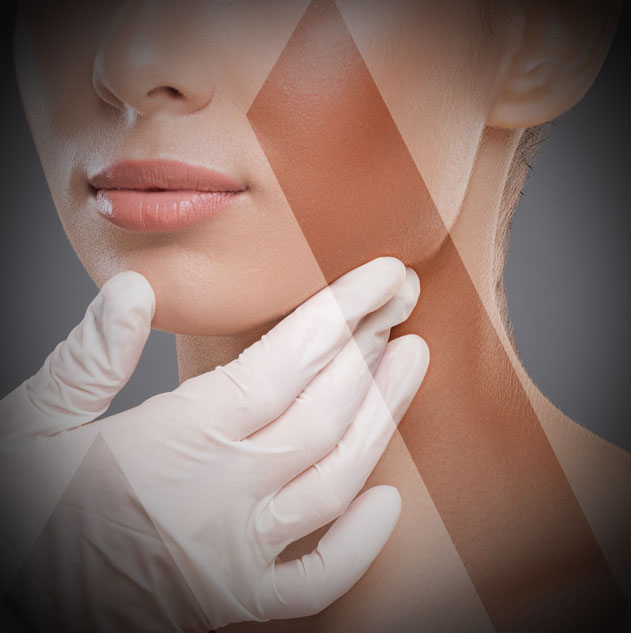
After examining the patient, the surgeon decides with the anaesthetist on the type of anaesthesia and the length of hospitalisation. A genioplasty can be performed under general anaesthesia or under local anaesthesia. It may require a night of hospitalization or it may be performed on an outpatient basis. The operation lasts about 30 minutes to an hour or more, depending on the technique.The incision is discreet: it is usually made inside the mouth, in the lower lip near the gum, so there is no skin scar, or, in some cases, under the chin with a very fine technique.
To improve the shape of a protruding chin, the surgeon performs either a reduction (burring) of the bone or a setback osteotomy. The first technique files down the front of the chin, while the second consists of cutting the bone and moving the front of the chin backward, fixing it with small titanium plates and screws; this method is called a setback or recoil osteotomy. A receding chin can be treated with an implant, fat or filler for a modest deficiency, or with an advancement osteotomy, which consists of creating a bone fragment and then repositioning it forward using small titanium plates and screws.
A bone graft, in which bone is taken from another part of the body such as the skull or the pelvis, is rarely needed today for the chin, because it means a second operative site; it is used only in special cases, and it can cause pain or other problems at the donor site.
To find out the price of genioplasty in Turkey, ask for a free online quote, with photographs of your profile, or contact the clinic by phone.
What is the recovery timeline after genioplasty and what can I eat?
| Time | What to expect | What to do |
|---|---|---|
| Days 0 to 3 | Swelling of chin and lower face; numbness of lip and chin; a supportive dressing; pain moderate. | Head raised; cold compresses as advised; soft cool foods; mouthwash; no pulling on the lip. |
| Days 4 to 7 | Swelling and bruising at their peak then declining; dressing continues for about 5 to 8 days. | Soft diet; gentle mouth care; avoid knocks. |
| Weeks 2 to 3 | Most bruising faded; swelling and numbness persist; return to desk work for many. | Gradually return to normal foods; no contact sports. |
| Weeks 4 to 6 | Residual swelling; sensation returning. | Normal diet; gentle activity. |
| Months 3 to 6 | The swelling settles; the final shape is clear; sensation usually returns. | Review with the surgeon. |
Genioplasty is not usually described as painless: you will have swelling, bruising, tightness and some pain, controlled with painkillers, and numbness of the lower lip and chin, which is very common after the operation and usually improves over weeks to months. You can move your jaw and open your mouth normally, since the bone cut is in the chin and not in the joint of the jaw, but chewing hard foods is uncomfortable at first. Wear the shaping dressing or tape under the chin as instructed (often five to eight days), follow a soft diet for the first one to two weeks, rinse your mouth with the prescribed antiseptic after eating, brush gently and avoid smoking. Bruising and swelling are visible first, and the result improves progressively as the oedema is reabsorbed.
Call your surgeon or seek care if you have fever, pus, increasing swelling or pain, difficulty breathing or swallowing, heavy bleeding or a loose plate.
Chin surgery Turkey is a surgical procedure with a recovery period, and is not painless, although pain is usually controlled with painkillers. Whatever the method used, the patient can move the jaw and open the mouth normally, and a numbness of the lower lip and chin is common at first. A shaping bandage is worn under the chin for about 5 to 8 days, and bruising and swelling are seen first.
The change in chin position is immediate but hidden by swelling; the result improves as the swelling goes down, with the final result judged at about 3 to 6 months.
This intervention can be combined with a rhinoplasty.
What results can I expect from genioplasty and are they permanent?
The change in chin position is visible immediately, although it is hidden by swelling, and the result improves as the swelling goes down over about three months, with the final contour judged at about three to six months, sometimes longer. A well-planned genioplasty gives a stronger or more balanced chin that improves the profile and the proportions of the face, and many patients feel more confident. Because the bone is moved and fixed, the result is permanent, apart from the changes that come with age and weight. The soft tissue over the chin can change shape as it adapts, particularly after large advancements, and a minor degree of asymmetry is common.
Results are not guaranteed, and the operation changes the chin, not the whole face: if the profile imbalance involves the nose or the jaw, the chin alone may not give the result expected. Photographs on clinic websites are not a reliable guide: ask for a series of cases like yours, at three to six months, in the same pose and lighting.
A planned combination with a rhinoplasty can give a more harmonious profile than either operation alone.
If you are unhappy with an irregularity, wait at least six months before considering a revision.
What are the risks and complications of genioplasty and which signs are urgent?
Like any surgery, genioplasty carries risks. Common and usually temporary effects are swelling, bruising, tightness, a feeling of numbness or tingling of the lower lip and chin, and a change in sensation; the numbness usually improves over weeks to months, but in a small proportion of patients it is prolonged or, rarely, permanent, because of stretching or injury to the mental nerve. Less common problems include infection of the wound or around the plates, bleeding or a collection of blood (haematoma), asymmetry or a chin that is not centred, a dent or irregularity, a lip that drops or a change in the lip position, a “witch’s chin” (ptosis of the soft tissue pad) after large advancements, damage to the roots of the lower front teeth, loosening or exposure of a plate or screw that may need removal, delayed healing of the bone, and the need for revision. With an implant, specific risks are shifting, infection, bone thinning and the need for removal. General anaesthesia carries its own risks.
Fever, pus, increasing redness or pain : possible infection: contact your surgeon and seek care.
Rapidly increasing swelling, difficulty breathing or swallowing : emergency: go to a hospital.
Heavy bleeding from the mouth : contact your surgeon or go to emergency care.
Loosened or visible plate, a sharp edge in the mouth : contact your surgeon.
Numbness that is getting worse after the first weeks or a lip that does not move normally : tell your surgeon.
You can reduce risks by choosing an experienced surgeon, a precise plan with imaging, avoiding smoking, following the aftercare and attending check-ups.
If you develop a symptom after returning home, see a doctor or an oral and maxillofacial surgeon, tell them you had genioplasty abroad and show your operative report, and contact the surgeon as well.
Can genioplasty be combined with rhinoplasty, buccal fat removal, liposuction or a facelift?
Yes. Genioplasty is often combined with rhinoplasty, because the nose and chin together define the profile, and the combination is sometimes called profiloplasty; some patients also combine it with liposuction of the submental area, buccal fat removal, a facelift or eyelid surgery. A simple lipofilling or filler may be enough to treat a slightly receding chin. The advantages of combining are one anaesthetic, one recovery and a harmonised plan for the profile. The drawbacks are a longer operation, more swelling that can hide the result, and the need to plan the order: for example, many surgeons plan the chin first or together with the nose, because the chin position changes how the nose looks. A responsible surgeon will limit the length of the operation and explain the reasoning.
Ask the surgeon to show you, with a simulation, how the chin and the nose change the profile together, and to explain the order of the operations.
Combined operations increase the recovery time and the risk of swelling and bleeding; avoid very long sessions.
If you are only having a genioplasty, the stay and the recovery are shorter.
How long should I stay in Turkey and when can I fly home after genioplasty?
Plan about five to seven days in Turkey: the consultation and imaging, the operation, a night in hospital or at a hotel, a check the next day or two, the follow-up when the dressing is changed and a final check before you leave. If you combine genioplasty with another operation, plan the longer stay of the main procedure. The surgeon decides when you can fly, usually when swelling and pain are under control, there is no sign of infection or bleeding and you can eat and drink; there is no special restriction from cabin pressure for a chin operation, but swelling and a soft diet make a few days of rest sensible. Flights to Istanbul take about three and a half to four hours from the UK and Western Europe and around nine to eleven hours from the US East Coast. Check the current visa or e-visa requirements for Turkey on the official government sites before you book, and make sure your passport is valid for the whole stay.
Take a companion if you have sedation or general anaesthesia. Avoid hard foods, smoking and alcohol during the trip, and bring your mouthwash and soft food supplies.
When you arrive home, arrange to see a doctor or an oral and maxillofacial surgeon within the first weeks, and bring the operative report and the type of plates or implant used.
Do not book a non-refundable flight before the surgeon has confirmed the date.
How do I choose a surgeon for genioplasty in Turkey, and what do reviews tell me?
| What to check | Why it matters | How to verify |
|---|---|---|
| Surgeon’s training in facial bone surgery | The operation is near a nerve and tooth roots. | Name, plastic surgery or oral and maxillofacial specialty, registration, number of genioplasties per year. |
| Imaging and planning | Bone cuts need precision. | X-ray or CT before surgery; simulation; written plan. |
| Explanation of options | The chin is only part of the profile. | The surgeon discusses implant, fat, nose and jaw options and declines unsuitable cases. |
| Material named | Plates, screws or implant brand. | Product and manufacturer in writing; implant card if used. |
| Clinic licence and anaesthesia | Safety depends on the facility. | Licence from the Turkish Ministry of Health; anaesthetist identified. |
| Aftercare and revision terms | Problems appear after you return. | Written plan, contact available, revision terms. |
Ask for before-and-after photographs of patients like you, at three to six months, and compare at least two proposals. Be sceptical of rankings such as “best genioplasty surgeon in Turkey”: there is no reliable public ranking. Reviews and photographs of chin surgery are limited and often selected, edited or sponsored, and early photographs show swelling, not the result. A second opinion from a surgeon in your own country on your profile and the proposed plan is a sensible precaution. Aram Clinic says it works with experienced plastic surgeons: ask for the surgeon and the clinic by name in writing and verify them yourself.
A surgeon who shows you a plan on your own face, explains the risks and the alternatives and is willing to say no is more trustworthy than one who promises a model’s chin.
What are the downsides of having genioplasty abroad and does insurance cover it?
The main limits concern follow-up. If you develop an infection, a loose plate, prolonged numbness or an asymmetry in the first weeks after you land, your local doctors will have to deal with it, and some are reluctant to take responsibility for an operation done elsewhere. A revision may mean another trip or paying for surgery at home. A journey soon after surgery on the face is tiring, and complications abroad are stressful and expensive. Legal recourse is more complicated across borders, and differences in language and documentation can create misunderstandings.
Cosmetic genioplasty is not covered by public health systems or most insurance; functional jaw and chin surgery for a documented bite or breathing problem may be funded at home, but not abroad. Travel insurance usually excludes planned cosmetic surgery and its complications, so a specialist policy is needed, and you must read the exclusions. Before you travel, ask the clinic in writing what happens if you need a revision: who performs it, where, how much you pay and whether travel is covered.
Identify a doctor or an oral and maxillofacial surgeon at home who will see you in the first weeks, and keep every document.
If you cannot arrange these, or if your case is complex, having the operation at home may be the safer choice, even at a higher price.
Should I use a medical tourism agency, and how do I plan the trip and the process with Aram Clinic?
Some patients use agencies that organise the trip and introduce them to a clinic, often through social media or messaging apps. This can simplify logistics, but it creates a conflict of interest when the agency is paid a commission by the clinic: its incentive is to sell a package. An agency is not a surgeon and cannot replace a consultation. Warning signs include fixed prices before any assessment of your profile, guaranteed results, pressure to book quickly and the refusal to name the surgeon. Ask for the contract in writing, naming the clinic and the surgeon, and ask Aram Clinic what its exact role is and how complaints are handled.
Plan five to seven days, choose a hotel near the clinic, bring a companion and pack soft foods, your mouthwash and your medicines. Aram Clinic describes a simple journey: you request a free quote online with photographs of your profile and front view; the medical team reviews them and a surgeon or coordinator discusses your case, usually by video; you receive a written proposal and decide without pressure; you travel and are met on arrival; after the consultation and imaging, the operation takes place at the partner clinic; and you return home with a medical report and a plan for follow-up, with remote contact. These are the clinic’s own descriptions: check that the surgeon and the clinic are named in writing, that the plan is explained on your own photographs and that the quote lists what is included.
The first step is simple: complete the free express quote with your photographs, or learn more about Aram Clinic.
A responsible team will tell you if genioplasty is not the right operation for you and will advise against surgery if it is not appropriate.
What aftercare do I need at home and what questions should I ask before booking?
Aftercare begins before you leave, with written instructions on the dressing, diet, mouth care, activity, medicines and warning signs. At home, keep your head raised when sleeping for the first days, follow the soft diet, rinse your mouth after eating, brush gently, avoid smoking, avoid knocks to the chin and contact sports for the period advised, and attend a check-up with a local doctor or surgeon in the first weeks. Report any fever, pus, increasing swelling or loosening of a plate promptly. Keep your operative report, the details of the plates or implant and your photographs.
Is the chin really the problem : has a surgeon assessed my profile, nose, jaw and teeth?
Which operation is proposed and why : sliding genioplasty, implant or fat, and what are the limits?
Who will operate and in which clinic : what is their training and how many genioplasties do they perform each year?
What are the risks in my case : including numbness and asymmetry, and the need for revision?
How long should I stay : and when will the surgeon clear me to fly?
What is included in the quote : combined procedures, extra nights, revision?
Who will see me at home : have I arranged a doctor or oral and maxillofacial surgeon?
Write your questions down and ask for the answers in writing. Take your time: genioplasty is a planned operation that can be prepared over weeks, and no discount is worth deciding under pressure. A second opinion from a surgeon in your own country is a sensible precaution.
A team that examines your profile, explains its plan, discusses limits and risks openly and advises against surgery when it is not appropriate is more trustworthy than one that promises the perfect chin at the lowest price.
Genioplasty in Turkey: a profile assessment and a precise plan first, a surgeon trained in facial bone surgery second, the price last
Genioplasty in Turkey changes the projection, height or width of the chin, most often by a sliding osteotomy in which the front of the chin bone is cut through the lower lip, moved forward, backward, up or down and fixed with titanium plates and screws, in an operation of 30 to 90 minutes with no skin scar, a stay of about five to seven days, a recovery with swelling for one to two weeks, a soft diet and common but usually temporary numbness of the lip and chin, and a final result judged at three to six months. It is permanent and suits larger or more complex changes than an implant, which is shorter and removable but limited to moderate advancement, and fat or filler give only temporary or modest changes. The chin is only one part of the profile, so the nose, the jaw and the teeth must be assessed, a combination with rhinoplasty is common, and some patients need an orthodontist or jaw surgeon instead. Quotes in Turkey are lower than in the UK or the US, and packages bundle the hotel, transfers and medical fees, but the surgeon’s training, imaging and planning, nerve and tooth-root safety, a revision plan and a doctor at home who will check you matter far more than price, and cosmetic surgery abroad is not covered by insurance.
Before booking, send photographs of your profile and front view, and any dental X-rays, for a remote assessment, ask why a genioplasty rather than an implant or another operation is proposed, how the nerve and tooth roots will be protected, who will operate and where, what the quote includes and who will see you after your return. If your project is ready, the next step is to send your photographs to the Aram Clinic team through the free express quote, so that they can review your case and propose a written plan that you can discuss with a surgeon of your own choice, without pressure.
Official sources to consult
This page draws on the sources below. Guidelines and rules change: always consult the current version and your own surgeon’s advice.
NHS : nhs.uk : advice on cosmetic procedures and cosmetic surgery abroad; information on jaw surgery.
British Association of Aesthetic Plastic Surgeons (BAAPS) : baaps.org.uk : patient information on facial surgery and surgery abroad.
British Association of Oral and Maxillofacial Surgeons (BAOMS) : baoms.org.uk : patient information on jaw and chin surgery.
American Society of Plastic Surgeons (ASPS) : plasticsurgery.org : patient guide to chin surgery and choosing a surgeon.
American Association of Oral and Maxillofacial Surgeons (AAOMS) : aaoms.org : patient information on genioplasty and orthognathic surgery.
Joint Commission International : jointcommissioninternational.org : international accreditation (verify any claim on the accreditor’s site).
Republic of Türkiye Ministry of Health : saglik.gov.tr : licensing of health facilities and health tourism.
UK Government and US State Department travel advice : gov.uk and travel.state.gov : entry requirements and health travel advice.