+44 20 7903 7116


 +44 20 7903 7116

Feeling comfortable in your own body matters for confidence and well-being.
For some women, large breasts cause physical problems, such as sagging, skin irritation, and neck, shoulder and back pain, as well as emotional discomfort.
Persistent pain and poor posture can affect daily life and activity.
Aram Clinic organises breast reduction in Turkey with partner hospitals.
Breast reduction is an established operation for large breasts that cause symptoms; several techniques exist, and the right one depends on your breasts. It relieves symptoms for most women but not all pain, and it leaves permanent scars.
Aram Clinic invites you to request a free quote.
Aram Clinic organises cosmetic surgery with partner hospitals in Turkey and says that its prices are reasonable; ask for the surgeon and hospital by name.
The clinic says it works with modern equipment and a medical team that can perform a range of aesthetic surgeries, including breast reduction; ask for the surgeon’s qualifications and experience.
According to the clinic, its prices are almost 50% lower than in countries such as the United States and the UK; check this against written quotes.
This is within an all-inclusive package that, according to the clinic, covers the doctor’s fees, a hotel room and transportation.
Price is only one factor: the surgeon’s experience, the technique and the follow-up matter more.
What is breast reduction surgery ?
Breast reduction surgery is generally performed on women to help reduce the size and weight of large and heavy breasts.
Breast reduction can reduce the weight of the breasts, lift them and improve their proportions by making them smaller, lighter and firmer; perfect symmetry is not achievable.
The surgery can also be done for men: gynaecomastia is an enlargement of the male breast tissue, which occurs when the breast tissue in men shows abnormal growth (see below).
Why is breast reduction done ?
Breast reduction is usually done for women whose large breasts cause physical problems, and there are other reasons why the surgery is done, such as:
- Chronic back, neck and shoulder pain.
- Rash or skin irritation under the breasts.
- Nerve-related pain or numbness in the arms and hands.
- Restricted activity.
- Difficulty finding well-fitting bras and clothes.
How to prepare for breast reduction?
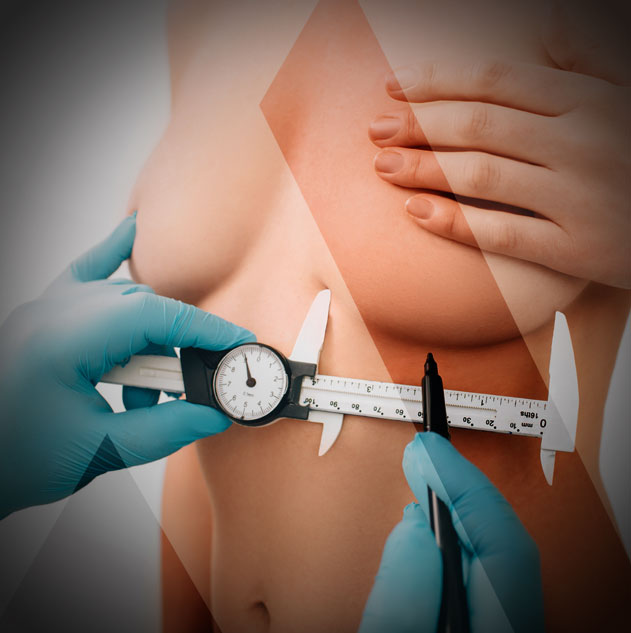
Your doctor will meet with you to evaluate your medical history and general health, and also to discuss your expectations for breast size and shape after surgery. The surgeon will provide a detailed description of the operation and its risks and benefits, including possible scarring and possible loss of sensation, during the visit they may also examine and measure your breasts and take pictures for your medical record. The doctor will explain the type of anesthesia used during the surgery and determine what's best for you. There are some personal preparations you need to do before the surgery, you will need to quit smoking for some time before the operation and avoid using aspirin, nonsteroidal anti-inflammatory drugs, and herbal supplements to control bleeding during surgery. You should arrange for someone to drive you home after surgery or when you leave the clinic.
What is breast reduction (reduction mammoplasty) in Turkey and who is it for?
Breast reduction in Turkey, medically called reduction mammoplasty, is an operation carried out by a plastic surgeon in a Turkish hospital to remove excess breast tissue, fat and skin, to reduce the size and weight of large, heavy breasts, to lift them and to reposition the nipple and areola higher on the chest. It is performed under general anaesthesia, takes about two to four hours, and usually needs one or two nights in hospital. It leaves scars, which depend on the technique, and it can affect nipple sensation and, in some women, the ability to breastfeed. Aram Clinic says it offers breast reduction in Turkey with partner hospitals, in an all-inclusive package covering the doctor’s fees, hotel room and transportation, at a price about half that of the US or the UK; these are the clinic’s own descriptions and should be verified in writing.
Breast reduction is for adults whose breasts are large enough to cause physical symptoms, such as chronic back, neck and shoulder pain, grooves from bra straps, skin irritation and rashes under the breasts, difficulty exercising or finding clothes that fit, or who are distressed by the size of their breasts, who have a stable breast size, who are not pregnant or planning to breastfeed soon and who understand the scars and the recovery. It also includes men with enlarged breasts (gynaecomastia), whose operation is different and is discussed below. It is a major operation with real risks, and it should not be chosen lightly.
This page answers the questions people ask most: what breast reduction is for, how it differs from a breast lift, which techniques and scars exist (vertical, inverted-T, liposuction-only), who qualifies and when public health systems fund it, how much it costs in Turkey compared with the UK, the US and Poland, what an all-inclusive package includes, whether it is safe, how the operation and recovery work, what happens to sensation, scars and breastfeeding, what the risks are, how male breast reduction works, how long to stay and what to check before you book. It draws on guidance from the NHS, the British Association of Aesthetic Plastic Surgeons, the British Association of Plastic, Reconstructive and Aesthetic Surgeons and the American Society of Plastic Surgeons, and on information supplied by Aram Clinic. It is general information, not medical advice: a surgeon must examine you before any operation.
If you are also looking at other breast and body procedures in Turkey, Aram Clinic publishes guides on breast lift, breast augmentation, tummy tuck and liposuction. For a personal estimate, use the free express quote.
What are the key facts about breast reduction in Turkey at a glance?
| Question | Short answer |
|---|---|
| What is removed? | Breast tissue, fat and skin; the nipple is moved higher. |
| Operation time | About 2 to 4 hours. |
| Anaesthesia | General anaesthesia. |
| Hospital stay | Usually 1 to 2 nights. |
| Scars | Around the areola and down to the breast crease (vertical), with an additional scar along the crease in the inverted-T technique. |
| Drains and dressing | A support bra; drains in some cases. |
| Recovery | About 1 to 2 weeks before desk work; 4 to 6 weeks before strenuous activity. |
| Final result | Swelling and shape settle over about 3 to 6 months; scars mature over 12 months or more. |
| Time to plan in Turkey | About 5 to 8 days. |
| Main risks | Wound-healing problems, loss of nipple sensation, difficulty breastfeeding, asymmetry, rare nipple tissue loss, infection, scars. |
| Insurance | Cosmetic breast reduction abroad is not covered; public funding at home depends on criteria and does not cover treatment abroad. |
These are typical ranges, not promises: the surgeon, your breasts and your healing decide the result. Removing a small amount by liposuction and a large reduction with a free nipple graft are very different operations.
If you remember only one thing: breast reduction relieves symptoms for most women, but it leaves permanent scars and can affect sensation and breastfeeding, so choose the technique, the surgeon and the timing carefully.
Why is breast reduction done and which symptoms does it relieve?
Breast reduction is usually done for women who have large breasts causing physical problems. The reasons include chronic back, neck and shoulder pain; deep grooves in the shoulders from bra straps; rash, skin irritation or infection in the fold under the breasts; nerve-related pain and numbness in the arms or hands (sometimes described as neuropathic pain); restricted activity, because exercise is uncomfortable or impossible; headaches; poor posture; difficulty finding well-fitting bras and clothes; and emotional distress from unwanted attention or self-consciousness. Many women also have the operation because their breasts are disproportionate to their body, and the cause of their discomfort is a mixture of physical and emotional factors. After surgery, most women report relief of pain, easier exercise and improved quality of life, in studies that follow patients for years, although results vary, and some pain persists in some women.
It is true that large breasts can contribute to back, neck and shoulder pain, and, if untreated, to postural problems; but it is an overstatement to say that they lead to “very serious” back disease, and not every woman with large breasts has symptoms. Back pain has many causes, and a doctor should check that breast size is the main factor. Breast reduction does not cure all back problems, and weight loss, physiotherapy and a supportive bra are sometimes tried first.
Tell the surgeon honestly about your symptoms and what you hope to change.
Ask whether your back pain could have other causes that should be investigated.
Is breast reduction cosmetic or medical, and does the NHS or insurance cover it?
Breast reduction is both: for many women it relieves real physical symptoms, and in some health systems it is funded for defined cases. In the UK, NHS funding for breast reduction depends on local commissioning policies, which usually require evidence of significant, persistent symptoms that have not responded to other measures, a body mass index below a threshold (often in the range of 25 to 30, and sometimes up to 35), a stable weight, non-smoking and, in some areas, a minimum bra cup size or an estimated weight of tissue to be removed; criteria vary between areas, and funding is limited. In the US, insurers may cover breast reduction when it is medically necessary and documented, often with a minimum weight of tissue to be removed and evidence of symptoms and conservative treatment. Funding is generally not available for treatment abroad, and cosmetic breast reduction without symptoms is not funded.
If you think you might qualify, speak to your GP or surgeon before travelling, since having the operation privately abroad means you lose the possibility of funding, and any complications will not be covered. If you do not qualify, or the wait is long, some women choose private surgery at home or abroad.
Ask your GP whether you meet the local criteria, and keep the records of your symptoms and treatments.
Be aware that criteria change, and check the current policy.
What are the breast reduction techniques: vertical, inverted-T, periareolar and liposuction?
| Technique | Incisions and scars | Best for | Notes |
|---|---|---|---|
| Vertical (lollipop) reduction | Around the areola and a vertical line from the areola to the breast crease. | Moderate reductions with moderate sagging. | Shorter scars; the breast shape settles over months. |
| Inverted-T (anchor) reduction | Around the areola, vertically down, and along the breast crease. | Large reductions and marked sagging. | The most widely used for large breasts; longest scars; reliable control of shape. |
| Periareolar (around the areola) | Incision only around the areola. | Small reductions with mild sagging. | Limited reduction; can flatten the breast and widen the areola scar. |
| Liposuction-only reduction | Tiny incisions; fat suctioned. | Breasts that are mostly fatty and not very sagging, usually small to moderate. | Does not remove glandular tissue or lift; limited reduction. |
| Free nipple graft | The nipple and areola are removed and replaced as a graft. | Very large reductions or long distance to move the nipple. | Loss of sensation and breastfeeding; used when needed for safety. |
There are many techniques for breast reduction, and the surgeon chooses the one that best fits your breasts and needs. A less invasive option for slight reduction is liposuction, useful for women whose breasts are mostly fat and who want only a small reduction; it leaves tiny scars but cannot lift or remove glandular tissue. A vertical reduction, with a scar around the areola and a vertical scar down to the crease, is chosen for moderate reduction with noticeable heaviness and some sagging. The inverted-T (anchor) technique, with the vertical scar and a third scar along the breast crease, is used for larger reductions and more sagging; it allows the surgeon to remove excess fat, skin and breast tissue and to reshape the breast reliably. The scars fade over a year or more.
Ask which technique is planned for you and why, and which scars it will leave.
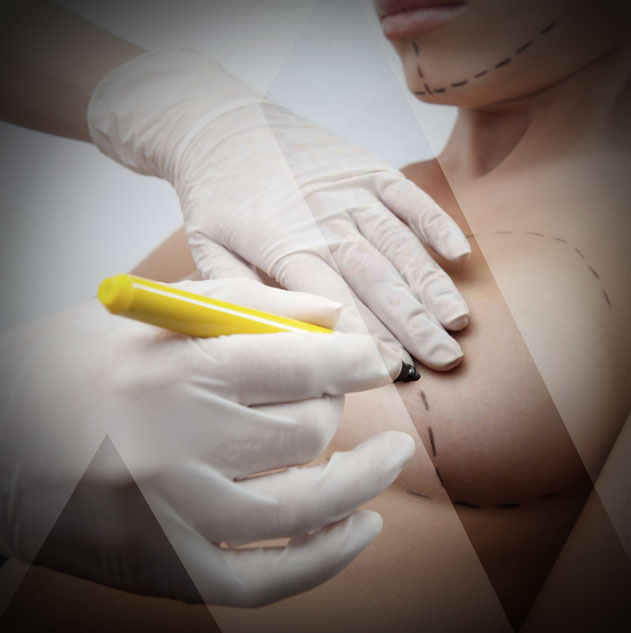
There are several techniques for breast reduction, and the surgeon chooses the one that best suits your breasts.
A less invasive option is breast reduction by liposuction, which is useful for women whose breasts are mostly fat and who want only a slight reduction; it cannot lift the breast or remove glandular tissue.
Vertical breast reduction is suited to women who want a moderate reduction and have noticeable heaviness and some sagging.
This technique involves two incisions: the first is around the edge of the areola, and the second runs from below the areola vertically down to the crease under the breast.
With this pattern, the surgeon can remove excess fat, skin and breast tissue. The inverted-T (anchor) breast reduction involves three incisions.
One incision is made around the edge of the areola, a second runs vertically from the areola down to the crease under the breast, and a third is made along the crease under the breast; this pattern is used for larger reductions.
What happens after breast reduction surgery?
When the surgery is done, your breasts are covered with gauze or bandages, and a thin tube (drain) may be placed near each breast to remove excess blood or fluid.
You'll likely take pain medication and antibiotics to reduce the risk of infection.
During the first days after surgery, you might feel pain in the breasts, an increase in their sensitivity and some minor swelling, this is all normal and your surgeon will advise you to wear an elastic compression bra to protect your breasts.
You will need to reduce physical activity for about two to four weeks while your breasts heal, and avoid strenuous exercise for four to six weeks or as your surgeon advises.
Scars are permanent but usually fade over a year or more. You will need some follow-up visits with your doctor to check your recovery and, if needed, to remove stitches or drains.
Breast reduction or breast lift, or both: what is the difference?
A breast reduction removes breast tissue to make the breasts smaller and lighter, and, because it also removes skin and repositions the nipple, it lifts the breast; a breast lift (mastopexy) lifts and reshapes sagging breasts without removing much tissue, and leaves the size about the same, or slightly smaller, so it is chosen by women who are happy with the size but not with the shape. A woman with large, heavy and sagging breasts who wants them smaller will usually have a reduction, which includes a lift. A woman who wants smaller and also perkier breasts will find that a reduction does both. A lift combined with implants (augmentation-mastopexy) is a different operation, for women who want more volume as well as a lift. Searches such as “breast reduction and lift Turkey” show that patients are often unsure which operation they need: the surgeon will examine you and tell you. See the guides to breast lift and breast augmentation.
An implant is not a solution for large heavy breasts; reduction is. If your breasts are asymmetric, one breast may be reduced more than the other.
Bring photographs of the shape and size you would like, and ask the surgeon what is realistic.
Be wary of a clinic that proposes the same operation to every patient.
Who is a good candidate for breast reduction and who should postpone it?
The best candidates are healthy adult women whose breasts have finished developing, whose weight has been stable for several months, who do not smoke, who have symptoms caused by large breasts or who are distressed by their size and who understand the scars, the possible effects on sensation and breastfeeding, and the recovery. The surgeon examines the breasts, measures them, takes photographs, asks about your health, your family history of breast cancer, your plans for pregnancy and breastfeeding, and your goals. Women over a certain age, or with a history or family history of breast cancer, usually have a mammogram or breast ultrasound before surgery, and any tissue removed is sent for examination under a microscope.
Breast reduction is generally postponed or avoided in girls whose breasts are still growing (it is performed in teenagers only in specific medical circumstances and with specialist assessment), women who are pregnant or breastfeeding or who plan to breastfeed soon (some surgeons advise waiting until the family is complete, because reduction can affect lactation), smokers (smoking greatly increases the risk of wound-healing problems and of tissue loss in the nipple), women with a high body mass index who may be advised to lose weight first, those with uncontrolled medical conditions, bleeding disorders or blood-clot risk, a breast lump or abnormality that has not been investigated, and those with unrealistic expectations. A responsible surgeon will tell you honestly if you should wait.
Tell the surgeon about any previous breast surgery, lumps, medicines and family history.
If you plan to breastfeed in the future, discuss techniques that try to preserve the milk ducts.
How much does breast reduction cost in Turkey compared with the UK, the US and Poland?
The price of breast reduction in Turkey depends on the technique, the amount of tissue removed, the surgeon and hospital, the length of the hospital stay, the pathology examination, the support bra and what the package includes. In general, quotes in Turkey are lower than in the UK, the US, Canada, Australia and many European countries, which is why searches such as “breast reduction surgery cost Turkey”, “how much is a breast reduction in Turkey”, “breast reduction Turkey price” and comparisons such as “breast reduction Turkey vs Poland” and “breast reduction Turkey vs USA” are frequent. Aram Clinic states that its prices are almost 50 percent lower than in countries such as the US and the UK, thanks to an all-inclusive package covering the doctor’s fees, a hotel room and transportation; the real difference depends on what you compare, so check the claim against a written quote and a quote from a surgeon at home. The term “unmatched” is not a reason for choosing a clinic: ask what exactly is included.
Compare like with like: the same technique, the same hospital stay, the same anaesthetic and pathology examination, the same garments and the same terms for a revision. A very low price can mean a rushed assessment, an inexperienced surgeon, fewer nights of monitoring or no provision for complications. For a major operation, price should not be the deciding factor.
What should a written quote include?
Operation : technique, expected scars, drains if used.
Surgeon and hospital : names, specialty and licence.
Assessment : consultation, mammogram or ultrasound if needed.
Anaesthesia and stay : general anaesthesia, nights in hospital.
Pathology : examination of the removed tissue.
Garments and medicines : support bra, antibiotics, painkillers, clot prevention.
Follow-up : checks in Turkey and remote follow-up.
Travel services : transfers, hotel nights, interpreter.
Revision : terms and who pays.
Aram Clinic does not publish fixed prices on this page because the cost depends on your case: request a free express quote with photographs of your breasts.
What is included in an all-inclusive breast reduction package and is it safe in Turkey?
An all-inclusive package is a single price intended to cover the main parts of the trip. Aram Clinic describes its package as covering the doctor’s fees, a hotel room and transportation. A complete package for breast reduction may also include the consultation and tests, the surgery, general anaesthesia, the hospital stay, the pathology examination, the support bra, medicines including blood-clot prevention, transfers, an interpreter or coordinator and follow-up. Searches for “breast reduction Turkey all-inclusive” and “breast reduction Turkey package” show how many patients compare them. “All-inclusive” has no legal definition, so ask for the list in writing and check what is excluded: a combined procedure, extra nights, treatment of complications or revision, and the companion’s costs.
Is breast reduction in Turkey safe? It can be, when performed by an experienced plastic surgeon in a licensed hospital on a suitable patient, with a proper assessment, general anaesthesia with monitoring, a clot-prevention plan and follow-up. Safety depends on the patient’s health, the surgeon’s training, the hospital’s facilities and the aftercare, not on the country. Risks increase with smoking, a high body mass index, long combined operations and a lack of follow-up. Statements such as “highly educated and efficient” or “state of the art” are promotional; verify the surgeon’s name, specialty and experience, and be cautious about any clinic that promises a risk-free operation.
Ask how many breast reductions the surgeon performs each year and what happens if a complication occurs.
Be wary of promises of the “best results possible”: no clinic can guarantee how your body will heal.
How do I prepare for breast reduction and what tests are needed?
Your doctor meets you to evaluate your medical history and general health, and to discuss your expectations for breast size and shape after surgery. The surgeon provides a detailed description of the operation and its risks and benefits, including possible scarring and loss of sensation, and during the visit examines and measures your breasts and takes photographs for your medical record. Depending on your age and history, you may need a mammogram or breast ultrasound before surgery; blood tests and an anaesthetic assessment are also done. The doctor explains the type of anaesthesia, generally general anaesthesia, and decides what is best for you. You will need to stop smoking and all nicotine products well before and after the operation (many surgeons ask for at least four to six weeks), because smoking greatly increases the risk of wound problems and tissue loss; avoid aspirin, non-steroidal anti-inflammatory drugs, fish oil, vitamin E and herbal supplements that can increase bleeding, usually for one to two weeks beforehand; and take hormonal medicines only as advised, since they can raise the risk of blood clots. Reach a stable weight, and fast as instructed.
You should arrange for someone to take you home or to your hotel after surgery, and plan for rest, help with lifting and a sports-type front-fastening bra to wear afterwards. Send recent photographs, your measurements and your medical history in advance so that the surgeon can discuss the plan before you travel.
Ask for the consent form in English to read at home.
Tell the surgeon if you plan pregnancy or breastfeeding in the near future.
How is breast reduction performed, step by step, and how long is the hospital stay?
The operation is performed under general anaesthesia. The surgeon first marks the planned incisions and the new position of the nipple on your skin while you are standing or sitting. In the most common techniques, an incision is made around the areola and down the front of the breast (vertical reduction), with an additional incision along the breast crease in the inverted-T technique; through these, the surgeon removes the excess breast tissue, fat and skin, so that the breast is smaller, lighter and firmer. The nipple and areola, which remain attached to the breast tissue so that they keep as much of their blood supply and sensation as possible, are moved to a higher position; in very large reductions, a free nipple graft may be needed. The remaining tissue is reshaped into a smaller breast, the skin is closed in layers with dissolving stitches and tape, and the removed tissue is weighed and sent for examination. In the liposuction technique, the fat is suctioned through tiny incisions.
When the surgery is done, your breasts are covered with gauze or bandages, and a tube (drain) may be inserted under each arm to suck out excess blood or fluid. You wake up in the recovery room and usually stay in hospital for one or two nights. You take pain medication and sometimes antibiotics, and you are helped to walk early and given clot-prevention measures. The operation takes about two to four hours, depending on the technique and the amount of tissue removed.
Ask which technique is planned, whether drains will be used and whether a nipple graft might be needed.
Ask for the operative report and the pathology result when available.
What is the recovery timeline after breast reduction?
| Time | What to expect | What to do |
|---|---|---|
| Days 0 to 3 | Hospital; breasts bandaged or in a support bra; drains in some cases; pain, bruising and swelling; sensitivity. | Walk often; sleep on your back with your upper body raised; take medicines. |
| Days 4 to 14 | Drains removed; swelling and bruising decline; stitches dissolve or are removed; check-ups. | No lifting; support bra day and night; no driving until cleared. |
| Weeks 2 to 4 | Desk work for many; breasts still swollen and high; scars pink. | Reduce activity; gentle walking; avoid pressure on the breasts. |
| Weeks 4 to 6 | Return to light exercise if cleared. | Avoid strenuous upper-body exercise. |
| Months 3 to 6 | Swelling settles; breasts drop and settle into shape. | Review with the surgeon. |
| Months 6 to 12 | Scars soften and fade. | Scar care and sun protection. |
During the first days after surgery you may feel pain in the breasts, an increase in sensitivity and some swelling, which are normal; your surgeon advises you to wear an elastic compression bra or a soft support bra to protect your breasts. You will need to reduce physical activity for about two to four weeks while your breasts heal, and avoid strenuous exercise for four to six weeks or as your surgeon advises. You will need follow-up visits to check your recovery, remove stitches or drains and review the scars. The first results are visible quickly, but the final shape takes months, as the swelling goes and the breasts settle.
Call your surgeon or seek care if you have fever, spreading redness, pus, a breast that becomes very swollen or tense on one side, a nipple that turns dark or blue, heavy bleeding, severe pain or calf pain and breathlessness.
What results can I expect and how will the scars look?
Most women are satisfied with breast reduction: the breasts are smaller, lighter, higher and more proportionate to the body; symptoms such as back, neck and shoulder pain, and skin irritation under the breasts, usually improve or disappear; and many women find exercise, clothes and daily life easier. The final shape appears over three to six months, as the swelling resolves and the breasts drop slightly and settle; the shape then continues to change with age, weight and pregnancy. Perfect symmetry is not achievable: breasts are naturally different, and small differences in size, shape, nipple position and scars usually remain. The size you will have depends on your surgeon’s plan and on how much tissue can be removed safely while keeping a good blood supply to the nipple; the cup size that you will end up with cannot be guaranteed.
The scars are permanent. They are red or pink at first and fade gradually over twelve months or more to a pale, flatter line, but they can remain wide, raised or dark in some women, particularly in the inverted-T pattern and in people who scar easily. The scar around the areola is usually the least visible, and the scar along the crease the most noticeable, though it is usually hidden by a bra or swimwear. Scar care, sun protection, avoiding tension on the wounds and not smoking help.
Searches for “breast reduction Turkey before and after” are very common; ask for a series of cases like yours at six to twelve months and consider that photographs are selected.
Keep photographs of your own scars as they mature, to show your doctor if you have concerns.
Will I lose nipple sensation or be able to breastfeed after breast reduction?
Changes in nipple and breast sensation are common after breast reduction: many women have temporary numbness or tingling for weeks to months, and in a proportion of women, sensation in the nipple and areola is reduced or lost permanently; the risk is higher with larger reductions, free nipple grafts and some techniques. Sensation can also become increased or oversensitive. The ability to breastfeed may also be affected: techniques that keep the nipple attached to the underlying breast tissue (a pedicle) can preserve some of the milk ducts, and many women who have had a reduction can breastfeed at least partly, but others cannot, or produce less milk; a free nipple graft usually prevents breastfeeding. If you plan to breastfeed, tell your surgeon, who may choose a technique that preserves ducts, but no one can guarantee that you will be able to breastfeed.
For this reason, many surgeons advise waiting until you have finished having children if the symptoms are bearable, although many women choose to have the operation earlier because of pain. This is a personal decision, and it should be made with full information.
Ask your surgeon how likely loss of sensation and breastfeeding difficulty are with the technique they propose, in their own patients.
If you become pregnant after a breast reduction, tell your midwife about the operation.
Risks and potential complications are part of every operation, and breast reduction is no different; some are common and some are uncommon, and your doctor will discuss them in detail with you.
Some of these risks are :
- Bruising.
- Scarring.
- Loss of sensation of the areola and nipples, and, rarely, loss of nipple tissue.
- Difficulty or inability to breastfeed
- Differences between the size, shape and symmetry of the altered left and right breasts.
- Infection.
- Excess bleeding during the operation.
- Delayed wound healing, fluid or blood collections, blood clots and the need for further surgery.
What should I remember about breast reduction?
Breast reduction is not only about appearance: for many women it relieves back, neck and shoulder pain and skin problems and makes daily life easier, but it leaves permanent scars, can affect sensation and breastfeeding, and is not a cure for every cause of back pain; ask for the surgeon, the technique and the aftercare in writing before you decide.
What are the risks and complications of breast reduction and which signs are urgent?
Risks and potential complications are part of every cosmetic and reconstructive operation, and breast reduction is no different. Common and usually temporary effects include bruising, swelling, tightness, pain and temporary changes in sensation. Other possible problems are scarring that is wide, raised or dark; insensitivity or loss of sensation of the areola and nipple; difficulty or inability to breastfeed; differences in the size, shape and symmetry of the altered left and right breasts; infection; excess bleeding during or after the operation and collections of blood (haematoma) or fluid (seroma); delayed healing and breakdown of the wound, particularly at the junction of the scars in the inverted-T pattern and especially in smokers; fat necrosis (lumps from damaged fat); loss of blood supply to part or all of the nipple and areola, which is rare but serious and may need further treatment; blood clots in the legs and lungs; and complications of anaesthesia. Further surgery may be needed to correct problems, and breast tissue can grow back in some women, particularly with weight gain, hormonal changes or pregnancy.
Fever, spreading redness, pus or severe pain : possible infection: contact your surgeon and seek care.
One breast rapidly more swollen, tense or bruised : possible haematoma: seek urgent care.
A nipple or areola that turns dark, blue or cold : possible loss of blood supply: contact your surgeon urgently.
A wound that opens : contact your surgeon.
Calf pain, swelling, sudden shortness of breath or chest pain : emergency: possible clot.
You can reduce risks by choosing an experienced surgeon, stopping smoking, keeping your weight stable, wearing the support bra, walking early and following the aftercare.
If you develop a symptom after you return home, treat it as urgent: go to a hospital, tell them you had a breast reduction abroad and show your operative report, and contact the surgeon as well.
How does male breast reduction (gynaecomastia surgery) work in Turkey?
Gynaecomastia is an enlargement of the tissue of the male breast, in which the breast or breast tissue in men shows abnormal growth. It is common, particularly in adolescence, in older men and in men who are overweight, and it can be caused by hormonal changes, some medicines (including anabolic steroids and some medicines for the prostate, heart or stomach), alcohol and drug use, liver or kidney disease, thyroid disorders and, rarely, tumours. It can consist of glandular tissue, fat or a mixture, and the operation depends on which. Fat is removed by liposuction through small incisions; glandular tissue, which is firmer, is removed through a small incision around the lower edge of the areola, and larger or sagging breasts may need skin removal with longer scars. The operation takes about one to two hours under general anaesthesia or local anaesthesia with sedation, usually as a day case, and the recovery is generally shorter than for a woman’s breast reduction, with a compression vest worn for several weeks. Searches such as “male breast reduction Turkey”, “male breast reduction surgery Turkey” and “male breast reduction cost Turkey” show considerable interest.
Before surgery, the doctor should look for a cause: a new, one-sided, hard or painful lump should be investigated for breast cancer, which is rare in men but possible, and medicines, hormones and general health should be checked. Surgery is generally considered when the enlargement has persisted for a year or more, is not due to a treatable cause, and has not responded to stopping a causative medicine. Risks include haematoma, seroma, asymmetry, contour irregularities, a depression under the areola, changes in nipple sensation, and recurrence if the cause continues or weight is gained.
Ask whether the enlargement is glandular, fatty or mixed, and what technique is proposed.
Tell the surgeon about all medicines, supplements and substances, since they can cause or sustain gynaecomastia.
Can breasts grow back after a reduction and what about weight and pregnancy?
The breast tissue removed in a reduction does not grow back, but the breasts that remain can enlarge again if you gain weight, because fat accumulates in the breast, or with hormonal changes, such as pregnancy, breastfeeding, the contraceptive pill or the menopause. Breast tissue can also regrow somewhat in some women, particularly younger women or those who had their reduction while the breasts were still developing. A pregnancy after a reduction does not usually undo the operation, but the breasts can enlarge, sag and change in shape during and after pregnancy and breastfeeding, and some women need a further operation, such as a lift. A stable weight before surgery and after is therefore important, and many surgeons advise postponing reduction until you have finished having children if your symptoms allow.
Ageing and gravity continue to affect the breasts after surgery, as they do for all women; the lifted breast will gradually descend over the years, although it usually remains smaller and higher than before.
Maintain a stable weight with a healthy diet and exercise to protect the result.
Wear a supportive bra as advised, particularly for exercise.
Can breast reduction be combined with other procedures such as a tummy tuck, liposuction or a lift?
Yes, breast reduction is sometimes combined with other operations in a single stay, for example liposuction of the flanks or back, a tummy tuck, an arm lift, or breast surgery on the other side in cases of asymmetry; the combination of breast surgery and abdominal surgery is often called a “mommy makeover”. The advantages are one anaesthetic, one recovery and a coordinated plan. The disadvantages are a longer operation and a higher risk of complications such as blood clots, bleeding and wound-healing problems; the longer the anaesthetic, the higher the risk. A responsible surgeon will limit the total operating time, may propose staging the operations and will explain the reasoning. See the guides to liposuction and tummy tuck.
A breast reduction is not usually combined with breast augmentation on the same breast, since the two aims are opposite; if you have asymmetry, one breast may be reduced and the other lifted or slightly augmented. Searches for “breast reduction and lift Turkey” and “boob job vs breast reduction Turkey” show the confusion between these operations; a consultation will clarify what you need.
Ask the surgeon what the total operating time will be and whether the plan could be split.
Combined operations lengthen the stay before you can fly.
How long should I stay in Turkey for breast reduction and when can I fly home?
Plan about five to eight days in Turkey: the consultation and tests, the operation, one to two nights in hospital, a check the next day or two, the removal of drains and stitches if needed and a final check before you leave. For combined operations, plan longer. The surgeon decides when you can fly, usually when drains are out, the wounds are healing, you can walk comfortably and there is no sign of infection, bleeding or a clot; many surgeons advise waiting at least five to seven days. Flying after surgery carries a small blood-clot risk: wear compression stockings, walk around the cabin every hour, drink water, take any clot-prevention medicines prescribed and ask for an aisle seat. Wear your support bra, carry your medicines and avoid lifting luggage. Flights to Istanbul take about three and a half to four hours from the UK and Western Europe and around nine to eleven hours from the US East Coast. Check the current visa or e-visa requirements for Turkey on the official government sites before you book, and make sure your passport is valid for the whole stay.
Take a companion, who can help with the first days, the luggage and the journey home.
When you arrive home, arrange to see your doctor or a surgeon within the first week or two, and bring the operative report and the pathology result when available.
Do not book a non-refundable flight before the surgeon has confirmed the date.
How do I choose a surgeon for breast reduction in Turkey, and what do reviews tell me?
| What to check | Why it matters | How to verify |
|---|---|---|
| Surgeon’s training and breast experience | Technique affects scars, sensation and safety. | Name, plastic surgery specialty, registration, number of breast reductions per year. |
| Pre-operative assessment | Breast health and fitness for surgery. | Examination, mammogram or ultrasound if needed, tests; written plan. |
| Technique explained | It determines scars and nipple blood supply. | Written explanation; which scars and whether a nipple graft might be needed. |
| Hospital licence and monitoring | Major surgery needs a proper facility. | Licence from the Turkish Ministry of Health; anaesthetist identified; intensive care access. |
| Pathology | Removed tissue should be examined. | Pathology included in the quote and result shared. |
| Aftercare and revision terms | Problems appear after you return. | Written plan, contact available, revision terms. |
Ask for before-and-after photographs of patients like you, at six to twelve months, and compare at least two proposals. Be sceptical of rankings such as “best breast reduction surgeon in Turkey”: there is no reliable public ranking. Reviews and photographs of breast surgery are often selected, edited or sponsored, and early photographs show swelling and high-positioned breasts, not the settled result. A second opinion from a surgeon in your own country on whether you are a candidate and on the proposed plan is a sensible precaution. Aram Clinic says it works with a medically advanced facility and a highly educated medical team: ask for the surgeon and the hospital by name in writing and verify them yourself.
A surgeon who explains the scars, the effect on sensation and breastfeeding and the possible need for revision is more trustworthy than one who promises perfect breasts.
What are the downsides of having breast reduction abroad and what if something goes wrong?
The main limits concern follow-up. If you develop a wound breakdown, an infection or a haematoma two weeks after you land, your local doctors will have to deal with it, and some are reluctant to take responsibility for an operation done elsewhere. A revision may mean another trip or paying for surgery at home. A long journey soon after major surgery increases the risk of blood clots, and complications abroad are stressful and expensive. Legal recourse is more complicated across borders, and differences in language and documentation can create misunderstandings.
Emergency care is available to anyone, wherever the operation was performed: for a suspected clot, a rapidly swelling breast, a nipple that turns dark or a spreading infection, go to the nearest emergency department and tell the staff about your surgery. The NHS provides emergency and necessary care but does not usually fund cosmetic revisions, and some private surgeons are reluctant to treat complications from surgery done abroad or charge for it; in the US, many surgeons and insurers decline to cover complications of cosmetic surgery abroad. Travel insurance usually excludes planned cosmetic surgery and its complications, so a specialist policy is needed, and you must read the exclusions. Before you travel, ask the clinic in writing what happens if you need a revision: who performs it, where, how much you pay and whether travel is covered.
Identify a doctor or surgeon at home who will see you in the first weeks, and keep every document: the quote, consent form, operative report, pathology result, medicines list and photographs.
If you cannot arrange these, or if your case is complex, having the operation at home may be the safer choice, even at a higher price.
Should I use a medical tourism agency, and how do I plan the trip and the process with Aram Clinic?
Some patients use agencies that organise the trip and introduce them to a clinic, often through social media or messaging apps. This can simplify logistics, but it creates a conflict of interest when the agency is paid a commission by the clinic: its incentive is to sell a package. An agency is not a surgeon and cannot replace a consultation. Warning signs include fixed prices before any assessment of your photographs, guaranteed results, pressure to book quickly and the refusal to name the surgeon. Ask for the contract in writing, naming the clinic and the surgeon, and ask Aram Clinic what its exact role is and how complaints are handled.
Plan five to eight days, choose a hotel near the hospital, bring a companion and pack front-fastening tops, a sports-style support bra, your medicines and compression stockings. Aram Clinic describes a simple journey: you request a free quote online with photographs and your medical history; the medical team reviews them and a surgeon or coordinator discusses your case, usually by video; you receive a written proposal and decide without pressure; you travel and are met on arrival; after the consultation and tests, the operation takes place at the partner hospital; and you return home with a medical report and a plan for follow-up, with remote contact. These are the clinic’s own descriptions: check that the surgeon and the hospital are named in writing, that the technique and scars are explained and that the quote lists what is included.
The first step is simple: complete the free express quote with your photographs, or learn more about Aram Clinic.
A responsible team will tell you if breast reduction is not the right operation for you and will advise against surgery if it is not appropriate.
What aftercare do I need at home and what questions should I ask before booking?
Aftercare begins before you leave, with written instructions on the support bra, wound care, drains, activity, medicines and warning signs. At home, wear your support bra day and night as advised, sleep on your back with your upper body raised, avoid lifting and strenuous exercise until your surgeon allows it, avoid pressure on the breasts, keep wounds clean and dry, attend a check-up with a local doctor within the first week or two and report any concern promptly. Protect the scars from the sun for at least a year, use the scar care your surgeon recommends once the wounds have healed, keep a stable weight and attend the breast screening that is recommended for your age. Do not smoke.
Am I a good candidate : has a surgeon examined my breasts and considered my plans for pregnancy and breastfeeding?
Which technique and which scars : is a nipple graft possible, and what are the risks to sensation?
Who will operate and in which hospital : how many breast reductions do they perform each year?
What are the risks in my case : including wound healing and nipple blood supply?
How long should I stay : and when will the surgeon clear me to fly?
What is included in the quote : pathology, extra nights, revision, my companion?
What if I need a revision : who performs it and who pays?
Who will see me at home : have I arranged a doctor or surgeon?
Write your questions down and ask for the answers in writing. Take your time: breast reduction is a planned operation that can be prepared over weeks, and no discount is worth deciding under pressure. A second opinion from a surgeon in your own country is a sensible precaution.
A team that examines you, explains its plan, discusses limits and risks openly and advises against surgery when it is not appropriate is more trustworthy than one that promises perfect breasts at the lowest price.
Breast reduction in Turkey: the technique, the scars and the effect on sensation and breastfeeding first, an experienced surgeon second, the price last
Breast reduction in Turkey removes breast tissue, fat and skin and moves the nipple higher, under general anaesthesia in two to four hours with one or two nights in hospital and a stay of about five to eight days, using a vertical or an inverted-T technique, or liposuction alone for small reductions in fatty breasts. It relieves back, neck and shoulder pain, strap grooves and skin irritation in most women, gives a lighter, higher and more proportionate breast whose final shape settles over three to six months, and leaves permanent scars that fade over a year or more. It can reduce or abolish nipple sensation, can affect the ability to breastfeed, is best postponed if you plan pregnancy soon or smoke, and carries risks of wound-healing problems, haematoma, infection, asymmetry and, rarely, loss of nipple tissue. Public funding at home usually depends on strict criteria and does not cover treatment abroad. Quotes in Turkey are lower than in the UK, the US or Poland and packages bundle the doctor, hotel and transfers, but price is the weakest reason to choose a surgeon: breast experience, a pre-operative assessment with imaging where needed, pathology of the removed tissue, intensive-care access, a clot-prevention plan, a stay long enough before flying and a doctor at home who will check you matter far more. Male breast reduction has its own indications and a different operation.
Before booking, send photographs and your medical history for a remote assessment, ask which technique and scars are planned, how nipple sensation and breastfeeding may be affected, whether a nipple graft might be needed, who will operate and where, what the quote includes and who will see you after your return. If your project is ready, the next step is to send your photographs to the Aram Clinic team through the free express quote, so that they can review your case and propose a written plan that you can discuss with a surgeon of your own choice, without pressure.
Official sources to consult
This page draws on the sources below. Guidelines and rules change: always consult the current version and your own surgeon’s advice.
NHS : nhs.uk : breast reduction explained, risks, recovery and when it is available on the NHS.
British Association of Aesthetic Plastic Surgeons (BAAPS) : baaps.org.uk : patient information on breast reduction and cosmetic surgery abroad.
British Association of Plastic, Reconstructive and Aesthetic Surgeons (BAPRAS) : bapras.org.uk : patient guidance on breast reduction and choosing a surgeon.
American Society of Plastic Surgeons (ASPS) : plasticsurgery.org : patient guide to breast reduction, safety and gynaecomastia surgery.
NHS breast screening programme : nhs.uk : breast screening and breast awareness.
Joint Commission International : jointcommissioninternational.org : international accreditation (verify any claim on the accreditor’s site).
Republic of Türkiye Ministry of Health : saglik.gov.tr : licensing of health facilities and health tourism.
UK Government and US State Department travel advice : gov.uk and travel.state.gov : entry requirements and health travel advice.