+44 20 7903 7116


 +44 20 7903 7116

Our teeth serve both a practical and an aesthetic role: they help us chop up food so that we can swallow it, and they give us a smile that expresses our happiness. Losing teeth can affect confidence and can lead to further dental problems, such as neighbouring teeth tilting into the gap, bite problems and gum or bone changes. Aram Clinic organises dental bridges in Turkey with partner dental clinics. A dental bridge can restore chewing and the appearance of the smile in suitable cases; this page explains the options, the costs and what to check before you decide. Aram Clinic invites you to request a free quote.
How much does having a dental bridge in Turkey cost ?
The price for the operation varies depending on the number of teeth that you want replaced and the type of material you choose. Dental bridges in Turkey are made out of many materials and each one costs differently and serves a specific function. Overall the treatment can be costly in many European countries; Aram Clinic says that a dental bridge in Turkey comes at a price that suits many budgets, but only a written quote based on your X-rays lets you compare. According to the clinic, its all-inclusive deal covers your medical needs once you reach Turkey: a hotel room, transportation from your hotel to the clinic, your doctor’s payment and your post-operative medication; ask for the exact list of inclusions and exclusions.
What are the types of dental bridges in Turkey?
There are several types of dental bridges, each suited to different situations; they are compared in more detail below. Among these types are:
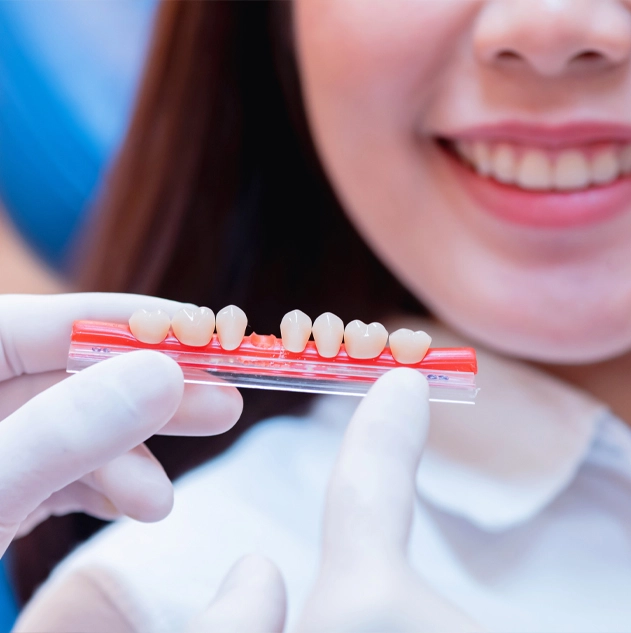
Traditional dental bridge.
This type consists of an artificial tooth between two crowns that are installed on the adjacent supporting teeth, the traditional dental bridge is the most widely used of all types of dental bridges. However traditional bridges can only be used when there are teeth that can be used as a support to fix the bridge.
Cantilever dental bridge (also called protruding or extension bridge).
It follows the same idea as the previous type, but the artificial tooth is fixed to a crown on one side only, not between two crowns, so only one tooth is used for support; this puts more leverage on that tooth.
Maryland bridge
It is similar to the traditional bridge, where Maryland bridges also need to have two supportive teeth for installation, but unlike the traditional type, the Maryland bridge does not use dental crowns for fixation, but it is fixed with a metal or porcelain framework (wings) bonded to the back surface of the adjacent teeth.
What is a dental bridge in Turkey and who is it for?
A dental bridge in Turkey is a fixed dental prosthesis, made by a dentist and a dental laboratory in a Turkish clinic, that replaces one or several missing teeth by anchoring an artificial tooth (a pontic) to the teeth, or the implants, on either side of the gap. It is cemented in place and cannot be taken out by the patient, which distinguishes it from a removable partial denture. Typical bridges replace one to three teeth; a conventional bridge usually needs two visits over about one to two weeks, and an implant-supported bridge takes several months because the implants must fuse with the bone first. Aram Clinic says it offers dental bridges in Turkey with partner dental clinics in an all-inclusive package covering a hotel room, transport from the hotel to the clinic, the doctor’s fees and the post-operative medication; these are the clinic’s own descriptions and should be verified in writing.
A bridge is for adults who have lost one or a few teeth, who have healthy supporting teeth or implants on both sides of the gap (or on one side for some designs), who maintain good oral hygiene and who want a fixed solution that restores chewing, speech and the appearance of the smile. Losing teeth can lead to neighbouring teeth tilting into the gap, bite problems, gum and bone changes and difficulty eating, which is why replacing them is usually advised. A bridge is not suitable when there are no healthy teeth to hold it, when the supporting teeth are weak or decayed, or when the gum disease is active.
This page answers the questions people ask most: how much a dental bridge costs in Turkey, how it compares with implants and dentures, which type and material to choose, who is a candidate, how the treatment and the visits work, whether it hurts, how long a bridge lasts, how to clean it, what the risks are, how long to stay in Turkey and what to check before you book. It draws on guidance from the NHS, the General Dental Council, the British Dental Association and the American Dental Association, and on information supplied by Aram Clinic. It is general information, not dental advice: a dentist must examine you and take X-rays before any treatment.
If you are also looking at other dental treatments in Turkey, Aram Clinic publishes guides on dental implants, all-on-6 implants, dental veneers, teeth whitening and the Hollywood smile. For a personal estimate, use the free express quote.
What are the key facts about dental bridges in Turkey at a glance?
| Question | Short answer |
|---|---|
| What is it? | A fixed prosthesis that fills a gap with an artificial tooth held by crowns on adjacent teeth or by implants. |
| How many teeth can it replace? | Usually one to three teeth in a row; longer spans need more support, often implants. |
| Number of visits | Conventional bridge: usually two visits; implant-supported bridge: surgery, healing for months, then the bridge. |
| Temporary teeth | A temporary bridge is usually worn between the visits. |
| Anaesthesia | Local anaesthesia; the preparation is not painful. |
| How long does it last? | Often 10 to 15 years or more with good care, but varies widely. |
| Main risks | Decay or gum disease in the supporting teeth, loosening, need for replacement. |
| Time to plan in Turkey | About 4 to 7 days for a conventional bridge; longer, with two visits, for an implant-supported bridge. |
| Main price drivers | Number of teeth, material (metal-ceramic, zirconia), implants if used, the clinic and the package. |
| Insurance | Dental treatment abroad is rarely covered; check your policy. |
These are typical ranges, not promises: your dentist decides from your X-rays and the health of your teeth. A short bridge on strong teeth and a long bridge on weak teeth are very different cases.
If you remember only one thing: a conventional bridge means filing down healthy neighbouring teeth, so ask whether a single implant would be better, and make sure the dentist explains the alternatives.
How much does a dental bridge cost in Turkey compared with the UK and the US?
The price of a dental bridge in Turkey depends on the number of teeth to replace and to support (a three-unit bridge needs two crowns and one pontic), the material, whether implants are used, the dentist and the clinic, the laboratory, the number of hotel nights and what the package includes. The operation can be costly in the UK and many European countries, and the US, which is why searches such as “dental bridge cost Turkey”, “how much does a dental bridge cost in Turkey”, “3 unit dental bridge Turkey” and “dental bridge price Turkey” are so frequent. In Turkey, quotes are generally lower, although for a small treatment such as a three-unit bridge the saving can be partly absorbed by flights and accommodation, so it makes most sense when combined with other dental work. Aram Clinic says its dental bridge comes at a price that suits many budgets, under an all-inclusive deal; check it against a written quote and a quote from a dentist at home.
Compare like with like: the same number of units, the same material and brand of zirconia or ceramic, the same laboratory, the same warranty and the same number of visits. A very low price can mean a cheaper material, a thin framework, a rushed preparation or a short warranty.
What should a written bridge quote include?
Treatment plan : type of bridge, teeth to be prepared, number of units.
Material : metal-ceramic, zirconia or all-ceramic, with the laboratory.
Implants : brand and model if the bridge is implant-supported.
Preparation work : fillings, root canal treatment or gum treatment if needed.
Temporary bridge : included or not.
Warranty : what is covered, for how long, and conditions.
Visits : number of visits and timing.
Travel services : transfers, hotel nights, interpreter.
Payment terms : deposit, refund conditions, currency.
Aram Clinic does not publish fixed prices on this page because the cost depends on your case: request a free express quote with your X-rays.
What is included in an all-inclusive dental bridge package?
An all-inclusive package is a single price intended to cover the main parts of your treatment and stay. Aram Clinic describes its package as containing all your medical needs once you reach Turkey: a hotel room, transportation from your hotel to the clinic, your doctor’s payment and your post-operative medication. A complete package may also include the consultation and X-rays, the preparation of the teeth, the temporary bridge, the final bridge, local anaesthesia, airport transfers, an interpreter or coordinator, a written warranty and remote follow-up.
“All-inclusive” has no legal definition, so ask for the list in writing. Check what is excluded: treatment of decay or gum disease found at the examination, root canal treatments, implants if the bridge is implant-supported, extra nights if the bridge needs to be adjusted, repair or replacement and travel for a warranty claim.
Be cautious with promises of the “best price” or a bridge “for life”: no clinic can guarantee how long a bridge will last.
What are the types of dental bridges: traditional, cantilever, Maryland and implant-supported?
| Type | How it is held | Advantages | Limits |
|---|---|---|---|
| Traditional bridge | Crowns on the teeth on both sides of the gap, with the artificial tooth in between. | The most widely used; strong; fixed. | Requires filing healthy teeth on both sides. |
| Cantilever bridge (sometimes called protruding or extension bridge) | The artificial tooth is attached to a crown on one side only. | Needs only one supporting tooth. | More leverage on the supporting tooth; not suited to back teeth with heavy chewing forces. |
| Maryland (resin-bonded) bridge | The artificial tooth is bonded by metal or ceramic wings to the backs of the adjacent teeth. | Little or no filing of the neighbouring teeth. | Weaker bond; may debond; mostly used for front teeth. |
| Implant-supported bridge | One or more implants anchor the bridge, so adjacent teeth are not filed. | Preserves neighbouring teeth; protects the bone. | Requires surgery and months of healing; higher cost. |
A traditional bridge consists of an artificial tooth between two crowns on the adjacent supporting teeth; it can only be used when there are teeth that can serve as a support. A cantilever bridge is the same idea with the artificial tooth fixed to a crown on one side only, so only one tooth is used for fixation. A Maryland bridge also needs two supporting teeth, but instead of crowns it is fixed with a metal or porcelain framework bonded to the backs of the adjacent teeth.
An implant-supported bridge is a compromise between single implants and a conventional bridge. Dental implants are one of the most successful solutions to replace missing teeth, as an artificial root is installed in the jaw and an artificial tooth is attached to it, but they are more expensive when each missing tooth gets its own implant. In an implant-supported bridge, one or more teeth are implanted so that a space remains between them, and the bridge uses the implants as supports. The treatment is done in two stages, implant placement in the jaw and then bridge fitting, and takes several months, because the implants need time to integrate with the bone. See the guides to dental implants and all-on-6 for more.
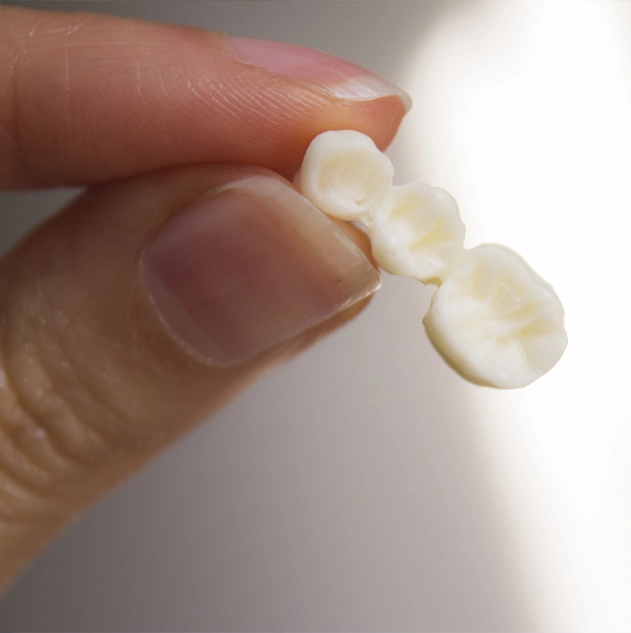
An implant-supported bridge
Dental implants in themselves are one of the most successful solutions to replace missing teeth, as an artificial root is installed in the jaw and an artificial tooth is installed on it. This process has many advantages, but it is also expensive, so a compromise can be used between dental implants and a dental bridge represented by an implant supported bridge. One or more teeth are implanted, so that a space for a tooth remains between them, which is compensated by the installation of a bridge that uses the implanted tooth as a supportive tooth. Installation of this type is carried out in two stages :
- The stage of tooth implantation in the jaw.
- Bridge installation stage.
This type takes several months to complete its permanent installation, as the dental implant process needs some time to give the jaw a chance to adapt to the new body.
Dental Zircon Bridge:
Zirconia is a type of ceramic that is specially treated to be very strong and is used in dental bridges; it contains no metal, so it can suit people who cannot use a metal bridge, and its colour can closely match natural teeth, which makes it one of the best aesthetic options.
What are dental bridges made of: metal, porcelain-fused-to-metal, zirconia and all-ceramic?
| Material | Advantages | Drawbacks |
|---|---|---|
| Metal alloys (gold, palladium or other) | Very strong; can last a long time; minimal loss of tooth. | Visible metal colour; a dark line at the gum; suited to back teeth. |
| Porcelain-fused-to-metal (PFM) | Strong, with a tooth-coloured surface; long track record. | The porcelain can chip, exposing the metal, and a dark margin may show at the gum. |
| Zirconia (monolithic or layered with porcelain) | Very strong and metal-free; good colour match; gentle on gums; no metal allergy. | Can be abrasive to opposing teeth if not polished; chipping of layered porcelain; higher cost. |
| All-ceramic or lithium disilicate | Excellent appearance, mostly for front teeth. | Less strong for long spans or back teeth. |
Dental bridges can be made from many materials, and the dentist decides which is best from your condition, the position of the bridge, your bite and your budget. Metal bridges are strong and can last longer than others but are not aesthetic. Porcelain is among the most used materials because it resembles natural teeth, but porcelain bonded to metal can chip, which may show the metal and encourage gum irritation. Zirconia, a strong ceramic developed in recent decades, makes it possible to build a bridge with no metal at all, which gives a natural colour, blends well with the gums and avoids the sensitivity or allergy that some people have to metal; it is often covered with porcelain for a natural colour. Ask the exact material, the laboratory that makes it and the thickness of the framework, and the warranty for each.
Searches for “zirconia dental bridge Turkey” show the popularity of this option; zirconia bridges are often the default in international packages, but quality varies with the zirconia grade, the design and the dentist’s technique.
What are the materials used in the manufacture of a dental bridge in Turkey?
Dental bridges can be made out of many materials; the dentist will decide which one is best suited to you based on your condition, your bite and your budget.
Metal.
Metal bridges are made of alloys such as gold or palladium, or a mixture of metals. Metal bridges are strong and can last a long time, but they are not aesthetic: they remain visible and can leave a dark line at the gum.
Porcelain
Porcelain, usually fused to a metal framework, is one of the most used materials for dental bridges because it can resemble natural teeth. However, porcelain can chip, which may expose the metal and create a dark margin or encourage gum irritation if it is not repaired.
Zircon.
Zirconia bridges are a more recent development and look very similar to real teeth. The framework is made entirely of zirconia without metal, and it is often covered with porcelain to give it a natural colour and a better blend with the gums than other types of bridge.
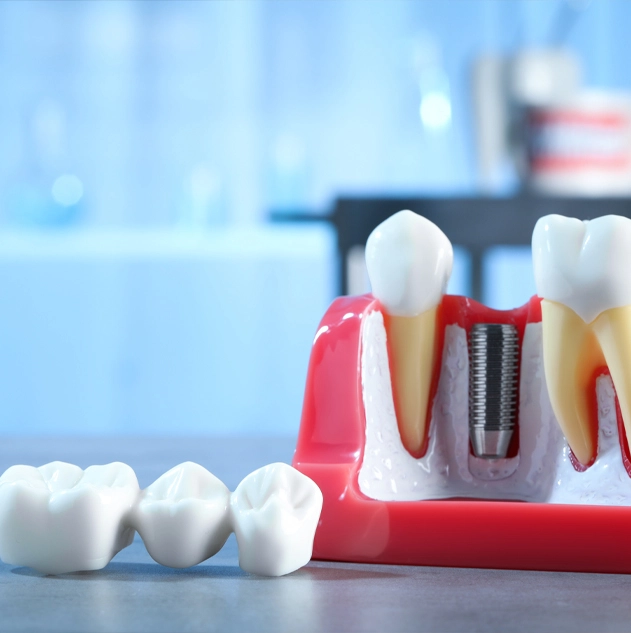
Dental bridge, implant or partial denture: which should I choose for a missing tooth?
| Option | How it works | Advantages | Limits |
|---|---|---|---|
| Dental bridge | Fixed prosthesis supported by neighbouring teeth. | Fast; no surgery; fixed. | Files healthy teeth; needs replacement over time; does not stop bone loss in the gap. |
| Single dental implant | An artificial root with a crown. | Preserves neighbouring teeth; maintains bone; durable. | Surgery; months of healing; higher cost; needs enough bone. |
| Implant-supported bridge | Implants hold a bridge across several missing teeth. | Fewer implants than one per tooth; fixed. | Surgery and healing time; cost. |
| Removable partial denture | Plastic or metal plate with artificial teeth, clipped to remaining teeth. | Lowest cost; no tooth preparation. | Less stable; needs to be removed; may be less comfortable. |
| No replacement | Leave the gap. | No treatment. | Neighbouring teeth tilt; bite problems; gum and bone changes. |
The best choice depends on the number and position of the missing teeth, the health and strength of the neighbouring teeth, the bone available, your health and your budget. If the neighbouring teeth are healthy and unrestored, a single implant is often preferred because a bridge requires filing them; if they already have large fillings or crowns, a bridge may be sensible. A good dentist will present all the options and explain why one fits you better, rather than proposing a bridge to everyone. See the guide to dental implants in Turkey.
If you are unsure, send your X-rays for a remote opinion and ask the dentist why they propose a bridge instead of an implant or a denture.
Who is a good candidate for a dental bridge and who should avoid it?
A good candidate is an adult with one to three missing teeth in a row, whose neighbouring teeth are healthy and strong enough to support a bridge, who has healthy gums and good oral hygiene, who does not smoke heavily and who understands that the supporting teeth will be filed down and crowned. The dentist examines the teeth and the jaw, takes X-rays and sometimes a 3D scan to check the roots, the bone and the gums, and discusses the options. When a bridge relies on implants, the examination also checks that the jawbone can hold the implants.
A bridge is generally not advised when the supporting teeth are weak, heavily decayed, loose or have severe gum disease, when there are not enough healthy teeth to support it, when the gap is too long for the available support, when the person grinds their teeth very heavily without protection, or when oral hygiene is poor. In these cases, implants, a different type of bridge or a removable denture may be better, and gum or decay treatment must come first.
A responsible dentist will tell you honestly if a bridge is not the best option and will not file down healthy teeth if an implant would serve you better.
Tell the dentist about any allergies to metals, any medicines and any dental anxiety.
How is a dental bridge fitted, step by step, and how many visits are needed?
A conventional dental bridge usually takes two visits. Before the day of the treatment, you meet the dentist for a check-up, during which the dentist discusses the treatment and your best options, examines your teeth and jawbone and takes X-rays, and checks whether the supporting teeth are healthy enough. At the first visit, the dentist numbs the area with local anaesthetic, prepares the supporting teeth by filing them down to make room for the crowns, takes impressions or a digital scan and sends them to the laboratory, which makes the final bridge. A temporary bridge is fitted to protect the prepared teeth and to maintain appearance and function while the final bridge is made. The laboratory usually takes several days to two weeks, depending on the material and the clinic’s workflow.
At the second visit, the temporary bridge is removed, the final bridge is tried in, checked for fit, colour and bite, adjusted if needed, and cemented permanently. The dentist checks that your bite is correct and that the teeth are not too high. Further short visits may be needed to adjust the bite so that your teeth fit together comfortably. In an implant-supported bridge, the first stage is implant placement in the jaw, then months of healing, and then the bridge is made and fitted, which means a longer timeline and two trips for most overseas patients.
In clinics with an on-site laboratory, some bridges can be made in a few days, which makes a short stay possible; ask whether the final bridge will be made in the clinic’s own laboratory and how long it takes.
Be wary of a plan in which the bridge is made in one day without a temporary phase and a trial fit: the fit and the bite need checking before cementing.
Does it hurt to have a dental bridge and what is the recovery like?
The process of installing a dental bridge is not painful, because the dentist uses local anaesthesia so that you do not feel pain while the teeth are prepared and the bridge is fitted. After the anaesthetic wears off, the teeth and gums can be tender and sensitive to hot and cold for a few days; the pain is usually slight to moderate, then gradually subsides. Over-the-counter painkillers usually suffice. If the pain stays or gets more intense after a few days, if the bite feels high or if you have swelling, contact your dentist as soon as possible to prevent further complications. Your gums may feel slightly sore from the prepared margins, and your tongue will need a few days to get used to the new teeth.
There is no real downtime: you can eat soft food the same day, avoid very hard and sticky foods for a few days with the temporary bridge, and return to normal eating once the final bridge is cemented. Avoid chewing hard objects, ice or sticky sweets for the long term, as they can loosen or break a bridge.
Sensitivity of the prepared teeth to cold is common and usually settles within a few weeks; a desensitising toothpaste helps. Persistent or severe pain may signal a problem with the nerve of a supporting tooth and needs a dentist.
A temporary bridge can come loose: if it does, contact your dentist, and do not leave a prepared tooth unprotected.
What are the benefits of dental bridge in Turkey ?
A dental bridge has several benefits for people with missing teeth; it does not treat decay or a tooth with a damaged nerve, which need their own treatment.
Some of those benefits are :
- Restore the good shape of the smile without voids.
- Restore the ability to chew well and eliminate the uncomfortable feeling caused by the presence of space between your teeth.
- Maintaining the shape of the jaw and face.
- Correcting pronunciation problems.
- Keep the other teeth in their correct positions and prevent them from moving.
How are dental bridges installed?
It usually takes only two visits to the dentist to successfully install a dental bridge, before the day of the treatment; you will be meeting with your doctor for a check-up appointment. During this appointment the doctor will discuss with you the operations and your best options, then will examine your teeth and jawbone and take X-rays to check that they can support the bridge (or the implants, for an implant-supported bridge). On the day of the operation, the doctor will start by preparing the natural teeth surrounding the dental bridge area for the bridge installation process, which includes filing the teeth and placing temporary crowns on them until the permanent crowns are manufactured that will hold the bridge in place. After that, at the next visit, the dentist fits the bridge, with its crowns attached, and fixes it in place with special dental cement, then checks that the patient’s bite is correct and that the teeth are not too high. Several short subsequent visits may be needed to adjust the bite and to ensure that the teeth of the jaws fit together comfortably.
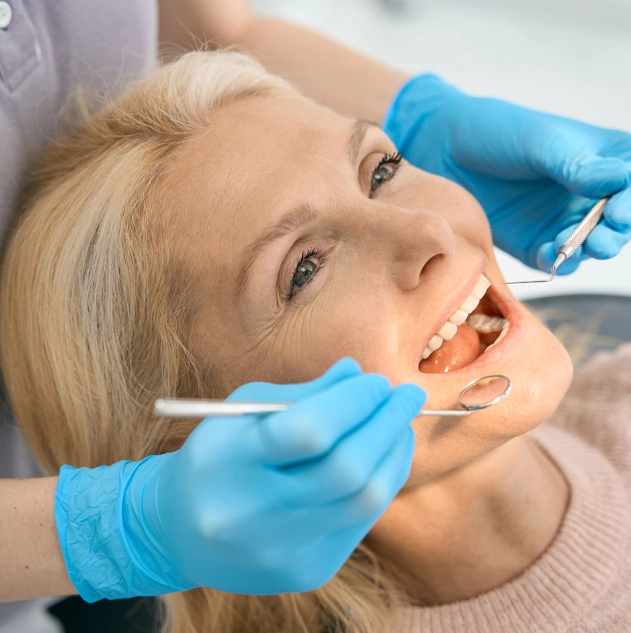
Does it hurt to have a dental bridge in Turkey ?
The process of installing a dental bridge is not painful because the doctor uses anesthesia to prevent you from feeling pain. In the first days after the installation there may be slight to moderate pain, which then gradually subsides; if the pain remains or becomes more intense, you should contact your dentist as soon as possible to prevent any further complications.
Does a dental bridge cause an odor ?
A dental bridge in itself does not cause an odor, but over the years the gums may recede or the adhesive materials begin to erode, allowing food to collect in the gaps under the pontic or the crowns, creating favourable conditions for the growth of bacteria and the appearance of odour. This is why you should practise good oral hygiene, and consult your dentist on the best toothpaste and techniques to keep your teeth and mouth healthy.
How do I clean a dental bridge and does a bridge cause bad breath?
A dental bridge in itself does not cause odour. Over the years, however, the gums may recede or the cement may start to wear, allowing food to collect in the gaps under the pontic or around the crowns, creating favourable conditions for bacteria and odour. This is why oral hygiene is essential. Brush twice a day with a soft brush and fluoride toothpaste, clean under the artificial tooth every day, because food and plaque collect there, using floss threaders, super floss, interdental brushes or a water flosser, and use an antibacterial mouthwash if your dentist recommends one. Visit a dentist or hygienist every six months, or as advised, for professional cleaning and a check of the bridge and the supporting teeth.
Ask your dentist which toothpaste and which techniques suit your bridge. Decay in the supporting teeth, usually at the edges of the crowns, is the commonest reason for a bridge to fail, so cleaning there is as important as cleaning natural teeth. Smoking increases gum disease and reduces the lifespan of a bridge.
Persistent bad breath, a bad taste, bleeding or swollen gums around the bridge are signs to see the dentist.
Wear a night guard if you grind your teeth, to protect the bridge from heavy forces.
How long does a dental bridge last and what are the benefits?
A well-made bridge, looked after properly, often lasts ten to fifteen years or more, but the figure varies widely: studies report that a large proportion of conventional bridges are still in place at ten years, and fewer after fifteen to twenty. The lifespan depends on the quality of the work, the material, the strength and health of the supporting teeth, oral hygiene, smoking, grinding and regular check-ups. A bridge usually has to be replaced at some point, and the supporting teeth, once crowned, will always need a crown, which is a lifelong commitment.
The benefits are clear. A bridge restores the shape of the smile without gaps, restores the ability to chew well and removes the discomfort of a space between teeth, helps maintain the shape of the face, corrects pronunciation problems, and keeps the other teeth in their proper positions and prevents them from moving. It does not, unlike an implant, stimulate the bone in the area of the gap. It is a replacement for missing teeth, not a treatment for decayed or damaged teeth: the problems that caused the tooth loss need their own treatment.
A fixed bridge is usually more comfortable and more stable than a removable denture, and it is completed in a shorter time than an implant.
Ask the dentist how long the bridge is expected to last in your case and what the warranty covers.
What are the risks and drawbacks of a dental bridge?
A dental bridge is a proven treatment, and serious problems are uncommon, but it has drawbacks, which the dentist should explain. The most important is that a conventional bridge requires filing the adjacent healthy teeth to fit the crowns, which means permanently losing part of those teeth. The supporting teeth carry extra load, which can lead to decay at the margins of the crowns, gum disease, a cracked tooth or the need for a root canal treatment if the nerve of a prepared tooth becomes inflamed or loses its vitality. The bridge can loosen, debond or be dislodged, particularly if the cement fails or the supporting tooth decays; ceramic can chip or fracture; the bridge will eventually need replacing; and infection can occur. In people with poor hygiene, bone loss under the bridge and gum recession are common.
Pain that persists or increases : contact your dentist.
Bridge that feels loose or moves : see a dentist promptly: decay under it can progress.
Swelling, pus or a bad taste : possible infection: seek care.
Chipped or broken ceramic : contact your dentist; sharp edges can cut.
Bleeding or receding gums around the bridge : review hygiene and see the dentist.
You can reduce the risks by choosing a dentist who examines you thoroughly, a material that suits your bite, keeping excellent hygiene, avoiding hard foods and smoking, wearing a night guard if you grind and attending regular check-ups. Treat decay or gum disease before the bridge is made.
If you have a problem after you return home, see a dentist, show them your treatment record and X-rays and contact the Turkish clinic as well.
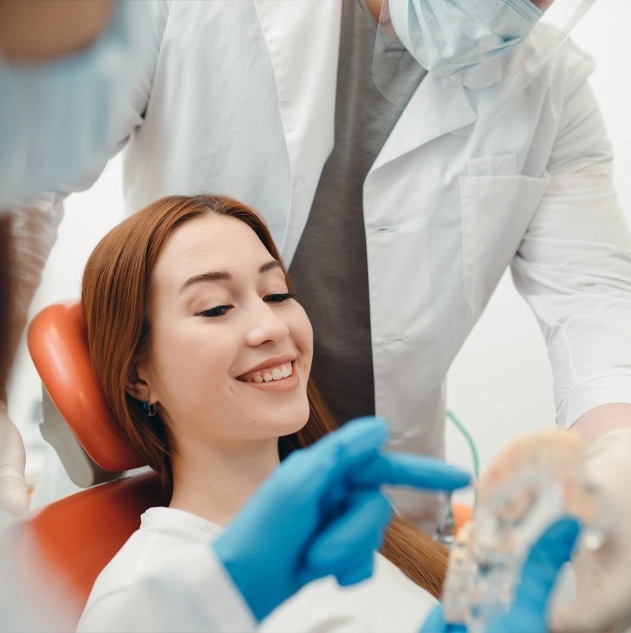
Although a dental bridge is an established and effective solution for missing teeth, it is not without drawbacks and potential problems. Some of these are relatively common over the years, and your dentist will go over them in detail once you meet.
The most important risks are :
- Additional pressure on the adjacent supporting teeth.
- Getting a conventional dental bridge means that the adjacent teeth have to be filed down to fit new crowns, which means permanently losing part of those healthy teeth.
- Inflammation or loss of vitality of the nerve of a prepared supporting tooth, which may need root canal treatment.
- The need to replace the current dental bridge and to install a new one.
- Caries in adjacent teeth.
- The possibility of the bridge loosening, debonding or becoming dislodged.
- Risk of infection.
What should I remember about dental bridges?
Missing teeth do not only affect your appearance; they can also lead to neighbouring teeth drifting, malocclusion (a poor bite) and problems with chewing that can affect your diet. A dental bridge in Turkey is one solution among several, alongside implants and dentures, and the right one depends on your teeth, your gums and your budget. Aram Clinic invites you to request a free quote; ask for the dentist, the material, the laboratory and the warranty in writing before you decide.
How long should I stay in Turkey for a dental bridge and when can I fly home?
For a conventional bridge, plan about four to seven days in Turkey: the examination and X-rays, the preparation of the teeth, the temporary bridge, the laboratory time and the fitting of the final bridge, with time for adjustments. Some clinics with on-site laboratories complete it in a few days; others need up to a week or two. For an implant-supported bridge, the first trip covers the examination and implant placement, and the bridge is fitted on a second trip several months later. Flying home is generally possible once the bridge is cemented and any adjustments are finished, with no special restriction after a bridge; after implant surgery, swelling and bruising may suggest a day or two of rest first.
Flights to Istanbul take about three and a half to four hours from the UK and Western Europe and around nine to eleven hours from the US East Coast. Check the current visa or e-visa requirements for Turkey on the official government sites before you book, and make sure your passport is valid for the whole stay. Avoid very hard foods on the journey and bring a desensitising toothpaste.
Hotel nights near the clinic make appointments easier. If the clinic offers an all-inclusive package, check the list of what it covers.
Keep your treatment record, the material used, the laboratory name and the warranty in case you need a dentist at home to adjust or repair the bridge.
How do I choose a dentist and clinic for a dental bridge in Turkey?
| What to check | Why it matters | How to verify |
|---|---|---|
| Dentist’s qualification and experience | Bridge preparation is irreversible. | Name, dental degree, registration, experience with fixed prosthodontics; ask for examples of bridges at one or two years. |
| Examination and X-rays first | The plan should rest on the health of your teeth. | Check-up, X-rays or 3D scan; written treatment plan. |
| Explanation of alternatives | A bridge is not always the best option. | The dentist explains implants and dentures and why a bridge is proposed. |
| Material and laboratory named | Quality varies with materials and laboratory. | Material (zirconia, PFM), brand and laboratory in writing. |
| Temporary bridge and trial fit | Protects prepared teeth and checks fit and bite. | Included in the plan; a try-in before cementing. |
| Warranty | Covers repair or remake if the bridge fails. | Written warranty with duration, conditions and who pays travel. |
| Clinic licence and hygiene | A licensed clinic follows hygiene standards. | Licence from the Turkish Ministry of Health; clinic address. |
Ask for before-and-after photographs and X-rays of bridges at one or two years, and compare at least two proposals. Be sceptical of rankings such as “best dental bridge in Turkey”: there is no reliable public ranking. A second opinion from a dentist at home on whether a bridge or an implant is better for you is a sensible precaution. Aram Clinic says it works with experienced dentists: ask for the clinic and the dentist by name in writing and verify them yourself.
Be wary of any clinic that proposes many crowns or bridges at once, without an examination, or that files down healthy teeth for cosmetic reasons.
How should I read dental bridge reviews and before-and-after photos from Turkey?
Photographs and reviews of dental work in Turkey are plentiful but hard to judge. A review written shortly after treatment describes the temporary teeth and the excitement of the first days, not the fit of the final bridge or the health of the gums two years later. Photographs may be taken in flattering light, edited or not belong to the clinic’s own patients; some show veneers or crowns rather than bridges. Positive reviews can be solicited or paid for, and negative reviews can come from competitors.
Ask the clinic for a series of cases like yours, with X-rays, showing the temporary and final bridges and a follow-up at one or two years, and for contact with previous patients, with their consent. Look for reviews that mention how the clinic handled problems, adjustments and warranty claims. The best check is a second opinion from a dentist at home on your X-rays and on the proposed plan.
Treat marketing images as advertising, and trust the examination and the written plan more than the picture.
Be especially careful with offers that bundle a bridge with many other treatments you did not ask for.
What are the downsides of having a bridge abroad, who handles repairs and does insurance cover it?
The main limits of having a bridge made abroad concern follow-up, repairs and the warranty. If a bridge loosens, a ceramic chips or a supporting tooth hurts months after you return, you will need a dentist quickly; some dentists at home are reluctant to treat work done elsewhere, and travelling back to Turkey for a repair costs time and money. A conventional bridge is made on irreversibly prepared teeth, so a poor-quality bridge cannot be undone without a replacement. Language and documentation differences can create misunderstandings about materials and warranty.
A warranty is only as good as its terms. Ask for it in writing, in English: what it covers (the bridge, the cement, the supporting teeth), for how long, whether it requires regular check-ups and hygiene visits, whether you must return to the clinic, who pays for travel, and what is excluded, such as damage from grinding or poor hygiene. Dental bridges are generally not covered by public health systems or most dental plans for treatment abroad; the NHS in the UK covers limited dental treatment and dental plans in the US cover only part of the cost, and travel insurance usually excludes planned dental treatment and its complications, so a specialist policy may be needed.
Before you travel, ask the clinic in writing what happens if you need a repair or a remake, who performs it and who pays, and arrange a dentist at home who will see you for hygiene and check-ups.
If you cannot arrange these, or if your case is complex, having the treatment at home may be the safer choice, even at a higher price.
Should I use a dental tourism agency or contact the clinic directly?
Some patients use agencies that organise the trip and introduce them to a clinic, often through social media or messaging apps. This can simplify logistics, but it creates a conflict of interest when the agency is paid a commission by the clinic: its incentive is to sell a package, often including more dental treatment than you need. An agency is not a dentist and cannot replace an examination. Warning signs include fixed prices before any review of your X-rays, guaranteed results, packages that add crowns or veneers you did not ask for, pressure to book quickly and offers sent by chat message.
Whatever route you use, make sure you know exactly who is responsible for the dental care (the clinic and the dentist), who invoices and who is reachable if you need help. Ask for the contract in writing, naming the clinic and the dentist, and do not pay a large deposit to someone you have not identified. Ask Aram Clinic what its exact role is, who the contracting parties are and how complaints are handled.
How do I plan the trip and how does the process work with Aram Clinic?
Choose a hotel close to the clinic, plan about four to seven days for a conventional bridge and bring your recent dental X-rays and a list of your medicines and allergies. If the bridge is implant-supported, plan two trips. Tell your dentist at home about the trip and ask them to be ready to see you afterwards. Keep copies of the quote, the treatment plan, the material and laboratory details and the warranty on your phone.
Aram Clinic describes a simple journey: you request a free quote online with your X-rays; the dental team reviews them and a dentist or coordinator discusses your case, usually by video; you receive a written proposal and decide without pressure; you travel and are met on arrival; after the examination, the teeth are prepared, the temporary bridge is fitted and the final bridge is made and cemented at the partner clinic; and you return home with your records and a plan for follow-up, with remote contact. These are the clinic’s own descriptions: check that the dentist and the clinic are named in writing, that the material and the laboratory are specified, that the quote lists what is included and that the warranty is in writing.
The first step is simple: complete the free express quote with your X-rays, or learn more about Aram Clinic.
A responsible team will tell you if a bridge is not the best option for you and will advise an implant or a different plan if that is better.
What aftercare do I need at home and what questions should I ask before booking?
Aftercare begins before you leave, with written instructions on cleaning, diet, medicines, the care of the temporary bridge and warning signs. At home, brush gently and clean under the bridge every day, avoid very hard and sticky foods, see your dentist for hygiene and check-ups every six months, wear a night guard if you grind your teeth, do not smoke and report any pain, loosening or swelling promptly. Keep the records of the bridge: the material, the laboratory, the date and the warranty.
Do I need a bridge : has a dentist examined my teeth and X-rays and explained the alternatives, including implants?
Which type of bridge and why : traditional, cantilever, Maryland or implant-supported?
Which teeth will be prepared : and are they healthy enough to support it?
Which material and laboratory : zirconia, metal-ceramic or other?
How many visits and how long to stay : and is there a temporary bridge?
What does the warranty cover : for how long, and what must I do to keep it valid?
What is included in the quote : implants, extra nights, repairs, my companion?
Who will look after the bridge at home : have I found a dentist who will see me?
Write your questions down and ask for the answers in writing. Take your time: a bridge permanently changes your teeth, and no discount is worth deciding under pressure. A second opinion from a dentist in your own country is a sensible precaution.
A team that examines your teeth, explains the alternatives, names the material and gives a clear written warranty is more trustworthy than one that promises the lowest price and a bridge for life.
Dental bridge in Turkey: ask whether an implant would be better first, then the material and the warranty, then the price
A dental bridge in Turkey replaces one to three missing teeth with a fixed prosthesis anchored to crowns on the neighbouring teeth, or to implants, in a conventional treatment of two visits over about a week to ten days, followed by a lifetime of careful cleaning under the bridge. It restores chewing, speech and the appearance of the smile, and a well-made bridge often lasts ten to fifteen years or more, but a conventional bridge permanently files down healthy neighbouring teeth, which is why a single implant is often preferred when those teeth are intact. Quotes are generally lower than in the UK or the US, and all-inclusive packages bundle the hotel, transfers and medication, but price is only one factor: the dentist’s examination and honesty about alternatives, the material (zirconia or metal-ceramic) and laboratory, a temporary bridge and a trial fit, and a clear written warranty decide whether the bridge lasts. Decay in the supporting teeth, loosening and chipping are the main long-term problems, and dental treatment abroad is rarely covered by insurance.
Before booking, send your X-rays for a remote opinion, ask why a bridge rather than an implant or a denture is proposed, which teeth will be prepared, which material, laboratory and warranty are offered, and who will look after the bridge at home. If your project is ready, the next step is to send your X-rays to the Aram Clinic team through the free express quote, so that they can review your case and propose a written plan that you can discuss with your own dentist, without pressure.
Official sources to consult
This page draws on the sources below. Guidelines and rules change: always consult the current version and your own dentist’s advice.
NHS : nhs.uk : patient information on dental bridges, how they are fitted and how long they last.
General Dental Council : gdc-uk.org : standards for dental professionals and advice for patients (UK).
British Dental Association : bda.org : patient advice on dental treatment abroad.
American Dental Association : ada.org : patient guidance on dental bridges and tooth replacement (MouthHealthy).
American Academy of Implant Dentistry : aaid.com : patient information on implants and implant-supported bridges.
Joint Commission International : jointcommissioninternational.org : international accreditation (verify any claim on the accreditor’s site).
Republic of Türkiye Ministry of Health : saglik.gov.tr : licensing of health facilities and health tourism.
UK Government and US State Department travel advice : gov.uk and travel.state.gov : entry requirements and health travel advice.