+44 20 7903 7116


 +44 20 7903 7116

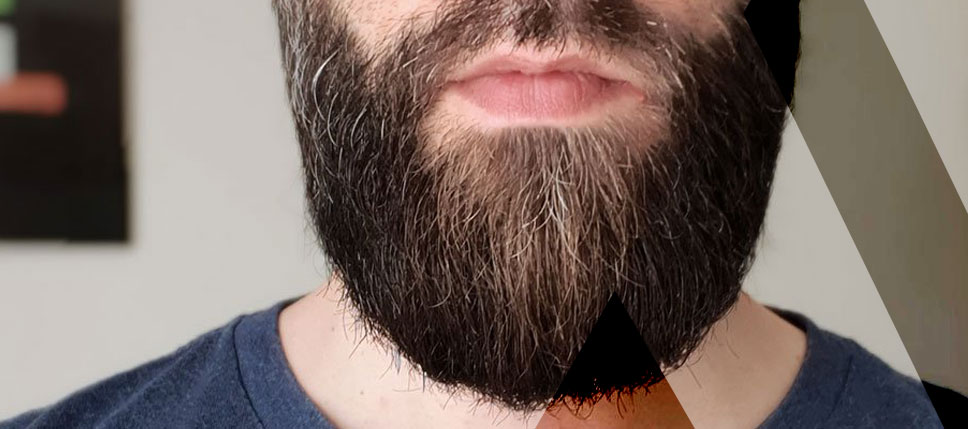
Facial hair is one of the ways many men express their style, and many men want a fuller beard.
Beards have been associated with masculinity in many cultures, but a man’s worth does not depend on his facial hair.
A beard can also cover facial scars, give some warmth and, for many men, add to their confidence.
Some men who cannot grow a beard feel self-conscious about it, while many are perfectly happy without one.
Aram Clinic organises beard transplant in Turkey with partner teams.
A transplant can add facial hair where there is enough donor hair, but results vary and the procedure carries risks.
The cost all depends on the amount of your hair
lost and
the amount of hair you want to transplant onto your face.
In places like American, Switzerland or Brazil it could cost a bit much to have the
operation especially if you want a fully facial hair treatment.
According to Aram Clinic, a beard transplant in Turkey comes with a package deal that costs about 50% less than other places; check this against written quotes.
The clinic says that its all-inclusive deal covers your hotel room, medical transportation, medication and doctor’s fees; ask for the exact list of inclusions and exclusions.
Where can i get Beard Transplant in Turkey?
Turkey is one of the top countries when it comes to medical tourism and cosmetic surgeries, each year thousands of aesthetic procedures are done and from all categories.
So being at that spot in medical tourism it's safe to assume that Turkey has a lot of medical clinics that perform Beard Transplant.
Aram Clinic organises beard transplants in Turkey, among other operations, with partner clinics.
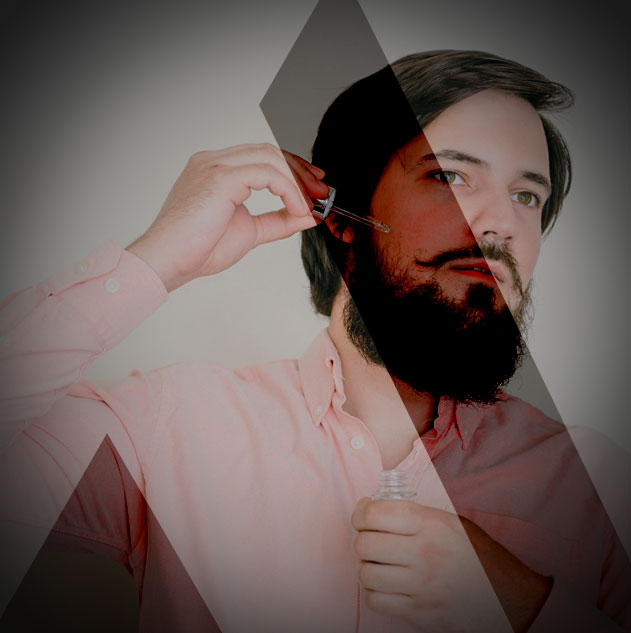
The clinic says that it works with a professional medical team; ask for the doctor’s name and for who performs each step.
Price is only one factor: the team, the plan for grafts and the follow-up matter more.
What is Beard Transplant?
Growing a beard is not easy for most guys and in some cases it can not be done naturally, you may have inherited genes that make a full beard difficult or impossible to grow.
A beard transplant can help if there is enough donor hair.
The procedure is simple in its nature; you would take the hair out of a part of your body, most typically the head, and then transplant it onto the jawline and wherever else you so desire.
The procedure is simple in it's description but it's actually a little involved.
What is a beard transplant in Turkey and who is it for?
A beard transplant in Turkey is a hair-restoration operation, carried out by a medical team in a Turkish clinic or hospital, in which hair follicles are taken from a donor area, usually the back and sides of the scalp, and implanted one by one into the beard, moustache, goatee, sideburns or cheek areas to create or thicken facial hair, or to cover scars. The transplanted hairs keep the characteristics of the donor hair, and once they have grown they can be trimmed, shaved and styled like natural hair. The operation is done under local anaesthesia, often with mild sedation, takes about three to eight hours depending on the number of grafts, and is a day case. Aram Clinic says it offers beard transplant in Turkey with partner teams, in an all-inclusive package covering your hotel room, medical transportation, medication and doctor’s fees, at a price about 50 percent below other places; these are the clinic’s own descriptions and should be verified in writing.
A beard transplant is for adult men who cannot grow a beard, or whose beard is patchy, thin or uneven because of genetics, who have scars from injury, burns, surgery or acne that interrupt the beard, or who have lost beard hair to a condition that is stable; who have enough healthy donor hair; and who understand that the result takes up to a year to appear, that the density is limited by the donor supply and that it is a medical procedure with risks, not a cosmetic purchase. Beards are fashionable, and the fashion can change; the operation should be a considered choice, not a response to a trend.
This page answers the questions people ask most: why some men cannot grow a beard, how the techniques (FUE, FUT, DHI) compare, how many grafts a beard needs, where the hair comes from, who is a good candidate, how the design is planned, how much a beard transplant costs in Turkey compared with the UK, what a package includes, whether it is safe, how the operation and the recovery work week by week, when the shedding and the growth happen, what the risks are, how scars and patchy beards are treated, how long to stay and what to check before you book, including who actually performs the procedure. It draws on guidance from the NHS, the International Society of Hair Restoration Surgery and the British Association of Dermatologists, and on information supplied by Aram Clinic. It is general information, not medical advice: a doctor must examine you before any operation.
Aram Clinic also publishes guides to hair transplant in Turkey and eyebrow transplant. For a personal estimate, use the free express quote.
What are the key facts about a beard transplant in Turkey at a glance?
| Question | Short answer |
|---|---|
| What is it? | Hair follicles from the donor area are implanted one by one in the beard area. |
| Usual technique | FUE (follicular unit extraction), sometimes with DHI-type implantation; FUT strip is rarely used for beards. |
| Grafts needed | Roughly 2,000 to 4,000 for a full beard; fewer for partial work. |
| Operation time | About 3 to 8 hours, depending on grafts. |
| Anaesthesia | Local anaesthesia, sometimes with sedation. |
| Recovery | Scabs fall off in about 7 to 10 days; redness for 1 to 2 weeks. |
| Shedding | The transplanted hairs usually fall out at about 2 to 4 weeks and regrow. |
| First growth | From about 3 to 4 months; thickening over the following months. |
| Final result | About 8 to 12 months, sometimes longer. |
| Time to plan in Turkey | About 3 to 5 days. |
| Main risks | Folliculitis, ingrown hairs, poor graft survival, unnatural direction or density, donor-area scarring, numbness. |
| Insurance | Cosmetic; not covered by public systems; check travel insurance. |
These are typical ranges, not promises: your donor hair, your skin and your healing decide the result. A moustache refill and a full beard are very different procedures.
If you remember only one thing: the planning of the hair direction and density, and who actually performs each step, decide how natural a beard looks.
Why can some men not grow a beard?
Facial hair growth is driven by androgens, the male hormones, acting on hair follicles that are genetically programmed to respond. The main factor is genetics: the number of beard follicles you have and how sensitive they are to testosterone and its more potent form, dihydrotestosterone (DHT), are inherited, and so a man whose father and relatives have thin or patchy beards is likely to have one too. Beard growth also varies with ethnicity and age, and often continues to thicken into the late twenties and thirties, which is why many surgeons advise waiting until at least the mid-twenties before a transplant. Other causes of thin or patchy beards include scars from injury, burns, surgery or acne, which destroy follicles; conditions such as alopecia areata, in which the immune system attacks hair follicles and which can cause bald patches in the beard (alopecia barbae); skin conditions, certain hormone disorders and, in some cases, nutritional deficiencies or stress. A doctor should check that there is not a treatable medical cause before transplanting.
The idea that a missing beard means missing masculinity, or that beards are “the equivalent of make-up for men”, is a cultural one, not a medical one. Some men are very happy to be clean-shaven, and a man’s worth does not depend on his facial hair. For those who want a beard, a transplant can help, but it works only if there is enough donor hair, and not for every cause.
Ask the doctor whether there is a medical cause for your thin beard and whether it is stable.
If the patches appeared suddenly, see a dermatologist first.
FUE, FUT or DHI: which technique is used for a beard transplant?
| Technique | How it works | Used for beards? | Notes |
|---|---|---|---|
| FUE (follicular unit extraction) | Follicles are removed one at a time with a tiny punch from the donor area and implanted in tiny incisions or channels in the beard. | Yes, the standard. | Leaves tiny dot scars in the donor area, hidden by short hair; recovery is quick. |
| DHI-type (direct implantation, with an implanter pen) | Follicles are extracted by FUE and implanted with a pen-like tool without pre-made channels. | Yes, in many clinics. | Marketed as denser or more precise; evidence for superiority over good FUE with channels is limited. |
| FUT (follicular unit transplantation, strip) | A strip of scalp is removed and divided under a microscope into grafts. | Rarely. | Leaves a linear scar; uses up donor skin; usually not chosen when the hair is short or when more sessions may be needed. |
| Body hair transplant (BHT) | Follicles are taken from the chest, back or other areas by FUE. | Sometimes, when scalp donor hair is limited. | Body hair behaves differently from beard hair; results less predictable. |
In a beard transplant, FUE is the standard technique: the doctor removes follicles from the back and sides of the scalp, which resist hair loss, and implants them in tiny incisions where the beard is wanted. The FUT or strip technique, which removes a strip of scalp, leaves a linear scar and is rarely used for beards, because the scar can be seen if the hair is cut short, and because the donor skin is limited. The idea that FUT “usually takes 6 to 10 hours in one session” and is the main beard technique is therefore misleading: the length of the procedure depends on the number of grafts and on the technique, and a large beard FUE session commonly takes five to eight hours. FUE leaves small, round, dot-like scars in the donor area and has a shorter recovery.
Ask which technique and which implantation method are planned for you and why.
Be wary of marketing names that are presented as different techniques but are variants of FUE.
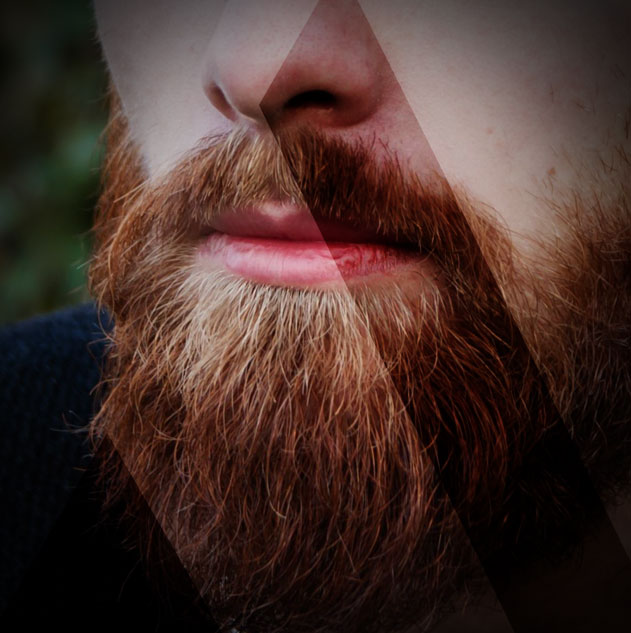
In this operation there are two main techniques to perform.
Follicular unit extraction (FUE).
A highly popular and delicate technique that involves harvesting hair follicles individually one by one from the donor area which usually is the back of the head since that area is less prone to baldness.
After that tiny incisions will be made along the area that you want to have the transplants in and then delicately place the hair in those holes.
FUE leaves small circular scars in the donor area much different to the line scar that FUT leaves.
FUE has another advantage at having a much shorter recovery period.
Follicular unit transplantation (FUT).
FUT is rarely used for beards. The length of a transplant depends on the number of grafts, commonly several hours, and more than one session may be needed, depending on the density required.
Local anaesthetic is used, so you should feel pressure but not pain during the procedure.
FUT is also known as the strip procedure, it is called that because in the process the doctor will take a small strip from your scalp, after the donor area is closed, the strip is put under the microscope and then divided into several small grafts, and finally the grafts are inserted in the small incisions at the recipient site.
How many grafts does a beard transplant need?
| Area | Typical grafts | Notes |
|---|---|---|
| Full beard (cheeks, jawline, chin, moustache) | About 2,000 to 4,000, sometimes more | Depends on the density wanted, the area and the donor supply. |
| Moustache only | About 300 to 800 | A smaller operation; the direction of growth matters. |
| Goatee | About 500 to 1,500 | Chin and around the mouth. |
| Sideburns | About 200 to 600 | Short, with angled hairs. |
| Cheeks or patches | About 300 to 1,500 | Used to fill patchy areas. |
| Scars | Variable | Scar tissue takes grafts less well; may need more than one session. |
Each graft is a follicular unit with one to three hairs, and a beard has a high natural density, so a full, thick beard needs many grafts; but few men have enough donor hair to reproduce a natural density across the whole face, and surgeons aim for a natural appearance, with a slightly lower density at the edges, rather than the densest possible. The scalp donor area can supply a limited number of grafts over a lifetime, which is shared with any later hair transplant on the scalp, so the number of grafts used for the beard matters if you are likely to be bald later. Clinics may quote the number of grafts, and the price per graft, but the number is less important than the plan and the result.
Ask how many grafts are planned for each area and how many the donor area can supply.
Tell the surgeon if you already have hair loss on your scalp or expect to.
Where does the donor hair come from: scalp or body?
The usual donor area for a beard transplant is the back and sides of the scalp, the “safe donor zone”, where hair is largely resistant to the hormones that cause male-pattern baldness, so the transplanted hair keeps growing for life in its new location. Scalp hair is thick and, when implanted in the beard, tends to remain a little different from natural facial hair: it may be softer or straighter, may grow faster, may need more frequent trimming and can sometimes turn grey at a different time from the rest of the beard. A good surgeon chooses the donor hairs that best match the texture and curl of your facial hair. If the scalp supply is not enough, for example in a man who already has thinning, the surgeon can harvest from the chest, back or other body areas by FUE, but body hair has a different growth cycle, shorter and finer, and results are less predictable, so it is usually reserved for limited cases or for filling in.
After a beard transplant the hair at the back of your head will continue to grow normally, although the donor area will show small dot scars if you shave your scalp very short. If you are considering a hair transplant for the scalp as well, plan the total number of grafts. See the guide to hair transplant in Turkey.
Ask which donor areas are planned and what the donor area will look like afterwards.
Plan the use of your donor hair over your lifetime, not just for today.
Who is a good candidate for a beard transplant and who should wait?
Almost any adult man in good health can be considered, but suitability depends on the reason for the transplant and on his donor hair. Good candidates are men whose beards are patchy, thin or absent because of genetics, whose facial hair growth is stable, who have scars from injury, burns, surgery or acne, who have enough healthy hair in the donor area and who have realistic expectations. The statement that any man older than twenty-four can have the operation is a rough rule: many surgeons prefer to wait until the mid-twenties or later because the beard continues to fill in, and decide case by case. The surgeon examines your scalp and your face, assesses donor density and hair quality, checks your medical history and may order blood tests. Because the follicles are taken from the back of the head, you need good, healthy hair there that can withstand the procedure, and the donor area will continue to grow normally afterwards.
A transplant should be postponed or avoided in men whose facial hair loss is caused by an active medical condition (such as active alopecia areata), who have uncontrolled medical problems, a tendency to keloid scarring, skin infections or conditions in the beard area, a very limited donor supply, a bleeding disorder or unrealistic expectations, and in men who are still very young and whose beard may yet fill in. A good surgeon will tell you honestly if a transplant is not suitable, or if you should wait, or if another treatment, such as medical treatment for alopecia areata, should come first.
Tell the doctor about any hair, skin or autoimmune condition, previous scars and medicines.
Bring photographs of the beard style you would like, and of your own face when you have grown the hair you have.
How is a natural beard designed: direction, angle, density and hairline?
A natural beard depends on design more than on the number of grafts. Facial hair grows at different angles and directions in different regions: on the cheeks it grows downwards and slightly forwards, along the jawline and the neck it points in different directions, and on the chin and the moustache it follows a pattern of its own, with hairs that grow at a shallow angle to the skin. The surgeon draws the beard line, the cheek line and the neck line with you, usually when you are sitting up and looking in a mirror, and takes into account your face shape, your age, the style you want and your natural hair pattern. Each incision is made at the angle and direction that the hair should grow, with the hairs placed in groups of one hair at the edges and denser units, with two or three hairs, in the centre, to mimic the natural gradient. A beard that is too dense or has a line that is too sharp, too straight or too low can look artificial, and a beard in which the hairs point the wrong way looks “pluggy” and unnatural.
Design is also where the skill of the team shows, and where a rushed or poorly supervised operation fails. Ask who will design the beard line, whether you will see and approve the drawing before anything is done and whether the doctor or a technician makes the incisions.
Ask to see and approve the beard line on your face before the procedure starts.
Choose a conservative design: you can always add density in a second session.
How much does a beard transplant cost in Turkey compared with the UK, the US and elsewhere?
The price of a beard transplant in Turkey depends on the number of grafts and the areas, the technique, the team and the clinic, the anaesthesia, and what the package includes. Prices are usually quoted per procedure or per graft. In general, they are lower than in the UK, the US, Switzerland or Brazil, where a full beard can be costly for private patients. Aram Clinic states that its beard transplant in Turkey is offered at a very low price, with a package deal that is about 50 percent less than other places, including your hotel room, medical transportation, medication and doctor’s fees, within its all-inclusive deal; the real difference depends on what you compare, so check the claim against written quotes. The statement that the package is “50 percent less than any other place” cannot be verified, so compare quotes line by line.
Compare like with like: the same technique, the same number of grafts and areas, the same donor area, the same follow-up and the same terms if the density is not what was promised. A very low price may mean fewer grafts than a natural beard needs, a rushed procedure, a procedure carried out by technicians without proper medical supervision or no follow-up. A price per graft that looks low can become expensive once the number of grafts needed is counted.
What should a written beard transplant quote include?
Areas and grafts : which areas, and the number of grafts planned for each.
Technique : FUE, implantation method, donor areas.
Team : who designs, who extracts, who makes the incisions, who implants; the doctor’s name.
Anaesthesia : local with or without sedation.
Medicines and aftercare : antibiotics, ointments, washing instructions.
Follow-up : checks in Turkey and remote follow-up at 3, 6 and 12 months.
Travel services : transfers, hotel nights, interpreter.
Second session : terms if density is insufficient.
Payment terms : deposit, refund conditions, currency.
Aram Clinic does not publish fixed prices on this page because the cost depends on your case: request a free express quote with photographs of your face and of the back of your head.
What is included in a beard transplant package and does the city matter?
According to Aram Clinic, its all-inclusive deal covers your hotel room, medical transportation, medication and doctor’s fees. A complete package may also include the consultation and examination, the design, the procedure, local anaesthesia, medicines, ointments and a washing kit, a hair-care and post-operative instruction sheet, transfers, an interpreter or coordinator and follow-up. “All-inclusive” has no legal definition, so ask for the list in writing and check what is excluded: extra grafts if more are needed, a second session, treatment of complications, hotel nights beyond the package and the companion’s costs.
Turkey has a very large hair-restoration sector, concentrated in Istanbul and also found in Antalya, Izmir and Ankara, with a large number of clinics that perform beard transplants; the quality varies widely, from highly experienced teams to high-volume operations where one doctor supervises many procedures. The city matters less than who performs the work and how it is supervised. Searches for “beard transplant Istanbul” are frequent for this reason.
Ask for the name of the doctor who will examine you and the person who will perform each step.
Be wary of packages that promise a “full beard” without discussing the number of grafts or your donor supply.
Is a beard transplant in Turkey safe and what makes the difference?
A beard transplant is a minor surgical procedure, performed under local anaesthesia, and when done properly in a clean, licensed facility, serious complications are uncommon. It is fairly safe and effective, but it is not risk-free, and the risks are not all minor. In Turkey, the main concern for patients is not the technique but the organisation of the work: the hair-transplant sector includes high-volume clinics in which some of the steps, such as the extraction of grafts and the making of the incisions, are carried out by technicians while the doctor supervises several patients at once. Professional bodies such as the International Society of Hair Restoration Surgery state that the medical aspects, including the design, the anaesthesia, the incisions and the supervision, must be carried out or directly supervised by a physician; Turkish regulations also require medical supervision, and patients should ask what happens in practice. Safety depends on the clinic’s licence, the doctor’s involvement, hygiene, the quality of the follow-up and your own health, not on the country.
What makes the difference: a doctor who examines you and designs the beard; clear information on who does what; sterile conditions; a realistic number of grafts; no pressure to add procedures; and aftercare with a contact. Warning signs include a package quoted from photographs alone, pressure to book quickly, “celebrity” marketing and a refusal to name the doctor.
Ask who will extract and implant the grafts and whether the doctor will be present throughout.
Refuse any plan that begins without an examination and a drawing of the beard line.
Who is a good candidate for beard transplant?
Many healthy adult men can have the surgery; surgeons usually prefer to wait until the mid-twenties or later, because the beard continues to fill in.
Since the hair follicles are taken from the
back of the
head, you will need to have a good and healthy enough hair that could withstand the
procedure.
The back of the head has the most resistant hair to
falling off so it's usually the best
place to harvest from.
You should not worry since you will have a normal grow
to your hair at the back of your head
after the procedure.
Your doctor will also have to examine your scalp to
determine if there are enough hair
follicular for the transplant.
How to prepare for beard transplant?
Having some preparations for your beard transplant is a good idea to help make the operation go smoother and lower the risk of any complications.
One of the things that you can do is let your hair grow longer, allowing your facial hair to grow gives the surgeon a clear idea about the pattern of growth your beard is
Your doctor may recommend certain vitamins, but the evidence that they improve results is limited, and too much vitamin A is harmful, so take them only as advised.
They are meant to support the condition of your skin; do not take extra without advice.
You will also need to make some life style changes such as :
- Stop smoking and drinking.
- Eat healthier.
- Limit caffeine on the day of surgery.
- Stay active as usual.
You will also need to have someone prepared to take you home after the surgery, you will not be able to drive due to the anesthetic.
What will happen on the day of the Beard Transplant procedure?
The procedure takes from about 3 to 8 hours, depending on the number of grafts; a second session may be needed if more density is wanted.
General anaesthesia is not normally used: local anaesthetic numbs the areas to be operated on, such as the back of the head and the jawline.
The doctor may also give you a mild sedative to help you relax and remove any anxiety you
have about the operation, you won't be feeling any pain during the procedure thanks to the
local anesthesia.
After that the surgery itself will being by harvesting the donor hair.
It depends on the technique that you and your doctor have agreed on either (FUE) where the
hair follicular will be collected individually or (FUT), where the doctor will be removing a
strip of hair.
The hair will be collected from either the back of the head or the side of the scalp.
If you do not have enough scalp hair, the surgeon may harvest from another part of your body such as the chest or back; body hair behaves differently from beard hair.
After the harvesting is done, the doctor will then make small incisions along your beard
area, then will be placing the hair follicles in the incisions and wrap up the surgery.
How do I prepare for a beard transplant and what should I do before the day?
Preparation helps the operation go more smoothly and lowers the risk of complications. Before surgery, you meet the doctor, who reviews your medical history and medicines and examines your scalp, your donor area and your face; the doctor and you decide on the beard design, the area and the number of grafts. You may be advised to let your facial hair grow for a few days, so that the surgeon can see the pattern and direction of your existing growth. Your doctor may recommend certain vitamins, often vitamins A, D and B-group, though the evidence that vitamins improve the results is limited and they should be taken only as advised, since excess vitamin A is harmful. Avoid blood-thinning medicines such as aspirin and ibuprofen, vitamin E and fish oil for about one to two weeks before surgery, unless your doctor advises otherwise, and tell the doctor about any other medicines, including finasteride and minoxidil.
Lifestyle changes that help: stop smoking and avoid alcohol for a few days before and after the operation, since smoking and alcohol slow healing; eat a normal, balanced meal before surgery and avoid large amounts of caffeine on the day, to limit anxiety and bleeding, although you do not need to give it up completely; stay active as usual. Have someone take you to your hotel after the procedure, since you may be drowsy from sedation, and plan a few days of rest. Wash your hair and face on the morning of surgery.
Send photographs of your face and of the back and sides of your head in advance so that the doctor can give you a first opinion before you travel.
Ask for the instruction sheet in English to read at home.
What happens on the day of a beard transplant, step by step?
| Step | What happens | Typical timing |
|---|---|---|
| 1. Examination and design | The doctor reviews your health, examines the face and donor area and draws the beard line with you. | 30 to 60 minutes. |
| 2. Preparation and anaesthesia | The donor and recipient areas are cleaned; local anaesthetic is injected, with or without a mild sedative. | 30 to 60 minutes. |
| 3. Extraction (FUE) | Follicles are removed one by one from the donor area (usually the back and sides of the scalp), which is often shaved. | 1.5 to 3 hours. |
| 4. Sorting | Grafts are separated by number of hairs and kept in a cooled solution. | During extraction. |
| 5. Recipient sites | Tiny incisions or channels are made at the planned angle and direction in the beard area. | 1 to 2 hours. |
| 6. Implantation | Grafts are placed in the sites one by one, with single hairs at the edges and multi-hair units in the centre. | 2 to 3 hours. |
| 7. Dressing and instructions | The areas are cleaned; ointment and instructions are given. | 30 minutes. |
The procedure takes from about three to eight hours, depending on the number of grafts and the team; a large beard session is commonly five to eight hours with breaks. General anaesthesia is generally not used: local anaesthesia numbs the donor area and the face, and a mild sedative may help you relax; the claim that general anaesthesia is avoided only “because it adds to the cost” is not a good explanation, since local anaesthesia is the standard for safety and practical reasons. The injection of the local anaesthetic is the most uncomfortable part, and you should feel pressure but no pain during the rest of the procedure. After the grafts are harvested, the doctor or the team makes small incisions along the beard area and places the follicles in them. In a man with insufficient scalp hair, the surgeon may harvest from the chest, back or arms, as discussed earlier. The doctor finishes the procedure with dressings and instructions.
Ask which steps the doctor performs personally and which are delegated, and to whom.
Bring headphones or a tablet: the procedure is long but not painful.
What is the recovery after a beard transplant, week by week?
| Time | What to expect | What to do |
|---|---|---|
| Days 0 to 3 | Redness, mild swelling of the face; tiny scabs around each graft; tightness and stinging; donor area tender. | Sleep with your head raised; do not touch or scratch; take medicines; follow the washing instructions. |
| Days 4 to 10 | Scabs form and begin to fall off; redness fades; swelling settles. | Wash gently as instructed; no shaving; avoid sweating, sun, swimming, saunas. |
| Weeks 2 to 4 | The transplanted hairs fall out (shedding); small spots or pimples may appear. | Do not pick; keep skin clean; trim only as advised. |
| Months 2 to 3 | The face looks as if the transplant has not worked; new hairs start to appear around month 3. | Be patient; protect from the sun. |
| Months 4 to 8 | Hair thickens and lengthens; some folliculitis may appear. | Gentle exfoliation as advised; contact the clinic about spots. |
| Months 8 to 12 | Final density visible; the beard can be shaped and styled. | Review with the doctor at 12 months. |
After the procedure, you will need someone to take you to your hotel and you will rest for a short time. Tiny crusts form around the new hairs and flake off within about a week to ten days; you may have some stinging or tightness and the doctor gives you painkillers. You may return to desk work within a few days, although many men prefer a week, since the redness and scabs are visible. For the first two to three days, follow the washing instructions of your clinic exactly: some clinics advise no washing for the first day or two and then gentle washing with a specified shampoo, since pressure on the grafts can dislodge them; the notion that you must avoid washing your face for five days is not universal, and unwashed scabs can lead to infection, so follow your own clinic’s instructions. Avoid shaving for about ten to fourteen days, then trim carefully with a trimmer, and use a razor only after the doctor agrees, typically after several weeks to a month. Within two to four weeks, the transplanted hairs usually shed, which is normal and allows new hair to grow from the follicle, which stays in place; new growth begins around three to four months, and the final result is seen at eight to twelve months.
Call your clinic if you have increasing pain, spreading redness, pus, fever or heavy bleeding.
Take photographs at regular intervals to follow the growth.
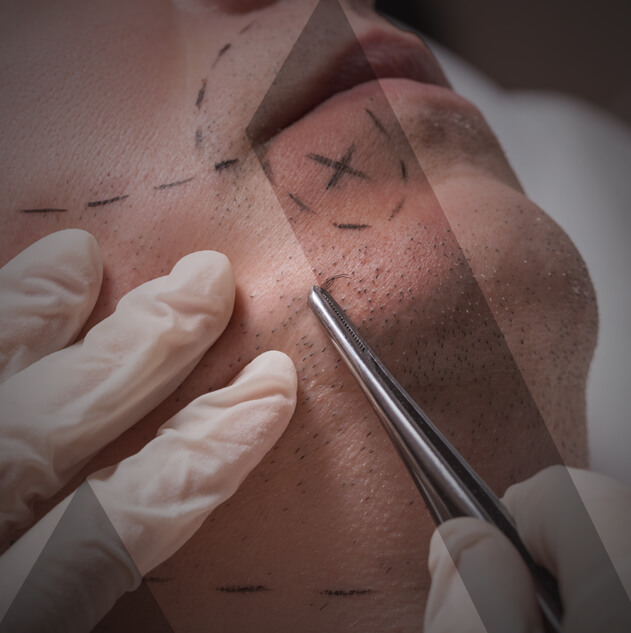
How will the recovery from beard transplant go?
After the procedure is done, you will need someone
to drive you home; you
will need to rest for a little while.
You may have tiny cuts forming around your new
hair transplants, however they should flake
off within a few days.
You will be given some pain-killers because you may experience
some stinging on your face
from the cuts, it won't be too much pain.
You might be able to go back to work in a few
days after the surgery but you will need to
take special care with your facial area during this time.
Follow your clinic’s washing instructions: some advise no washing for the first day or two, then gentle washing with a specified shampoo; unwashed scabs can lead to infection.
After about 10 to 14 days you can usually trim gently; use a razor only when your doctor agrees.
Be aware that within 2 or 3 weeks
your new hair transplants may start to fall, keep in mind
that it is very normal so that it would allow new hair to grow.
What are the precautions after having Beard Transplant?
During your healing process you will have to take some precautions so that you don't harm yourself or damage your new beard.
The doctor will be giving you home care instructions, like not washing your face for the first few days and the use antibiotic ointment on your face and donor area.
There is also a list of activities that you will need to stay away from to have a smooth healing period, these activities include :
- Smoking
- Alcohol drinking.
- Use of hot tubs and saunas.
- Swimming.
- Direct exposure to sunlight
- Scratching or rubbing your new beard.
- Intense physical activities especially those that make you sweat.
What precautions should I take after a beard transplant?
During healing, a few precautions help the grafts to survive and prevent infection and irritation. The clinic gives you home-care instructions, which typically include how and when to wash the face and the donor area, whether to apply an antibiotic or healing ointment and for how long, and how to sleep. In general, avoid touching, scratching or rubbing the new beard, which can dislodge grafts; avoid smoking and alcohol for the first days to weeks, since they slow healing; avoid hot tubs, saunas and swimming (pool chlorine and sea water) for about two to four weeks, as advised; avoid direct sun and use sun protection on the area for several weeks, since sun can cause pigmentation of healing skin; avoid vigorous exercise and anything that makes you sweat for about a week; avoid tight collars, helmets or masks that rub the face, and avoid sleeping with the face against a pillow for the first nights. The donor area is also tender: do not wear tight caps, and wash gently.
Smoking and alcohol : slow healing and can reduce graft survival.
Hot tubs, saunas and swimming : risk of infection and graft loss.
Direct sunlight : can pigment or irritate healing skin.
Scratching or rubbing the new beard : can dislodge grafts.
Intense exercise and sweating : can irritate the area and raise the risk of folliculitis.
Shaving too early : can remove or damage grafts; wait as advised.
Follow your own clinic’s written instructions: they may differ slightly from general advice.
Tell the clinic about any redness, pus or severe itching early.
When will I see the final result and how dense will my beard be?
A beard transplant is a slow process, and many men are alarmed in the second month when the transplanted hairs have shed and the face looks sparse. The follicles remain in place under the skin and restart growth at about three to four months; at four to six months, the beard is visibly filling in, though the hairs are thin and may be uneven; by eight to twelve months, most of the final density is visible; and in some men, further thickening continues up to eighteen months. The density that is achieved depends on the number of grafts, the survival rate (commonly quoted at around eighty to ninety percent in good hands, though it varies), the quality of the donor hair, the skin of the recipient area (scarred skin takes grafts less well) and your own healing. A transplanted beard rarely has the density of a natural, full beard; the aim is a natural, even appearance, and sometimes a second session is needed to add density.
Searches for “beard transplant before and after” are very common: look at photographs at twelve months, not at three, in natural light, from several angles, of men with a similar beard pattern to yours.
Ask what survival rate and density the doctor expects in your case, and what happens if the density is not enough.
Plan photographs at three, six, nine and twelve months.
Having a beard transplant and achieving your
beauty goals is a wonderful feeling, however you should be wary about some of the risks that the
operation comes with.
It's true that beard transplant is fairly safe and efficient, but it comes with some potential risks
just like any other medical or cosmetic procedure.
Keep in mind that some of these risks are common and usually temporary, and some are less common but more significant:
- Swelling.
- Bruising.
- Infection.
- Temporary scabs or crustiness.
- Nerve damage.
- Redness.
- Numbness.
- Tightness.
- Folliculitis, ingrown hairs, poor growth, an unnatural result and, rarely, scarring.
What should I remember about a beard transplant?
A beard transplant can add facial hair where there is enough donor hair, but the result takes about a year, density is limited and the procedure carries risks.
No clinic can guarantee a result: ask who performs each step, how many grafts are planned, what the policy is if density is insufficient and who will follow you.
Aram Clinic invites you to request a free quote.
What are the risks of a beard transplant and which signs are urgent?
A beard transplant is a fairly safe and effective procedure, but, as with any medical or cosmetic procedure, it comes with risks, and it is not accurate to describe them all as minor and rare: some, such as swelling, redness, scabbing and numbness, are common and usually temporary, while others are less common but more significant. Possible problems include swelling, bruising and redness; temporary scabs or crustiness; infection; folliculitis (small, pimple-like inflammation around the hairs), which is common in the first months; ingrown hairs; numbness, tingling or tightness, which usually settle but can last for months; nerve damage, which is rare; poor graft survival, leading to sparse growth; an unnatural result, with a line that is too sharp, hairs that point in the wrong direction or an uneven density; scarring or small pits in the recipient area, particularly after too-dense implantation or in scar-prone skin; scarring in the donor area, with visible dots if the hair is cut very short, or, with over-harvesting, thinning of the donor area; pigmentation changes; shock loss of existing hairs in the recipient area; and dissatisfaction, which may lead to a second procedure.
Spreading redness, pus, fever or increasing pain : possible infection: contact your clinic and seek care.
Large, painful, pus-filled spots that do not settle : possible folliculitis or infection: see a doctor.
Heavy bleeding that does not stop with pressure : seek urgent care.
Severe swelling around the eyes or face : contact your clinic; see a doctor if it worsens.
Persistent numbness, or a patch that is not growing after a year : review with your doctor.
You can reduce risks by choosing a clinic where a doctor is involved, a realistic plan, following the instructions and not smoking.
If you develop a problem after you return home, see a doctor or a dermatologist, tell them you had a beard transplant abroad and when, and contact the clinic as well.
Can a beard transplant cover scars, and what about alopecia barbae?
A beard transplant can be used to camouflage scars on the face, from injury, burns, surgery, a cleft lip repair or severe acne, by implanting hair in or around the scar, since beards hide scars in the same way they do on men who have never had one. Scar tissue has a poorer blood supply than normal skin, so grafts take less well in it, survival is lower and results are less predictable, and the surgeon may suggest a test area, a lower density or more than one session; sometimes scar treatment (such as laser, microneedling or surgical revision) improves the skin before the transplant. A beard that follows the direction of growth around a scar looks natural; one that does not, looks like a patch.
Alopecia barbae, in which the immune system attacks beard follicles and causes round, smooth bald patches, is a different case: it is a medical condition that may come and go, and transplanted hairs can also be attacked if the condition is active, so transplants are generally considered only when the disease has been stable for a long time and have a lower guarantee of success. A dermatologist should see you first, and treatments such as topical or injected steroids or other medicines may be tried before surgery.
Bring any records of the cause of your scars, and tell the doctor about autoimmune and skin conditions.
Ask whether a small test area is possible before a larger session.
What about a moustache, goatee or sideburn transplant?
The beard is made of regions with their own growth patterns, and each can be treated separately. In a moustache transplant, the hairs are placed at a very shallow angle, pointing downwards and slightly outwards from the centre, and the upper lip area is small, so a few hundred grafts are often enough; a good result depends on the direction and on avoiding a line that is too dense. A goatee, with hair on the chin and around the mouth, needs the hairs to run downwards on the chin and sideways at the corners, with a few hundred to about fifteen hundred grafts depending on the size. Sideburn transplants restore the sideburns that have been lost after a hair-transplant scalp operation, a scar or genetics, and need very small numbers of grafts at an acute angle, with the hairline following the natural curve. Cheek and neck areas need the largest numbers and the most careful design, since the direction of the hair there varies the most.
Partial transplants can be a good choice for men who need only a moustache or a goatee, and they use fewer grafts and a shorter operation, with less donor hair used. A surgeon with experience of each area will tell you what is achievable and what is not.
Ask to see photographs of the surgeon’s own moustache, goatee and sideburn results at twelve months.
Choose the area to treat according to your face, not just to a trend.
Can a beard transplant fail, and what can be done if the density is poor?
Yes, a beard transplant can give a disappointing result, and the reasons are well understood. Poor graft survival can come from rough handling of the follicles, grafts that dry out or are out of the body for too long, implantation that is too dense and compresses the blood supply, smoking, infection, heavy sweating or rubbing early on, and recipient skin with scarring or a poor blood supply. An unnatural look comes from a poorly designed beard line, hairs that point the wrong way, a uniform density from edge to centre or hair that is too thick for the facial skin. Patchy results may also arise when the donor supply is not enough for the area chosen. Some men also find that the transplanted hair keeps the characteristics of scalp hair, and grows faster or curls differently, which needs more frequent trimming.
If the density is not enough after twelve months, a second session can add grafts, and surgeons often plan for this in men with scars or very sparse beards. If the result is unnatural, correction is harder: individual hairs can be removed (by laser or by extraction) or redirected, but it is delicate. This is why a conservative plan, a well-supervised team and a clear policy on a second session are worth more than a low price.
Ask what the clinic’s policy is if the density is insufficient after twelve months, and whether it is in writing.
Wait the full twelve months before judging the result or planning a second session.
Do I need medication such as minoxidil or finasteride, and what are the alternatives to a transplant?
Several non-surgical approaches are used to improve thin beards, and the evidence for them is limited. Topical minoxidil, a medicine licensed for scalp hair loss, is used off-label on the beard and has been reported to improve growth in some men, with a risk of skin irritation, and has to be continued to maintain the effect. Microneedling is promoted for beard growth, with limited evidence. Finasteride and dutasteride, which block DHT, are used for male-pattern baldness of the scalp, not for the beard, and they are not recommended to improve beard growth; they can have side effects, which should be discussed with a doctor. Testosterone treatment can increase beard growth in men who are deficient, and it has risks, and should be used only under medical supervision. Supplements and “beard growth” oils and vitamins have little evidence of benefit. Good skin care, a healthy lifestyle and patience (beards continue to thicken into the thirties) help. If the cause is a medical condition, treating it comes first.
Some surgeons recommend medicines such as minoxidil before or after transplant to support the grafts; follow only the advice of your doctor. A transplant remains the only method that can add follicles where there are few or none.
Ask your doctor whether any medicine could help you before or after surgery.
Do not buy beard-growth products that promise results without evidence.
Is a transplanted beard permanent and will it turn grey?
The transplanted follicles are taken from areas that are resistant to the hormones that cause baldness, and when they are moved they usually keep that resistance, so the beard hair that grows from them is long-lasting and in most men permanent. That is why the donor area, rather than the face, determines how well the result lasts. Transplanted hair keeps some of the characteristics of its origin, so it may be softer or straighter than natural facial hair, may grow faster and may need more regular trimming. It also ages with you: transplanted hairs turn grey on the timetable set by your genes, which may not be the same as the rest of your beard, so a transplanted beard can look different in colour at some stages of life. Your own, non-transplanted beard hairs continue to follow their own course and can thin or turn grey as before, and a transplant does not stop hair loss elsewhere.
A beard transplant therefore gives a lasting result, not a fixed one. If you later want a different style or density, you can add more grafts, as long as the donor area allows.
Ask the doctor what the colour and texture of the donor hair are likely to look like in your beard.
Keep your records so that a future doctor knows the number of grafts and the areas used.
How do I care for my beard after it has healed: ingrown hairs, shaving and trimming?
After the first months, a transplanted beard needs ordinary beard care, with a few extra points. Shave or trim gently and as your doctor advises: use a clean, sharp razor or a trimmer, shave in the direction of the hair growth, avoid pressing hard and avoid picking at any spots; because transplanted hairs often grow faster than natural beard hairs, they may need trimming more often. Ingrown hairs, in which hairs curl back into the skin and cause red, sore bumps, are common in men with curly beards and can occur in transplanted areas; gentle exfoliation as advised, warm washes, not shaving too close and a medicated product from your doctor or pharmacist help. Keep the skin clean and moisturised, protect it from the sun, and avoid harsh products on the area in the first months. If spots become large, painful or full of pus, or do not settle, see a doctor: persistent folliculitis may need treatment.
Maintain a healthy lifestyle: not smoking, a balanced diet and enough sleep support hair growth, although none of these replaces the donor supply or the surgeon’s work.
Ask your clinic for a written care plan for the first year.
Do not start new products on the area without asking your doctor.
How do I choose a beard style that suits my face and my donor hair?
A beard transplant is a good moment to think about the beard you really want, rather than the one in a photograph. Face shape matters: a fuller beard on the jaw and chin can give structure to a rounder face, a shorter and tighter beard suits longer faces, and the beard line on the cheeks and neck should follow your natural pattern rather than a ruler. Age matters too: a beard that is very dense and perfectly even looks younger than the rest of your face and can look artificial, while a beard with natural variation looks more convincing. Your donor supply limits density: a full, dense beard needs thousands of grafts and enough donor hair, and a lighter style, a goatee or a moustache, may be more realistic and may look more natural. Fashion also changes: a style that suits you now may not in ten years, and a transplant is permanent. A good surgeon will advise you honestly, and may suggest growing out your existing hair and using a trial style for a few weeks.
Bring photographs of styles you like on men with similar hair and face shape to yours, and of your own face when you have not shaved for two weeks; they help the surgeon to understand what is achievable.
Ask the surgeon to draw two or three beard lines and discuss the pros and cons of each.
Choose a design that you will be happy with at fifty, not only at thirty.
Can I have a beard transplant together with a hair transplant, and how does it affect the donor area?
Yes, many men combine a beard transplant with a scalp hair transplant or an eyebrow transplant in the same trip, and some clinics offer combined packages. The advantage is one trip and one recovery; the limit is the donor supply: the back and sides of the scalp can give only a certain number of grafts over a lifetime, and the grafts used for the beard cannot be used for the scalp. In a man with thinning hair who will lose more in the years ahead, a surgeon will plan the use of the donor hair carefully, and may advise using the donor hair for the area that matters most to him, or using body hair for the beard. Taking a very large number of grafts in a single session also risks thinning the donor area and a visible, “moth-eaten” look, particularly if the hair is cut short. Be wary of a package that offers many thousands of grafts for the scalp and the beard in one session without discussing the donor limit. See the guides to hair transplant in Turkey and eyebrow transplant.
Ask the doctor how many grafts the donor area can supply in total and how many are planned for each area.
Plan your donor use over decades.
If you combine procedures, expect a longer day and a longer stay.
What is the right age for a beard transplant and why do surgeons ask me to wait?
Facial hair develops late. Beard growth usually begins in the teenage years, but the density, the coverage of the cheeks and the thickness of the hairs often continue to increase through the twenties and, in many men, into the early thirties. A man who is twenty-two with a patchy beard may have a much fuller one at twenty-eight, and a transplant done too early can leave the transplanted hairs standing out against the natural hair that later fills in, or leave a design that no longer suits. For that reason, many surgeons prefer to wait until the mid-twenties or later, and some will not operate on men under twenty-one or twenty-two, except for scars or clear medical reasons. Age is also related to the scalp: a young man whose hair loss pattern is not yet clear may need the donor supply for his scalp later. There is no upper age limit, as long as the man is healthy and has enough donor hair; older men may have greying hair, which is harder to transplant visibly, since grey hair can be less visible in the donor area but may match the beard.
If you are young and unsure, waiting a year or two costs nothing, and the doctor can review you again. A responsible team will give you that advice even if it delays a booking.
Ask the doctor what they would advise at your age and why.
Take photographs of your beard every few months, so that you can see how it is developing.
When can I go back to work, the gym, swimming or wearing a mask or helmet?
Most men can return to desk work within a few days, although the redness and scabs on the face are visible for a week to ten days, and some prefer to take a week off, particularly if they work with the public. Gym and sport should wait for about a week, because sweating and friction irritate the grafts and raise the risk of folliculitis; contact sports and anything that could knock the face wait for about three to four weeks. Swimming pools, the sea, saunas and hot tubs are best avoided for two to four weeks, as advised by your clinic, because chlorine, salt and heat can irritate healing skin, and shared water carries a risk of infection. Medical masks or face coverings, helmets and tight straps that rub the beard area should be avoided or padded for the first week or two; if you need to wear them for work, ask your doctor. Sun exposure on the face should be limited for several weeks, and sun cream applied once the doctor says it is safe. The donor area at the back of the head is more sensitive than most people expect: avoid tight caps and pressure for the first days.
Plan the timing of the procedure around events: a wedding, a business trip or a holiday booked a few days afterwards is a poor idea, since the face looks its worst between days three and ten and the beard goes through shedding in the weeks that follow.
Tell your employer in advance if you need time off.
Pack a loose hat and a soft pillow for the trip home.
What does an online consultation for a beard transplant look like and which photographs should I send?
Most clinics begin with an online consultation, which allows the doctor to give you a first opinion before you travel. You are asked to send clear photographs of your face from the front, both sides and slightly below, taken in natural light, preferably after a few days without shaving so that the existing pattern of growth is visible; photographs of the back and sides of your head, to show the donor area; and, if relevant, close-ups of scars or bald patches. The doctor or a coordinator may ask about your age, your medical history, medicines, any hair or skin conditions, how long the beard has been thin and what style you want. A good consultation includes a conversation, by video, with a doctor, not only a salesperson, who explains what is achievable, estimates the number of grafts for each area, tells you about the donor supply and the risks and gives you a written proposal. The online opinion is provisional: the final plan is made at the examination in person.
Be wary of a quote that arrives within minutes, with a fixed number of grafts and a guarantee of a result, without any conversation with a doctor.
It also helps to tell the doctor honestly about anything that might change the plan: a family history of hair loss, a previous hair transplant or a procedure on the face, medicines you take for your hair or skin, and any tendency to heavy scarring. A doctor who knows these facts can warn you about donor limits and about the risks that apply to you, and a clinic that does not ask is not planning. Keep a copy of every photograph and message you exchange, because they form part of the record of what was promised, and compare it carefully with what you are told on arrival, before you pay anything more.
Prepare your questions in advance, and write down the answers.
Ask for the proposal in writing, with the names of the doctor and the clinic, and for the number of grafts per area.
How long should I stay in Turkey for a beard transplant and when can I fly home?
Plan about three to five days in Turkey: the consultation and design, the procedure on one day (sometimes with a night of rest), a check the next day, a first washing demonstration and a final check before you leave. Combined procedures need longer. The doctor decides when you can fly, usually once the first washing instructions have been given and the area is stable; there is no special restriction on flying after a beard transplant, but avoid pressure on the grafts, avoid scratching and keep your head raised if you rest. Flights to Istanbul take about three and a half to four hours from the UK and Western Europe and around nine to eleven hours from the US East Coast. Check the current visa or e-visa requirements for Turkey on the official government sites before you book, and make sure your passport is valid for the whole stay.
Bring a hat or loose cap that does not press on the donor area, and avoid beaches, pools and crowded places in the first days, where the new grafts could be knocked or exposed to sun.
When you arrive home, follow the washing and care plan, and arrange a check-up if you have any concern.
Do not book a non-refundable flight before the doctor has confirmed the date.
How do I choose the best clinic and doctor for a beard transplant in Turkey?
| What to check | Why it matters | How to verify |
|---|---|---|
| Who performs each step | Medical and delegated tasks must be clear. | Written answer: who designs, extracts, makes incisions and implants; the doctor’s name and presence. |
| Doctor’s qualification | Surgery and design need medical training. | Name, registration, experience with beard work; ISHRS or similar membership if claimed. |
| Clinic licence and hygiene | Infection control matters. | Licence from the Turkish Ministry of Health; sterilisation procedures. |
| Realistic graft plan | Overpromising is common. | Grafts per area and donor limits explained. |
| Results at 12 months | Early photographs mislead. | Photographs of the doctor’s own beard cases at 12 months or more. |
| Second session and follow-up terms | Density may be insufficient. | Written terms; follow-up at 3, 6 and 12 months. |
| Honest advice | Some men should wait. | The doctor discusses age, cause and alternatives. |
Searches such as “best beard transplant clinic in Turkey”, “best doctor for beard transplant Turkey” and “beard transplant Istanbul” are frequent, and so are the marketing answers: there is no reliable public ranking of Turkish clinics, and many “top 10” lists are written or sponsored by clinics or agencies. Compare at least two clinics, ask for a video consultation with the doctor who will treat you, and seek a second opinion from a dermatologist or hair surgeon at home. Aram Clinic says it works with partner clinics and a skilled team: ask for the doctor and the clinic by name in writing and verify them yourself.
A clinic that tells you who does each step, shows twelve-month results and talks about donor limits is more trustworthy than one that promises a full beard for a fixed price.
How should I read beard transplant reviews and before-and-after photos from Turkey?
Beard transplant photographs are easy to misread. Pictures taken in the first weeks show scabs and redness, or the shed stage, neither of which is the result; pictures at three to six months show the beginning of growth; and the final result is judged at twelve months. Lighting, trimming, dyeing, styling and filters change the apparent density a great deal, and some beard images belong to other patients or to men who also used medicines, or who had a second session. Reviews can be solicited or paid for, and patients who are unhappy may not post. Searches such as “beard transplant before and after” and “beard transplant Turkey reviews” are numerous, and marketing is aimed at them.
To judge usefully, ask the doctor for a series of cases like yours (same area, similar scalp donor hair, similar skin) at twelve months, in natural light and from several angles, and for contact with previous patients with their consent. Look for accounts that mention shedding, folliculitis and second sessions as well as results.
Treat marketing images as advertising.
Remember that every man’s hair and skin differ: someone else’s beard is not a promise for yours.
What are the downsides of having a beard transplant abroad and does insurance cover it?
The main limits concern follow-up. Beard transplants need a long period before the result is clear, and problems such as folliculitis, poor density or an unnatural line show up months after you have left. If you develop an infection, persistent folliculitis or a visible problem, your local doctors will have to deal with it, and some dermatologists and surgeons are reluctant to take responsibility for work done elsewhere. A second session may mean another trip. Legal recourse is more complicated across borders, and language and documentation differences can create misunderstandings.
Cosmetic beard transplants are not covered by public health systems or most insurance, and treatment abroad is almost never covered; travel insurance usually excludes planned cosmetic procedures and their complications. In the UK, the NHS provides emergency and necessary care but does not usually fund cosmetic hair procedures or their corrections. Before you travel, ask the clinic in writing what happens if the density is insufficient or if a complication arises: who treats it, where, what you pay and whether travel is covered.
Identify a dermatologist or doctor at home who will see you in the first weeks, and keep every document: the quote, consent form, the number of grafts and areas, and photographs.
If you cannot arrange these, or if your case is complex, having treatment at home may be safer, even at a higher price.
Should I use a medical tourism agency, and how do I plan the trip and the process with Aram Clinic?
Some patients use agencies that organise the trip and introduce them to a clinic, often through social media or messaging apps. This can simplify logistics, but it creates a conflict of interest when the agency is paid a commission by the clinic: its incentive is to sell a package. An agency is not a doctor and cannot replace an examination. Warning signs include a fixed price from photographs, promises of a full beard for everyone, pressure to book quickly, unnamed doctors and the refusal to say who performs each step. Ask for the contract in writing, naming the clinic and the doctor, and ask Aram Clinic what its exact role is and how complaints are handled.
Plan three to five days, choose a hotel near the clinic, bring a companion if you wish and pack a loose hat. Aram Clinic describes a simple journey: you request a free quote online with photographs of your face and of the back and sides of your head; the medical team reviews them and a doctor or coordinator discusses your case, usually by video; you receive a written proposal and decide without pressure; you travel and are met on arrival; after the examination and the design, the procedure takes place at the partner clinic; and you return home with instructions and a plan for follow-up, with remote contact. These are the clinic’s own descriptions: check that the doctor and the clinic are named in writing, that the number of grafts and the areas are explained, that the roles of the team are stated and that the quote lists what is included.
The first step is simple: complete the free express quote with your photographs, or learn more about Aram Clinic.
A responsible team will tell you if a beard transplant is not right for you, or if you should wait.
What aftercare do I need at home and what questions should I ask before booking?
Aftercare begins before you leave, with written instructions on washing, ointments, sleeping, sun and sweat, and warning signs. At home, follow the washing routine exactly, do not scratch or pick the scabs, sleep with your head raised for the first nights, avoid sweating, saunas, swimming and direct sun for the period advised, do not shave until your doctor says you can, keep to a gentle skin routine, protect the area from the sun for several months, report increasing redness, pus or pain promptly and take photographs at one, three, six, nine and twelve months. After the beard has grown, trim it regularly, since transplanted hair often grows faster, and keep the skin clean to avoid ingrown hairs.
Do I need a transplant : has a doctor examined me and looked for a medical cause?
How many grafts and where : for each area, and what can the donor area supply?
Which technique : FUE or other, and why?
Who performs each step : design, extraction, incisions, implantation, and is a doctor present?
What are the risks in my case : including scars and folliculitis?
What results can I expect at 12 months : density and survival?
What if the density is poor : is a second session included and on what terms?
Who will see me at home : have I arranged a dermatologist or doctor?
Write your questions down and ask for the answers in writing. Take your time: a beard transplant is a planned procedure whose result takes a year to appear, and no discount is worth deciding under pressure. A second opinion from a dermatologist or hair surgeon in your own country is a sensible precaution.
A team that examines you, tells you who does what, talks about donor limits and realistic density and advises you to wait when that is right is more trustworthy than one that promises a full beard at the lowest price.
Beard transplant in Turkey: a design and a realistic number of grafts first, a doctor who is present and a team whose roles are written down second, the price last
A beard transplant in Turkey moves follicles, usually by FUE from the back and sides of the scalp, into the beard, moustache, goatee, sideburns or scars, in a three- to eight-hour procedure under local anaesthesia, with a stay of three to five days, scabs that fall in about a week to ten days, shedding at two to four weeks, first growth at three to four months and a final result at eight to twelve months. A full beard needs roughly two to four thousand grafts, which not every man’s donor area can supply, and donor hair used for the beard is no longer available for the scalp, so a lifetime plan matters. The look depends on the design, the direction and angle of each hair and the gradient of density, not just the number of grafts; FUT strip surgery is rarely used for beards; scars and alopecia barbae need special caution; and medicines such as minoxidil have limited evidence while finasteride is not a beard treatment. Risks include folliculitis, ingrown hairs, poor graft survival, an unnatural line, numbness and, rarely, scarring, and the most important practical question in a very large Turkish sector is who actually performs each step and whether a doctor designs and supervises it. Quotes in Turkey are lower than in the UK, the US or Switzerland, but a very low price per graft, a promise of a full beard for everyone and a lack of written terms for a second session are warning signs, and cosmetic hair surgery abroad is not covered by insurance.
Before booking, send photographs of your face and of the back and sides of your head for a remote assessment, ask how many grafts are planned for each area and what your donor area can supply, who designs the beard line and who extracts and implants the grafts, whether a doctor is present throughout, what the policy is if the density is insufficient at twelve months, and who will see you after your return. If your project is ready, the next step is to send your photographs to the Aram Clinic team through the free express quote, so that they can review your case and propose a written plan that you can discuss with a doctor of your own choice, without pressure.
Official sources to consult
This page draws on the sources below. Guidelines and rules change: always consult the current version and your own doctor’s advice.
NHS : nhs.uk : advice on cosmetic procedures and cosmetic surgery abroad; information on hair loss.
International Society of Hair Restoration Surgery (ISHRS) : ishrs.org : patient information on hair transplantation, including beard restoration, and on choosing a surgeon.
British Association of Dermatologists (BAD) : bad.org.uk : patient information on hair and skin conditions, including alopecia areata.
American Academy of Dermatology (AAD) : aad.org : patient information on hair loss and hair transplants.
British Association of Aesthetic Plastic Surgeons (BAAPS) : baaps.org.uk : advice on cosmetic procedures abroad.
Joint Commission International : jointcommissioninternational.org : international accreditation (verify any claim on the accreditor’s site).
Republic of Türkiye Ministry of Health : saglik.gov.tr : licensing of health facilities and health tourism.
UK Government and US State Department travel advice : gov.uk and travel.state.gov : entry requirements and health travel advice.