+44 20 7903 7116


 +44 20 7903 7116

A blepharoplasty in Turkey (eyelid surgery) is a procedure that aims at improving the appearance of the lower or the upper eyelids by removing the excess skin and fat located around the eyes, and, when the droop affects vision, at restoring the visual field. In some cases, these two areas are treated simultaneously.
Before your blepharoplasty in Turkey, a consultation with the Turkish plastic surgeon is done to examine the eyes and the eyelids and to make sure that there is no anomaly that could complicate this aesthetic procedure.
The surgeon prescribes an ophthalmological examination to detect a possible eye disease, such as dry eye. The patient is asked not to take any medication containing aspirin for about ten days before the eyelid surgery Turkey.

After a conversation with the patient, an anaesthetist will specify the type of anaesthesia and will ask the patient to fast before the procedure. The intervention can be performed on an outpatient basis. In this case, the patient can leave the clinic the same day.
The operation lasts between 30 minutes and 2 hours. If the surgical treatment is performed on the upper eyelids, the skin incisions are made very discreetly in the furrow between the fixed and the mobile parts of the eyelid. When the intervention is performed on the lower eyelids, the incisions are then made under the eyelashes and can sometimes extend outwards.
The incisions made during a blepharoplasty are used to remove fatty hernias and the excess of muscle and skin. When the treated case does not have an excess skin but only isolated pockets, the incisions are made inside the eyelids without leaving any scars.
The incisions are closed with fine sutures, which are usually removed about five to seven days after the blepharoplasty procedure Turkey.
What is eyelid surgery (blepharoplasty) in Turkey and who is it for?
Eyelid surgery in Turkey, medically called blepharoplasty, is an operation carried out by a plastic or oculoplastic surgeon in a Turkish clinic or hospital to remove excess skin, and sometimes fat and a little muscle, from the upper eyelids, the lower eyelids or both, in order to correct droopy lids, bags and a tired look. The incisions are placed in the natural crease of the upper eyelid or just under the lashes of the lower eyelid, or inside the lower eyelid with no skin scar, and the operation usually takes thirty minutes to two hours, often under local anaesthesia with sedation, as a day case. Aram Clinic says it offers blepharoplasty in Turkey with partner clinics in Istanbul at a reduced price, in an all-inclusive package; these are the clinic’s own descriptions and should be verified in writing.
It is for adults whose eyelids have become heavy, hooded or puffy with age, genetics or tiredness, who are in good general health and who understand the operation, the recovery and the limits. It can be purely cosmetic, or it can be functional when the excess upper-eyelid skin droops enough to block part of the vision. It treats skin and fat; it does not treat a drooping eyelid caused by a weak lid muscle (ptosis), eyebrow droop or dark circles caused by pigment, which need other treatments.
This page answers the questions people ask most: how much eyelid surgery costs in Turkey and why it is cheaper, whether it is safe, which type of operation suits you (upper, lower, both, or double eyelid surgery), who is a candidate, what the pre-operative eye check involves, how the operation and recovery work, how long to stay, when you can fly home, what the risks are and what to check before you book. It draws on guidance from the NHS, the British Association of Aesthetic Plastic Surgeons, the American Society of Plastic Surgeons and the American Academy of Ophthalmology, and on information supplied by Aram Clinic. It is general information, not medical advice: a surgeon must examine you before any operation.
If you are also looking at other facial treatments in Turkey, Aram Clinic publishes guides on facelift, rhinoplasty, chin augmentation, hyaluronic acid fillers and aesthetic medicine. For a personal estimate, use the free express quote.
What are the key facts about eyelid surgery in Turkey at a glance?
| Question | Short answer |
|---|---|
| What does it treat? | Excess skin, fat and some muscle in the upper and lower eyelids. |
| Operation time | About 30 minutes to 2 hours, depending on the eyelids treated. |
| Anaesthesia | Local anaesthesia with sedation, or general anaesthesia. |
| Hospital stay | Usually a day case; you can leave the clinic the same day. |
| Scars | Hidden in the upper eyelid crease or under the lower lashes; no skin scar with the inside-the-eyelid approach. |
| Stitches | Removed about 5 to 7 days after surgery. |
| Recovery | Swelling and bruising for 1 to 2 weeks; most people resume normal activities within 2 weeks. |
| Final result | Appears over about 3 to 6 months. |
| Time to plan in Turkey | About 5 to 8 days, including tests, surgery and the stitch removal. |
| Main risks | Dry eyes, asymmetry, difficulty closing the eyes, rare bleeding behind the eye. |
| Insurance | Cosmetic surgery abroad is not covered; functional cases at home may be. |
These are typical ranges, not promises: your surgeon decides from your eyelids and healing. Upper eyelid surgery on its own is a lighter operation than upper and lower blepharoplasty combined with a facelift.
If you remember only one thing: eyelid surgery is delicate, because the eyes are involved, and the pre-operative examination, the surgeon’s experience and a conservative plan matter far more than the price.
How much does eyelid surgery cost in Turkey and why is it cheaper than in the UK, the US and Europe?
The price of eyelid surgery in Turkey depends on which eyelids are treated (upper only, lower only or all four), the technique (skin incision or inside the eyelid), the surgeon and the clinic, the anaesthesia, any combined procedure and what the package includes. Upper eyelid surgery on its own costs less than a four-eyelid operation. In general, quotes in Turkey are lower than in the UK, the US, Canada, Australia and many European countries, including the Netherlands, Italy, Spain, Poland and Germany, which explains the many searches such as “eyelid surgery Turkey cost”, “upper eyelid surgery Turkey cost”, “cost of eyelid surgery in Turkey vs UK” and “why is eyelid surgery cheaper in Turkey”. The reasons usually given are lower operating and labour costs, lower overheads, favourable exchange rates and a high volume of patients; none of them is a quality guarantee or a quality warning. Aram Clinic states that its price is reduced and its package all-inclusive; check it against a written quote and a quote at home.
Compare like with like: the same eyelids, the same anaesthesia, the same pre-operative eye examination, the same follow-up and the same terms for a revision. A very low price can mean a rushed assessment, no eye check or no provision for complications.
What should a written quote include?
Operation : which eyelids, technique and any combined procedure.
Eye examination : ophthalmological check before surgery.
Surgeon and clinic : names, specialty and licence.
Anaesthesia : local with sedation or general.
Medicines and aftercare : drops, ointments, painkillers, stitch removal.
Travel services : transfers, hotel nights, interpreter, companion.
Revision : terms and who pays.
Payment terms : deposit, refund conditions, currency.
Aram Clinic does not publish fixed prices on this page because the cost depends on your case: request a free express quote with photographs of your eyes from the front and the side.
What is included in an all-inclusive eyelid surgery package?
An all-inclusive package is a single price intended to cover the main parts of your trip. A complete package for eyelid surgery may include the consultation, the eye examination, the operation, the surgeon’s and anaesthetist’s fees, medicines, ointments and drops, the stitch removal, airport transfers, hotel nights for the recovery, an interpreter or coordinator, a medical report and remote follow-up. Aram Clinic describes its offer as a reduced-price all-inclusive package in Istanbul.
“All-inclusive” has no legal definition, so ask for the list in writing. Check what is excluded: a combined procedure, additional tests, extra nights, treatment of complications or a revision, the companion’s hotel and flights. A transparent provider tells you in advance how complications are handled and who pays.
Be cautious with promises of a guaranteed result or of “the best price”: no clinic can guarantee how your eyelids will heal.
Is eyelid surgery safe in Turkey and what makes it riskier?
Blepharoplasty is one of the most common cosmetic operations and, in well-selected patients treated by experienced surgeons, serious complications are uncommon. Safety depends on the patient’s health and eyes, the surgeon’s training, the quality of the clinic and the aftercare, not on the country. What lowers the risk: a surgeon with specialist plastic or oculoplastic training who has examined you or spoken to you directly; an eye examination before surgery; a conservative plan that does not remove too much skin; a licensed clinic with proper anaesthesia; stopping blood-thinning medicines and smoking; and a plan for someone to check your eyes after your return. What raises the risk: no eye examination, over-resection of skin or fat, uncontrolled blood pressure, dry-eye disease, thyroid eye disease, bleeding disorders, smoking and rushed schedules.
The eyes make eyelid surgery different from other cosmetic operations: a very rare complication, bleeding behind the eye, can threaten vision and needs immediate treatment, and an eyelid that cannot close properly can damage the cornea. Searches for “is eyelid surgery safe in Turkey” and “is it safe to have eyelid surgery in Turkey” are sensible: the honest answer is that it can be safe if the clinic and the surgeon are right, and that you should leave any provider that skips the eye examination or promises a risk-free result.
Ask the surgeon how they assess dry eyes, how much skin they remove and what happens in an emergency.
Choose a surgeon and clinic using the checklist later in this page, and get a second opinion from an eye or plastic surgeon at home.
What are the types of eyelid surgery: upper, lower, four-eyelid and double eyelid surgery?
| Operation | What it treats | Incision and scar | Notes |
|---|---|---|---|
| Upper blepharoplasty | Excess skin and fat of the upper lids; hooded eyes. | Hidden in the upper lid crease. | Often done under local anaesthesia; the most requested; searched as “upper eyelid surgery Turkey”. |
| Lower blepharoplasty (skin incision) | Bags, loose skin and wrinkles of the lower lids. | Just under the lower lashes. | Needs care to avoid pulling the lid down. |
| Lower blepharoplasty (transconjunctival) | Bags with little excess skin. | Inside the lower eyelid; no skin scar. | Fat is removed or repositioned; skin may be treated with laser or peel. |
| Four-eyelid blepharoplasty | Upper and lower lids together. | As above. | Longer; often combined with other facial procedures. |
| Double eyelid surgery (Asian blepharoplasty) | Creates or defines an upper-lid crease. | Fine incision or stitch technique. | A different operation with different goals; ask for a surgeon with specific experience. |
| Canthopexy or canthoplasty | Tightens or repositions the outer corner of the eye. | At the outer corner of the eye. | Used with lower blepharoplasty to reduce the risk of the lid sagging. |
A blepharoplasty is a cosmetic procedure that aims to improve the appearance of the upper or the lower eyelids by removing excess skin and fat located around the eyes. In some cases, the two areas are treated simultaneously. The surgeon chooses the type from the position of the excess tissue, the quality of the skin and the lid tension.
Your surgeon should explain why they propose one type and what they will not remove: leaving some fat and skin is safer than taking too much, which can cause hollow eyes, dry eyes and difficulty closing the eyelids.
Is eyelid surgery cosmetic or functional, and how does it differ from ptosis surgery?
Upper blepharoplasty can be purely cosmetic, or functional when heavy upper-eyelid skin droops into the line of sight and reduces the visual field, causing a feeling of heaviness, tired eyes or difficulty reading and driving. An ophthalmologist can measure the visual field with and without the skin lifted, which is the evidence that public health systems usually ask for before funding the operation at home. In the UK, NHS funding is limited to defined functional criteria and varies by area; in the US, insurers may cover upper blepharoplasty when it is medically necessary and documented. Funding is generally not available for treatment abroad.
A drooping upper eyelid can also be caused by ptosis, a weakness or stretching of the muscle that lifts the lid. In that case the lid edge sits low on the eye, whereas in a skin droop it is the loose skin that hangs. Ptosis needs a different operation, usually performed by an oculoplastic surgeon, and a blepharoplasty alone will not fix it. Eyebrow droop is a third cause: the brows have sagged and push the upper-lid skin down, and a brow lift may be needed.
A proper examination tells these apart. Be cautious about a clinic that proposes blepharoplasty for every droopy eyelid without checking the position of the lid and the brow.
If your vision is affected, tell the surgeon and see an ophthalmologist: a sudden droop or a droop with double vision needs urgent medical assessment, because it can be a sign of a nerve or muscle condition.
Who is a good candidate for eyelid surgery and who should avoid or delay it?
The best candidates are healthy adults with loose upper-lid skin, puffy lower lids or both, who have realistic expectations, who do not smoke and whose eyes are healthy. Before your eyelid surgery in Turkey, a consultation with the surgeon is done to examine the eyes and the eyelids and to make sure that there is no anomaly that could complicate the operation. The surgeon will also ask you to have an ophthalmological examination to detect a possible eye disease, such as dry eye, glaucoma, a problem with the cornea or the retina, or a thyroid-related eye problem.
Eyelid surgery is generally postponed or avoided in people with severe dry-eye disease, untreated thyroid eye disease, uncontrolled high blood pressure or diabetes, bleeding disorders, active eye infection or inflammation, a recent eye operation, or unrealistic expectations. People on blood-thinning medicines need a plan with their doctor. It is also not a good solution when the real problem is drooping brows, ptosis, heavy skin of the face or dark circles caused by pigmentation: in those cases other treatments, such as a brow lift, ptosis surgery, a facelift or skin treatments, may be needed.
A responsible surgeon will tell you honestly when blepharoplasty is not the right operation for you and will not operate to meet a date you have booked.
Searches for “eyelid surgery Turkey consultation” reflect a good instinct: ask for a video consultation with the surgeon before you commit.
What tests and preparations are needed before eyelid surgery?
Before the operation, you will have a consultation with the plastic surgeon and an eye examination by an ophthalmologist, which checks your vision, your tear production, the health of the cornea and the retina, the eye pressure, and the position and strength of the eyelids and the brows. The surgeon will ask you not to take any medication containing aspirin for about ten days before the operation, and to avoid anti-inflammatory medicines, some herbal products and supplements that increase bleeding, unless your doctor advises otherwise. You should stop smoking and nicotine well before and after surgery, because they slow healing. Take your usual medicines for blood pressure and other chronic conditions as your doctor advises.
After a conversation with you, the anaesthetist will specify the type of anaesthesia, usually local anaesthesia with sedation, or general anaesthesia when combined with other operations. You will be asked to fast, usually from the night before if you will have sedation or general anaesthesia. Remove contact lenses, make-up and jewellery on the day. Photographs of your eyes are taken for the plan and for comparison.
Plan the practical side: a companion for the first days, dark sunglasses, cold packs, lubricating drops as prescribed, and accommodation near the clinic. Arrange time off work and avoid important events for two weeks.
Send recent photographs of your eyes and your medical history in advance so that the surgeon can discuss the plan with you before you travel.
How is eyelid surgery performed, step by step?
The operation can be performed on an outpatient basis: you can leave the clinic the same day. After marking the skin with you sitting up, the surgeon cleans the eyelids and injects local anaesthetic; sedation or general anaesthesia may be added. In an upper blepharoplasty, the incision is made in the natural fold of the upper lid, the excess skin and, when needed, a small amount of muscle and fat are removed, and the incision is closed with fine stitches. In a lower blepharoplasty, the incision is made just under the lashes, sometimes extending outward, or inside the lid (transconjunctival) when there are only fatty pockets and no excess skin, which leaves no skin scar. The surgeon removes or repositions the fatty herniations, and removes a limited amount of skin and muscle if necessary. Operating time is typically between thirty minutes and two hours, depending on the number of eyelids treated.
The skin incisions are closed with fine stitches, usually removed after about five to seven days, because eyelid skin heals quickly; some surgeons use absorbable stitches or a longer period, so follow your surgeon’s instructions. Cold compresses are applied, and you rest in the clinic before going home or to your hotel.
During the operation you feel pressure but not pain with local anaesthesia. Your vision will be blurred for a few hours because of ointment and swelling.
Ask how much skin the surgeon plans to remove, how asymmetry will be checked and who is the anaesthetist.
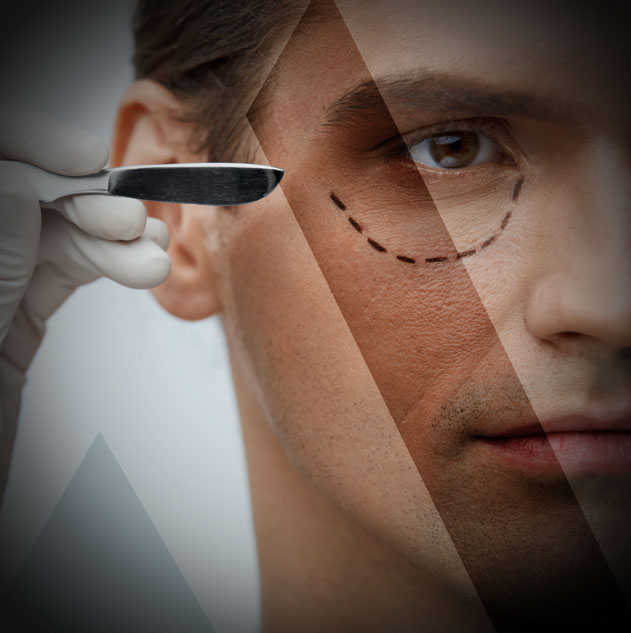
Blepharoplasty is generally not very painful, thanks to the anaesthesia and painkillers. The patient may feel some tension in the eyelids, the eyes will be slightly irritated or dry, and vision may be blurred or disturbed for a few days.
During the convalescence period of your eyelid surgery Turkey, the patient is asked to have a rest for the first few days following the intervention. The patient must also be careful not to lean over or lift heavy objects.
Swelling (oedema) and bruises will appear. They subside after days to two weeks.
In the first few days, the patient may feel some discomfort because the eyelids cannot be closed completely, especially at night; this is usually temporary, and lubricating ointment protects the eyes. Any lid that remains unable to close, or any eye pain or loss of vision, must be reported to the surgeon immediately.
Most patients can resume their daily life after about two weeks, and almost all within about three weeks.
What is the recovery timeline after eyelid surgery and what will my eyes feel like?
| Time | What to expect | What to do |
|---|---|---|
| Day 0 to 2 | Tight, tender lids; swelling and bruising; blurred vision from ointment; cannot close the eyes fully. | Cold compresses; head raised; lubricating drops and ointment as prescribed; no screens or reading for long. |
| Days 3 to 7 | Swelling and bruises at their peak then declining; stitches removed around day 5 to 7. | Avoid bending forward or lifting; dark sunglasses; no make-up on the wounds. |
| Weeks 2 to 3 | Most bruising has faded; scars pink; eyes may feel dry or watery. | Gradual return to work; no contact lenses until advised; avoid swimming and heavy exercise. |
| Weeks 4 to 6 | Residual swelling; scars fading. | Normal activities, with sun protection. |
| Months 3 to 6 | The final result appears. | Review with the surgeon. |
Blepharoplasty is not usually described as painful, but the patient may feel tension in the eyelids, the eyes may be slightly irritated or dry, and vision may be blurred or disturbed for a few days. During the convalescence, you will be asked to rest for the first few days and to be very careful not to lean over or lift heavy objects. Swelling (oedema) and bruises appear, and they subside after days to two weeks. In the first days you may feel discomfort because you cannot close your eyelids completely, especially at night; this is usually temporary, and lubricating ointment protects the eyes. Most people can resume daily life within about two weeks, and the visible signs have mostly faded by then.
Call your surgeon or seek emergency care if you have severe pain in or around the eye, a sudden fall in vision, double vision, a bulging eye, a rapidly increasing swelling on one side, or a lid that cannot close at all.
When will I see the final result and how long does it last?
The result of eyelid surgery appears in stages. After about two weeks the bruises have gone and you look presentable; after one to three months most swelling has settled; the final result, with the scars faded, is judged around three to six months, and subtle swelling can take longer in the lower lids. A well-judged blepharoplasty gives a rested, more open and youthful look without changing your expression, and many patients feel more confident. The results can last for many years, often five to ten or more, but not for ever: the eyelids and the face keep ageing, and some people have a later touch-up or a brow lift.
Results are not guaranteed to be perfect. Mild asymmetry, small irregularities and slightly different scars on the two sides are common, and the lower lid can look different from the upper. A conservative operation tends to age better than an aggressive one.
Searches for “eyelid surgery before and after in Turkey” are common. Photographs must be read with care: they are often taken at different angles, with different lighting and expression, with or without make-up and sometimes edited. Ask for a series at three to six months on eyes like yours.
If you are unhappy with the result, wait at least six months before considering a revision, because the tissues change.
The final results of eyelid surgery in Turkey are judged at about 3 to 6 months after the operation. Many patients have a more rested, youthful appearance and feel more confident, and the results can last for many years, although the eyelids keep ageing and results are not guaranteed.
Blepharoplasty Turkey can also be associated with other plastic interventions such as facelift.
You can ask for a free online quote, with photographs of your eyes, to obtain the price of blepharoplasty in Turkey.
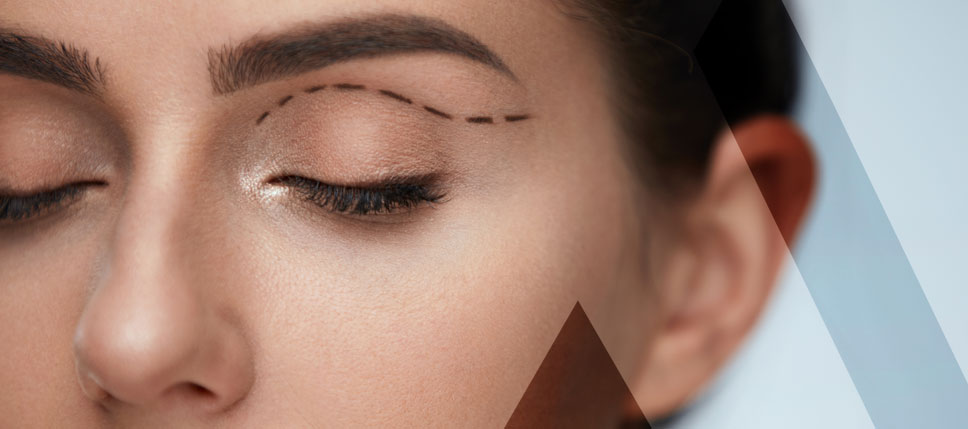
What are the risks and complications of eyelid surgery and which signs are urgent?
Eyelid surgery is generally safe in healthy patients treated by experienced surgeons, but it has risks. Common and usually temporary effects are swelling, bruising, tightness, dry or watery eyes, light sensitivity, blurred vision for a few days and small white cysts along the scars. Less common problems include asymmetry, a visible or thick scar, difficulty closing the eyes fully, dry-eye symptoms that last, infection, a lower lid that is pulled down (ectropion) or shows a rim of white (scleral show), a lid that sits too high or too low, hollow eyes if too much fat is removed, numbness and the need for a revision. Rare but serious complications include bleeding behind the eye (retrobulbar haemorrhage), which can threaten vision and needs immediate treatment, damage to the cornea from an eyelid that does not close, double vision and, very rarely, loss of vision.
Severe eye pain, a sudden fall or loss of vision, or double vision : emergency: go to a hospital immediately.
A bulging, hard or rapidly swelling eye or lid : possible bleeding behind the eye: emergency.
Redness, pus, fever : possible infection: contact your surgeon and seek care.
A lid that does not close and a sore or red eye : risk to the cornea: seek eye care urgently.
Persistent dry eye, watering or a lid that turns outward : contact your surgeon.
You can lower the risk by choosing an experienced surgeon who examines your eyes, avoiding over-resection, stopping blood-thinning medicines and smoking, controlling blood pressure, following the aftercare and attending every check-up.
If you have a symptom after you return home, go to an eye emergency service or hospital, tell them you had eyelid surgery abroad and show your operative report, and contact the surgeon as well.
Are there alternatives to eyelid surgery: fillers, brow lift, fox eyes, laser and other treatments?
| Option | What it does | Best for | Limits |
|---|---|---|---|
| Eyelid surgery (blepharoplasty) | Removes excess skin and fat. | Hooded upper lids, bags, loose lower-lid skin. | Surgery with scars and recovery. |
| Hyaluronic acid filler under the eyes | Fills hollows (tear troughs). | Hollow dark circles, mild bags. | Temporary; delicate area; see the filler guide. |
| Brow lift | Lifts sagging brows that push the upper lid down. | Droop caused by the brow. | Separate operation. |
| Ptosis surgery | Tightens the lid-lifting muscle. | True drooping of the lid edge. | Needs an oculoplastic surgeon. |
| Laser or peel for lower-lid skin | Tightens and resurfaces fine wrinkles. | Mild crepey skin. | Does not remove bags or excess skin. |
| Botulinum toxin | Relaxes muscles around the eyes. | Crow’s feet and lines. | Temporary; does not treat excess skin. |
| Canthopexy and thread lifts (“fox eyes”) | Lifts the outer corner of the eye. | A more upturned outer corner. | Evidence is limited; risks of asymmetry. |
The best option depends on what is wrong. Fillers can soften hollows but they cannot remove loose skin, and a blepharoplasty cannot fill a hollow or lift a drooping brow. A good surgeon will explain which treatment, or combination, suits you and may decline to operate if a less invasive option would do. See the guides to hyaluronic acid fillers and aesthetic medicine in Turkey, and the facelift guide for the lower face.
If you are unsure, send photographs of your eyes from the front and the side for a remote assessment and ask which of these options the surgeon would choose for you and why.
Can eyelid surgery be combined with a facelift, brow lift or rhinoplasty?
Yes. Blepharoplasty in Turkey can be associated with other plastic operations such as a facelift, a brow lift, a rhinoplasty or chin surgery, and many patients combine them in one stay, which saves travel and a second recovery. The advantages are one anaesthetic, one convalescence and a harmonised plan for the face. The drawbacks are a longer operation, more swelling that can hide the result and the need to plan the order of the procedures: for example, a brow lift usually comes before or together with upper blepharoplasty, because lifting the brow changes how much skin there is to remove, and removing the upper-lid skin first can leave the brow unable to be lifted properly.
A responsible surgeon will not combine too many procedures in one session and will explain the reasoning. Long combined operations increase the risks of swelling, bleeding and blood clots, and may mean a longer stay.
Ask who decides the combination and the order, what the maximum operating time is, and whether the surgeon is willing to split the plan.
If you are having only eyelid surgery, the stay and the recovery are short; if you add a facelift, plan the longer recovery of the larger operation.
How long should I stay in Turkey and when can I fly home after eyelid surgery?
For eyelid surgery alone, plan about five to eight days in Turkey: the consultation and eye examination, the operation, a check the next day, the stitch removal around day five to seven and a final check. If you combine it with other procedures, plan the longer stay of the main operation. The surgeon decides when you can fly, usually after the stitches are out and the eyes are comfortable and you can close them reasonably well; some surgeons clear patients earlier. Do not book a non-refundable return flight before your surgeon has confirmed the date.
Cabin air is dry, which can aggravate dry eyes after surgery: use the lubricating drops and ointment as prescribed, wear dark sunglasses, avoid rubbing your eyes, keep your head raised if you can and drink water. Avoid contact lenses and make-up around the eyes until your surgeon allows them. Flights to Istanbul are about three and a half to four hours from the UK and Western Europe and around nine to eleven hours from the US East Coast. Check the current visa or e-visa requirements for Turkey on the official government sites before you book, and make sure your passport is valid for the whole stay.
Take a companion if you have sedation or general anaesthesia: your vision will be blurred for a few hours and you should not travel alone.
When you arrive home, arrange to see an eye specialist or your doctor within a week or two, and bring the operative report and the aftercare instructions.
How do I choose a surgeon and clinic for eyelid surgery in Turkey?
| What to check | Why it matters | How to verify |
|---|---|---|
| Surgeon’s training and eyelid experience | The eyes need specialist care. | Name, plastic or oculoplastic surgery specialty, registration, number of blepharoplasties per year. |
| Pre-operative eye examination | Dry eye and other eye diseases change the plan. | Ophthalmological check before surgery; written findings. |
| Conservative plan | Over-resection is the main cause of lasting problems. | Explanation of how much skin and fat will be removed; willingness to decline or stage. |
| Clinic licence and anaesthesia | Safety depends on the facility and the anaesthetist. | Licence from the Turkish Ministry of Health; anaesthetist identified. |
| Emergency plan | Bleeding behind the eye needs immediate action. | Ask what happens if there is an emergency and where you would be taken. |
| Aftercare and revision terms | Problems appear after you return. | Written plan, contact available, revision terms. |
Ask for before-and-after photographs of patients like you, taken at several months, and compare at least two proposals. Be sceptical of rankings such as “best eyelid surgery in Turkey” or “best eyelid surgery surgeon Turkey”: there is no reliable public ranking. A second opinion from an eye or plastic surgeon in your own country on whether you are a candidate and on the proposed plan is a sensible precaution. Aram Clinic says it works with experienced plastic surgeons in Istanbul: ask for the clinic and the surgeon by name in writing and verify them yourself.
Whether you choose Istanbul, Ankara or Antalya, the city matters less than the surgeon, the eye examination and the aftercare.
What are the downsides of having eyelid surgery abroad and what if something goes wrong?
The main limits concern follow-up. If you develop an infection, a lid that does not close or persistent dry eye two weeks after you land, your local doctors will have to deal with it, and some are reluctant to take responsibility for an operation they did not perform. A revision may mean another trip or paying for surgery at home. Dry cabin air and sun on the journey can irritate healing eyes, and complications abroad are stressful and expensive. Legal recourse is more complicated across borders, and language and documentation differences can create misunderstandings.
Emergency eye care is available to anyone, wherever the operation was performed: go to an eye emergency service or hospital for severe pain, vision loss or a bulging eye. For non-urgent problems, the NHS in the UK provides emergency and necessary care but does not usually fund cosmetic revisions, and some private surgeons are reluctant to treat complications from surgery done abroad or charge for it; in the US, many surgeons and insurers decline to cover complications of cosmetic surgery abroad. Travel insurance usually excludes planned cosmetic surgery and its complications, so a specialist policy is needed, and you must read the exclusions. Before you travel, ask the clinic in writing what happens if you need a revision: who performs it, where, how much you pay and whether travel is covered.
Identify an eye specialist or a doctor at home who will see you in the first weeks, and keep every document: the quote, consent form, operative report, medicines list and photographs.
If you cannot arrange these, or if your case is complex, having the operation at home may be the safer choice, even at a higher price.
Should I use a medical tourism agency or contact the clinic directly?
Some patients use agencies that organise the trip and introduce them to a clinic, often through social media or messaging apps. This can simplify logistics, but it creates a conflict of interest when the agency is paid a commission by the clinic: its incentive is to sell a package. An agency is not a surgeon and cannot replace a consultation or an eye examination. Warning signs include guaranteed results, fixed prices before any assessment of your photographs, no mention of an eye examination, pressure to book quickly and the refusal to name the surgeon.
Whatever route you use, make sure you know exactly who is responsible for the medical care (the clinic and the surgeon), who invoices, what happens if something goes wrong and who is reachable if you need help. Ask for the contract in writing, naming the clinic and the surgeon, and do not pay a large deposit to someone you have not identified. Ask Aram Clinic what its exact role is, who the contracting parties are and how complaints are handled.
How do I plan the trip and how does the process work with Aram Clinic?
Choose a hotel close to the clinic with a lift and a bed where you can sleep with your head raised, and bring a companion for the first days. Pack dark wraparound sunglasses, cold packs or gel masks, your prescribed drops and ointment, loose button-up clothes and your medicines. Do not plan sightseeing: rest, short walks indoors and the check-ups are the priority. Tell your doctor at home about the trip and ask them to be ready to see you in the first week or two. Keep copies of the quote, consent form, operative report and aftercare instructions on your phone.
Aram Clinic describes a simple journey: you request a free quote online with photographs of your eyes; the medical team reviews them and a surgeon or coordinator discusses your case, usually by video; you receive a written proposal and decide without pressure; you travel and are met on arrival; after the consultation and the eye examination, the operation takes place at the partner clinic in Istanbul, followed by the check-ups and the stitch removal; and you return home with a medical report and a plan for follow-up, with remote contact. These are the clinic’s own descriptions: check that the surgeon and the clinic are named in writing, that the eye examination is included and that the quote lists what is included.
The first step is simple: complete the free express quote with your photographs, or learn more about Aram Clinic.
A responsible team will tell you if blepharoplasty is not the right operation for you and will advise against surgery if it is not appropriate.
What aftercare do I need at home and what questions should I ask before booking?
Aftercare begins before you leave, with written instructions on eye care, drops and ointment, activity limits, medicines and warning signs. At home, keep your head raised when sleeping for the first days, use cold compresses as advised, use lubricating drops and ointment, protect your eyes from sun, wind and dust with sunglasses, avoid rubbing or pressing the eyes, avoid contact lenses, make-up near the wounds, swimming, strenuous exercise and heavy lifting until your surgeon agrees, and attend your check-up with a local doctor or eye specialist within the first week or two. Protect the scars from the sun for a year and keep a healthy lifestyle: not smoking and good sun protection help the result last.
Am I a candidate : has a surgeon assessed my eyelids, brows and eyes, with an eye examination?
Which operation is proposed and why : upper, lower, four lids, with or without canthopexy?
Who will operate and in which clinic : what is their training and how many blepharoplasties do they perform each year?
What are the risks in my case : and what happens if there is an emergency?
How long should I stay : and when will the surgeon clear me to fly?
What is included in the quote : eye examination, extra nights, revision, my companion?
What happens if I have a problem at home : who will see me and who pays for a revision?
Write your questions down and ask for the answers in writing. Take your time: eyelid surgery is a planned operation that can be prepared over weeks, and no discount is worth deciding under pressure. A second opinion from an eye or plastic surgeon in your own country is a sensible precaution.
A team that listens, insists on an eye examination, discusses limits and risks openly and advises against surgery when it is not appropriate is more trustworthy than one that promises the lowest price and a perfect result.
Eyelid surgery in Turkey: an eye examination first, a conservative plan second, the price last
Eyelid surgery, or blepharoplasty, in Turkey removes excess skin and fat from the upper eyelids, the lower eyelids or both in an operation of 30 minutes to two hours, usually as a day case, with stitches out after about a week, bruising that fades in one to two weeks, a stay of about five to eight days and a final result judged at three to six months. It suits healthy adults with hooded or puffy lids who do not smoke and whose eyes are healthy, and it is not the right operation for a drooping lid caused by ptosis or the brow, or for hollows or pigment under the eyes. Quotes are generally lower than in the UK, the US or much of Europe, and all-inclusive packages bundle the hotel and transfers, but price is the weakest reason to choose a surgeon: the eye examination, the surgeon’s eyelid experience, a conservative plan that avoids over-resection, a licensed clinic with proper anaesthesia and an emergency plan matter more. Dry eyes, asymmetry and, rarely, bleeding behind the eye are the main risks, and cosmetic surgery abroad is not covered by insurance, so complications and revisions may fall on you.
Before booking, send photographs of your eyes from the front and the side, ask whether an eye examination is included, which eyelids will be treated and why, how much skin will be removed, who will operate and where, what the quote includes and who will see you after your return. If your project is ready, the next step is to send your photographs to the Aram Clinic team through the free express quote, so that they can review your case and propose a written plan that you can discuss with a surgeon of your own choice, without pressure.
Official sources to consult
This page draws on the sources below. Guidelines and rules change: always consult the current version and your own surgeon’s advice.
NHS : nhs.uk : advice on cosmetic procedures and surgery abroad; information on droopy eyelids.
British Association of Aesthetic Plastic Surgeons (BAAPS) : baaps.org.uk : patient information on eyelid surgery and surgery abroad.
American Society of Plastic Surgeons (ASPS) : plasticsurgery.org : patient guide to eyelid surgery and safety.
American Academy of Ophthalmology : aao.org : EyeSmart information on drooping eyelids, ptosis and eyelid surgery.
Royal College of Ophthalmologists : rcophth.ac.uk : standards and patient information on oculoplastic surgery.
Joint Commission International : jointcommissioninternational.org : international accreditation (verify any claim on the accreditor’s site).
Republic of Türkiye Ministry of Health : saglik.gov.tr : licensing of health facilities and health tourism.
UK Government and US State Department travel advice : gov.uk and travel.state.gov : entry requirements and health travel advice.