+44 20 7903 7116

 +44 20 7903 7116

Many people are unhappy with the shape or volume of their buttocks, and not everyone can change them with exercise or diet.
Options include exercise, diet, non-surgical treatments and cosmetic surgery.
Buttock augmentation in Turkey uses implants, fat transfer (the Brazilian butt lift or BBL) or a combination; it is one of the most requested body procedures, but also one that needs a careful choice of surgeon and technique.
Aram Clinic organises buttock augmentation in Turkey with partner hospitals; this page explains the options, the risks, the cost and what to check before you decide.
For some people the operation improves how they feel about their body; it does not change your worth, and results vary.
Aram Clinic invites you to request a free quote.
Price matters when planning any procedure, but it should not be the first criterion for buttock surgery, where the surgeon and the technique are critical for safety.
Aram Clinic says its all-inclusive package for buttock augmentation in Turkey contains:
- A hotel room.
- Transportation.
- Medical payment (medicine and doctor's fees)
Aram Clinic organises cosmetic surgery with partner hospitals in Turkey; ask for the hospital and the surgeon by name.
What is buttock augmentation?
Buttock augmentation is one of the most popular plastic surgeries in the world.
There are two main ways this operation can be performed: by placing implants in the buttocks, or by injecting your own fat (the Brazilian butt lift, or BBL), and the two can be combined. Fat transfer is the more common technique worldwide, while implants suit people with little fat to transfer or who want a firmer volume; neither is universally better.
Both techniques can give a fuller, rounder shape, but both carry real risks of complications, which are described below; implants in particular have a higher complication rate than many other cosmetic operations.
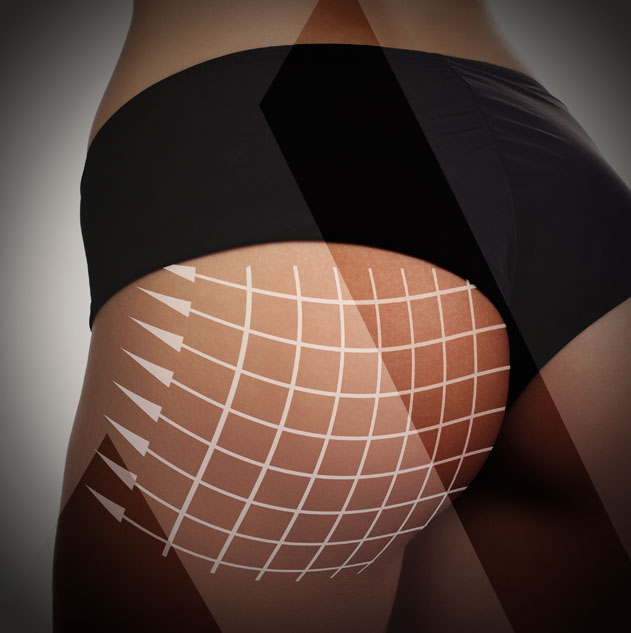
What are the types of fillings used in buttocks augmentation?
Implants come in different shapes, sizes and surfaces, and the choice depends on your anatomy, your preference and your surgeon's recommendation.
Round silicone fillings.
Round implants give a rounded, projected shape.
Oval silicone fillings.
Oval (anatomical) implants follow the natural contour of the buttock and may be chosen for a more natural shape, but they can rotate or shift, which shows more when they do.
Some people avoid oval implants because, depending on the size chosen, they may give a narrower, longer shape.
What is buttock augmentation in Turkey: implants, fat transfer (BBL) or both?
Buttock augmentation in Turkey is a cosmetic operation to increase the volume and improve the shape of the buttocks, carried out in a Turkish hospital by a plastic surgeon. There are two main surgical techniques. Fat transfer, known as the Brazilian butt lift or BBL, uses liposuction to take fat from areas such as the abdomen, waist and thighs, purifies it and injects it into the buttocks, which also contours the areas where fat was taken. Buttock implants are firm silicone implants placed through a small incision in a pocket in or under the muscle or fascia. The two can be combined, and non-surgical treatments (injectable biostimulators such as Sculptra or Radiesse, and fillers) are also marketed, with much more limited effects. Aram Clinic says it organises buttock augmentation with partner hospitals in Turkey, in an all-inclusive package covering a hotel room, transportation and medical fees; these are the clinic’s own descriptions and should be verified in writing.
Buttock augmentation is for healthy adults at a stable weight who want a fuller, rounder or more projected shape, who understand the risks and the recovery, and who have chosen a surgeon and a technique carefully. It is a major operation: BBL in particular is considered one of the cosmetic procedures with the highest risk when performed badly, and implants have a higher complication rate than many other cosmetic operations. Neither is a quick fix, and neither is suitable for everyone.
This page answers the questions people ask most: which technique is better, how much it costs in Turkey, whether it is safe, who is a candidate, how the operations and recovery work, how long to stay, when you can fly home, what the risks are, how to choose a surgeon and what to check before you pay a deposit. It draws on guidance from the British Association of Aesthetic Plastic Surgeons, the American Society of Plastic Surgeons, the Aesthetic Surgery Education and Research Foundation, the International Society of Aesthetic Plastic Surgery and the NHS, and on information supplied by Aram Clinic. It is general information, not medical advice: a plastic surgeon must examine you before any operation.
Aram Clinic also publishes a dedicated guide to the Brazilian butt lift in Turkey, and guides to liposuction, tummy tuck, arm lift and thigh lift. For a personal estimate, use the free express quote.
What are the key facts about buttock augmentation in Turkey at a glance?
| Question | Fat transfer (BBL) | Silicone implants |
|---|---|---|
| How it works | Liposuction, then purified fat injected into the buttocks. | Implants placed through an incision in a pocket. |
| Best for | People with enough fat to harvest, who want a natural feel and body contouring. | People with little fat, or who want more projection and a firmer volume. |
| Operation time | About 2 to 4 hours. | About 1 to 3 hours. |
| Anaesthesia | General anaesthesia. | General anaesthesia. |
| Hospital stay | Often 1 to 2 nights. | Often 1 to 2 nights. |
| Time to plan in Turkey | About 7 to 10 days. | About 7 to 10 days. |
| Sitting after surgery | Avoided for about 2 weeks or more, then limited. | Restricted for several weeks. |
| Durability | Part of the fat is reabsorbed; the result depends on your weight. | Durable but not for life; may need replacement. |
| Main risks | Fat embolism (rare but very serious), infection, lumps, uneven result. | Wound opening, infection, seroma, implant shifting or exposure. |
| Insurance | Cosmetic surgery abroad is not covered by public health systems; check travel insurance. | Same. |
These are typical ranges, not promises: your surgeon decides from your anatomy and healing. A modest BBL in a patient with a good amount of fat and a large implant procedure are very different operations.
If you remember only one thing: for buttock surgery, the surgeon and the technique matter more than the price, and safety rules, especially for fat transfer, must be followed strictly.
Which is better for me: BBL, buttock implants or both?
There is no universal “better” option. A BBL uses your own fat, so it feels natural, it contours the waist, back and thighs at the same time and leaves only small scars, but it needs enough fat to harvest, part of the fat does not survive and the amount that can be safely injected is limited. Implants give a defined volume and projection and suit people who are slim, but they require an incision between the buttocks, a longer restriction on sitting, a higher chance of wound problems and are foreign material with a limited lifespan. A combination, with implants to add structure and fat to soften and shape, is used in selected patients.
| Factor | BBL | Implants | Combination |
|---|---|---|---|
| Feel | Natural | Firmer | Natural over a base |
| Amount of fat needed | Enough to harvest | Little needed | Moderate |
| Scars | Small liposuction scars | One incision in the cleft | Both |
| Longevity | Part resorbs; stable with stable weight | Durable; may need replacement | Both aspects |
| Complication profile | Fat embolism, infection, lumps | Wound problems, infection, shifting | Both |
| Recovery | Avoid sitting 2 weeks or more | Restricted sitting several weeks | Longest |
Your surgeon should explain why they recommend one technique for your body. Be wary of anyone who proposes a very large volume of fat, who promises a dramatic change in one operation, or who steers every patient towards the same technique.
For a dedicated guide to fat transfer, see the page on the Brazilian butt lift in Turkey.
Is a Brazilian butt lift safe and what safety rules should a surgeon follow?
A BBL can be performed with an acceptable level of risk, but it has been associated with a higher rate of serious complications than most cosmetic operations, mainly because of fat embolism: if fat is injected into or near large veins of the buttock muscle, it can enter the bloodstream and travel to the lungs, a rare but very serious complication that is an emergency. Following reports of serious complications, plastic surgery societies in several countries issued warnings and safety guidelines, and some recommended restricting the technique. The key safety recommendations include injecting fat only into the layer just under the skin (subcutaneous), not into or beneath the muscle; avoiding deep injection with long, rigid cannulas pointed downwards; using ultrasound guidance in some centres; limiting the volume of fat injected; avoiding very large volumes or multiple procedures; and not operating on too many patients in the same day.
What lowers the risk: a surgeon with specialist plastic surgery training who uses the safety guidelines and who you have spoken to directly; a licensed hospital with intensive care access and an anaesthetist; a medical assessment before surgery; moderate fat volumes; avoiding combining a BBL with many other procedures in the same operation; and a sufficiently long stay before flying home. What raises the risk: surgeons who inject into the muscle, very large volumes, rushed schedules, unlicensed facilities, flying back too early and cosmetic travel without aftercare.
Ask the surgeon directly: where do you place the fat, how do you guide the cannula, what is your maximum volume, do you use ultrasound, how many BBLs do you do per week and what happens if there is an emergency. A surgeon who is evasive or dismissive is a warning sign.
If you have a symptom such as sudden shortness of breath, chest pain, a fast heartbeat, dizziness or fainting in the days after a BBL, seek emergency care immediately.
What are the types of buttock implants: round, oval and anatomical, and where are they placed?
Implants can be made to different shapes, sizes and surfaces, and the choice depends on your anatomy, your preference and your surgeon’s recommendation. Round implants are known for giving a rounded, full and projected look. Oval or anatomical implants follow the natural contour of the buttock, with a wider base and a more tapered top, and are chosen for a more natural shape; some women avoid this type because, depending on the size, it can give the buttocks a narrow and long shape, and it can rotate if it moves. The implant is usually made of solid silicone elastomer (not a liquid gel), which is firm and holds its shape.
The placement matters for safety and appearance. Implants can be placed under the muscle (submuscular), inside the muscle (intramuscular) or above the muscle but under the fascia (subfascial). Each has advantages and drawbacks: intramuscular placement is commonly used because it gives a good cover and a more natural result with a lower risk of exposure than placement just under the skin, but it needs careful technique; subcutaneous placement, directly under the skin, has a higher risk of complications and is generally avoided. The surgeon chooses the incision, usually a short one between the buttocks, according to the anatomy, the size of the implant and the technique.
Ask which type, size and brand of implant is planned and why, and for an implant card with the manufacturer, model, size and lot number. Implants without a recognised brand and regulatory approval should be refused.
Implants are not guaranteed for life: they can shift, rotate, become exposed, get infected or be damaged, and may need replacement or removal.
Do non-surgical butt lifts work: Sculptra, Radiesse and fillers?
“Non-surgical butt lift” treatments use injectable products such as poly-L-lactic acid (Sculptra), calcium hydroxylapatite (Radiesse) or hyaluronic acid fillers, injected under the skin to add modest volume and improve the quality and contour of the skin over several sessions. They avoid surgery and anaesthesia and have short downtime. Their effect is subtle, they do not match the volume of a BBL or implants, they require several sessions and large amounts of product, they can cost a lot over time, and they carry risks including lumps, nodules, infection and, rarely, blocked blood vessels. Some products, such as Sculptra and Radiesse, are biostimulators whose effect builds up over weeks and is not easily reversible, unlike hyaluronic acid.
Injections of silicone liquid or unknown products into the buttocks are dangerous and illegal in many countries and must be refused. Do not accept an injection of a product that is not clearly identified and approved.
Non-surgical treatments suit people who want a small improvement and do not want surgery. If you want a significant change in volume, surgery is the realistic route, and a surgeon should tell you so.
For more on injectable treatments in Turkey, see the guide to hyaluronic acid in Turkey.
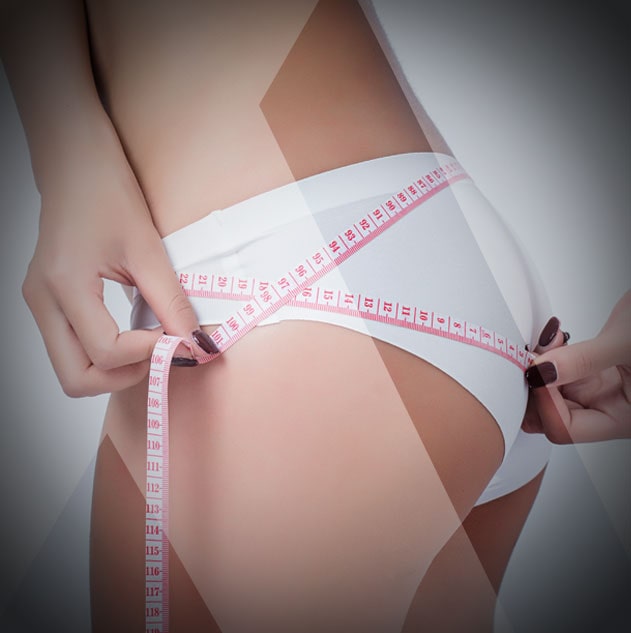
A fuller, more projected shape and better proportions between the waist, hips and buttocks are the main advantages.
Silicone buttock implants are durable, but they are not guaranteed to last a lifetime: they may need replacement or removal over the years. Transferred fat is your own tissue, but part of it is reabsorbed, and the result depends on your weight.
The procedure is widely performed, but it is a major operation with significant risks; it usually needs one session, although a touch-up is sometimes needed, and no clinic can guarantee that you will get the result you want.
Implants are made of firm silicone; the feel depends on the implant and the amount of soft tissue covering it. You can choose the size and shape with your surgeon's help, within what your anatomy allows.
The operation can improve asymmetry and proportions, although perfect symmetry is not achievable for everyone.
What are the necessary preparations for buttocks augmentation?
The doctor must perform a comprehensive clinical examination with laboratory tests before the operation.
You will need to inform your doctor of any medication you are taking so that they can adjust their dosage, or replacing them with other medications, there are other medication that you will have to stop taking before the operation such as aspirin or anti-inflammatory drugs. You should also stop smoking and nicotine well before and after surgery, and reach a stable weight.
During your visit to the doctor, they will be taking multiple pictures of the buttock area from the front and sides before the operation for comparison and long-term follow-up of results.
Your doctor will ask you about your goals for buttock implants and your aspirations for the procedure and also will ask about any previous cosmetic or surgical procedures.
Who is a good candidate for buttock augmentation and who should not have it?
The best candidates are healthy adults who do not smoke, who are at a stable weight and have realistic expectations. For a BBL, the surgeon needs enough fat to harvest from the abdomen, waist, back and thighs to achieve the result you want: very slim patients, sometimes searched for as “skinny BBL”, may not have enough fat, and forcing a volume can mean injecting too much or gaining weight to “make” fat, which is not advised; implants may suit them better. For implants, enough skin and soft tissue to cover the implant are needed. A body mass index in a moderate range, good general health, no uncontrolled diabetes, high blood pressure or clotting disorders, and a commitment to the recovery rules (no sitting on the buttocks for a period) are essential.
Buttock augmentation is generally postponed or avoided in people who smoke or use nicotine, who have a history of blood clots, who plan a pregnancy soon, who have an unstable weight, who have an active skin infection or open wounds in the area, who have a heart or lung condition that makes general anaesthesia risky, or whose expectations are unrealistic. A thorough assessment before travel, including blood tests and sometimes an ECG, is part of safe practice.
Women who are pregnant or breastfeeding should not be operated on. If you have lost a lot of weight recently, ask the surgeon whether other procedures such as a tummy tuck or a thigh lift should come first.
A responsible surgeon will tell you honestly if you are not a good candidate or if you should wait, and will not operate to meet a date you have booked.
What are the advantages of buttock augmentation and what can it not do?
The main advantages are a fuller, more projected buttock, better proportions between the waist, hips and buttocks, and, for BBL, a contoured waist, back and thighs where fat is harvested. Implants give a predictable volume and are more durable than transferred fat. The operation can also improve asymmetry. Many people report that it improves how they feel in clothes and about their body. The results of BBL are less predictable because part of the injected fat is reabsorbed, so the final shape depends on how much fat survives.
It cannot change your skeleton, lift sagging skin to the same degree as a surgical lift, or guarantee symmetry or a particular shape. It does not remove the need for a stable weight: gaining or losing weight changes the fat in the buttocks and the overall shape. Buttock implants are durable but not guaranteed for life.
Some people ask for a “Hollywood” or celebrity shape. A surgeon should adapt the plan to your frame: a very large volume on a narrow pelvis can look unnatural and increases risk. Aim for proportion rather than size.
Whatever the technique, you must be prepared for a recovery in which sitting is restricted and swelling can last for months.
Which tests, medicines and habits need to change before buttock augmentation?
Preparation starts weeks before the trip. The doctor must carry out a complete clinical examination and tests before the operation, usually blood tests (blood count, clotting, blood sugar) and sometimes an ECG. Inform your doctor of any medication you are taking so that they can adjust the dose or replace it with others; some medicines must be stopped before the operation, such as aspirin and anti-inflammatory drugs, and so should certain supplements and herbal products that raise bleeding risk. Hormonal medicines, including the contraceptive pill, can raise the risk of blood clots and need individual advice. During your visit to the doctor, they will take several photographs of the buttock area from the front and the sides before the operation for comparison and long-term follow-up of results, and will ask about your goals and any previous cosmetic or surgical procedures.
You should stop smoking and all nicotine products, including vaping, well before the operation: most surgeons ask for at least four to six weeks before and after, because nicotine reduces blood flow and increases the risk of wound problems. Avoid alcohol for at least 48 hours before surgery. Reach a stable weight, eat well and stay hydrated, and avoid gaining weight deliberately to “create” fat for a BBL, which is not recommended.
Plan the practical side: a companion for the first days, accommodation near the hospital, loose clothing, a recovery pillow or cushion as advised by the surgeon, your medicines, the compression garment the clinic recommends, and the time off work. You will need to lie on your stomach or sides for weeks, so arrange your bed and sleeping position accordingly.
Send recent photographs and your medical history in advance so that the surgeon can discuss the plan with you before you travel, and ask for the consent form in English.
Buttock augmentation is usually performed under general anaesthesia, and your doctor chooses the right type for you depending on the procedure and your general health.
An appropriate surgical incision is determined by the expert surgeon in accordance with :
- your anatomy.
- The size of the augmentation required.
- The type of fillings used.
After that the implants are placed in their pocket and the incisions are closed. In a fat transfer, liposuction is used to harvest fat from areas such as the abdomen, flanks and thighs, and the purified fat is injected under the skin of the buttocks.
plastic surgical suture are usually used to mitigate as much as possible the formation of surgical scars and reduce their appearance.
The surgeon may resort to some minor additional procedures in order to obtain better results, such as removing excess fat around the buttocks by liposuction.
What happens after buttocks augmentation?
It is important to follow the advice and recommendations of your doctor after the operation, and to attend all the review appointments that they set so that you can assess your health condition.Do not sit or lie on your back, directly on the buttocks, until your doctor allows you to; sleep on your stomach or side.Avoid strenuous exercise or weight lifting during the first period after the operation, as the more you rest in the first two weeks, the faster your wounds will heal.Take good care of the wound as instructed by your doctor and in the case of anything happening to it you should inform them.You must use caution when bending over and Avoid squatting.The doctor may prescribe several medications for you after the surgery, such as pain relievers and antibiotics, which are routine medications after all surgical interventions, and you must adhere to them well and all the doctor's recommendations and instructions.Follow a balanced diet rich in fluids and fiber, as good nutrition is essential for wound healing and a fast recovery, and the basis for it is that your food contains all nutrients with an abundant amount of fluids, and fibre is necessary to avoid constipation.
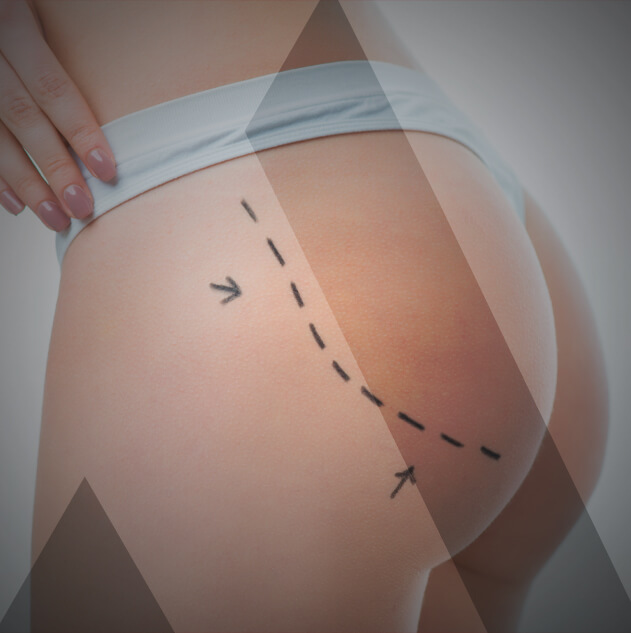
How is buttock augmentation performed, step by step?
Buttock augmentation is usually performed under general anaesthesia, and the anaesthetist chooses the right type depending on the procedure and your general health. For a BBL, the surgeon first marks the areas, then uses liposuction to harvest fat from the abdomen, flanks, back or thighs. The fat is purified and prepared, and injected through small incisions into the subcutaneous layer of the buttocks in small amounts from several directions, following safety guidelines. The harvest sites are closed with small stitches and a compression garment is applied. A BBL typically takes two to four hours, depending on the amount of liposuction.
For implants, the surgeon determines an appropriate incision according to your anatomy, the size of the augmentation needed and the type of implants used, usually a short incision between the buttocks. The pocket for each implant is created in the planned layer, the implants are placed in their proper position and the incisions are closed, usually with fine plastic surgical sutures to limit scarring as much as possible; drains may be used. Implant surgery typically takes one to three hours. The surgeon may also perform minor additional procedures to improve the result, such as removing excess fat in the buttock area by liposuction.
You wake up in the recovery room, with a compression garment and dressings; you will need to lie on your stomach or on your side. Pain is controlled with medicines, and blood-clot prevention measures are started.
Ask who the anaesthetist is, how you will be monitored and what happens if there is an emergency.
What is the recovery timeline after buttock augmentation and how do I sit and sleep?
| Time | What to expect | What to do or avoid |
|---|---|---|
| Day 0 to 2 | Hospital or recovery; compression garment; swelling, bruising, pain. | Lie on your stomach or sides; short walks with help; no sitting. |
| Days 3 to 10 | Swelling and bruising; drains removed if used; first check-ups; cleared to fly if the surgeon agrees. | No sitting on the buttocks unless advised; garment on; avoid straining. |
| Weeks 2 to 4 | Gradual return to short periods of sitting with support (as the surgeon advises); light desk work for many. | Use the recommended cushion; no lifting or exercise. |
| Weeks 4 to 8 | Swelling continues to settle; increasing activity. | No squats or strenuous exercise until cleared; keep wearing garment as advised. |
| Months 3 to 6 | Final shape emerges as swelling resolves and fat settles. | Stable weight; scar care. |
It is important to follow the advice of your doctor after the operation and to attend all the follow-up appointments. Do not sit or lie on your back, directly on the buttocks, until your doctor allows you to; sleep on your stomach or your side, and use the support the surgeon recommends. Avoid strenuous exercise and weight lifting in the first period after the operation: the more you rest in the first two weeks, the faster the wounds will heal. Take good care of the wounds as instructed and tell your doctor about anything unusual. Be careful when bending over and avoid squatting. The doctor may prescribe medicines such as pain relievers and antibiotics, which you should take exactly as directed. Follow a balanced diet rich in fluids and fibre, as good nutrition helps healing and fibre helps avoid constipation.
Go to a hospital immediately if you have shortness of breath, chest pain, a fast heartbeat, fainting, calf pain or swelling, fever, pus or a wound that opens, severe pain or rapidly increasing swelling on one side. Results can take several months to appear.
When can I fly home after buttock augmentation and how long should I stay in Turkey?
For a straightforward procedure, plan about seven to ten days in Turkey, including the pre-operative assessment, the operation, the hospital nights and the first check-ups; plan longer for combined operations. The surgeon decides when you can fly, usually when the wounds are healing, you can walk, there is no sign of a clot or infection and you can manage the journey. Do not book a non-refundable return flight before your surgeon has confirmed the date, and leave a margin in case you need extra days.
Flying after buttock surgery raises two concerns: the risk of blood clots, and the difficulty of sitting for hours after a procedure in which sitting is restricted. Ask the surgeon how to sit on the plane (many advise lying across seats if possible, or using a recommended cushion), use compression stockings, take any blood-clot prevention you are prescribed, walk around the cabin, drink water, wear the garment and ask for help with luggage. Flights from the UK to Istanbul take about four hours; from the US East Coast, around nine to eleven hours.
Take a companion who can help with the journey, and arrange the seat and assistance with the airline in advance. Avoid long connections soon after surgery.
When you arrive home, arrange to see your GP or a surgeon within the first week or two, and bring the operative report and your wound and recovery instructions.
Buttock augmentation can give satisfying results, but it carries significant risks, which depend on the technique.
Some of them are :
- Anaesthetic problems.
- Pain at the surgical incision site.
- Bleeding
- Edema in the buttocks as a result of fluid accumulation.
- Infection.
- Numbness
- Inappropriate scarring.
- Difficulty sitting, walking and moving for the first weeks.
- A change in the location or shape of the implants.
- Opening of the wound, fluid collections and infection or exposure of an implant (implants).
- Reabsorption of part of the fat, lumps and irregularities (fat transfer).
- Fat embolism, a rare but very serious complication of fat transfer: an emergency.
What should I remember about buttock augmentation?
Cosmetic surgery can change shape and volume, but it does not solve every problem: buttock augmentation carries real risks, and the choice of surgeon, technique and aftercare matters far more than the price. Take your time, ask for everything in writing and seek a second opinion.
What are the risks and complications of buttock augmentation and which signs are urgent?
Buttock augmentation can give satisfying results, but it carries significant risks that depend on the technique. Common to both: anaesthetic problems, pain at the incision sites, bleeding, swelling from fluid build-up (oedema), infection, numbness, unfavourable scarring, blood clots in the legs, difficulty sitting, walking and moving for the first weeks, and asymmetry. For fat transfer: reabsorption of part of the fat, lumps, oily cysts, irregular contours, loss of volume with weight loss and, rarely, fat embolism, a very serious complication in which fat enters the bloodstream and reaches the lungs or other organs. For implants: opening of the wound (dehiscence), fluid collections (seroma), infection, implant exposure, a change in the location or shape of the implants (shifting or rotation), capsular contracture and the need for removal or replacement. Complication rates for buttock implants are higher than for many other cosmetic procedures, particularly wound problems.
Sudden shortness of breath, chest pain, fast heartbeat, dizziness or fainting : emergency: call emergency services; mention your recent surgery.
Calf pain, swelling or warmth : possible clot: seek urgent care.
Fever, pus, increasing redness : possible infection: contact your surgeon and seek care.
Wound that opens or an implant visible through the skin : contact your surgeon urgently.
Rapidly increasing swelling on one side or severe pain : possible haematoma: seek urgent care.
You can reduce risk by choosing an experienced surgeon who follows safety guidelines, stopping smoking, avoiding very large volumes, following the sitting restrictions, wearing the garment, walking early, using blood-clot prevention and attending every check-up.
If you develop a symptom after returning home, treat it as urgent: contact the nearest emergency department, tell them you had buttock augmentation abroad and show your operative report, and contact the surgeon as well.
How much does buttock augmentation cost in Turkey compared with the UK and the US?
The price of buttock augmentation in Turkey depends on the technique (BBL, implants or both), the amount of liposuction, the size and brand of the implants, the surgeon and the hospital, the number of nights in hospital, the compression garments, any additional procedures and what the package includes. In general, quotes in Turkey are lower than in the UK, the US, Canada or Australia, which is why searches such as “Brazilian butt lift cost Turkey”, “BBL Turkey price” and “skinny BBL Turkey cost” are common. Aram Clinic says its all-inclusive package covers a hotel room, transportation and medical payment (medicine and doctor’s fees); the real saving depends on what you compare, so check it against a written quote and a quote from a surgeon at home.
Compare like with like: the same technique, the same implant brand and size or fat volume, the same hospital stay, the same anaesthetic and the same follow-up. A very low price can mean shortcuts: rushed surgery, fewer nights of monitoring, unbranded implants or no provision for complications. Do not choose a surgeon by price.
What should a written buttock augmentation quote include?
Technique : BBL, implants or both, and the planned volume or implant size.
Implants : brand, model, size and lot number, with an implant card.
Hospital and surgeon : names, hospital licence and the surgeon who will operate.
Hospital stay : nights, room type, nursing care.
Anaesthesia and medicines : anaesthetist, blood-clot prevention.
Garments : compression garment and recovery cushion.
Travel services : transfers, hotel nights, interpreter, companion.
Complications and revision : terms in writing.
Payment terms : deposit, refund conditions, currency.
Do not pay the full amount before you have a detailed written quote and have spoken to the surgeon. Aram Clinic does not publish fixed prices on this page because the cost depends on your case: request a free express quote with your photographs and medical history.
What is included in an all-inclusive buttock augmentation package?
An all-inclusive package is a single price intended to cover the main parts of your trip. Aram Clinic says its package contains a hotel room, transportation and medical payment (medicine and doctor’s fees). A complete package may also include the pre-operative consultation and tests, the surgeon’s and anaesthetist’s fees, the operating room, the hospital stay, nursing care, the compression garment, blood-clot prevention, airport transfers, a medical report and remote follow-up.
“All-inclusive” has no legal definition, so ask for the list in writing. Check what is excluded: the implants if they are priced separately, a combined procedure, extra nights if you need to stay longer, treatment of complications or a revision operation, additional tests, the companion’s hotel and flights. A transparent provider tells you in advance how complications are handled and who pays.
Be cautious with any promise of a guaranteed result or of “the best price”: no clinic can guarantee how your body will heal.
How do I choose a surgeon and hospital for buttock augmentation in Turkey?
| What to check | Why it matters | How to verify |
|---|---|---|
| Plastic surgery training and BBL experience | Technique and safety rules matter most for fat transfer. | Name, plastic surgery specialty, registration; number of BBLs and implants per year. |
| Safety protocol for fat transfer | Injection depth and volume determine the risk. | Written explanation: subcutaneous injection only, maximum volume, cannula type, ultrasound use. |
| Hospital licence and intensive care access | Major surgery needs an authorised hospital. | Licence from the Turkish Ministry of Health; accreditation only if claimed and verifiable. |
| Anaesthetist and monitoring | Safety depends on anaesthesia and monitoring. | Anaesthetist identified; recovery room; overnight nursing. |
| Number of patients per day | Rushed schedules increase risk. | Ask how many operations the surgeon does per day. |
| Implant brand and card | Traceability matters for the future. | Brand, model, size, lot number, implant card. |
| Aftercare and revision terms | Most problems appear after you return. | Written plan, contact available, revision terms. |
Ask for an online consultation with the surgeon who will operate and compare at least two proposals. Be sceptical of rankings such as “best BBL surgeon in Turkey”: there is no reliable public ranking. Look for transparency, willingness to answer technical questions and to decline a case that is not suitable or to reduce the plan.
A second opinion from a plastic surgeon in your own country on your photographs and on the proposed plan is a sensible precaution. Aram Clinic says it works with experienced plastic surgeons: ask for the hospital and the surgeon by name in writing and verify them yourself.
How should I read buttock augmentation reviews and before-and-after photos from Turkey?
Reviews and before-and-after photographs of buttock surgery are everywhere on social media, but they are unreliable. A photograph taken in the first weeks shows swelling, not the final result; for BBL, much of the volume is fat that has not yet been reabsorbed, so the long-term result is smaller. Lighting, angles, clothing and filters change the appearance, many images are edited and some do not belong to the clinic’s own patients. Reviews can be solicited or paid for, and negative reviews can be written by competitors.
Ask for a series of cases like yours, photographed at one, three, six and twelve months in the same pose and lighting, and for contact with previous patients with their consent. Look for accounts that mention complications and how the clinic handled them. Searches for “BBL Turkey before and after” are very common, and marketing is aimed at them: treat marketing images as advertising.
A second opinion from a surgeon at home on your photographs and the proposed plan is the most reliable check.
Be wary of any provider who compares your body with a celebrity or promises a particular shape.
What are the downsides of having buttock surgery abroad and what if something goes wrong?
The main limits concern follow-up. If you develop a wound problem, an infection, a seroma or an implant that is shifting two weeks after you land, your local doctors will have to deal with it, and some are reluctant to take responsibility for an operation they did not perform. A revision or correction may mean another trip or paying for surgery at home. A long journey soon after a major operation, with limited sitting, increases the risk of blood clots, and complications abroad are stressful and expensive. Legal recourse is more complicated across borders. Differences in language and documentation can create misunderstandings.
Emergency care is available to anyone, wherever the operation was performed: if you have a suspected clot, severe infection or breathing problem, go to the nearest emergency department and tell the staff about your surgery. For non-urgent problems, the position is less clear: the NHS in the UK provides emergency and necessary care but does not usually fund cosmetic revisions, and some private surgeons are reluctant to treat complications from surgery done abroad or charge for it. In the US, many surgeons and insurers decline to cover complications of cosmetic surgery abroad. Travel insurance usually excludes planned cosmetic surgery and its complications, so a specialist policy is needed, and you must read the exclusions.
Before you travel, ask the clinic in writing what happens if you need a revision: who performs it, where, how much you pay and whether travel is covered. Identify a doctor at home who will see you in the first weeks, and keep every document.
If you cannot arrange these, or if your case is complex, having the operation at home may be the safer choice, even at a higher price.
Should I use a medical tourism agency or contact the clinic directly?
Some patients use agencies that organise the trip and introduce them to a clinic, often through social media or messaging apps. This can simplify logistics, but it creates a conflict of interest when the agency is paid a commission by the clinic: its incentive is to sell a package. An agency is not a surgeon and cannot replace a consultation. Warning signs include guaranteed results, fixed prices before any assessment of your photographs, pressure to book quickly, “limited-time offers”, large volumes of fat promised and the refusal to name the surgeon.
Whatever route you use, make sure you know exactly who is responsible for the medical care (the hospital and the surgeon), who invoices, what happens if something goes wrong and who is reachable if you need help. Ask for the contract in writing, naming the hospital and the surgeon, and do not pay a large deposit to someone you have not identified. Ask Aram Clinic what its exact role is, who the contracting parties are and how complaints are handled.
How do I plan the trip: flights, hotel, garment and a companion?
Plan about seven to ten days, longer for combined operations. Flight times to Istanbul are about three and a half to four hours from Western Europe and the UK, around nine to eleven hours from the US East Coast and longer from Canada’s west coast and Australia, with connections. Check the current visa or e-visa requirements for Turkey on the official government sites before you book, and make sure your passport is valid for the whole stay.
Choose a hotel close to the hospital with a lift or ground-floor access and a bed where you can lie on your stomach. Take a companion who can help with the first days, the garment and the journey home. Pack loose, front-fastening clothes, your medicines, compression stockings, the cushion the surgeon recommends, and any garment the clinic asked you to bring. Do not plan sightseeing or beach days: rest, short walks and the check-ups are the priority.
Tell your GP and, if possible, a surgeon at home about the trip, and ask them to be ready to see you in the first week or two after your return. Keep copies of the quote, consent form, operative report, discharge summary and wound care instructions on your phone.
Leave a margin in your return ticket for an extra check-up, and avoid planning events for the weeks after you come home.
How does the process work with Aram Clinic, from the first enquiry to going home?
Aram Clinic describes a simple journey. First, you request a free quote online and send photographs of your body and your medical history. Second, the medical team reviews them and a surgeon or coordinator discusses your case with you, usually by video, explaining the proposed technique, the risks and the alternatives. Third, you receive a written proposal and decide without pressure. Fourth, you travel: you are met on arrival and taken to the hospital or hotel according to the plan. Fifth, after assessment and tests, the operation takes place at the partner hospital, followed by monitoring and check-ups. Sixth, you return home with a medical report and a plan for follow-up, and the team stays in touch remotely.
These are the clinic’s own descriptions. For your safety, check that the surgeon and the hospital are named in writing, that the surgeon has assessed your photographs, that the technique and the safety protocol are explained, that the quote lists what is and is not included and that the team will advise against surgery, or reduce the plan, if it is not appropriate.
The first step is simple: complete the free express quote with your photographs, or learn more about Aram Clinic.
What aftercare do I need at home and how do I protect the result?
Aftercare begins before you leave, with written instructions on wound care, drains, garment, sitting and sleeping, activity limits, medicines and warning signs. At home, keep wearing the garment as advised, keep to the sitting restrictions, sleep on your stomach or side, walk several times a day and increase the distance gradually, avoid lifting and strenuous exercise until your surgeon agrees, keep the wounds clean and dry and attend your check-up with a local doctor within the first week or two. Report any concern promptly.
To protect the result, keep a stable weight: gaining or losing weight changes the fat in the buttocks. Stay active with the exercises your surgeon allows once healed, maintain a balanced diet and avoid smoking. Protect scars from the sun and follow the scar care advice. If you have implants, keep the implant card and tell any doctor who treats you; ask about monitoring.
Which documents should I bring back from Turkey?
Operative report and discharge summary : in English, with the technique, fat volume or implant details and any complications.
Implant card : brand, model, size, lot number, if implants were used.
Medication list : with doses, including blood-clot prevention and painkillers.
Wound care and sitting instructions : what to do and what to avoid.
Photographs : before surgery and during recovery.
Contact details : hospital, surgeon, coordinator and emergency number.
Share these with your doctor as soon as you return. If anything seems wrong, contact your local emergency services or doctor first, and inform the surgeon in Turkey as well.
What questions should I ask before booking buttock augmentation in Turkey?
Am I a good candidate : has a plastic surgeon assessed my photographs, my health and my body fat?
Which technique is proposed and why : BBL, implants or both, and why not the alternatives?
Who will operate and in which hospital : what is their plastic surgery training and how many of these operations do they perform each year?
What safety rules apply to fat transfer : where is the fat injected, what is the maximum volume, is ultrasound used?
Which implants : brand, model, size and implant card?
What are the risks in my case : and how are complications handled?
How long should I stay : and when will the surgeon clear me to fly?
What is included in the quote : combined procedures, extra nights, revision, my companion?
Who will check my wounds at home : have I arranged a doctor and informed them?
Write your questions down and ask for the answers in writing. Take your time: buttock augmentation is a planned operation that can be prepared over weeks, and no discount is worth deciding under pressure. A second opinion from a plastic surgeon in your own country is a sensible precaution.
A team that listens, assesses your photographs, explains its safety protocol, discusses limits and risks openly and advises against surgery when it is not appropriate is more trustworthy than one that promises the lowest price and a celebrity shape.
Buttock augmentation in Turkey: the surgeon and the safety protocol first, the technique second, the price last
Buttock augmentation in Turkey uses fat transfer (BBL), silicone implants or both, in an operation of about one to four hours under general anaesthesia, with one to two nights in hospital and a stay of about seven to ten days, followed by weeks in which sitting is restricted. Quotes are generally substantially lower than in the UK or the US, and all-inclusive packages bundle the hotel, transfers and medical fees, but price is the weakest reason to choose a surgeon. BBL carries a rare but very serious risk of fat embolism that is reduced by injecting fat only under the skin, limiting volumes and using an experienced surgeon who follows safety guidelines; implants carry a higher rate of wound problems, infection and shifting, and are not guaranteed for life. Results vary, part of transferred fat is reabsorbed, weight changes alter the shape, and cosmetic surgery abroad is not covered by public health systems, so complications and revisions may fall on you.
Before booking, send photographs and your medical history for a remote assessment, speak to the surgeon who will operate, ask which technique is proposed and why, how they follow BBL safety rules, which implants and sizes are planned, who will check your wounds at home and what happens if you need a revision. If your project is ready, the next step is to send your photographs to the Aram Clinic team through the free express quote, so that they can review your case and propose a written plan that you can discuss with a surgeon of your own choice, without pressure.
Official sources to consult
This page draws on the sources below. Guidelines and rules change: always consult the current version and your own surgeon’s advice.
British Association of Aesthetic Plastic Surgeons (BAAPS) : baaps.org.uk : patient information on buttock augmentation and safety advice on the Brazilian butt lift.
American Society of Plastic Surgeons (ASPS) : plasticsurgery.org : patient guides on butt augmentation, safety and choosing a surgeon.
Aesthetic Surgery Education and Research Foundation (ASERF) : aserf.org : research and safety recommendations on gluteal fat grafting.
International Society of Aesthetic Plastic Surgery (ISAPS) : isaps.org : patient information and global statistics on aesthetic surgery.
NHS : nhs.uk : advice on cosmetic procedures and cosmetic surgery abroad.
Joint Commission International : jointcommissioninternational.org : international accreditation (verify any claim on the accreditor’s site).
Republic of Türkiye Ministry of Health : saglik.gov.tr : licensing of health facilities and health tourism.
UK Government and US State Department travel advice : gov.uk and travel.state.gov : entry requirements and health travel advice.