+44 20 7903 7116


 +44 20 7903 7116

Many people want to feel comfortable in their body, and loose skin after weight loss can get in the way.
Diet and exercise cannot remove skin that has been stretched and has lost its elasticity, and some people are unable to follow strict programmes for physical or psychological reasons.
Many people are bothered by excess skin or fat on parts of the body, and the thighs are one of the most uncomfortable places.
It can affect clothes and movement, and loose skin in the folds can lead to irritation and skin problems.
Aram Clinic organises thigh lift in Turkey with partner surgeons.
A thigh lift removes loose skin, and sometimes some fat, from the thighs; it is not a treatment for large amounts of fat or for cellulite.
A thigh lift is one established solution for loose skin of the thighs, with long scars and a higher rate of wound problems than many cosmetic operations. Aram Clinic invites you to request a free quote.
Price matters, but for an operation with a high rate of wound problems, the surgeon and the follow-up matter more.
Aram Clinic says it works with a modern facility and equipment; ask which hospital will be used.
The clinic says that its medical staff are highly educated; no clinic can guarantee that you will be satisfied with the result, so ask for the surgeon’s name and experience.
According to the clinic, its all-inclusive package covers your hotel stay, your transportation and your medical fees; ask for the exact list of inclusions and exclusions.
No clinic can guarantee the best results or the lowest prices: compare the surgeon, the technique and the follow-up.
What is thigh lift?
A thigh lift is a procedure to remove loose skin and improve the contour of the thighs.
Usually, the patients that choose to undergo this procedure suffer from a loss of elasticity of the skin in the thigh or a sagging appearance of the skin in the thigh; where their condition improves greatly if the sagging skin is tightened.
Thigh lift surgery is often performed on patients who have lost a significant amount of weight.
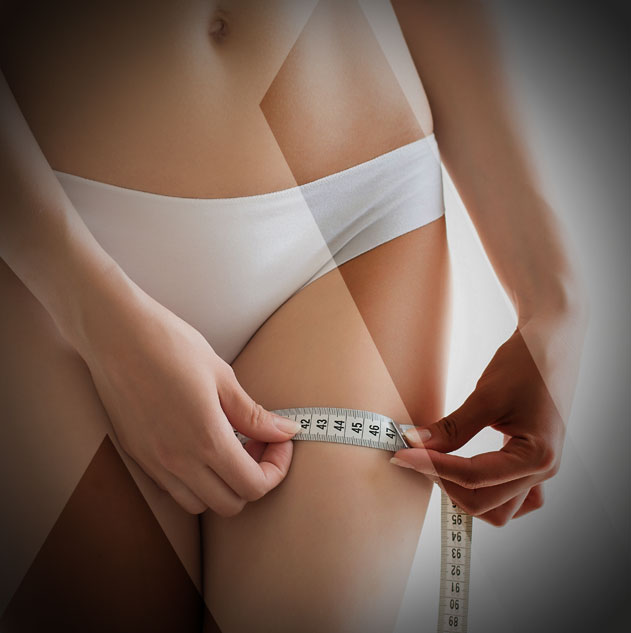
Doctors advise people who want a thigh lift to have a stable weight for at least 6 months (longer after bariatric surgery) and to be at or near their goal weight, because weight fluctuations interfere with the results.
What are the types of thigh lift surgery ?
There are several types of thigh lifting, your doctor will determine which one is best suited for you based on your condition and the results of your examination.
Inner thigh lift.
An inner thigh lift is the most common form of the surgery, during this procedure; the sagging skin of the inner thighs is treated through an incision from the top of the thigh towards the knee, or towards the back of the thigh area.
What is a thigh lift in Turkey and who is it for?
A thigh lift in Turkey, medically called thighplasty or thigh contouring, is an operation carried out by a plastic surgeon in a Turkish hospital to remove excess, loose skin and sometimes fat from the thighs and to tighten the tissues beneath, leaving the thighs smoother and firmer in outline. It is mainly done on people who have lost a large amount of weight, after bariatric surgery or after dieting, or whose skin has lost its elasticity with age, and who are left with folds of loose skin on the inner or outer thighs that cause irritation, rubbing and difficulty with clothes and activity. The operation is done under general anaesthesia, takes about two to four hours, and needs one to two nights in hospital. The scars are long and are the price of the result. Aram Clinic says it offers thigh lift in Turkey with partner surgeons, in an all-inclusive package covering your hotel stay, transportation and medical fees, at a price that can be among the lowest; these are the clinic’s own descriptions and should be verified in writing.
A thigh lift is for adults whose weight has been stable for at least six months, who are at or near their goal weight, who have loose skin that does not respond to diet and exercise, who are in good health, who do not smoke and who understand the scars, the recovery and the risks. It is not a treatment for fat or cellulite and it is not a weight-loss operation: it removes skin, and sometimes fat, but cannot remove a large amount of fat or smooth cellulite dimples.
This page answers the questions people ask most: what thigh lift is for and what it cannot do, which types exist (inner, mini, outer, vertical, with liposuction), who qualifies and when public health systems fund it after major weight loss, how much it costs in Turkey compared with the UK, what a package includes, whether it is safe, how the operation and the recovery work, what the scars and the results look like, what the risks are, how it combines with a tummy tuck or arm lift, how long to stay and what to check before you book. It draws on guidance from the NHS, the British Association of Aesthetic Plastic Surgeons, the British Association of Plastic, Reconstructive and Aesthetic Surgeons and the American Society of Plastic Surgeons, and on information supplied by Aram Clinic. It is general information, not medical advice: a surgeon must examine you before any operation.
Aram Clinic also publishes guides to tummy tuck, arm lift, liposuction, breast lift, Brazilian butt lift and buttock augmentation. For a personal estimate, use the free express quote.
What are the key facts about a thigh lift in Turkey at a glance?
| Question | Short answer |
|---|---|
| What does it do? | Removes loose skin (and some fat) from the thighs and tightens the tissue. |
| Operation time | About 2 to 4 hours. |
| Anaesthesia | General anaesthesia. |
| Hospital stay | Usually 1 to 2 nights. |
| Drains and garments | Drains in some cases; compression garment for several weeks. |
| Scars | Long: in the groin crease and sometimes down the inner thigh or around the hip. |
| Recovery | About 2 weeks before desk work; 6 weeks before strenuous activity. |
| Final result | Swelling settles over about 3 to 6 months; scars mature over 12 to 18 months. |
| Time to plan in Turkey | About 6 to 9 days. |
| Main risks | Wound-healing problems, wide scars, seroma, asymmetry, lymph swelling, blood clots. |
| Complication rate | Higher than for many cosmetic operations; wound problems are common. |
| Insurance | Cosmetic; NHS funding after major weight loss is limited; not covered abroad. |
These are typical ranges, not promises: your skin, your weight history and your healing decide the result. A mini lift in the groin and a full vertical lift are very different operations.
If you remember only one thing: a thigh lift trades loose skin for permanent scars and has more wound problems than most cosmetic operations, so choose the technique and the surgeon with care.
Why do thighs sag and which problems does a thigh lift treat?
The skin of the thighs, particularly on the inner side, is thin and has a high tendency to stretch. Skin that has been stretched by a large amount of weight loses its ability to retract, and, with ageing, loss of collagen and elastin makes it looser still, so that after major weight loss, whether from bariatric surgery such as a gastric sleeve or a gastric bypass or from diet, the thighs are left with hanging folds of skin. Pregnancy, genetics, sun damage and smoking also contribute. Loose thigh skin can cause skin irritation and rashes in the folds, chafing when walking or exercising, difficulty finding clothes that fit and, for some people, distress about their appearance. These functional problems are the reasons why thigh lifts are sometimes funded by public health systems after massive weight loss.
A thigh lift treats loose skin and, to a degree, the contour of the thigh. It does not treat cellulite, which is caused by fibrous bands under the skin, and it does not replace weight management. Women who describe a “saggy skin” problem around the thighs often have a mixture of loose skin and fat; the surgeon distinguishes them, since loose skin needs a lift and localised fat may be treated by liposuction. See the guide to liposuction in Turkey.
Ask the surgeon whether your problem is mainly skin, fat or both, and what each would need.
Tell the surgeon about your weight history and how long your weight has been stable.
What are the types of thigh lift: inner, mini, outer, vertical and with liposuction?
| Type | Where the incision is | Best for | Notes |
|---|---|---|---|
| Mini thigh lift | In the groin crease only. | Mild looseness in the upper inner thigh. | Shortest scar; limited effect; not suited to loose skin down to the knee. |
| Inner (medial) thigh lift, horizontal | In the groin crease, extending towards the back of the thigh. | Moderate looseness in the upper and mid inner thigh. | The most common form; the scar is hidden in the crease. |
| Inner thigh lift, vertical | From the groin down the inner thigh towards the knee. | Looseness extending down to the knee. | Longer, more visible scar; higher risk of wound problems and scar widening. |
| Outer (lateral) thigh lift or lower body lift | From the groin to the hip and lower back. | Loose skin of the outer thighs and buttocks, often after major weight loss. | Often combined with a tummy tuck; longer operation; see the tummy tuck guide. |
| Thigh lift with liposuction | As above, plus liposuction. | When excess fat is present with loose skin. | Liposuction is done carefully to protect circulation to the skin. |
There are several types of thigh lift, and your doctor decides which one suits you from your condition and your examination. The inner thigh lift is the most common form: the loose skin of the inner thigh is treated through an incision in the groin crease and, if needed, down the inner thigh towards the knee. The mini thigh lift is limited to an incision in the groin area and suits patients whose problem is the upper inner part of the thigh. The outer thigh lift treats the outer thigh through an incision that starts at the groin and extends to the hip and lower back. The vertical thigh lift removes a larger amount of skin through a long scar extending toward the knee; because of a higher risk of complications, it is reserved for selected cases and some surgeons advise against it. See the guide to tummy tuck for the lower body lift.
Ask which type is planned for you, where the scars will be and what the alternatives would be.
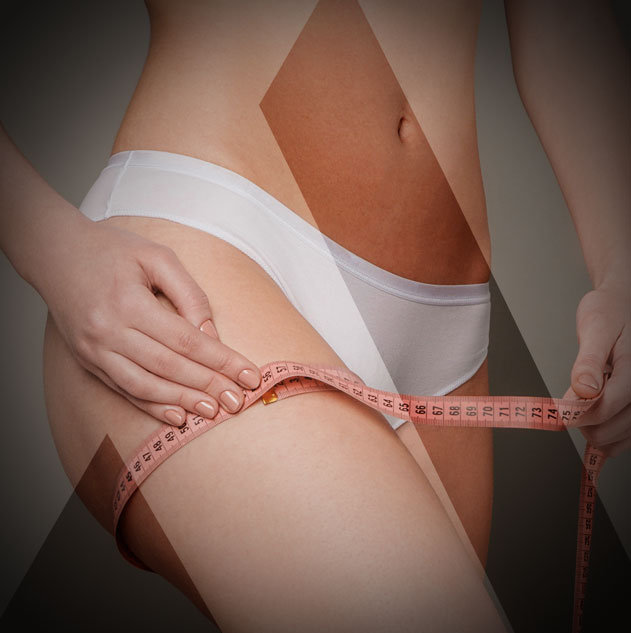
Mini Thigh Lift.
This procedure requires fewer incisions than other types of thigh lift, as it only involves an incision in the groin area.
This procedure is perfect for patients that wants to focus on the inner upper part of the thigh only.
External thigh lift.
An external thigh lift treats the outer parts of the thighs, this procedure involves an incision that begins in the groin area and then extends outward to the hip and lower back.
Vertical Thigh Lift.
If you want to remove a lot of excess skin in all areas of the thighs, then a vertical thigh lift can be your best choice.
This procedure involves a larger incision extending up to the knees, however, due to the high risk of complications, the surgeon may not recommend this type of thigh lift.
Thigh lift with liposuction.
In some cases, the thigh area may have poor skin elasticity, in this case; the surgeon may recommend liposuction in addition to the thigh lift surgery to help remove excess fat cells and prevent sagging of the skin.
Thigh lift, liposuction or both: how do I know which I need?
| Your situation | Usual answer | Why |
|---|---|---|
| Localised fat with good, elastic skin | Liposuction | Removes fat; skin retracts around the new contour. |
| Loose, hanging skin with little fat | Thigh lift | Skin must be removed; liposuction cannot tighten it. |
| Loose skin and excess fat | Thigh lift with liposuction | Fat reduction plus skin removal; careful technique. |
| Cellulite dimples only | Neither is reliable | Neither treats cellulite; discuss expectations. |
| Large weight still to lose | Weight loss first | Operations on the thighs should follow a stable weight. |
The statement that a thigh lift is “perfect” if your main goal is getting rid of unwanted fat in the thigh is wrong: a thigh lift removes skin, not significant fat. If your main problem is a pocket of fat with good skin, liposuction is the usual answer; if it is loose skin, a lift. A combination is common after weight loss. The choice depends on the degree of the problem, and the surgeon will pinch and measure your skin to decide. See the guide to liposuction in Turkey.
A surgeon who offers the same operation to every patient with “thigh problems” is not examining.
Who is a good candidate for a thigh lift and who should wait or avoid it?
The best candidates are healthy adults who have reached a stable weight, ideally close to their goal weight, with loose skin of the thighs, with or without extra fat, which causes irritation or distress, who do not smoke, who have realistic expectations and who accept the scars. Doctors advise a stable weight for at least six months, and for people who have had bariatric surgery, usually twelve to eighteen months or more, since weight fluctuations interfere with the results and further weight loss leads to more loose skin. Indications include excess skin with or without excess subcutaneous fat, skin defects along the inner thigh, and irritation and friction in the inner thighs. Cellulite is not an indication: a thigh lift does not remove it.
A thigh lift is postponed or avoided in people with a high degree of obesity or with a large amount of weight still to lose, uncontrolled chronic diseases of the heart, liver or kidneys, uncontrolled diabetes, bleeding or clotting disorders or a history of blood clots, active infection, a current cancer under treatment, pregnancy or breastfeeding, smoking, poor nutrition (common after bariatric surgery and a cause of poor healing), and unrealistic expectations or distress about appearance. Nutrition matters: ask for your protein, iron and vitamin levels to be checked if you have lost a lot of weight. A responsible surgeon will tell you honestly if you should wait.
Tell the surgeon about your weight history, any bariatric surgery, medicines and previous clots.
If you are still losing weight, wait: the result depends on a stable weight.
How do i know that thigh lifting is best for me?
The procedure is suited to you if your main problem is loose skin of the thighs (with or without some fat); if your main problem is a pocket of fat with good skin, liposuction may suit you better.
Choosing the right technique depends on the degree of the problem, so it is important to choose the most appropriate thigh lift method.
The surgery is considered for people with loose skin and visible stretch marks; other indications include:
- Excess skin without or with excess subcutaneous fat.
- Skin laxity that makes cellulite look pronounced (a thigh lift does not remove cellulite).
- Generally, skin defects appear along the inner thigh circumference.
- Irritation and friction in the inner thighs.
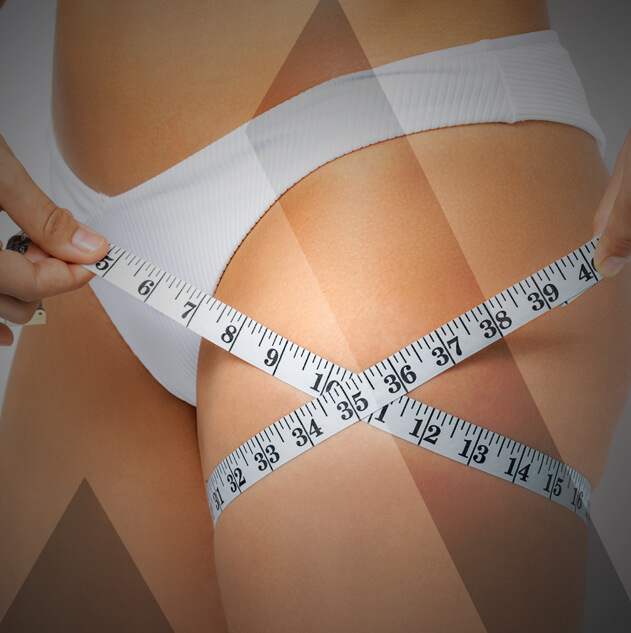
There are contraindications to this procedure :
- The presence of oncological diseases.
- Pregnancy and breast-feeding.
- A high degree of obesity.
- If you have chronic diseases of the heart, liver and kidneys.
- Diseases of the nervous system.
- Diseases associated with poor blood clotting.
- Body infection.
- Diabetic.
- Disorders of the endocrine system.
- Allergic reactions to the drugs used.
How to prepare for Thighplasty ?
Before the operation, there are some
preparations that
you need to do in order for you to be ready and to reduce the chance of any complications or
risks.
You must fast before the operation, usually for six to eight hours, as the anaesthetist instructs, because of the general anaesthetic.
You need to keep in
mind that thigh lift surgery is not a cure for obesity and is not a
substitute for diet and exercise, meaning you must reach and maintain a stable weight so
that the process can be effective, any further weight loss can lead to more loose skin and a poorer result.
You must also meet with your doctor prior to the operation; they will
need to perform some
tests on you to determine the condition of your health.
Diseases such as diabetes can
cause complications during rehabilitation and can be dangerous
during anesthesia and sedation, thigh lift surgery is best for patients who are in good
health and do not have serious pre-existing disease or medical conditions.
How much does a thigh lift cost in Turkey compared with the UK and the US?
The price of a thigh lift in Turkey depends on the type (mini, inner, outer, vertical), whether liposuction or other procedures are added, the surgeon and hospital, the length of the hospital stay, the compression garments and what the package includes. In general, quotes in Turkey are lower than in the UK, the US, Canada or Australia for private patients, which explains searches such as “thigh lift cost Turkey”, “thigh lift Turkey price” and “how much is a thigh lift in Turkey”. Aram Clinic states that it delivers the best prices and the lowest costs in a clinic with cutting-edge tools, and that its all-inclusive package covers your hotel stay, transportation and medical fees; the real difference depends on what you compare, so check the claim against a written quote and a quote from a surgeon at home. A promise of “the lowest prices” and a “once in a lifetime opportunity” are not reasons to choose a surgeon.
Compare like with like: the same type of lift, the same number of areas, the same hospital stay, the same anaesthetist, the same garments and the same terms for a revision. Thigh lifts are operations with a higher rate of wound-healing problems than most cosmetic surgery, so a very low price can mean a less experienced surgeon, a rushed assessment, fewer nights of monitoring or no provision for complications. Because a thigh lift is often combined with other operations after major weight loss, ask for the price of each part.
What should a written thigh lift quote include?
Operation : type of thigh lift, scars, liposuction if included.
Surgeon and hospital : names, specialty and licence.
Assessment : consultation, blood tests including nutrition if you have lost a lot of weight.
Anaesthesia and stay : general anaesthesia, nights in hospital.
Garments and medicines : compression garments, antibiotics, painkillers, clot prevention.
Follow-up : checks in Turkey and remote follow-up.
Travel services : transfers, hotel nights, interpreter.
Revision : terms and who pays, particularly for wound problems.
Payment terms : deposit, refund conditions, currency.
Aram Clinic does not publish fixed prices on this page because the cost depends on your case: request a free express quote with photographs of your thighs from the front, the sides and the back.
What is included in a thigh lift package and is it safe in Turkey?
An all-inclusive package is a single price intended to cover the main parts of the trip. Aram Clinic describes its package as covering your hotel stay, your transportation and your medical fees. A complete thigh lift package may also include the consultation and tests, the operation, general anaesthesia, the hospital stay, compression garments, medicines including blood-clot prevention, transfers, an interpreter or coordinator and follow-up. “All-inclusive” has no legal definition, so ask for the list in writing and check what is excluded: liposuction, combined procedures, extra nights, treatment of wound problems or revision, and the companion’s costs.
Is a thigh lift in Turkey safe? It can be, when performed by an experienced plastic surgeon in a licensed hospital on a suitable patient, with a proper assessment, anaesthesia with monitoring, a clot-prevention plan and follow-up. A thigh lift is a more demanding operation than many cosmetic procedures, with long scars in an area that moves, rubs and is prone to swelling, and wound-healing problems are common; the risk is higher after massive weight loss, in smokers and with long combined operations. Safety depends on the patient’s health and nutrition, the surgeon’s training and experience with body contouring, the hospital and the aftercare, not on the country. Statements that clinics have “cutting-edge tools” and “highly educated staff who will not rest until you are satisfied” are marketing, not guarantees.
Ask how many thigh lifts the surgeon performs each year and what the rate of wound problems is.
Be wary of promises of “the perfect body”: no clinic can guarantee how your skin will heal.
How do I prepare for a thigh lift and what tests are needed?
Before the operation, you have a consultation in which the surgeon examines your thighs and your general health, pinches and measures the skin, takes photographs, asks about your weight history and discusses the technique and the scars. Blood tests and an anaesthetic assessment are done; after major weight loss or bariatric surgery, tests for anaemia, protein, iron and vitamin levels are important, because poor nutrition slows healing. Diseases such as diabetes can cause complications during recovery and can be hazardous with anaesthesia, so thigh lift surgery is best for patients who are in good health, with no serious pre-existing disease. You must fast before the operation, usually for six to eight hours, as the anaesthetist instructs. Stop smoking and all nicotine products well before and after the operation (many surgeons ask for at least four to six weeks), since smoking markedly increases wound complications.
Your doctor will tell you to stop medicines that increase bleeding, such as aspirin, ibuprofen and other anti-inflammatory drugs, vitamin E and fish oil, usually for one to two weeks beforehand. Keep in mind that thigh lift surgery is not a cure for obesity and is not a substitute for diet and exercise: you must reach and maintain a stable weight, since further weight loss after the operation causes more loose skin. Arrange a companion, loose clothes, a place to rest with your legs raised, and time off work.
Send recent photographs, your weight history and your medical history in advance so that the surgeon can discuss the plan before you travel.
Ask for the consent form in English to read at home.
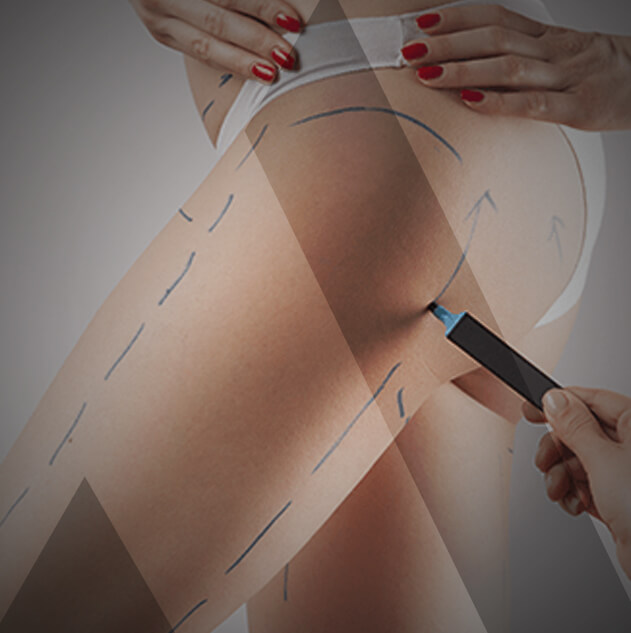
What happens during thigh lifting surgery?
Before a thigh lift, the doctor will instruct you to stop taking medications that may increase bleeding, these medications include aspirin, some nutritional supplements, and anti-inflammatory drugs such as ibuprofen.
You will be under general anesthesia during the operation so you won't feel any pain, and then the surgeon makes the appropriate incisions based on the type of thigh lift operation that was chosen.
Next, the doctor removes the excess skin and, where needed, fat, tightens the deeper tissue layer and closes the wound with stitches in layers.
On average, the procedure itself takes two to four hours, and since the patient will also spend several hours in the hospital before and after the operation, the entire operation can be expected to take most of the day.
How much time does it take to heal from thigh lift surgery?
After the operation, the surgeon will place bandages over
the incisions to help reduce
swelling; the doctor may also insert a tube to help drain excess blood and fluid from the
area, and you will need to make a follow-up appointment so that the doctor can remove the
bandages and see the progress and results of the operation.
Generally, you will need several weeks to recover from a thigh lift; you must also refrain from any hard exercise and heavy lifting for at least 6 weeks after the procedure, and wound-healing problems are common in the first weeks.
It is normal for the ankles to swell as you move more gradually.
Once
healed, there may be scars from where the surgeon made incisions to remove excess skin
around the thighs, when the operation is performed by an experienced surgeon, scars are placed in inconspicuous areas such as the groin crease where possible, but they are long and can be wide and visible, and no surgeon can promise that they will not be noticed.
How is a thigh lift performed step by step?
A thigh lift takes about two to four hours, depending on the type and on whether liposuction or other procedures are added, and is performed under general anaesthesia, so you feel nothing during the operation. The surgeon marks the skin to be removed with you standing, because the skin hangs differently lying down. After the anaesthetic, the surgeon makes incisions as planned: in the groin crease for a mini or inner thigh lift, extended along the inner thigh towards the knee for a vertical lift, or from the groin to the hip and lower back for an outer thigh lift. The excess skin, and where needed fat, is removed, the deeper tissue layer (the superficial fascial system) is tightened and anchored to a strong structure in the groin, which is the key to a lasting result and to keeping the scar from migrating, and the skin is closed in layers with stitches. Drains may be placed, and a dressing and compression garment are applied. Because the patient also spends time in preparation and recovery, the operation takes up most of the day.
You wake up in the recovery room with a compression garment and, in some cases, drains. You are monitored overnight or for two nights, helped to walk early and given painkillers and medicines to prevent clots.
Ask whether the deeper layer will be anchored and which scar position is planned.
Ask for the operative report to keep for future doctors.
What is the recovery after a thigh lift, week by week?
| Time | What to expect | What to do |
|---|---|---|
| Days 0 to 3 | Hospital; compression garment; drains in some cases; swelling, bruising and tightness in the thighs and groin; pain; limited walking. | Walk short distances often; legs raised when resting; take medicines; do not stretch the scars. |
| Days 4 to 14 | Swelling and bruising peak then decline; drains out; stitches inspected; walking with a slight stoop. | Keep the garment on; no squatting, wide steps or sitting with legs apart; desk work after about two weeks. |
| Weeks 2 to 6 | Swelling persists; ankles may swell as you move more; scars red. | Gradual walking; no heavy lifting or hard exercise for at least six weeks. |
| Weeks 6 to 12 | Return to exercise as cleared; thighs firmer. | Scar care as advised; avoid pulling on the groin scars. |
| Months 3 to 6 | Swelling settles; shape clearer. | Review with the surgeon. |
| Months 6 to 18 | Scars soften and fade, though they may remain wide. | Sun protection and scar care. |
After the operation, the surgeon places bandages over the incisions to help reduce swelling, and may insert drains to remove excess blood and fluid; you will need a follow-up appointment so that the doctor can remove the dressings and see how the operation is progressing. Generally, you need several weeks to recover from a thigh lift, and must avoid hard exercise and heavy lifting for at least six weeks. It is normal for the ankles to swell as you become more active. Once you have healed, there will be scars where the surgeon made the incisions to remove excess skin; when the operation is done by an experienced surgeon, the scars are often placed in inconspicuous areas, such as the groin crease, but they can be wide, visible and slow to fade, and no surgeon can promise that they will not be noticed. Wound-healing problems are common in the first weeks, and require close follow-up.
Call your surgeon or seek care if you have fever, spreading redness, pus, a wound that opens, a thigh that becomes very swollen or tense, severe pain, calf pain or breathlessness.
What results and scars can I expect from a thigh lift?
Most patients with loose thigh skin see a clear improvement in the contour of the thighs, which look smoother, firmer and slimmer in outline, and many report less rubbing and irritation, easier exercise and clothes that fit better. The final result is judged at about three to six months, when swelling has settled. The scars are the trade-off: thigh lift scars are long, and the thigh is an area of tension and movement, so they can become wide, raised or dark, and groin-crease scars can migrate downwards on to the thigh if the deeper tissue layer is not anchored well or if healing is poor; vertical scars on the inner thigh are visible in shorts or swimwear. A degree of asymmetry is common. Results are not permanent: further weight change, ageing and gravity act again on the skin, and some patients need a revision.
Searches for “thigh lift before and after Turkey” are frequent: ask for a series of cases like yours, with the scars, at six to twelve months or more, and with the same type of lift.
Keep your weight stable after surgery to keep the result.
Follow your surgeon’s advice on scar care and sun protection.
Complications of a thigh lift are not rare, and wound-healing problems in particular are common; you should discuss them with your doctor so that you understand the surgery.
Some of the risks are :
- Bleeding
- scarring.
- Infections.
- Skin discoloration
- Loss of skin elasticity.
- Fluid buildup.
- Deep vein thrombosis (blood clots in the legs).
- Complications on the heart or lung, wound breakdown, scar migration, asymmetry and lymphatic swelling.
What should I remember about a thigh lift?
Loose skin of the thighs can cause irritation, chafing and difficulty with clothes and movement, and for some people it is distressing.
A thigh lift can remove that loose skin, but it leaves long scars, has a high rate of wound problems, requires a stable weight and is not permanent; ask for the surgeon, the technique, the scars, the complication rate and the aftercare in writing before you decide, and Aram Clinic invites you to request a free quote.
What are the risks of a thigh lift and which signs are urgent?
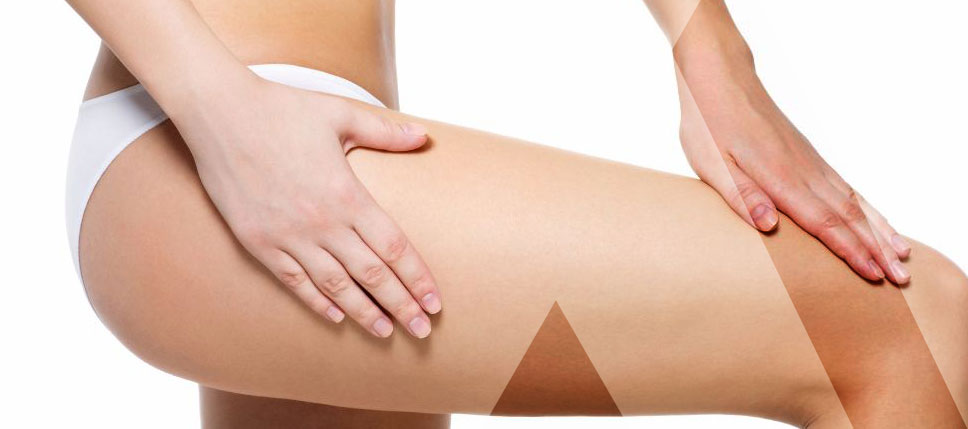
Serious complications of a thigh lift are not rare, contrary to some descriptions: thigh lifts have one of the higher complication rates among cosmetic body-contouring operations, and wound-healing problems in particular are common, so you need to discuss them with your doctor. Possible risks are bleeding and collections of blood (haematoma); wound breakdown (the incision opening), particularly in the groin and at the junction of scars, and delayed healing; infection; wide, raised or dark scars; migration of the scar downwards; fluid collections (seroma); skin discolouration; loss of skin elasticity and recurrence of laxity; asymmetry; distortion of the genital area, particularly in the inner thigh lift; lymphatic swelling (lymphoedema) of the legs, sometimes persistent; numbness or altered sensation; deep vein thrombosis, in which a blood clot forms in the legs and can travel to the lungs; complications of the heart and lungs related to anaesthesia; and the need for revision surgery.
Fever, spreading redness, pus or severe pain : possible infection: contact your surgeon and seek care.
A wound that opens or oozes : contact your surgeon; wound problems need early care.
A thigh that becomes very swollen, tense or bruised : possible haematoma or fluid: seek urgent care.
Calf pain, swelling or warmth : emergency: possible clot.
Sudden shortness of breath, chest pain or fainting : emergency: call emergency services.
Swelling of the whole leg that persists : see your surgeon: possible lymphatic problem.
You can reduce risks by choosing an experienced surgeon, a stable and healthy weight, good nutrition, stopping smoking, wearing the garment, walking early and following the aftercare.
If you develop a symptom after you return home, treat it as urgent: go to a hospital, tell them you had a thigh lift abroad and show your operative report, and contact the surgeon as well.
Can a thigh lift be combined with a tummy tuck, an arm lift or other body contouring after weight loss?
Yes, and after major weight loss, patients often need more than one area treated: the thighs, the abdomen, the arms, the breasts and the buttocks. A thigh lift is frequently combined with a tummy tuck or a lower body lift, which treats the abdomen, the flanks, the buttocks and the outer thighs in one circumferential operation, and with liposuction to refine areas of fat. An arm lift and a breast lift are usually done in a separate stage. The advantages of combining are one anaesthetic and fewer recovery periods; the disadvantages are a longer operation and a higher risk of blood clots, wound-healing problems and other complications as the duration and the area increase. Responsible surgeons limit the length of an operation, commonly to under about six hours, and stage the procedures over several operations, a few months apart.
A realistic plan for a person who has lost a lot of weight may involve two or three operations over a year or more, and a total cost and recovery time that is larger than for one operation. Ask the surgeon to explain the order and the timing, and whether a plan could be spread across more than one visit, since a short stay in Turkey can push towards combining more than is safe. See also the guides to Brazilian butt lift and buttock augmentation for the buttock area.
Combined operations lengthen the stay before you can fly.
A staged plan is usually safer than a single very long operation.
Is a thigh lift funded after massive weight loss, and when?
In some health systems, body-contouring surgery after massive weight loss, including a thigh lift, is funded when the loose skin causes recurrent infection, skin breakdown, pain or functional problems and when defined criteria are met. In the UK, NHS funding varies by area, is usually limited to patients who have had massive weight loss (often of a large number of kilograms or a body mass index change), whose weight has been stable for a period (commonly at least a year) and who have documented skin problems, and it is often rationed; in the US, insurers may cover panniculectomy or other contouring when medically necessary and documented. Cosmetic thigh lifts without such problems are generally not funded, and funding does not cover treatment abroad. If you have had bariatric surgery, ask your bariatric team about the local criteria before you decide to pay for private surgery.
Because funding may depend on documented symptoms and a waiting time, some patients choose private surgery at home or abroad; if so, keep records of your weight history, your photographs and any skin problems in case they are needed later.
Ask your GP or bariatric team about the local criteria, and keep the records.
Criteria change from year to year: check the current policy.
How long should I stay in Turkey for a thigh lift and when can I fly home?
Plan about six to nine days in Turkey: the consultation and tests, the operation, one to two nights in hospital, a check the next day or two, the removal of drains if used and a final check before you leave. For combined operations, plan longer, since the risks of travelling soon after a long operation are higher. The surgeon decides when you can fly, usually when drains are out, the wounds are healing and you can walk comfortably, with no sign of infection, bleeding or a clot; many surgeons advise waiting at least seven to ten days. Flying after surgery on the legs carries a clear blood-clot risk: wear compression stockings and your compression garment, walk around the cabin every hour, drink water, take any clot-prevention medicines prescribed and ask for an aisle seat. Avoid stretching or bending in ways that pull on the groin scars, and avoid lifting luggage. Flights to Istanbul take about three and a half to four hours from the UK and Western Europe and around nine to eleven hours from the US East Coast. Check the current visa or e-visa requirements for Turkey on the official government sites before you book, and make sure your passport is valid for the whole stay.
Take a companion, since walking, getting in and out of a seat and carrying luggage are difficult in the first days.
When you arrive home, arrange to see your doctor or a surgeon within the first week or two, and bring the operative report.
Do not book a non-refundable flight before the surgeon has confirmed the date.
How do I choose a surgeon for a thigh lift in Turkey, and what do reviews tell me?
| What to check | Why it matters | How to verify |
|---|---|---|
| Surgeon’s body-contouring experience | Thigh lifts have a high rate of wound problems. | Name, plastic surgery specialty, registration, number of thigh and body lifts per year, complication rate. |
| Technique and scars explained | Scar position and anchoring affect results. | Written explanation; where the scars will lie; whether the deeper layer is anchored. |
| Assessment of weight and nutrition | Poor nutrition slows healing. | Blood tests; stable weight confirmed; advice on protein and vitamins. |
| Hospital licence and monitoring | Long operations need a proper facility. | Licence from the Turkish Ministry of Health; anaesthetist identified; intensive care access. |
| Clot prevention | The legs and long operations raise clot risk. | Written protocol: stockings, early walking, medicines. |
| Staging and honest advice | Overlong combinations raise risk. | The surgeon proposes stages and refuses unsafe combinations. |
| Aftercare and revision terms | Wound problems appear after you return. | Written plan, contact available, revision terms. |
Ask for before-and-after photographs of patients like you, with the scars, at six to twelve months or more, and compare at least two proposals. Be sceptical of rankings such as “best thigh lift surgeon in Turkey”: there is no reliable public ranking. Reviews and photographs of body contouring are often selected, edited or sponsored, and early photographs show swelling rather than the scars that develop later. A second opinion from a surgeon in your own country on the plan and on staging is a sensible precaution. Aram Clinic says it works with a state-of-the-art facility and a highly educated medical team: ask for the surgeon and the hospital by name in writing and verify them yourself.
A surgeon who shows you the scars, explains the complication rate and proposes stages is more trustworthy than one who promises the perfect body for the lowest price.
What are the downsides of having a thigh lift abroad and does insurance cover it?
The main limits concern follow-up. Wound problems after a thigh lift typically appear in the second and third weeks, when most people have already flown home, and a wound that opens, a collection of fluid or an infection will have to be dealt with by your local doctors, some of whom are reluctant to take responsibility for an operation done elsewhere. A long wound-care period may mean repeated dressings and visits, and a revision may mean another trip or paying for surgery at home. A long journey soon after major surgery on the legs increases the risk of blood clots, and complications abroad are stressful and expensive. Legal recourse is more complicated across borders, and language and documentation differences can create misunderstandings.
Cosmetic thigh lift is not covered by public health systems or most insurance, except in the situations of massive weight loss described above, and funding does not cover treatment abroad; travel insurance usually excludes planned cosmetic surgery and its complications, so a specialist policy is needed, and you must read the exclusions. In the UK, the NHS provides emergency and necessary care but does not usually fund cosmetic revisions, and some private surgeons are reluctant to treat complications from surgery done abroad or charge for it. Before you travel, ask the clinic in writing what happens if a wound breaks down or you need a revision: who treats it, where, how much you pay and whether travel is covered.
Identify a surgeon or doctor at home who will see you in the first weeks, and keep every document: the quote, consent form, operative report, medicines list and photographs.
If you cannot arrange these, or if your case is complex, having the operation at home may be the safer choice, even at a higher price.
Should I use a medical tourism agency, and how do I plan the trip and the process with Aram Clinic?
Some patients use agencies that organise the trip and introduce them to a clinic, often through social media or messaging apps. This can simplify logistics, but it creates a conflict of interest when the agency is paid a commission by the clinic: its incentive is to sell a package. An agency is not a surgeon and cannot replace a consultation. Warning signs include fixed prices before any assessment of your photographs, promises of the perfect body, pressure to book quickly, many procedures in one day and the refusal to name the surgeon. Ask for the contract in writing, naming the clinic and the surgeon, and ask Aram Clinic what its exact role is and how complaints are handled.
Plan six to nine days, choose a hotel near the hospital with a lift, bring a companion and pack loose clothes, compression stockings and your medicines. Aram Clinic describes a simple journey: you request a free quote online with photographs and your weight and medical history; the medical team reviews them and a surgeon or coordinator discusses your case, usually by video; you receive a written proposal and decide without pressure; you travel and are met on arrival; after the consultation and tests, the operation takes place at the partner hospital; and you return home with a medical report and a plan for follow-up, with remote contact. These are the clinic’s own descriptions: check that the surgeon and the hospital are named in writing, that the technique and the scars are explained and that the quote lists what is included.
The first step is simple: complete the free express quote with your photographs, or learn more about Aram Clinic.
A responsible team will tell you if a thigh lift is not the right operation for you, or if you should wait for a stable weight.
What aftercare do I need at home and what questions should I ask before booking?
Aftercare begins before you leave, with written instructions on the garment, wound care, drains, activity, medicines and warning signs. At home, wear your compression garment as advised, keep your legs raised when resting, walk several times a day, avoid squatting, wide steps, sitting with your legs apart, heavy lifting and strenuous exercise for at least six weeks, keep wounds clean and dry, attend a check-up with a local doctor within the first week or two and report any wound problem promptly. Use the scar care your surgeon recommends once the wounds have healed, protect the scars from the sun for at least a year, keep a stable weight and do not smoke.
Do I need a thigh lift : has a surgeon examined my skin and compared liposuction, and checked my weight stability?
Which type and which scars : and will the deeper layer be anchored?
Who will operate and in which hospital : how many thigh lifts do they perform each year, and what is their wound-problem rate?
What are the risks in my case : including wound breakdown and clots?
Should this be staged : if I need several areas treated?
How long should I stay : and when will the surgeon clear me to fly?
What is included in the quote : extra nights, wound care, revision?
Who will see me at home : have I arranged a surgeon or doctor for wound care?
Write your questions down and ask for the answers in writing. Take your time: a thigh lift is a planned operation that can be prepared over weeks, and no discount is worth deciding under pressure. A second opinion from a surgeon in your own country is a sensible precaution.
A team that examines you, explains the scars and the high rate of wound problems, proposes stages and advises against surgery when it is not appropriate is more trustworthy than one that promises the perfect body at the lowest price.
Thigh lift in Turkey: a stable weight and the right technique first, an experienced body-contouring surgeon and a plan for wound care second, the price last
A thigh lift in Turkey removes loose skin, and sometimes some fat, from the thighs and tightens the deeper tissue layer through a scar in the groin crease that may extend down the inner thigh or round to the hip, in an operation of two to four hours under general anaesthesia, with one to two nights in hospital, a stay of about six to nine days, a compression garment for several weeks, no strenuous exercise for six weeks and a result judged at three to six months. It is for people with a stable weight, usually after major weight loss, whose loose skin causes irritation or distress; it does not remove cellulite or large amounts of fat, liposuction suits localised fat with good skin, and some patients need both. The scars are long and can widen or migrate, wound-healing problems are common, and risks include seroma, infection, asymmetry, lymphatic swelling and blood clots, so the surgeon’s body-contouring experience, good nutrition, a stable weight, no smoking, a clot-prevention plan and wound-care follow-up at home matter more than the price. Combining thighs with the abdomen, arms and breasts is common after weight loss but is safer in stages. Quotes in Turkey are lower than in the UK or the US and packages bundle the hotel, fees and transfers, but wound problems usually appear after you are home, funding at home after massive weight loss does not cover treatment abroad, and cosmetic surgery abroad is not covered by insurance.
Before booking, send photographs of your thighs and your weight history for a remote assessment, ask which type of thigh lift and which scars are planned, whether the deeper layer will be anchored, how many thigh lifts the surgeon performs each year, what their wound-problem rate is, whether staging is advised, what the quote includes and who will see you after your return. If your project is ready, the next step is to send your photographs to the Aram Clinic team through the free express quote, so that they can review your case and propose a written plan that you can discuss with a surgeon of your own choice, without pressure.
Official sources to consult
This page draws on the sources below. Guidelines and rules change: always consult the current version and your own surgeon’s advice.
NHS : nhs.uk : advice on cosmetic procedures and cosmetic surgery abroad; information on surgery after weight loss.
British Association of Aesthetic Plastic Surgeons (BAAPS) : baaps.org.uk : patient information on body contouring and surgery abroad.
British Association of Plastic, Reconstructive and Aesthetic Surgeons (BAPRAS) : bapras.org.uk : patient guidance on body contouring after weight loss and choosing a surgeon.
American Society of Plastic Surgeons (ASPS) : plasticsurgery.org : patient guide to thigh lift and safety.
British Obesity and Metabolic Surgery Society (BOMSS) : bomss.org : guidance on body contouring after bariatric surgery.
Joint Commission International : jointcommissioninternational.org : international accreditation (verify any claim on the accreditor’s site).
Republic of Türkiye Ministry of Health : saglik.gov.tr : licensing of health facilities and health tourism.
UK Government and US State Department travel advice : gov.uk and travel.state.gov : entry requirements and health travel advice.