+44 20 7903 7116


 +44 20 7903 7116

The chin has a strong influence on the balance of the face, particularly in profile.
For some people, a chin that looks out of proportion affects confidence, and a better-balanced profile can help, although results and satisfaction vary.
Chin augmentation is one way to change the chin, with an implant, fat, filler or a bone operation, and it is surgery with real risks.
Aram Clinic organises chin augmentation in Turkey with partner surgeons; ask for the surgeon’s name, specialty and experience, and compare options before you decide.
Aram Clinic invites you to request a free quote.
Turkey is a well-known destination for aesthetic surgery, with a large number of clinics of varying quality.
Aram Clinic says it applies high standards in choosing its partners and doctors; ask for the surgeon and the clinic by name and verify them yourself.
The clinic says that its prices are reasonable and that its all-inclusive package covers your hotel room, your transportation and your medical fees; ask for the exact list of inclusions and exclusions.
According to the clinic, chin augmentation in Turkey costs about 50% less than elsewhere; check this against written quotes.
Price is only one factor: the surgeon’s experience, the implant and the follow-up matter more.
What is chin augmentation surgery?
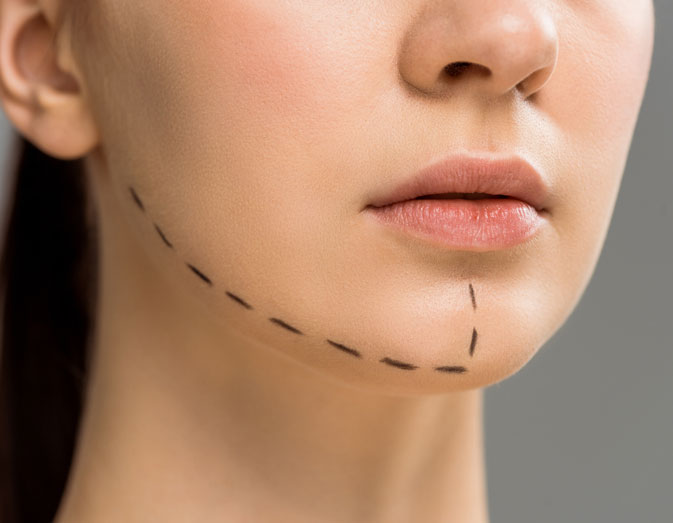
Chin augmentation is a cosmetic surgery used to add projection and definition to the chin and to improve the proportions of the face. It is a short operation, but it is surgery in a delicate area, and results vary.
This surgery is popular among people with a small or receding chin or a weak jawline, but it may also suit those who wish to change the shape of the lower face.
It is also chosen by people who want to change the shape of their chin for aesthetic reasons and to give more definition to the jawline.

What are the preparations for chin augmentation?
The operation is short, but it needs proper preparation.
During your appointment, ask any questions you have; it is important to be clear about the result you hope to get, and to hear what is realistic.
The doctor will also review your medical history and the medicines you take, and examine your profile, your teeth and your jaw.
Brush your teeth well before the operation to reduce the risk of infection, particularly if the implant is placed through the mouth.
It is important to avoid anti-inflammatory medicines, aspirin and some supplements for about one to two weeks before the operation, unless your doctor advises otherwise, to reduce the risk of bleeding.
You should also quit smoking for at least two weeks before and after the operation to help
the recovery process.
What is chin augmentation (chin implant) in Turkey and who is it for?
Chin augmentation in Turkey is a cosmetic operation, carried out by a plastic or maxillofacial surgeon in a Turkish clinic or hospital, that increases the projection or the size of the chin so as to balance the profile and the proportions of the face. The most common method is a chin implant: a small, shaped piece of solid silicone (or another biocompatible material) is placed over the front of the chin bone through a small incision inside the mouth or under the chin, in a procedure of about 30 to 60 minutes under local anaesthesia with sedation or general anaesthesia. The chin can also be enhanced without a solid implant, by fat grafting or hyaluronic acid filler, and, for larger or more complex changes, by moving the chin bone itself (a sliding genioplasty, which has its own guide: see genioplasty). Aram Clinic says it offers chin augmentation in Turkey with partner surgeons, in an all-inclusive package covering your hotel room, transportation and medical fees, at about half the price elsewhere; these are the clinic’s own descriptions and should be verified in writing.
Chin augmentation is for adults, whose facial growth is complete, who have a small or receding chin (microgenia) or a weak jawline that makes the profile look unbalanced, who want a more defined chin, who have been assessed for the nose, the jaw and the teeth, and who understand the operation, the recovery and the limits. It is often combined with rhinoplasty, because the chin affects how large the nose appears. It does not treat a jaw that is too far back as a whole, a bite problem or a double chin from fat, which need other operations.
This page answers the questions people ask most: what a chin implant is and how it differs from genioplasty, fat and filler, which materials and shapes exist, who is a candidate, how much chin augmentation costs in Turkey, whether it is safe, how the operation and recovery work, what the risks are, how long the implant lasts and whether it can be removed, how long to stay and what to check before you book. It draws on guidance from the NHS, the British Association of Aesthetic Plastic Surgeons, the American Society of Plastic Surgeons and the American Association of Oral and Maxillofacial Surgeons, and on information supplied by Aram Clinic. It is general information, not medical advice: a surgeon must examine you before any operation.
If you are also looking at other facial procedures in Turkey, Aram Clinic publishes guides on rhinoplasty, ultrasonic rhinoplasty, facelift, eyelid surgery and hyaluronic acid fillers. For a personal estimate, use the free express quote.
What are the key facts about chin augmentation in Turkey at a glance?
| Question | Short answer |
|---|---|
| What does it do? | Increases the projection or size of the chin to balance the profile. |
| Standard method | A solid silicone chin implant placed over the chin bone through a small incision. |
| Operation time | About 30 to 60 minutes. |
| Anaesthesia | Local anaesthesia with sedation, or general anaesthesia. |
| Hospital stay | Day case. |
| Incision | Inside the mouth (no skin scar) or under the chin (small hidden scar). |
| Recovery | Swelling and bruising for 1 to 2 weeks; soft diet for several days; a tape or dressing for about a week. |
| Final result | About 3 months for most of the swelling; fully settled in a few months. |
| Time to plan in Turkey | About 4 to 6 days. |
| Main risks | Infection, shifting of the implant, numbness, asymmetry, bone thinning under the implant, need for removal or replacement. |
| Durability | Long-lasting but not guaranteed for life; can be removed or replaced. |
| Insurance | Cosmetic chin augmentation abroad is not covered; check travel insurance. |
These are typical ranges, not promises: your surgeon decides from your face and your healing. A small implant for a mild deficiency and a large change in a complex profile are very different cases.
If you remember only one thing: a good chin operation starts with a profile assessment of the whole face, including the nose and the jaw, not with choosing an implant size.
What are the types of chin augmentation: implant, fat, filler and genioplasty?
| Option | What it does | Best for | Limits |
|---|---|---|---|
| Chin implant | A shaped solid implant is placed over the chin bone. | Mild to moderate lack of projection; relatively short operation. | Can shift, can thin the bone beneath, can become infected; foreign material; limited for large changes. |
| Sliding genioplasty | The chin bone is cut, moved forward and fixed with plates and screws. | Larger or more complex changes; a vertically short chin; asymmetry. | Bone surgery; longer recovery; nerve risk; see the genioplasty guide. |
| Fat grafting | Your own fat is injected into the chin. | Mild contour changes; natural feel. | Part of the fat is reabsorbed; limited volume. |
| Hyaluronic acid filler | A gel is injected into the chin. | A trial of the shape; mild changes without surgery. | Temporary, usually 9 to 18 months; repeated costs; rare vascular risks. |
| Orthodontics or jaw surgery | Moves teeth or the whole jaw. | Bite problems and jaw deficiency. | More extensive; often with an orthodontist. |
Chin augmentation is a cosmetic surgery used to give the chin and jawline more definition and projection and to improve the proportions of the face. It is popular among people with a receding chin or a weak jawline, but it may also help those who want to change the shape of the lower face. The choice between these options depends on how much change is needed, the quality of the bone and soft tissue, your teeth and bite, your preference about foreign material and your tolerance of a longer recovery. See the guide to hyaluronic acid fillers for the non-surgical option and the guide to genioplasty for the bone operation.
A good surgeon will explain why they recommend one option for your chin and what the alternatives would give.
What are chin implants made of and how are the size and shape chosen?
Most chin implants are made of solid silicone elastomer, which is soft but firm, stable and well tolerated, and can be removed if necessary; the implant is not a gel and cannot leak. Some surgeons use porous polyethylene, which allows tissue to grow into its surface and so may be more stable but is harder to remove, or other materials. Implants come in several shapes: a central or “button” implant that projects the middle of the chin; an extended or “wrap-around” implant that also widens the chin and extends along the jawline; and an anatomical implant that follows the shape of the bone. Sizes are chosen according to the measurements of your profile, the width of your chin and your preference; custom implants made from a CT scan are available for complex cases, at higher cost. Searches such as “custom chin implant Turkey” and “chin and jaw implant Turkey” show that some patients want more than a standard implant.
The size should match the face: an implant that is too large looks artificial, may cause the soft tissue to thin and can increase the risk of complications, whereas one that is too small gives little change. Many surgeons advise a moderate size and use a simulation or a filler trial to help you visualise the result. Ask the surgeon which implant will be used, its material and size, and to give you the manufacturer’s implant card.
Ask whether the implant is fixed with a screw and whether it is placed under the periosteum or in a pocket over it.
Refuse any implant that is not from a recognised manufacturer or that the surgeon cannot identify.
Chin implant or genioplasty: which is better for me?
Both can improve the projection of the chin. A chin implant is a shorter operation with a quicker recovery, can be removed, and suits a mild to moderate lack of projection. A sliding genioplasty uses your own bone, so there is no foreign material, the result is permanent, and the chin can be moved in several directions, including backward and vertically, and by larger amounts, but it is a bone operation with a longer recovery, a greater risk of numbness and a need for plates and screws. An implant cannot reduce a chin and is limited in the change it can give. Many surgeons prefer an implant for modest advancement and a genioplasty for larger or more complex changes, and some patients try a filler first to preview the result. See the guide to genioplasty in Turkey.
The right choice depends on your anatomy, your teeth and bite and your preferences; a thorough surgeon will present both options and their risks honestly. If a clinic offers only one technique to every patient, be cautious.
Ask how many implants and how many genioplasties the surgeon performs each year.
Ask what happens to the implant and the bone if you later want it removed.
Who is a good candidate for chin augmentation and how is the profile assessed?
The best candidates are healthy adults whose facial growth has finished, who have a chin that is out of balance with the face on a profile assessment, whose teeth and bite have been checked and who have realistic expectations. The surgeon examines your face at rest and in profile, takes photographs, measures the position of the chin in relation to the lips, the nose and the jaw, and may use X-rays or a CT scan. One simple guide is that in a balanced profile the front of the chin lies near a vertical line dropped from the lower lip or the base of the forehead; a chin well behind it is receding. Many people who think they have a small chin in fact have a large nose, a recessed jaw or a bite problem, and the right operation may be a rhinoplasty, orthodontics or jaw surgery. The surgeon will also look for excess fat under the chin, which may be treated by liposuction.
Chin augmentation is generally postponed or avoided in people who are still growing, who have an active infection of the mouth or jaw, uncontrolled medical conditions or bleeding disorders, a significant bite problem or jaw deficiency that needs orthognathic surgery, or unrealistic expectations or body-image distress. A surgeon will tell you honestly if the chin is not the problem.
Bring photographs of your profile, and of faces you like, to the consultation.
Tell the surgeon about any dental work, braces, jaw problems or previous facial operations.
How much does chin augmentation cost in Turkey compared with the UK and the US?
The price of chin augmentation in Turkey depends on the technique (implant, fat, genioplasty), the material and whether the implant is standard or custom, the surgeon and clinic, the anaesthesia, whether it is combined with another operation such as rhinoplasty and what the package includes. In general, quotes in Turkey are lower than in the UK, the US, Canada or Australia, which is why searches such as “chin implant cost Turkey”, “chin implant Turkey price” and “how much is a chin implant in Turkey” are made. Aram Clinic states that its all-inclusive package covers your hotel room, transportation and medical fees, and that chin augmentation in Turkey costs about 50 percent less than elsewhere; the real difference depends on what you compare, so check the claim against a written quote and a quote from a surgeon at home.
Compare like with like: the same type and brand of implant, the same anaesthetic, the same surgeon level and the same terms for a revision. A very low price can mean an unbranded implant, an inexperienced surgeon, a rushed consultation or no provision for complications. If your quote is for a combined operation, ask for the price of each part.
What should a written quote include?
Operation : implant, fat, filler or genioplasty, and any combined procedure.
Implant : brand, material, shape and size, with an implant card.
Surgeon and clinic : names, specialty and licence.
Anaesthesia and stay : type; day case or night.
Medicines and aftercare : antibiotics, painkillers, mouthwash, tape.
Travel services : transfers, hotel nights, interpreter.
Revision and removal : terms and who pays.
Payment terms : deposit, refund conditions, currency.
Aram Clinic does not publish fixed prices on this page because the cost depends on your case: request a free express quote with photographs of your profile.
What is included in an all-inclusive chin augmentation package and is it safe in Turkey?
An all-inclusive package is a single price intended to cover the main parts of the trip. A complete package for chin augmentation may include the consultation and any imaging, the operation, anaesthesia, the implant, medicines, dressings, transfers, hotel nights, an interpreter or coordinator, a medical report and remote follow-up. “All-inclusive” has no legal definition, so ask for the list in writing and check what is excluded: a combined procedure, extra nights, treatment of complications or a revision, and the companion’s costs.
Is chin augmentation in Turkey safe? It can be, when performed by an experienced surgeon in a licensed facility on a suitable patient, with a recognised implant and follow-up. Safety depends on the patient’s health, the surgeon’s training, hygiene, the implant and the aftercare, not on the country. Descriptions such as “very simple” and “some of the best surgeons in the world” are promotional: check the surgeon’s name, specialty and experience with chin and facial surgery, and be cautious about any clinic that calls the operation risk-free.
Ask how many chin augmentations the surgeon performs each year and what the plan is if a complication occurs.
Be wary of promises of the “best results possible” or “the jawline you always dreamed of”: no clinic can guarantee how your face will respond.
How do I prepare for chin augmentation and what tests are needed?
Before the operation, you have a consultation in which the surgeon examines your face, the chin, the lower lip and the teeth, takes photographs, discusses what you want and what is possible, and may order a dental X-ray, a lateral skull X-ray or a CT scan. You should ask any questions you have, and it is important to be clear about the result you hope to get. The surgeon reviews your medical history and the medicines you take. Blood tests and an anaesthetic assessment are done if you will have sedation or general anaesthesia. Brush your teeth well before the operation, and use an antiseptic mouthwash if advised, to reduce the risk of infection, particularly if the implant is placed through the mouth. Avoid anti-inflammatory medicines, aspirin, vitamin E, fish oil and some herbal products for about one to two weeks before surgery, unless your doctor advises otherwise, to reduce the risk of bleeding. Stop smoking and nicotine for at least two weeks before and after the operation (many surgeons ask for longer) to help healing. Fast as instructed.
Plan a companion, accommodation near the clinic, soft foods and an antiseptic mouthwash, and time off work. Send recent photographs of your profile and front view, and any dental X-rays, in advance so that the surgeon can discuss the plan before you travel.
Ask for the consent form in English to read at home.
Ask who the surgeon and the anaesthetist will be, and whether the operation will be done in a hospital.
How is a chin implant placed, step by step?
A chin implant operation is a relatively short procedure that usually takes about 30 to 60 minutes, and it is performed under local anaesthesia with sedation or under general anaesthesia, so that you do not feel pain during the operation. The surgeon makes a small incision, either inside the mouth, in the lower lip near the gum (no scar on the skin), or in a small crease just under the chin (a small scar, hidden under the chin), depending on the size, shape and position of the implant and on the surgeon’s preference. Through the incision, the surgeon creates a pocket over the front of the chin bone, in the layer beneath the membrane that covers the bone or in the tissue over it, taking care to avoid the mental nerves that emerge from the bone on each side. The implant is inserted into the pocket and positioned, sometimes secured with a small screw or sutures, and the surgeon checks the symmetry and the position. The incision is closed with stitches, usually dissolving, and a dressing or tape supports the chin.
In a fat graft or filler procedure, the substance is injected through a needle or cannula, without a surgical incision. After a chin implant, you rest for a short time in the clinic and usually go home or to the hotel the same day, with instructions on diet, mouth care, medicines and warning signs.
Ask which implant and which incision are planned for you, and why.
Ask whether the implant will be fixed and how the nerves will be protected.

What happens during the chin augmentation procedure ?
A chin implant operation is short, usually about 30 to 60 minutes, but it is still surgery.
You should not feel pain during the procedure, which is performed under local anaesthesia with sedation or under general anaesthesia; afterwards, you will have swelling and discomfort.
The surgeon makes a small incision in a crease just below the chin or, alternatively, inside the mouth, depending on the size, shape and position of the implant.
Next, the implant is inserted through the incision into a pocket over the chin bone and positioned; after placing it, the surgeon finishes the operation by closing the incision with stitches.
How to take care after chin augmentation ?
After chin augmentation you may have some discomfort, and swelling is expected.
The swelling will be decreased in the weeks following the procedure, however you should
expect a small amount of swelling to remain for about three months.
You can use cold compresses, such as ice packs, to help reduce swelling, as well as any
bruising or discomfort.
Because of the swelling and sensitivity of the chin area, a healthy diet of soft or liquid
food must be adhered to for a week. You should Avoid excessive chewing so that the recovery
can be faster.
Most people experience only minor side effects, but you should talk to your doctor if any sign of infection appears.
Your doctor will also prescribe you some pain relievers and you will have to make sure you
go to your follow-up appointments so that the doctor may see how the operation is
progressing.
What is the recovery timeline after chin augmentation and what can I eat?
| Time | What to expect | What to do |
|---|---|---|
| Days 0 to 3 | Swelling, bruising, tightness; numbness of the chin and lip; tape or dressing. | Head raised; cold compresses as advised; soft cool foods; mouthwash after eating. |
| Days 4 to 7 | Swelling and bruising at their peak then declining; dressing removed around day 5 to 7. | Soft diet; avoid excessive chewing and pressure on the chin. |
| Weeks 2 to 3 | Most bruising faded; some swelling remains; many return to desk work. | Gradually return to normal foods; avoid knocks. |
| Weeks 4 to 6 | Residual swelling; sensation returning. | Normal diet; gentle activity. |
| Months 3 to 6 | The swelling settles; the final shape is clear. | Review with the surgeon. |
After chin augmentation you may have some discomfort, and swelling is expected. The swelling decreases over the weeks following the procedure, but a small amount can remain for about three months. You can use cold compresses to reduce swelling, bruising and discomfort in the first days. Because of the swelling and sensitivity of the chin area, follow a soft or liquid diet for about a week, avoid excessive chewing so that recovery is faster, rinse your mouth after eating if the incision is inside the mouth, and avoid knocks and strenuous activity. Numbness or tingling of the lower lip and chin is common and usually improves over weeks to months. Your doctor prescribes painkillers and sometimes antibiotics, and you must go to the follow-up appointments so that the surgeon can see how the operation is progressing. Most people experience only minor side effects, but you should talk to your doctor if you have any sign of infection.
Call your surgeon or seek care if you have fever, pus, increasing swelling or pain, difficulty breathing or swallowing, an implant that seems to move or a wound that opens.
What results can I expect and how long does a chin implant last?
The change in chin projection is visible straight away, although it is hidden by swelling, and the result improves as the swelling goes down over about three months, with the final shape judged at about three to six months. A well-chosen implant gives a stronger, better-balanced chin and a more harmonious profile, and many patients feel more confident. A chin implant is long-lasting: it does not have to be replaced at fixed intervals, as breast implants sometimes do, and many remain in place for decades. It is not guaranteed for life, however: implants can shift, the bone beneath can gradually thin, the soft tissue can change with age and weight, and some people ask for removal or replacement. The implant can be removed, and the chin generally returns towards its previous shape, although the bone beneath may remain slightly changed.
Results are not guaranteed, and the operation changes the chin, not the whole face: if the profile imbalance involves the nose or the jaw, the chin alone may not give the result expected. Searches for “chin implant Turkey before and after” are common; photographs should be read with care, at three to six months, in the same pose and light.
A planned combination with a rhinoplasty can give a more harmonious profile than either operation alone.
If you are unhappy with an asymmetry, wait at least six months before considering a revision.
What are the risks and complications of chin augmentation and which signs are urgent?
Chin augmentation is a common operation with a low rate of serious complications in experienced hands, but it is surgery in a delicate area, and it has risks, which are not trivial: the claim that it is a “very simple and efficient procedure” should not hide them. Common and usually temporary effects are swelling, bruising, tightness and a feeling of numbness or tingling of the lower lip and chin. Other risks include infection of the wound or around the implant, which can require antibiotics or removal of the implant; shifting or rotation of the implant, producing an asymmetric or displaced chin; injury or stretching of the mental nerve, causing numbness that is occasionally prolonged or permanent; asymmetry; a visible or palpable edge of the implant; thinning of the bone beneath the implant over time; erosion or exposure of the implant through the skin or mouth lining; scarring; a reaction to the implant material, including, rarely, an allergic reaction; complications of anaesthesia; bleeding or haematoma; and dissatisfaction, which may lead to removal or replacement. Damage to the roots of the lower teeth is a risk of bone surgery and of screw fixation.
Fever, pus, increasing redness or pain : possible infection: contact your surgeon and seek care.
Rapidly increasing swelling, difficulty breathing or swallowing : emergency: go to a hospital.
An implant that seems to have moved, or a visible edge : contact your surgeon.
Numbness that is getting worse after the first weeks : tell your surgeon.
A wound that opens or an implant visible through the skin or mouth lining : contact your surgeon urgently.
You can reduce risks by choosing an experienced surgeon, a recognised implant of the right size, good mouth hygiene, avoiding smoking, following the aftercare and attending check-ups.
If you develop a symptom after returning home, see a doctor or an oral and maxillofacial surgeon, tell them you had chin augmentation abroad and show your operative report, and contact the surgeon as well.
Chin augmentation can give good results in suitable patients, but it may not be the best solution for you, for financial, medical or anatomical reasons.
There are alternatives, although they do not all give the same result.
Fillers.
Chin fillers provide immediate results with little or no downtime and a lower initial cost than an implant.
However, they are temporary: usually about 9 to 18 months, so the treatment must be repeated; they give a smaller change than an implant or a bone operation and are useful for mild changes or to preview a result.
Facelift.
If your concern is loose skin around the chin and jawline, a facelift may be more suitable than an implant.
A facelift tightens skin and tissues; it does not add chin projection, so it is not a treatment for a small or receding chin.

Sliding genioplasty.
Another form of chin surgery, in which the surgeon cuts the front of the chin bone, moves it forward (or in another direction) and fixes it with small plates and screws.
It is best for those who need a larger or more complex change, but it involves a longer recovery and a greater risk of numbness; see the genioplasty guide.
What are the risks of chin augmentation surgery ?
Chin augmentation is a common operation, but it comes with risks that you need to be aware of.
Your doctor will go over these risks in detail when you meet. Some of these risks are:
- Swelling.
- Infection.
- Complications from anesthesia.
- Nerve damage.
- Shifted implant, asymmetry, or an implant that needs to be removed or replaced.
- Allergic reaction.
Are chin fillers a good alternative to a chin implant?
Chin fillers, usually hyaluronic acid, can improve the projection and shape of the chin without surgery, with immediate results, little or no downtime and a lower initial cost than an implant. They are useful for a mild deficiency, to preview the effect of a larger operation and for people who do not want surgery. They are temporary: hyaluronic acid fillers in the chin usually last about nine to eighteen months, depending on the product and the amount, so the treatment has to be repeated, and the cost accumulates over time. They are not as precise as sometimes claimed, and the shape can change as the filler spreads or is reabsorbed. Risks include bruising, lumps, asymmetry, infection and, rarely, blocked blood vessels, which is an emergency. They cannot give as large a change as an implant or a genioplasty. See the guide to hyaluronic acid fillers in Turkey.
A facelift, sometimes mentioned as an alternative, tightens sagging skin and tissues of the face and neck; it is not a treatment for a small or receding chin, and it does not add chin projection. A surgeon may combine a chin implant with a facelift or neck surgery in an older patient, when both the chin and the skin need attention.
A good surgeon will propose the solution that fits your face: filler for a mild or trial change, an implant for moderate projection, a genioplasty for larger changes, and a facelift or neck surgery for sagging.
Be wary of any clinic that proposes a facelift to treat a small chin.
Can chin augmentation be combined with rhinoplasty or other facial surgery?
Yes. Chin augmentation is often combined with rhinoplasty, because the nose and the chin together define the profile: a modest nose can look larger when the chin is weak, and a stronger chin can balance a nose without reducing it as much. The combination is sometimes called profiloplasty. It can also be combined with liposuction of the area under the chin, buccal fat removal, a facelift, neck surgery or eyelid surgery. The advantages are one anaesthetic, one recovery and a harmonised plan. The drawbacks are a longer operation, more swelling that can hide the result and the need to plan the order; many surgeons plan the chin before or together with the nose, since the chin changes how the nose looks. Searches for “rhinoplasty and chin implant Turkey” show that many patients ask. Ask the surgeon to show you, with a simulation, how the chin and the nose change the profile together.
A responsible surgeon will limit the length of the operation and explain the reasoning behind the combination.
If you are only having a chin implant, the stay and the recovery are shorter.
Combined operations lengthen the stay and the swelling.
How long should I stay in Turkey for chin augmentation and when can I fly home?
Plan about four to six days in Turkey: the consultation and any imaging, the operation (usually a day case), a check the next day or two, a follow-up when the tape or dressing is changed and a final check before you leave. If you combine chin augmentation with another operation, plan the longer stay of the main procedure. The surgeon decides when you can fly, usually when swelling and pain are under control, there is no sign of infection or bleeding and you can eat and drink; there is no special restriction from cabin pressure for a chin implant, but swelling and a soft diet make a few days of rest sensible. Flights to Istanbul take about three and a half to four hours from the UK and Western Europe and around nine to eleven hours from the US East Coast. Check the current visa or e-visa requirements for Turkey on the official government sites before you book, and make sure your passport is valid for the whole stay.
Take a companion if you have sedation or general anaesthesia. Avoid hard foods, smoking and alcohol during the trip, and bring your mouthwash and soft food supplies.
When you arrive home, arrange to see a doctor or an oral and maxillofacial surgeon within the first weeks, and bring the operative report and the implant card.
Do not book a non-refundable flight before the surgeon has confirmed the date.
How do I choose a surgeon for chin augmentation in Turkey, and what do reviews tell me?
| What to check | Why it matters | How to verify |
|---|---|---|
| Surgeon’s training and facial surgery experience | The chin is close to a nerve and tooth roots. | Name, plastic surgery or oral and maxillofacial specialty, registration, number of chin operations per year. |
| Profile assessment | The chin is only part of the profile. | Photographs and measurements; the surgeon discusses nose, jaw and teeth. |
| Explanation of options | Implant, filler and genioplasty differ. | Written explanation of why one is proposed; willingness to decline unsuitable cases. |
| Implant named | Recognised implants are safer. | Brand, material, size and implant card. |
| Clinic licence and hygiene | Safety depends on the facility. | Licence from the Turkish Ministry of Health; sterile operating room; anaesthetist identified. |
| Aftercare and revision terms | Problems appear after you return. | Written plan, contact available, terms for removal or replacement. |
Ask for before-and-after photographs of patients like you, at three to six months, and compare at least two proposals. Be sceptical of rankings such as “best chin implant surgeon in Turkey”: there is no reliable public ranking. Reviews and photographs of chin surgery are limited and often selected, edited or sponsored, and early photographs show swelling, not the result. A second opinion from a surgeon in your own country on your profile and the proposed plan is a sensible precaution. Aram Clinic says that it is careful in choosing its partners and doctors: ask for the surgeon and the clinic by name in writing and verify them yourself.
A surgeon who shows you a plan on your own face, explains the risks and the alternatives and is willing to say no is more trustworthy than one who promises a model’s jawline.
What are the downsides of having chin augmentation abroad and does insurance cover it?
The main limits concern follow-up. If you develop an infection, a shifted implant, prolonged numbness or an asymmetry in the first weeks after you land, your local doctors will have to deal with it, and some are reluctant to take responsibility for an operation done elsewhere. A revision or removal may mean another trip or paying for surgery at home. Having a foreign material placed in your face abroad also means that you should keep every detail of the implant, in case a doctor at home has to deal with it in future. Legal recourse is more complicated across borders, and differences in language and documentation can create misunderstandings.
Cosmetic chin augmentation is not covered by public health systems or most insurance; functional jaw and chin surgery for a documented bite or breathing problem may be funded at home, but not abroad. Travel insurance usually excludes planned cosmetic surgery and its complications, so a specialist policy is needed, and you must read the exclusions. Before you travel, ask the clinic in writing what happens if you need to have the implant removed or replaced: who performs it, where, how much you pay and whether travel is covered.
Identify a doctor or an oral and maxillofacial surgeon at home who will see you in the first weeks, and keep every document and the implant card.
If you cannot arrange these, or if your case is complex, having the operation at home may be the safer choice, even at a higher price.
Should I use a medical tourism agency, and how do I plan the trip and the process with Aram Clinic?
Some patients use agencies that organise the trip and introduce them to a clinic, often through social media or messaging apps. This can simplify logistics, but it creates a conflict of interest when the agency is paid a commission by the clinic: its incentive is to sell a package. An agency is not a surgeon and cannot replace a consultation. Warning signs include fixed prices before any assessment of your profile, guaranteed results, pressure to book quickly and the refusal to name the surgeon. Ask for the contract in writing, naming the clinic and the surgeon, and ask Aram Clinic what its exact role is and how complaints are handled.
Plan four to six days, choose a hotel near the clinic, bring a companion and pack soft foods, your mouthwash and your medicines. Aram Clinic describes a simple journey: you request a free quote online with photographs of your profile and front view; the medical team reviews them and a surgeon or coordinator discusses your case, usually by video; you receive a written proposal and decide without pressure; you travel and are met on arrival; after the consultation, the operation takes place at the partner clinic; and you return home with a medical report, the implant card and a plan for follow-up, with remote contact. These are the clinic’s own descriptions: check that the surgeon and the clinic are named in writing, that the implant is specified and that the quote lists what is included.
The first step is simple: complete the free express quote with your photographs, or learn more about Aram Clinic.
A responsible team will tell you if chin augmentation is not the right operation for you and will advise against surgery if it is not appropriate.
What aftercare do I need at home and what questions should I ask before booking?
Aftercare begins before you leave, with written instructions on the dressing, diet, mouth care, activity, medicines and warning signs. At home, keep your head raised when sleeping for the first days, follow the soft diet, rinse your mouth after eating, brush gently, avoid smoking, avoid knocks to the chin and contact sports for the period advised, and attend a check-up with a local doctor or surgeon in the first weeks. Report any fever, pus, increasing swelling or movement of the implant promptly. Keep your operative report, the implant card and your photographs, and tell any dentist or doctor who treats your face that you have a chin implant.
Is the chin really the problem : has a surgeon assessed my profile, nose, jaw and teeth?
Which operation is proposed and why : implant, filler or genioplasty, and what are the limits?
Which implant : brand, material, shape and size, and will I get an implant card?
Who will operate and in which clinic : what is their experience with chin surgery?
What are the risks in my case : including numbness, infection and shifting?
How long should I stay : and when will the surgeon clear me to fly?
What if I want the implant removed : who performs it and who pays?
Who will see me at home : have I arranged a doctor or oral and maxillofacial surgeon?
Write your questions down and ask for the answers in writing. Take your time: chin augmentation is a planned operation that can be prepared over weeks, and no discount is worth deciding under pressure. A second opinion from a surgeon in your own country is a sensible precaution.
A team that examines your profile, explains its plan, discusses limits and risks openly and advises against surgery when it is not appropriate is more trustworthy than one that promises the perfect jawline at the lowest price.
Chin augmentation can improve the balance of the profile in suitable people, but a small chin is not always the problem, and an implant is not the only option.
Ask for the surgeon, the implant, the aftercare and the plan for removal in writing before you decide; Aram Clinic invites you to request a free quote.

Chin augmentation in Turkey: a profile assessment of the whole face first, the right option second, an experienced surgeon and a named implant third, the price last
Chin augmentation in Turkey increases the projection of the chin, most often with a solid silicone implant placed over the chin bone through a small incision inside the mouth or under the chin, in an operation of about 30 to 60 minutes with a stay of about four to six days, a tape or dressing for about a week, a soft diet, swelling that settles over about three months and common numbness of the lower lip and chin that usually improves. It suits mild to moderate lack of projection; fat or filler give smaller or temporary changes, and a sliding genioplasty, which moves the chin bone, suits larger or more complex changes. The chin is only one part of the profile, so the nose, the jaw and the teeth must be assessed, a combination with rhinoplasty is common, and some people need orthodontics or jaw surgery instead. Risks include infection, shifting of the implant, numbness, asymmetry, bone thinning under the implant and the need for removal or replacement, and an implant is long-lasting but not guaranteed for life. Quotes in Turkey are lower than in the UK or the US, and packages bundle the hotel, transfers and medical fees, but a recognised, named implant, the surgeon’s experience, a plan for removal and a doctor at home who will check you matter far more than price, and cosmetic surgery abroad is not covered by insurance.
Before booking, send photographs of your profile and front view for a remote assessment, ask why an implant rather than filler or a genioplasty is proposed, which implant and size will be used and whether you will receive an implant card, who will operate and where, what the quote includes and who will see you after your return. If your project is ready, the next step is to send your photographs to the Aram Clinic team through the free express quote, so that they can review your case and propose a written plan that you can discuss with a surgeon of your own choice, without pressure.
Official sources to consult
This page draws on the sources below. Guidelines and rules change: always consult the current version and your own surgeon’s advice.
NHS : nhs.uk : advice on cosmetic procedures and cosmetic surgery abroad.
British Association of Aesthetic Plastic Surgeons (BAAPS) : baaps.org.uk : patient information on facial surgery and surgery abroad.
American Society of Plastic Surgeons (ASPS) : plasticsurgery.org : patient guide to chin augmentation and choosing a surgeon.
American Association of Oral and Maxillofacial Surgeons (AAOMS) : aaoms.org : patient information on chin surgery and orthognathic surgery.
British Association of Oral and Maxillofacial Surgeons (BAOMS) : baoms.org.uk : patient information on jaw and chin surgery.
Joint Commission International : jointcommissioninternational.org : international accreditation (verify any claim on the accreditor’s site).
Republic of Türkiye Ministry of Health : saglik.gov.tr : licensing of health facilities and health tourism.
UK Government and US State Department travel advice : gov.uk and travel.state.gov : entry requirements and health travel advice.