+44 20 7903 7116

 +44 20 7903 7116

Nose jobs are among the most popular cosmetic procedures; they can improve appearance and, when combined with functional surgery, breathing problems and a deviated septum.
Conventional rhinoplasty is effective in experienced hands, but its bone work with chisels and rasps can cause more bruising and swelling than ultrasonic instruments in some patients. Claimed drawbacks of conventional methods include:
- Bleeding.
- Extra time.
- Costs more (the ultrasonic option is usually the costlier one).
- The need for a secondary operation (not shown to be consistently different).
Aram Clinic offers ultrasonic (piezo) rhinoplasty in Turkey as an option for the bone work, although the evidence of advantage is limited to early bruising and precision.
Ultrasonic rhinoplasty is still a surgical operation, under general anaesthesia: it uses an ultrasonic instrument to cut the nasal bones more precisely, but it does not replace surgery, and results depend on the plan and the surgeon.
Aram Clinic invites you to request a free quote.
How much does ultrasonic rhinoplasty in Turkey costs ?
Turkey is a well-known destination for cosmetic surgery, with a large variety of clinics that perform thousands of cosmetic procedures every year; quality varies from one clinic to another.
Aram Clinic says it works with an experienced medical team and advanced technology; ask for the surgeon’s name and experience.
The clinic also says that its prices are competitive and that ultrasonic rhinoplasty in Turkey is offered in an all-inclusive package.
According to the clinic, the all-inclusive package provides a hotel room, your transportation and your medical fees; ask for the exact list of inclusions and exclusions.
No clinic can guarantee the best possible results; price is only one factor, and the surgeon, the plan and the aftercare matter more.
What is Ultrasonic rhinoplasty ?
Ultrasound (piezo) rhinoplasty is a technique within plastic surgery of the nose that uses an ultrasonic instrument for the bone work.
This technique is based on a property called piezoelectricity, which produces ultrasonic vibrations that cut and file the bone in the nasal area, allowing the removal of excess bone accurately, with less risk of injury to the surrounding mucous membrane and tissues and blood vessels, provided that it is used correctly with irrigation.
This allows minor bony deformities to be corrected and adjustments to be made to the bony curves of the nose and, in some cases, of the septum.
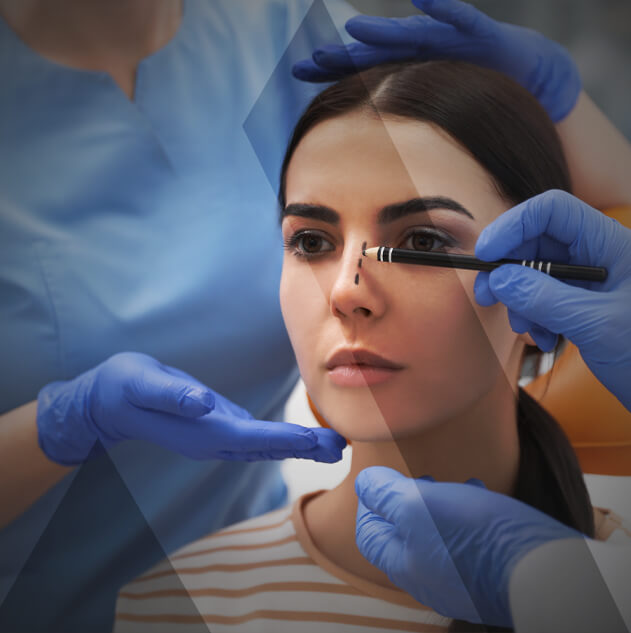
How do the sound waves of Ultrasonic rhinoplasty work ?
The technique is relatively modern in rhinoplasty but has been used in other procedures. Certain materials (piezoelectric crystals and ceramics) vibrate when an electric current passes through them, producing ultrasonic waves that carry energy, which, applied through a fine tip, can cut bone.
The use of ultrasonic waves in medicine is not new: they are used, for example, in dental scaling devices that clean the teeth.
The tips and the frequencies have been developed to cut bone while sparing soft tissue.
What is the difference between traditional and ultrasonic rhinoplasty ?
In traditional rhinoplasty, the bone work depends mainly on the surgeon’s skill, because cutting and rasping the bone with chisels and rasps is done manually.
In ultrasonic rhinoplasty, the cut is made with a device that uses ultrasonic vibrations, which can reduce the damage to surrounding tissues, and several studies report less early bleeding, bruising and swelling than with traditional methods; it does not remove all risk to the tissues and blood vessels, and the final result is not clearly different.
What is ultrasonic (piezo) rhinoplasty in Turkey and who is it for?
Ultrasonic rhinoplasty, also called piezo or piezoelectric rhinoplasty, is a nose operation, carried out by a plastic or ENT surgeon in a Turkish clinic or hospital, in which the nasal bones are reshaped with an ultrasonic instrument (a piezotome) instead of the chisels, osteotomes and rasps used in conventional rhinoplasty. The instrument vibrates at ultrasonic frequency and cuts hard tissue such as bone while largely sparing soft tissue such as skin, mucosa and blood vessels. It is still a surgical operation, performed under general anaesthesia, with incisions, a splint and a recovery period; it is not a non-surgical nose job. It is used mainly to reduce a bony hump, narrow a wide nasal bridge, correct deviated or crooked nasal bones and refine the bony part of the nose, often together with work on the cartilage and the tip. Aram Clinic says it offers ultrasonic rhinoplasty in Turkey in an all-inclusive package covering a hotel room, transportation and the medical fees; these are the clinic’s own descriptions and should be verified in writing.
It is for adults, in good health, whose nose has finished growing (usually from about eighteen years for women and a little later for men), who have a bony problem they want to change (a hump, a wide or crooked bone structure), who have realistic expectations and who have chosen an experienced surgeon. Whether to use ultrasonic or conventional instruments for the bone work is a technical choice by the surgeon: it affects how the bone is cut and the swelling and bruising, but the result, the shape of the nose, depends on the plan and the surgeon’s skill far more than on the instrument.
This page answers the questions people ask most: what ultrasonic rhinoplasty is and how it differs from traditional rhinoplasty, what evidence exists for its advantages, what it can and cannot change, how much it costs in Turkey, whether it is safe, how the operation and recovery work, what the risks are, how long to stay and what to check before you book. It draws on guidance from the NHS, the British Association of Aesthetic Plastic Surgeons, the American Society of Plastic Surgeons and the Aesthetic Surgery Education and Research Foundation, and on information supplied by Aram Clinic. It is general information, not medical advice: a surgeon must examine your nose before any operation.
Aram Clinic also publishes a general guide to rhinoplasty in Turkey, and guides to chin augmentation, facelift, eyelid surgery and hyaluronic acid fillers. For a personal estimate, use the free express quote.
What are the key facts about ultrasonic rhinoplasty in Turkey at a glance?
| Question | Short answer |
|---|---|
| What is different? | A piezoelectric ultrasonic instrument cuts or files the nasal bones instead of chisels and rasps. |
| Is it surgery? | Yes: general anaesthesia, incisions, a splint and recovery. |
| What does it treat? | A bony hump, a wide nasal bridge, crooked or deviated nasal bones; combined with cartilage and tip work if needed. |
| Operation time | Usually about 2 to 3 hours. |
| Hospital stay | Often one night, or a day case. |
| Splint | Usually removed around day 7. |
| Bruising and swelling | Often reported to be less than with chisels; bruising typically fades in 1 to 2 weeks; swelling can last months. |
| Final result | About 12 months, sometimes longer. |
| Time to plan in Turkey | About 7 to 10 days. |
| Main risks | Asymmetry, breathing problems, irregularities, bleeding, infection, need for revision. |
| Insurance | Cosmetic rhinoplasty abroad is not covered; functional cases at home may be. |
These are typical ranges, not promises: your surgeon decides from your nose and healing. A small bony hump reduction and a full structural rhinoplasty with a crooked septum are very different operations.
If you remember only one thing: the instrument is a tool, and the plan, the surgeon’s experience and your own anatomy decide the result.
How does piezoelectric ultrasonic bone surgery work and does it “emulsify” bone?
Piezoelectricity is a property of certain materials, such as ceramics and crystals: when an electric current is applied to them, they vibrate rapidly and produce ultrasonic mechanical waves. In a piezotome, these tiny vibrations, at a frequency chosen to act on mineralised tissue, are transmitted to a metal tip. When the tip is pressed against bone, the vibrations cut or file it, whereas soft tissues such as skin, mucosa, nerves and blood vessels, which are elastic and not mineralised, are largely unaffected by the same movement. The principle is not new in medicine: ultrasonic instruments are used in dental scaling, in dental and oral surgery, in spine and ear surgery and in some other bone operations. A cooling water irrigation keeps the tip from heating the bone.
The surgeon uses specially designed tips to cut the bone along planned lines (osteotomies), to remove a hump, to shave and sculpt the bone and to make fine adjustments. Descriptions that say the waves “emulsify” the bone, or that they work like a “cutting machine”, are loose language: the instrument removes bone by controlled micro-vibrations, like a very fine, precise saw or file, and it still requires the surgeon’s skill and judgement to decide what to remove.
Because the cutting action is selective and the tip is precise, surgeons can work close to the delicate lining of the nose with a lower chance of tearing it. This is the main basis for the claims of less bruising and swelling.
The instrument is more expensive than traditional tools and needs training, which is one reason it is offered as a premium option by some clinics.
What is the difference between traditional and ultrasonic rhinoplasty and what does the evidence show?
| Feature | Traditional (chisel, osteotome, rasp) | Ultrasonic (piezo) |
|---|---|---|
| How bone is cut | Mechanical force with chisels and mallets, rasps. | Ultrasonic vibrations with fine tips and irrigation. |
| Control | Depends on the surgeon’s hand and technique; skilled surgeons are very precise. | Allows fine, controlled cuts; reduces unintended fractures in many hands. |
| Effect on soft tissue | Can cause more bruising and swelling, particularly with lateral osteotomies. | Often associated with less bruising and swelling in studies. |
| Hump reduction and narrowing | Standard and effective. | Effective; often used for precise bony work. |
| Cartilage and tip | Surgeon’s instruments. | Not designed for cartilage tip work; same techniques apply. |
| Cost and availability | Standard. | Equipment and training costs; often a premium option. |
In the traditional methods, the work on the bone relies mainly on the surgeon’s skills, because cutting and rasping bone with chisels is manual and can affect surrounding tissue. With the ultrasonic technique, the bone is cut with a device that uses ultrasonic vibrations, which can reduce the trauma to the surrounding soft tissue, the lining of the nose and the blood vessels, and is associated in several studies with less bleeding, bruising and swelling in the early weeks. The evidence is real but limited: randomised trials and reviews suggest less early bruising and swelling and good precision, but they do not show a consistent difference in the final shape, the breathing or the revision rate compared with an expert using conventional instruments. Statements that the technique makes rhinoplasty “without any risk” to the surrounding tissue, or that it removes the need for a second operation, go beyond the data.
Ask the surgeon why they recommend piezo for your nose, how many piezo rhinoplasties they perform each year and whether the extra cost is justified for your case.
If you are choosing between a surgeon who uses ultrasonic instruments with little experience and a highly experienced surgeon who uses conventional tools, the experienced surgeon is generally the safer choice.
What can ultrasonic rhinoplasty change and what can it not?
The ultrasonic instrument is used for the bony parts of the nose: reducing a bony hump on the bridge, shaving and smoothing the bone, making the lateral osteotomies that narrow a wide bridge or straighten crooked nasal bones, and correcting minor bony irregularities. The technique allows precise cuts and the removal of small amounts of bone, which suits patients with small deformities and with fine adjustments to the curves of the bony nose. Some surgeons also use piezo instruments on the nasal septum, for example to straighten a deviated bony part, with the aim of improving breathing. Some nose-straightening or functional work is part of the operation.
It does not change the cartilage tip, the shape of the nostrils, the skin thickness or the length of the nose by itself: these need cartilage grafts, sutures and other techniques that are part of a complete rhinoplasty. It also does not replace a careful plan. The result still depends on how much bone is removed, how the nose is rebuilt after the hump is lowered and how the skin settles. It is also not suitable as a stand-alone for every nose: a nose with a thick skin, a drooping tip and a short nose needs different work. See the guide to rhinoplasty in Turkey for the full range of what a nose operation can change.
A good surgeon will explain which part of your nose is bone and which is cartilage, which instrument will be used for each and what the final shape is expected to be.
Computer simulations can help to discuss goals but are not a promise of the result.
What are the advantages of Ultrasound rhinoplasty ?
The reported advantages over traditional methods, mostly in the early recovery and in precision, include:
- Less damage to the soft tissue around the bone and to blood vessels.
- Reduced soft tissue trauma, as it acts selectively on the nasal bone.
- Preservation of the stability of the nasal bones when the cuts are well planned.
- Possibly fewer complications, although a lower rate of revision is not established.
- Often less bleeding and bruising, and a somewhat easier early recovery.
- Often less swelling, which may allow a quicker return to daily activities; scars come from the incisions, not the instrument.
- Precise bone cuts, which can help the surgeon to reach areas of severe curvature.
How to prepare for ultrasound rhinoplasty ?
Before the operation, your doctor will carry out the necessary blood tests and the anaesthetic assessment, and will examine your nose and take photographs.
You will be examined by an anesthesiologist before entering the operating room.
The doctor will take a look into your medical history to determine if there are any barriers
that do not allow you to have the operation.
If there are no problems, you will be taken to the anaesthesia room, where the appropriate anaesthesia is given; you will be asked to fast beforehand and to stop certain medicines.
What happens during ultrasonic Rhinoplasty ?
During this procedure the doctor uses a specially engineered piezotome handpiece to sculpt and contour hard tissue, mainly bone, with the aim of sparing the delicate soft tissues, which include the skin, the mucosal lining of the nose and the softer nasal cartilages (the lower and upper lateral cartilages); cartilage and tip work is generally done with conventional instruments.
This technique is associated with less swelling and bruising than with chisels in many studies, although swelling and bruising still occur in every rhinoplasty.
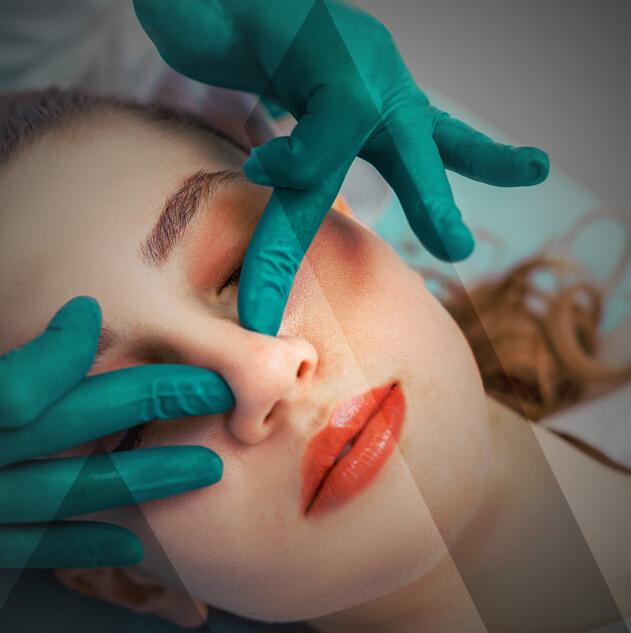
What are the advantages and the drawbacks of ultrasonic rhinoplasty?
The advantages reported for ultrasonic rhinoplasty, mainly from studies of the early recovery, are minimal damage to the soft tissue and blood vessels around the bone, because the instrument acts selectively on bone; less swelling and bruising in the first weeks, which can mean a quicker return to presentable appearance; precise, controlled cuts, which reduce the risk of unwanted fractures of the thin nasal bones and allow the surgeon to reach areas of severe curvature; and preservation of the stability of the bony structure when the cuts are well planned. Some surgeons find that it gives more accurate results for small bony deformities. These are real, modest advantages that suit some noses and some surgeons.
The drawbacks are equally real. Claims that the technique reduces complications in general, makes a second operation unnecessary, leaves almost no scars or swelling or gives “better results” have not been established: revision rates depend on the surgeon and the nose, and the scars come from the incisions, not the instrument. The equipment is expensive and requires training, which raises the price; some steps may take longer; and an ultrasonic tool does not replace the cartilage and tip techniques that determine much of the final shape. The instrument can also be used badly, and thermal or mechanical damage can still occur if irrigation is inadequate or the technique is poor.
A fair summary is that piezo can make the early recovery a little easier and the bone work more precise, but the surgeon’s experience, the plan and the quality of care matter more than the tool.
Ask whether the extra cost of a piezo operation is justified in your case, and what the surgeon would do with conventional tools.
Is ultrasonic rhinoplasty open or closed and can it also correct breathing problems?
Ultrasonic instruments can be used in both open rhinoplasty, in which a small incision across the columella (the strip of skin between the nostrils) lets the surgeon lift the skin and see the whole nasal framework, and closed rhinoplasty, in which all the incisions are inside the nostrils. The choice depends on the complexity of the nose and the surgeon’s preference: open rhinoplasty gives a better view for tip work and structural grafts, and leaves a tiny external scar that usually fades well; closed rhinoplasty avoids that scar and is often used for simpler bony work, such as a small hump. The ultrasonic tool is used for the bone in either approach.
Many people have a breathing problem as well as a cosmetic concern: a deviated septum, narrow nasal valves or enlarged turbinates. These are treated by functional procedures (septoplasty, turbinate reduction, valve repair), which can be combined with rhinoplasty (septorhinoplasty). The ultrasonic technique can be used for bony deviation of the septum. A careful surgeon will assess your breathing before the operation, because a cosmetic reduction of the nose can worsen breathing if the internal structure is not respected.
If breathing is a problem, say so at the first consultation and ask whether functional surgery is included in the plan and the price.
In the UK, the NHS may fund functional nasal surgery for significant breathing problems, but not usually cosmetic rhinoplasty, and not treatment abroad.
Who is a good candidate for ultrasonic rhinoplasty and who should wait or avoid it?
The best candidates are healthy adults whose nose has finished growing, who have a bony hump, a wide or crooked bony bridge or other bony features they wish to change, who have realistic expectations and who do not smoke. The surgeon examines the nose inside and out, the thickness of the skin, the strength of the cartilage, the septum and your breathing, takes photographs and discusses what is possible. A skin that is thick and oily limits how much definition can be achieved, and a very thin skin shows every irregularity.
Rhinoplasty is generally postponed or avoided in anyone whose nose is still growing, in people with unrealistic expectations or an obsessive preoccupation with the nose (body dysmorphic disorder), in smokers and cocaine users (poor healing and damage to the nasal tissue), in those with uncontrolled medical conditions or bleeding disorders, with an active nasal infection, or who are taking medicines that increase bleeding. People who have had previous nasal surgery need an experienced revision surgeon, and the ultrasonic technique does not make a revision simpler.
A responsible surgeon will tell you honestly if the operation will not give the change you want, or if you should wait.
Bring photographs of noses you like and of noses you do not like; they help the discussion more than a measurement.
How much does ultrasonic rhinoplasty cost in Turkey compared with the UK and the US?
The price of ultrasonic rhinoplasty in Turkey depends on the complexity of the operation (bone only, or bone with septum, tip and grafts), whether it is a primary or revision operation, the surgeon and the clinic, the hospital stay and what the package includes. The ultrasonic option often costs more than a conventional rhinoplasty because of the equipment and training. In general, quotes in Turkey are lower than in the UK, the US, Canada or Australia, which is why searches such as “ultrasonic rhinoplasty Turkey price”, “ultrasonic rhinoplasty cost Turkey” and “ultrasonic/piezo rhinoplasty cost Turkey” are frequent. Aram Clinic says that Turkey is home to many clinics performing thousands of cosmetic procedures each year and that its own prices are competitive, with an all-inclusive package covering a hotel room, transportation and all medical fees; check the claim against a written quote and a quote from a surgeon at home.
Compare like with like: the same operation, the same instrument, the same hospital stay, the same anaesthetic and the same terms for a revision. A very low price can mean a rushed consultation, a surgeon who performs several operations per day or no provision for revision.
What should a written quote include?
Operation : bone work only, septoplasty, tip surgery, grafts.
Instruments : whether piezo is used for all bone work and the extra cost.
Surgeon and clinic : names, specialty and licence.
Anaesthesia and stay : type, nights in hospital.
Splint, dressings and medicines : included.
Travel services : transfers, hotel nights, interpreter.
Revision : terms and who pays.
Payment terms : deposit, refund conditions, currency.
Aram Clinic does not publish fixed prices on this page because the cost depends on your case: request a free express quote with photographs of your nose from several angles.
What is included in an all-inclusive ultrasonic rhinoplasty package and is it safe in Turkey?
An all-inclusive package is a single price intended to cover the main parts of the trip. Aram Clinic describes its package as giving a hotel room, transportation and all medical fees, so that patients can have the operation without worrying about the logistics. A complete package may also include the consultation and tests, the surgery, anaesthesia, the hospital stay, the splint, the medicines, the follow-up and the removal of the splint around day seven, transfers and an interpreter. “All-inclusive” has no legal definition, so ask for the list in writing and check what is excluded: septum surgery, grafts, extra nights, a revision and the companion’s costs.
Is rhinoplasty in Turkey safe? It can be, when performed by an experienced surgeon in a licensed hospital on a suitable patient. Safety depends on the surgeon’s training, a realistic plan, anaesthesia, hygiene and aftercare, not on the country or the instrument. Statements such as “top of the line tools and a highly skilful team” or “the best possible results” are promotional; verify the surgeon’s name, specialty and experience, and be cautious about any clinic that promises a perfect or risk-free result.
Ask how many rhinoplasties the surgeon performs each year, how many use piezo and what they do if a complication occurs.
Choose a surgeon, not an instrument.
How do I prepare for ultrasonic rhinoplasty and what tests are needed?
Before the operation, you have a consultation with the surgeon, who examines the nose and takes photographs, and, depending on the plan, a nasal endoscopy or other checks. The doctor orders blood tests and anaesthetic assessment, and you are examined by an anaesthetist before entering the operating room, who confirms the type of anaesthesia (general anaesthesia is usual). The doctor reviews your medical history to determine whether there are conditions that could prevent or complicate the operation, such as bleeding disorders, high blood pressure or previous nasal surgery. Tell the doctor about all medicines and supplements: aspirin, anti-inflammatory drugs, vitamin E, fish oil and some herbal products increase bleeding and are usually stopped for about two weeks before surgery, unless your doctor advises otherwise. Stop smoking and nicotine well before and after surgery, because they slow healing.
You will be asked to fast for about six to eight hours before the operation. Avoid alcohol for several days. Remove make-up, nail polish and jewellery on the day. Arrange a companion for the first days, a hotel near the clinic and the practical items for the recovery: pillows to sleep with your head raised, saline spray as advised, loose button-up tops and time off work.
Send recent photographs of your nose from the front, sides and below, and your medical history, in advance so that the surgeon can discuss the plan with you before you travel.
Ask for the consent form in English to read at home.
How is ultrasonic rhinoplasty performed, step by step?
The operation is usually performed under general anaesthesia and lasts about two to three hours, depending on the complexity. After marking and preparing the face, the surgeon makes the incisions (inside the nostrils for a closed approach, or with a small cut across the columella for an open approach) and lifts the skin from the nasal framework. The bone work is done with a piezotome handpiece, a specially engineered instrument that sculpts and contours hard tissue such as bone with controlled ultrasonic vibrations, under water irrigation, while sparing the delicate soft tissues, including the skin and the mucosal lining of the nose. The surgeon removes the hump, makes the osteotomies to narrow or straighten the bony bridge and smooths the bone. Cartilage and tip work, septum correction or grafts are then performed with the usual instruments, as planned. The skin is redraped, the incisions are closed with fine stitches and a splint is placed on the nose, with internal supports or packing as needed.
You wake up in the recovery room with a splint and some swelling; the nose is blocked because of swelling and dressings, and breathing is through the mouth for a few days. Pain is usually moderate and controlled by painkillers. Most patients stay in the clinic for a night or go to the hotel the same day, depending on the clinic and the extent of the operation.
The use of the piezotome means that swelling and bruising are often less than with chisels, but they still occur in every rhinoplasty.
Ask what exactly will be done with the piezo instrument and what will be done with conventional instruments in your case.
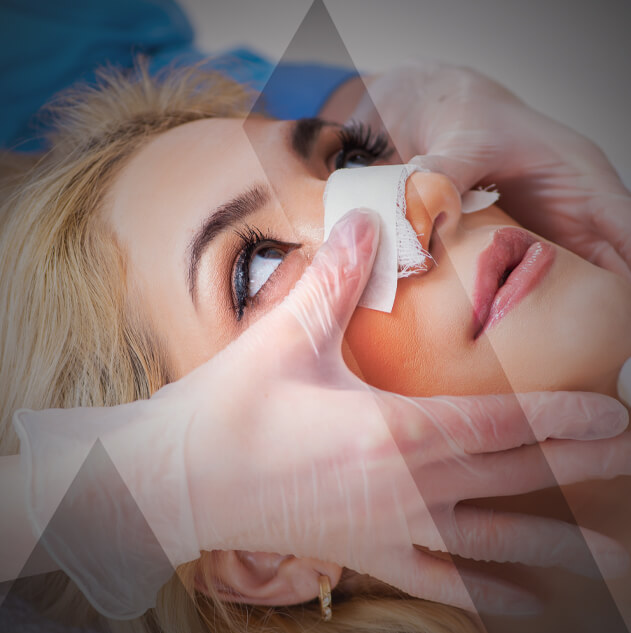
What happens after Ultrasonic rhinoplasty ?
Recovery from ultrasonic rhinoplasty is often described as somewhat faster than from traditional rhinoplasty.
Bruising and swelling are often lower and fade over one to two weeks, although some swelling lasts for months.
Patients who have a conventional rhinoplasty usually need about two weeks before returning to normal social activities; with ultrasonic rhinoplasty some return after about one to two weeks, and strenuous exercise has to wait for several weeks.
During the recovery period it is advised to stay away from strenuous physical activities
like going to the gym or any other activities that could increase the risk of actual contact
with the nose.
You need to make sure that you follow your doctor's post-operative insturctions, keep up
with your appointments so that they can see the progress of the operation and stay in
contact with your surgeon in the case of any complications or discomfort.
What are the risks of Ultrasonic rhinoplasty ?
The operation can give good results when performed by an experienced surgeon, but, like any surgery, it carries risks.
Like any other cosmetic procedure, ultrasonic rhinoplasty comes with potential risks.
Some of these risks are :
- Bleeding
- Hematoma
- Seroma
- Infection
- Nasal dryness
- Scarring
- Bones that do not heal correctly, irregularities, asymmetry and breathing problems
- Rarely, tissue necrosis.
Contact your doctor as soon as you have major discomfort, heavy bleeding, fever or breathing difficulty.
What is the recovery timeline after ultrasonic rhinoplasty and how fast will I be back to normal?
| Time | What to expect | What to do |
|---|---|---|
| Days 0 to 3 | Splint on; swelling and bruising around the eyes; blocked nose; mild to moderate pain; some oozing. | Head raised; cold compresses as advised; saline spray; no nose blowing; rest. |
| Days 4 to 7 | Swelling and bruises at their peak then declining; splint removed around day 7. | Gentle care; avoid knocks; no glasses on the nose. |
| Weeks 2 to 3 | Most bruising faded; swelling remains; breathing improves. | Return to desk work for many; avoid strenuous exercise and contact. |
| Weeks 4 to 6 | Residual swelling, particularly at the tip; return to light exercise if cleared. | Avoid contact sports and sunglasses resting on the bridge. |
| Months 3 to 6 | Most swelling gone; the shape becomes clear. | Review with the surgeon. |
| Months 9 to 12 | The nose settles; the tip refines. | Final judgement at about one year. |
Ultrasonic rhinoplasty is often described as having a faster recovery than conventional rhinoplasty, and several studies report less early bruising and swelling. In practice, the bruises and swelling are usually reduced rather than absent: many patients are presentable within about one to two weeks, and the nose continues to swell and settle for months, as with any rhinoplasty. Claims that bruising goes in “a couple of days” and that you can return to normal activity within a maximum of one week are optimistic: plan on one to two weeks before you return to normal social life, and several weeks before strenuous exercise. During the recovery it is advised to avoid strenuous physical activities, such as going to the gym, and any activity that could increase the risk of contact with the nose. Follow your doctor’s post-operative instructions, attend your appointments so that they can see the progress and stay in contact with your surgeon in case of complications or discomfort.
Contact your surgeon or seek care if you have heavy bleeding, fever, severe or increasing pain, a sudden fall in breathing, a change in vision or severe headache.
When will I see the final result and how often is a revision needed?
The result of rhinoplasty appears gradually. After the splint comes off, around one week, you see an early shape, but swelling hides the detail; most of the swelling goes in the first three months, and the tip can take a year or more to settle, particularly in thick skin. The final result is judged at about twelve months. A well-planned ultrasonic rhinoplasty can give a straighter, narrower bony bridge and a smoother profile, and, when combined with appropriate tip and septum work, a balanced nose. Perfect symmetry is rarely achieved, and small irregularities can appear as the swelling goes down.
Revision rates for rhinoplasty in general are often quoted at about five to fifteen percent, depending on the complexity and the surgeon; no strong evidence shows that the ultrasonic technique removes the need for a second operation, as is sometimes claimed. A revision, when needed, should be performed after at least a year, by an experienced surgeon. Searches for “ultrasonic rhinoplasty before and after in Turkey” and “ultrasonic rhinoplasty Turkey results” are common; photographs must be read with care and at twelve months.
Ask the surgeon what proportion of their patients have a revision and what happens if you need one.
Keep your own photographs before surgery and at one, three, six and twelve months for comparison.
What should I remember about ultrasonic rhinoplasty?
Ultrasonic rhinoplasty is a precise tool for the bony part of the nose that may ease the early recovery, but it is still surgery, with real risks, and the surgeon and the plan matter more than the instrument; choose carefully and ask for everything in writing.
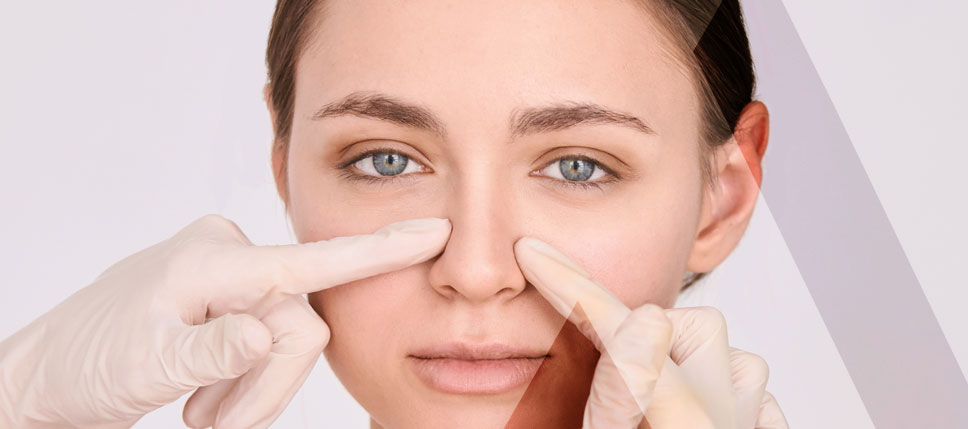
What are the risks and complications of ultrasonic rhinoplasty and which signs are urgent?
Like any other cosmetic surgery, ultrasonic rhinoplasty carries risks, and a highly skilled surgeon and top equipment reduce but do not eliminate them. The potential complications include bleeding and haematoma (a collection of blood), seroma (a collection of fluid), infection, nasal dryness and crusting, scarring (particularly with an open approach), bones that do not heal properly or are uneven, a visible irregularity or step on the bridge, asymmetry, breathing difficulties if the internal structure is weakened, a change in sensation of the nose or the teeth that usually recovers, a poor aesthetic result and the need for revision. Rarely, a loss of skin or tissue (necrosis) from compromised blood supply, a hole in the septum, a collapsed or “saddle” nose or damage to the nasal valve can occur, particularly after aggressive reduction or in smokers and cocaine users. General anaesthesia has its own risks.
Heavy or continuing bleeding : contact your surgeon or go to an emergency department.
Fever, pus, increasing redness or pain : possible infection: contact your surgeon and seek care.
Severe headache, change in vision or clear fluid from the nose : emergency: seek care immediately.
Skin turning dark or blue : possible blood supply problem: contact your surgeon urgently.
Persistent breathing difficulty or a visible deformity after healing : see your surgeon or an ENT specialist.
You can reduce risk by choosing an experienced surgeon, stopping smoking, following the aftercare and attending every check-up.
If you have a symptom after returning home, see an ENT specialist or an emergency service, tell them you had rhinoplasty abroad and show your operative report, and contact the surgeon as well.
What are the alternatives to ultrasonic rhinoplasty: conventional rhinoplasty and non-surgical nose reshaping?
| Option | What it does | Notes |
|---|---|---|
| Conventional rhinoplasty | Chisels, osteotomes and rasps for bone; same cartilage and tip work. | Standard; excellent results in experienced hands; slightly more early swelling in some patients. |
| Ultrasonic (piezo) rhinoplasty | Piezotome for bone work. | Precise; often less early bruising; higher cost. |
| Non-surgical rhinoplasty with fillers | Hyaluronic acid injected to camouflage a bump or lift the tip. | Temporary; cannot reduce a nose; risk of blocked blood vessels, a rare but serious complication. |
| Thread lifts for the tip | Threads to lift the tip. | Limited evidence; temporary. |
| Functional surgery alone | Septoplasty, turbinate reduction. | For breathing without changing appearance. |
A “nose job without surgery” is possible only in a limited sense: injectable fillers can change the profile slightly for a few months but cannot make the nose smaller or treat the bone, and they carry their own risks. Ultrasonic rhinoplasty, despite the name sometimes being presented as an alternative to surgery, is surgical. See the guide to hyaluronic acid fillers for what fillers can and cannot do.
A good surgeon will explain the options, including doing nothing, and will not propose an operation that cannot deliver what you want.
How long should I stay in Turkey and when can I fly home after ultrasonic rhinoplasty?
Plan about seven to ten days in Turkey: the consultation and tests, the operation, a check the next day or two and the removal of the splint and stitches around day seven, with a final check before you leave. The surgeon decides when you can fly, usually after the splint has been removed and the nose looks safe from knocks; some surgeons allow flight earlier with precautions. Cabin air is dry and pressure changes can cause discomfort when your nose is blocked: use saline spray as advised, keep your head raised, drink water, avoid blowing your nose, carry your medicines and ask for an aisle seat. Do not carry heavy luggage. Flights to Istanbul take about three and a half to four hours from the UK and Western Europe and around nine to eleven hours from the US East Coast. Check the current visa or e-visa requirements for Turkey on the official government sites before you book, and make sure your passport is valid for the whole stay.
Take a companion if you can, particularly for the first night. Avoid sunbathing, beaches and swimming pools in the first weeks, because of the splint, swelling and the risk of knocks.
When you arrive home, arrange to see an ENT specialist or your doctor within the first week or two, and bring the operative report.
Do not book a non-refundable flight before the surgeon has confirmed the date.
How do I choose a surgeon and clinic for ultrasonic rhinoplasty in Turkey?
| What to check | Why it matters | How to verify |
|---|---|---|
| Surgeon’s training and nose experience | Rhinoplasty is among the most difficult cosmetic operations. | Name, plastic surgery or ENT specialty, registration, number of rhinoplasties per year. |
| Experience with piezo | The instrument needs training. | Number of piezo rhinoplasties; why it is recommended for you. |
| Consultation and plan | The plan decides the result. | Video consultation with the surgeon; photographs; explanation of the changes. |
| Breathing assessment | Cosmetic reduction can harm breathing. | Examination of the septum and valves; functional plan. |
| Clinic licence and anaesthesia | Safety depends on the facility. | Licence from the Turkish Ministry of Health; anaesthetist identified. |
| Realistic promises | No one can guarantee a result. | No guarantee of “perfect” or “risk-free”; clear explanation of limits. |
| Aftercare and revision terms | Problems appear after you return. | Written plan, contact available, revision terms. |
Ask for before-and-after photographs of patients with a nose like yours, at twelve months, and compare at least two proposals. Be sceptical of rankings such as “best rhinoplasty surgeon in Turkey”: there is no reliable public ranking. A second opinion from a surgeon in your own country on whether piezo is needed and on the plan is a sensible precaution. Aram Clinic says it works with an experienced medical team and advanced technology: ask for the surgeon and the clinic by name in writing and verify them yourself.
A surgeon who will not show you the plan, who promises a celebrity nose or who does not discuss the risks is not the one to choose.
What are the downsides of rhinoplasty abroad and what if something goes wrong?
The main limits concern follow-up. If you develop an infection, a breathing problem or an asymmetry in the first weeks after you land, your local doctors will have to deal with it, and some are reluctant to take responsibility for an operation done elsewhere. A revision may mean another trip or paying for surgery at home, and it is usually delayed by a year. Dry cabin air and the risk of knocks on a journey can affect healing, and complications abroad are stressful and expensive. Legal recourse is more complicated across borders, and differences in language and documentation can create misunderstandings.
Emergency care is available to anyone, wherever the operation was performed: for heavy bleeding, severe pain, a fever or a change in vision, go to the nearest emergency department and tell the staff about your surgery. The NHS provides emergency and necessary care but does not usually fund cosmetic revisions, and some private surgeons are reluctant to treat complications from surgery done abroad or charge for it; in the US, many surgeons and insurers decline to cover complications of cosmetic surgery abroad. Travel insurance usually excludes planned cosmetic surgery and its complications, so a specialist policy is needed, and you must read the exclusions. Before you travel, ask the clinic in writing what happens if you need a revision: who performs it, where, how much you pay and whether travel is covered.
Identify an ENT specialist or doctor at home who will see you in the first weeks, and keep every document: the quote, the consent form, the operative report, the medicines list and photographs.
If you cannot arrange these, or if your case is complex, having the operation at home may be the safer choice, even at a higher price.
Should I use a medical tourism agency, and how do I plan the trip?
Some patients use agencies that organise the trip and introduce them to a clinic, often through social media or messaging apps. This can simplify logistics, but it creates a conflict of interest when the agency is paid a commission by the clinic: its incentive is to sell a package, often with an expensive technique. An agency is not a surgeon and cannot replace a consultation. Warning signs include a price fixed from a photograph sent to a non-medical contact, “perfect nose” guarantees, pressure to book quickly and the refusal to name the surgeon. Whatever route you use, ask for the contract in writing, naming the clinic and the surgeon, and do not pay a large deposit to someone you have not identified.
Choose a hotel close to the clinic, plan seven to ten days, pack loose button-up tops, pillows if you want your own, saline spray as advised, your medicines and contact details. Do not plan sightseeing in the first days: rest and the check-ups are the priority. Tell your doctor at home about the trip and ask them to be ready to see you.
Ask Aram Clinic what its exact role is, who the contracting parties are and how complaints are handled.
Keep copies of the quote, consent form, operative report and aftercare instructions on your phone.
How does the process work with Aram Clinic, and what aftercare and questions should I prepare?
Aram Clinic describes a simple journey: you request a free quote online with photographs of your nose; the medical team reviews them and a surgeon or coordinator discusses your case, usually by video; you receive a written proposal and decide without pressure; you travel and are met on arrival; after the consultation and tests, the operation takes place at the partner clinic; and you return home with a medical report and a plan for follow-up, with remote contact. These are the clinic’s own descriptions: check that the surgeon and the clinic are named in writing, that the plan and the use of piezo are explained, that the quote lists what is included and that revision terms are in writing.
At home, keep your head raised when sleeping, use saline spray as advised, avoid blowing your nose, avoid knocks and glasses resting on the nose, avoid strenuous exercise and contact sports for the period advised, protect the nose from the sun and attend a check-up with a local doctor in the first weeks. Do not smoke.
Do I need ultrasonic instruments : why piezo for my nose, and what would the surgeon do otherwise?
Which parts of my nose will change : bone, cartilage, tip, septum?
Who will operate and in which clinic : how many rhinoplasties and piezo rhinoplasties do they perform each year?
What are the risks in my case : including breathing and the need for revision?
How long should I stay : and when will the surgeon clear me to fly?
What is included in the quote : extra nights, revision, my companion?
Who will see me at home : have I arranged an ENT specialist or doctor?
The first step is simple: complete the free express quote with your photographs, or learn more about Aram Clinic. Write your questions down and ask for the answers in writing. Take your time: rhinoplasty is a planned operation that can be prepared over weeks, and no discount is worth deciding under pressure. A second opinion from a surgeon in your own country is a sensible precaution.
A team that listens, examines your nose, explains its plan, discusses limits and risks openly and advises against surgery when it is not appropriate is more trustworthy than one that promises the perfect nose at the lowest price.
Ultrasonic rhinoplasty in Turkey: choose the surgeon and the plan first, the instrument second, the price last
Ultrasonic, or piezo, rhinoplasty in Turkey is a surgical nose operation, under general anaesthesia and lasting about two to three hours, in which the nasal bones are cut and sculpted with an ultrasonic instrument instead of chisels and rasps; the splint comes off around day seven, bruising fades over one to two weeks, swelling settles over months and the final result is judged at about twelve months. Studies suggest less early bruising and swelling and more precise bone cuts, which is a modest and real advantage for the bony work (hump, wide or crooked bridge), but there is no consistent evidence of a better final shape, fewer revisions or a risk-free operation, and the instrument does not treat the cartilage, the tip or the septum, which still need conventional techniques. The ultrasonic option usually costs more, quotes in Turkey are lower than in the UK or the US and packages bundle the hotel, transfers and medical fees, but the surgeon’s experience, a realistic plan that respects breathing, a licensed hospital with proper anaesthesia, and a follow-up and revision plan matter far more than the tool. Risks such as asymmetry, breathing problems, irregularities, bleeding and infection are real, and cosmetic surgery abroad is not covered by insurance.
Before booking, send photographs of your nose from several angles for a remote assessment, ask why piezo is recommended for your nose and what the surgeon would do otherwise, how many rhinoplasties and piezo rhinoplasties they perform each year, which parts of the nose will change, what the quote includes and who will see you after your return. If your project is ready, the next step is to send your photographs to the Aram Clinic team through the free express quote, so that they can review your case and propose a written plan that you can discuss with a surgeon of your own choice, without pressure.
Official sources to consult
This page draws on the sources below. Guidelines and rules change: always consult the current version and your own surgeon’s advice.
NHS : nhs.uk : advice on cosmetic procedures and cosmetic surgery abroad; information on septoplasty and nose surgery.
British Association of Aesthetic Plastic Surgeons (BAAPS) : baaps.org.uk : patient information on rhinoplasty and surgery abroad.
American Society of Plastic Surgeons (ASPS) : plasticsurgery.org : patient guide to rhinoplasty and choosing a surgeon.
Aesthetic Surgery Education and Research Foundation (ASERF) : aserf.org : research on rhinoplasty techniques.
ENT UK : entuk.org : patient information on nasal surgery, septoplasty and breathing.
Joint Commission International : jointcommissioninternational.org : international accreditation (verify any claim on the accreditor’s site).
Republic of Türkiye Ministry of Health : saglik.gov.tr : licensing of health facilities and health tourism.
UK Government and US State Department travel advice : gov.uk and travel.state.gov : entry requirements and health travel advice.